








How should we understand "small group"?

 People are born as individuals, so they must find their own team belonging.
Author: Other Internet
Compiled by: Rhythm Research Institute
Do you remember how you made different friends when you were a child? Perhaps it was during a certain activity, due to shared interests, or maybe it was because you had similar thoughts on a topic, or simply because you felt a connection with each other.
Similar interests bring different people together, allowing them to efficiently achieve the same goal through collaboration in the same activity. Similar ideas reduce communication barriers, while the inexplicable feeling of connection can lower the most basic trust costs. People gather together to form small groups, each with a small number of members, but each person has distinct characteristics and clear roles.
With the help of modern technology, the formation of small groups is no longer limited by geography, allowing more people with different abilities and ideas to freely "team up" to complete "tasks."
This article comes from the applied research organization Other Internet, which delves into the history, reasons, advantages, and possibilities of small groups (Squad). The Rhythm Research Institute has translated the full text:
For thousands of years, small groups (squad) have been an important form of social and economic organization. In modern times, with the continuous emergence of group chat software and private social networking platforms, small groups have begun to become active again. They are a powerful cultural force, challenging the authority of individualism in the market.
Today, small groups play a key role in internet communities and emerging economic networks. The rise of Hawala, Chit funds, Chamas, and other forms of P2P savings or credit institutions indicates that future decentralized cryptocurrency protocols will continue to enrich our various financial relationships. These prototype small groups fully demonstrate the effect of the Coase theorem, where strong internal coordination can reduce transaction costs, allowing teams to increase productivity and gain more financial opportunities.
These small organizations are usually composed of neighbors and friends, reflecting the core position of trust within the team. Whether they are roommates or online friends in a Discord group, small groups can achieve the mutual conversion of social currency and financial capital, bringing more opportunities and vitality to the team, which is something that cannot be accomplished independently.
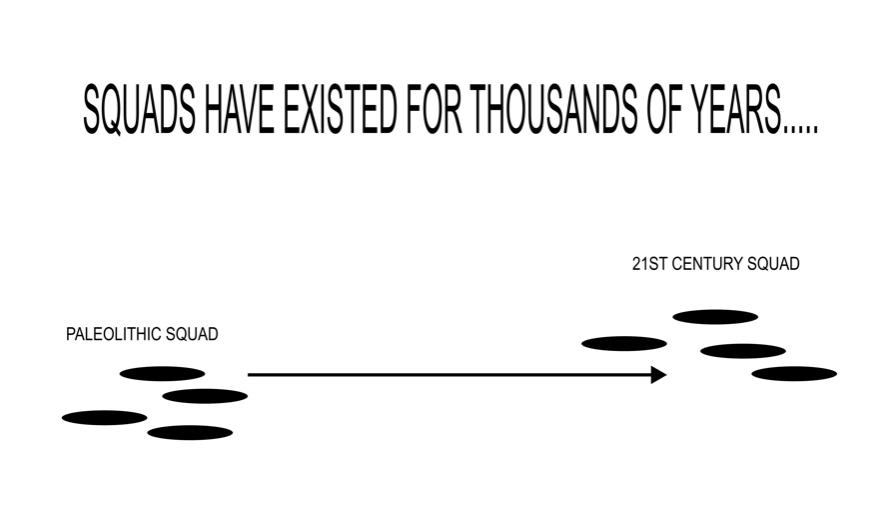
Recent events have completely exposed the limitations of individual work and prompted people to explore new ways of working in small groups, as they often possess greater flexibility. The outbreak of the COVID-19 pandemic has strengthened social connections, and the physical distance between us has deepened our emotional bonds. When the pandemic struck, our primary task was to protect the safety of small groups, which also raised demands for team coordination and decision-making.
In today's era, the uncertainty of people's social and economic lives is increasing, leading them to seek to form groups to compensate for individual shortcomings. For example, people form families to share space and alleviate the pressure of rent. In first-tier cities, individuals often feel overwhelmed, so to survive in an employment market without social security, people have united.
Small groups are both a product of contemporary society's atomization and a response to it. The phrase "find a place in remote areas" illustrates the desire of urban youth for new types of team homesteads, and the construction of team homesteads is also a modern back-to-the-land movement. Inspired by post-war communes, surf clubs in the post-internet era promote the benefits of cooperative housing, ecological cultural parks, and solar mesh networks on blogs.
Small group culture is the opposite of new liberal individualism. The millennial generation is ushering in their own era, rediscovering the generative and exploratory relationships among themselves. Small group culture has developed significantly among the younger generation, who have rich team experiences in Minecraft, DOTA 2, and Fortnite parties.
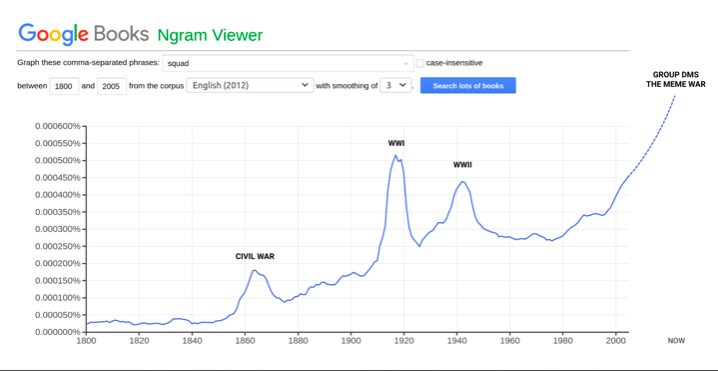
Setting aside military influences, the group chat function has opened a new era for the discourse of "small groups."
Whether they form small groups for survival or fun, those formed in critical situations generally possess strong adaptability. As cyberspace continues to draw closer, distance is no longer a barrier to communication—soon, important cultures will primarily be defined by fictive kinship. Today, teamwork has become the trend, and small groups have consequently become the center of people's social, cultural, and economic lives. In the words of K-HOLE: today's people are born as individual entities, so they must find their team belonging.
The Theoretical Foundation of Small Groups
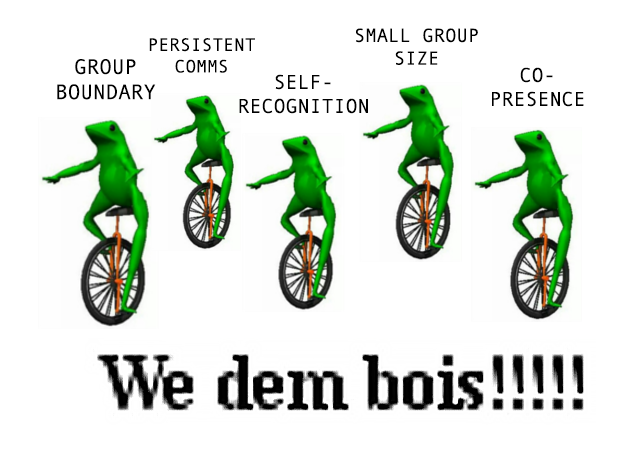
Although people in ancient times gathered primarily for survival, the tradition of maintaining close communication among team members has persisted to this day. The model of group discussions and adaptive team workspaces creates a shared communication environment for small group members. Continuity is the foundation for the existence of small groups: they support each other and thrive together.
However, small groups are not merely a loose network of affiliations; they are a coherent whole. The second prerequisite for the formation of small groups is self-recognition, a shift in consciousness from "you, me, him" to "us." A small group may start as a one-time Telegram channel, but it quickly evolves into a "group chat," which is another synonym for small groups.
To enhance the internal cohesion of small groups, they must have clear boundaries to regulate the team. According to Dunbar's number, an ideal small group should not exceed 12 people, as it is indeed difficult for individuals to closely interact with more than 12 people simultaneously. The limitation on numbers is crucial for the coordination of the team.
Small groups may exist within a vast network of connections, making them seem boundless and populous, but for the core team, they are always bound together by an invisible force, forming a stronger team identity.
As the atmosphere of small groups continues to improve, members become more interdependent and more willing to share their social relationships, emotions, or finances. The trust accumulated through ongoing socialization and self-recognition is the premise and foundation for close cooperation among small group members. Meanwhile, the development of small group culture has only just begun.
The Communication Space of Small Groups
Although the outbreak of COVID-19 has physically separated people, their connections online have become increasingly close. Initially, people thought Web 2.0 was just a series of interconnected documents, but as it has evolved, Web 2.0 has created many interconnected online spaces.
Today's small groups fully embody the digital locality, prompting us to reconsider whether the past individualized social networks are still applicable. Unlike the early vision of hypertext, the internet has bid farewell to the era of individualism and entered the stage of globalization. Due to the dangers of social media, no one should go it alone without team support.
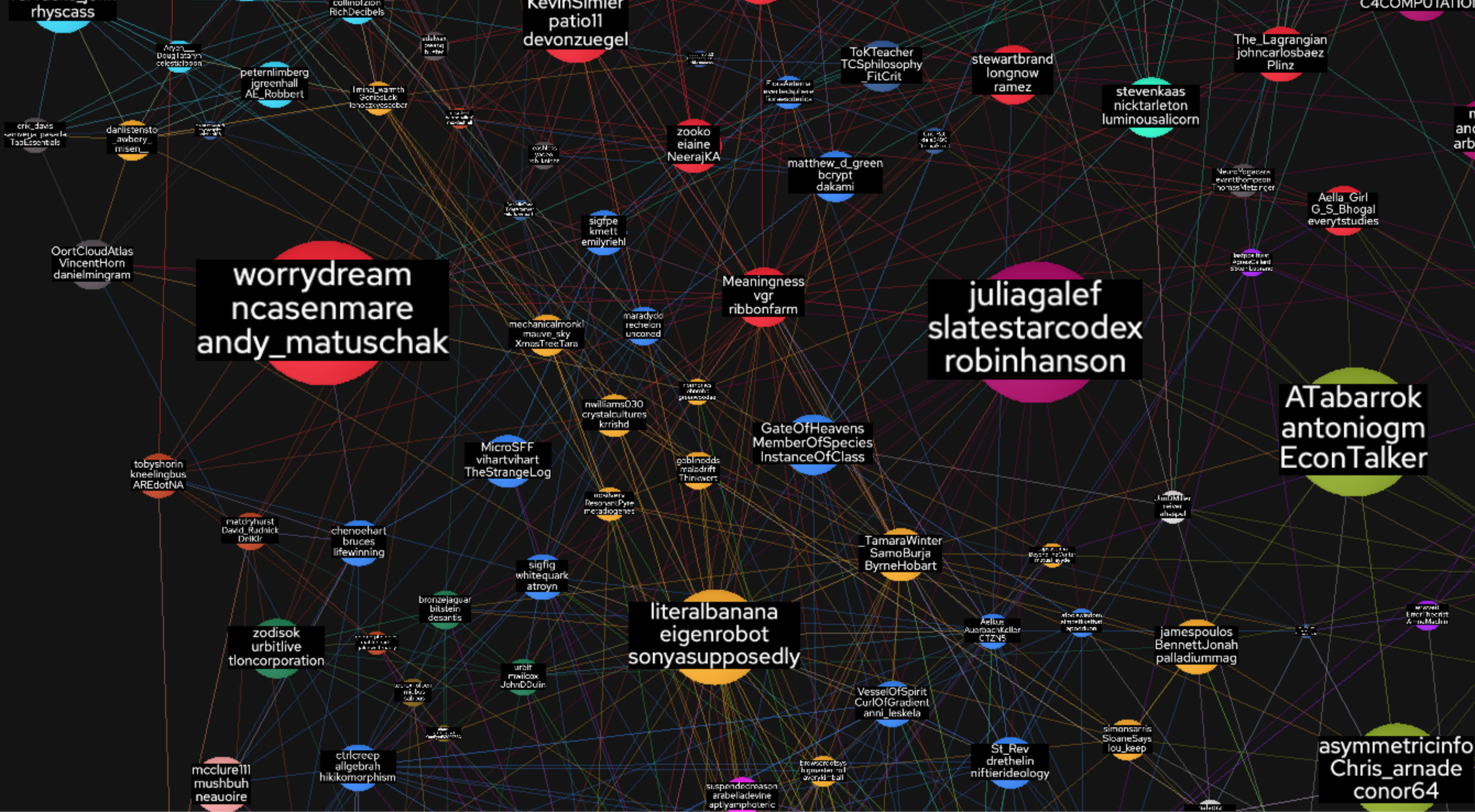

The Twitter subculture displayed above is just a small part of the deeper social network. Beneath this blurry graphic lies the small group space, which is the internal network that allows digital microcultures to be born, such as group chats, Discords, Slacks, Keybases, and so on. The memes formed in the small group communication space will flow into the "clear web," defeating NPCs on the grievance network (internet of beefs).
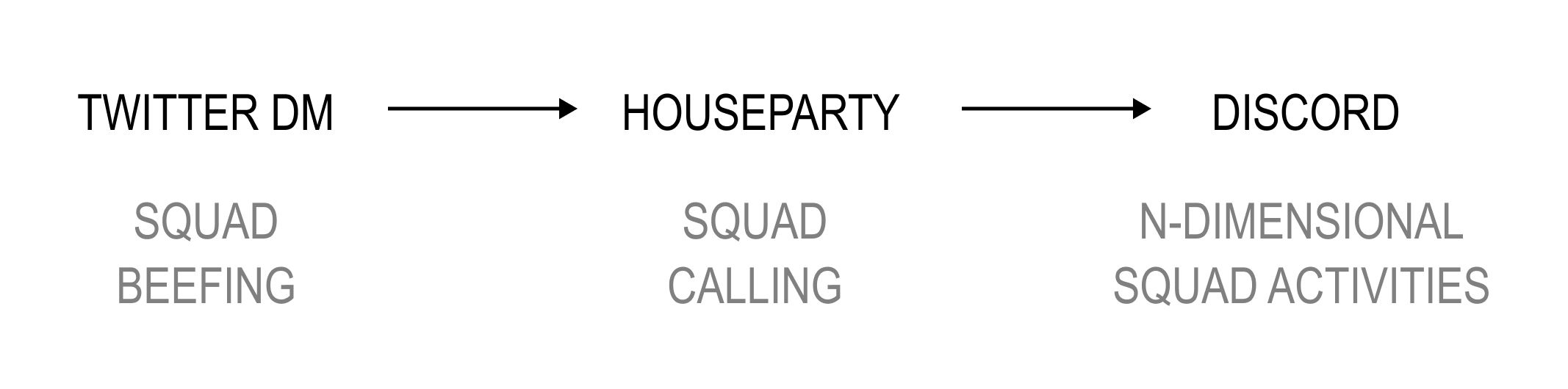
Small group culture is a downstream product of small group spaces, and the digital places where small groups exist will continue to improve. Discord supports multi-user connection features, and Git can now be used on Keybase. A team's capabilities will be determined by the tools it can access, and different platforms thus shape different team thinking patterns.
Team spaces are not just environments; they are also agents of action, a shared cognitive layer. They provide ample space for planning market transactions, conceiving plots, and creating memes. Even if members of small groups live in different regions, they all experience their own time in this space. For every small group, the moment they create is the beginning of the team's founding year.
Group dynamics will change with the environment but will not leave the small group space. Ecology refers to this process as "niche formation," while online it is small group culture.
The Spiritual Culture of Small Groups
In the lower world of deep social networks, small groups begin to develop their own culture. They do not need their own team currency, as images, artworks, music, topics, junk posts, and even sarcasm can serve as their communication media. Similarly, small groups generally do not set up internal economic incentives.
Instead, the trust, mutual benefit, and team spirit (the team energy that small groups value most) generated from this enjoyable exchange are what they truly care about. Therefore, the core of small group production lies in the sustainability generated by the small group itself.
Cryptomemeology tells us that a poor group with bad posts can define new forms of value through its internal social framework. Although assets like memes are difficult to value, they can lead cultural and economic trends.

Memes, trending topics, internal languages, visual effects, and handcrafted items that only teams can produce are the main products of small group production. Such groups often have more soul, naturally attracting more attention.
People outside the team also want to experience this atmosphere—sometimes to gain social capital, sometimes because the content produced in this atmosphere has more strategic value, but for most people, they simply feel that this atmosphere is more infectious. After the orderly operation of the group, some small groups begin to develop their own social products, with podcasts being a common method. They can quickly turn memes into white papers, allowing the wisdom within the small group to rapidly flow into the creative market.
Whether by chance or inevitability, once a small group forms, it generates astonishing creative potential. VIBE (vibe) is a highly information-dense unstable substance. In the process of exploring their team spirit, small groups may inadvertently create some headless brands, virtual characters, or uncontrollable pseudonymous entities. Therefore, small groups need to evolve from a young team, continuously increasing entropy to develop their own team spirit, thereby unleashing a continuous flow of team energy.
The Monetization Methods of Small Groups
Group identity, shared space, and team culture not only create social capital but also enhance the organizational capacity of small groups, reduce transaction costs, and provide teams with higher productivity and adaptability—this is the essence of "small groups." However, while small groups can be seen as "a series of contracts," unlike Coasean firms, there is no legal structure within small groups. Instead, social contracts are realized through people's customary mutual respect and adherence to norms.
However, to sustain the team economy, small groups must convert team culture into monetization models: attracting customers, subscribers, and sponsors, engaging in music trading, generating revenue, and so on. The first step in small group production is often to create processes and interfaces to disseminate their creative labor results through global network participants.
At this point, team tools begin to come into play. The team spirit generated in DAWs, Figma boards, or gaming lobbies can be transformed into consumable cultural tools. Young artists have created online galleries and personalized labels because they allow teams to interact or trade with the world through familiar organizational patterns. Bandcamps, Twitch pages, and DAOs are public APIs that small groups can use to interact with entities beyond trusted boundaries.
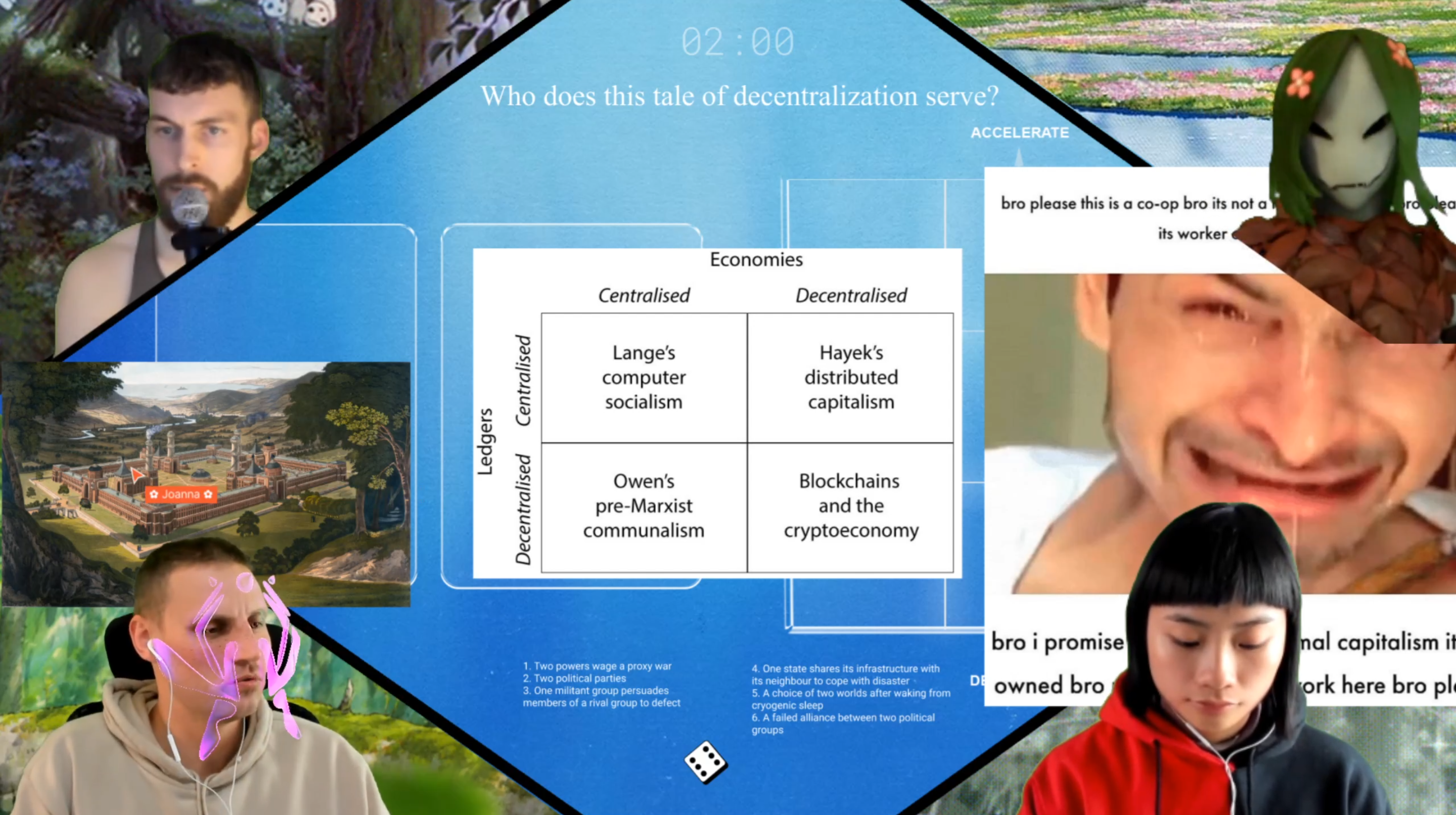
Some digital tools are public interfaces, while others are for internal coordination. Today, small group infrastructure consists of simple software primitives, including Venmo, Splitwise, and Cash App. With these financial channels, you no longer need to borrow money from friends, and they can also optimize internal coordination among small group members. Although small groups have high flexibility, the social stigma surrounding group finance makes it difficult for them to borrow money from friends.
In-app mechanisms, such as budget trackers, voting, and coin toss functions, build a middle ground between social agreements and technical solutions. For example, Splitwise largely relies on social norms to ensure the correct input of its expenses. By allowing individuals to choose to join a set of retrospective settlement rules, the social friction and coordination costs of the team can also be reduced. If small groups can naturally execute many important functions, our civilization can also advance.
Some people believe that new software can free the hands of "individual creators," but under this ideology, we will inevitably usher in an era of intermediary employment like that of the Uber platform.
Therefore, what we truly need to liberate is the small group, as they are the fundamental user class of the tools our society needs today, yet currently, very few software solutions allow groups to collaborate as a whole to produce and create wealth together. This situation must change to fully realize "small group culture."
The Team Wealth of Small Groups
With new plug-and-play financial tools, small groups will enhance their economic and social adaptability. While individuals may have limited opportunities for compound returns, teams, with their greater flexibility, can take on larger risks and thus reap greater rewards.
As small group members contribute to the team, they can also receive corresponding returns, gain more opportunities, demand future economic flows, and receive support from the team. In sharing risks, a small group often achieves multiplied returns, leading them on the path to wealth.

A strong social structure and the right technology stack will bring about a new round of bottom-up economic experiments: interest-free P2P lending, anonymous lending pools, collective insurance, social ETFs, DAO-based freelancer alliances, rotating savings plans, Revshare guilds, meme risk groups, cryptocurrency Ponzis, exit scams, in-browser miners, remote yield farms, boy bands, cults, and sovereign vacation funds.
We must clarify one thing: obtaining financing and creating capital assets is crucial. For small groups, what they need now is technological infrastructure to acquire and layer the value they collectively produce.
While sufficient cash can maintain the normal operation of small groups, prematurely activating financial infrastructure can stifle this capability. The primary output of small group economies is non-monetary value, while small group wealth consists of five memes a day, the vacations of electronic girls, the hype houses of TikTok influencers, and the empty church you rent in a remote area for your team.
Small group wealth is when you feel happier than working 70 hours a week when you log out of a Discord chat. Millennials want to quit their jobs and start their own venture capital firms, while small groups are already doing other things.
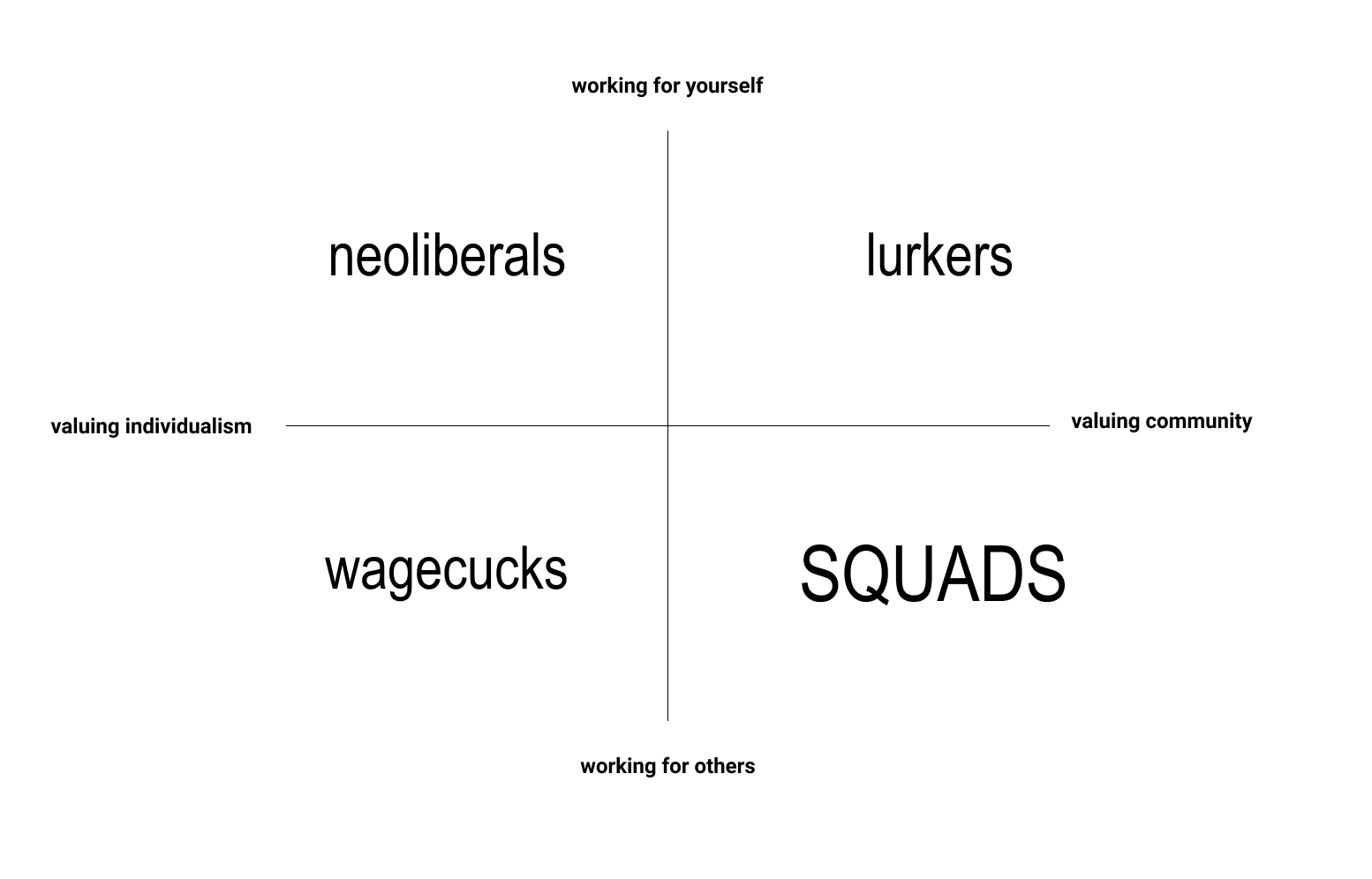
Small groups have recognized the hollow lies of the neoliberal gig economy "employment" and quasi-socialized personal branding. They value autonomy under collective maintenance and mutual care, rather than pure individualistic autonomy. Moreover, they prefer creative expression and support collective creation over individual creation. For small groups, collectivity is the premise of autonomy.
So, can small groups scale? In my view, small groups are more like a culture than a business. Therefore, making money is not their primary goal; maintaining the team's atmosphere is, while stable income is just a bonus.
On the contrary, small groups can become role models for others by inventing new visual effects, organizational forms, and creative products, thus achieving horizontal expansion. When the spirit of small groups begins to spread outward, they gain their own life. Although the real value of these models may be limited, we should not underestimate the significance of meme-ifying a new bottom-up economic model.
In the days to come, small groups will become as important as enterprises. As our social and economic structures change, strong team spirit and sustainability will become new standards for measuring success. Small groups do not need to scale; they only need to transmit their energy.
The Infinite Energy of Small Groups
How much energy do small groups truly have? While small groups are indeed products of the digital tools era, they are far more than just a new chat application or online "community platform"; they represent a new development, a new type of organization that helps people build relationships and learn to create in this increasingly complex world. Small groups are communities composed of their spirit, memes, and values, not a mob; rather, they are prototype institutions participating in world-building in their own way.
Small groups redefine collective value.
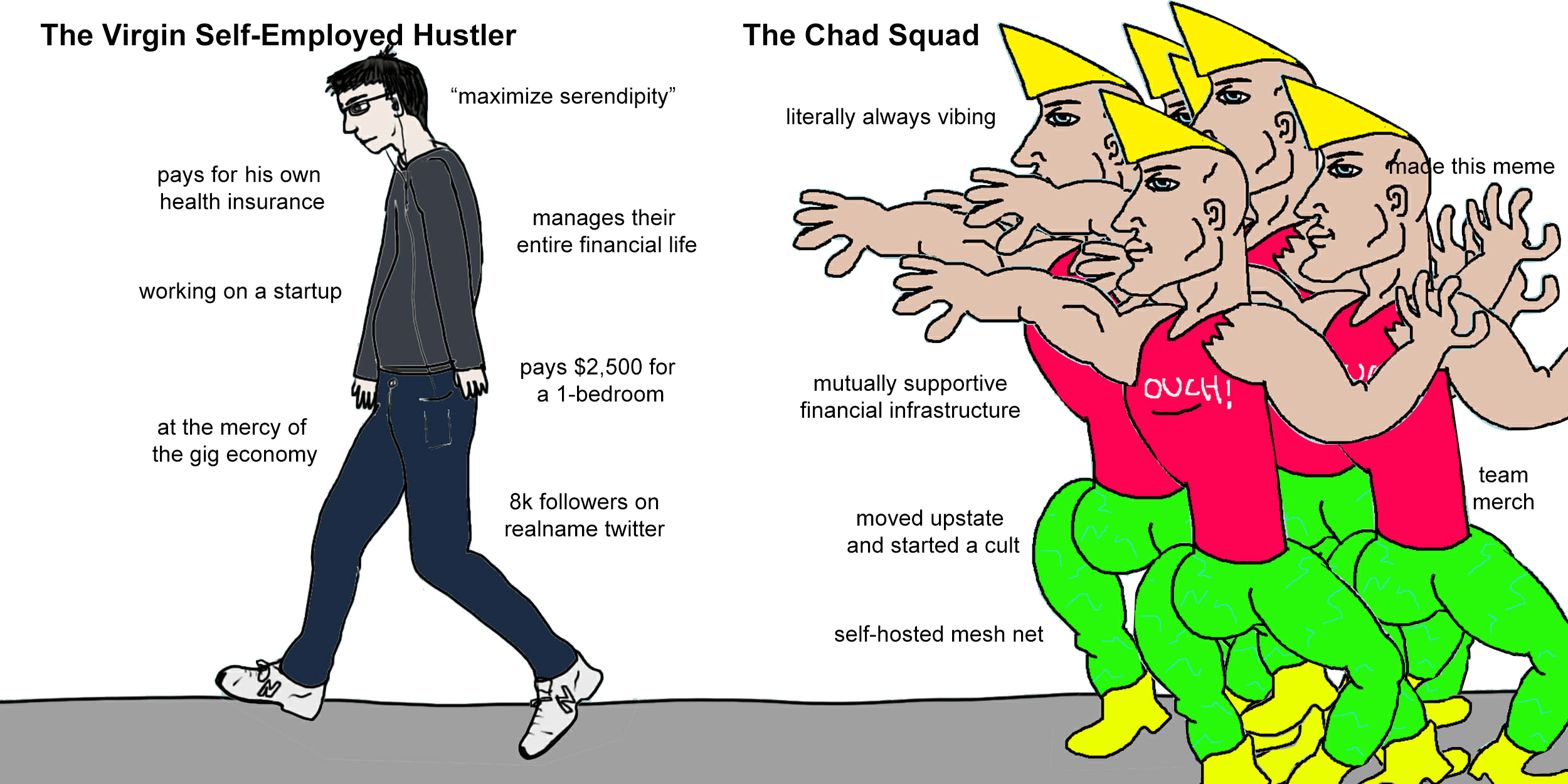
Small groups are a continuously enriching shared environment.
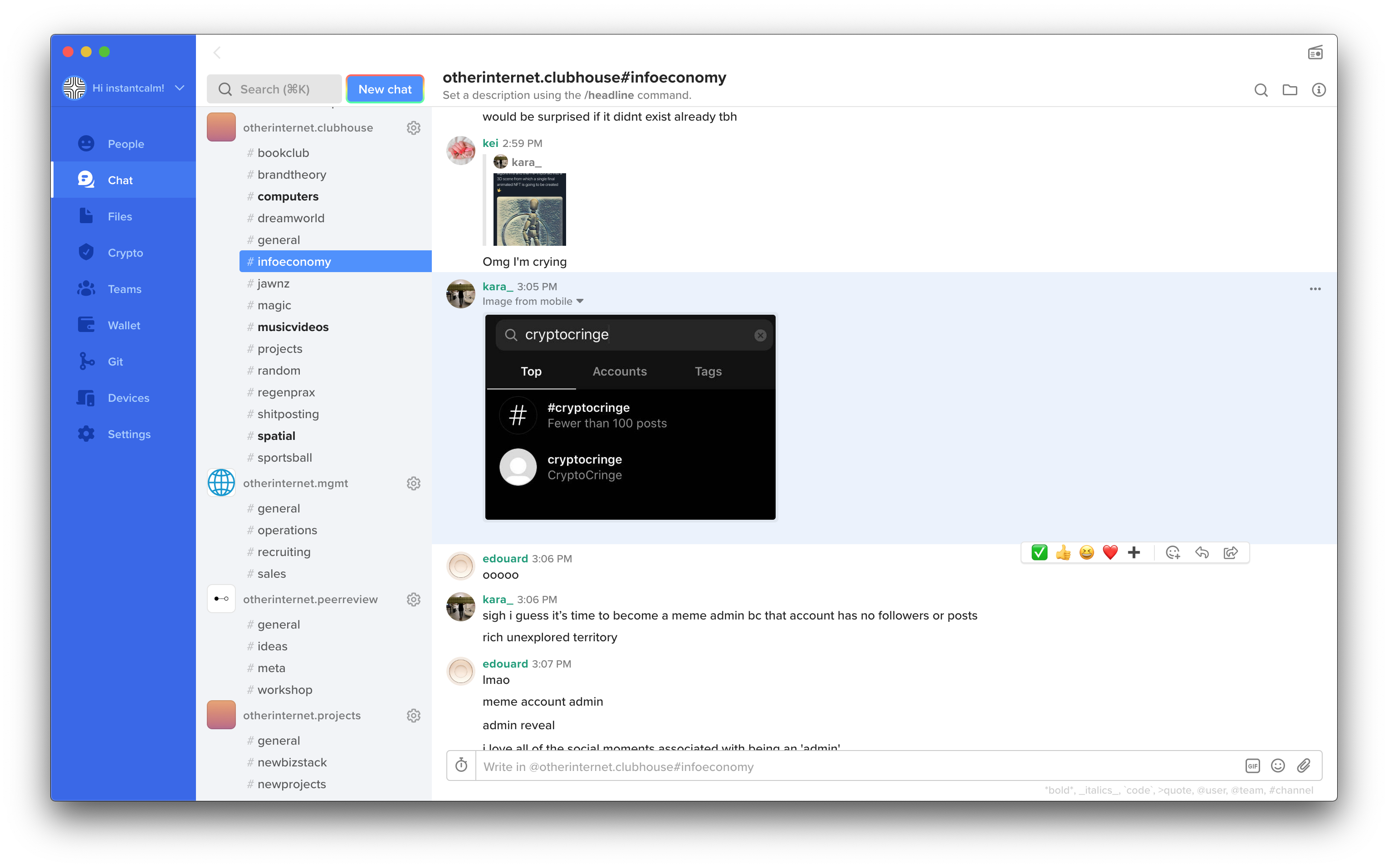
Small groups are an unexpected outcome of digital network development…
Small groups are the terminators of history.
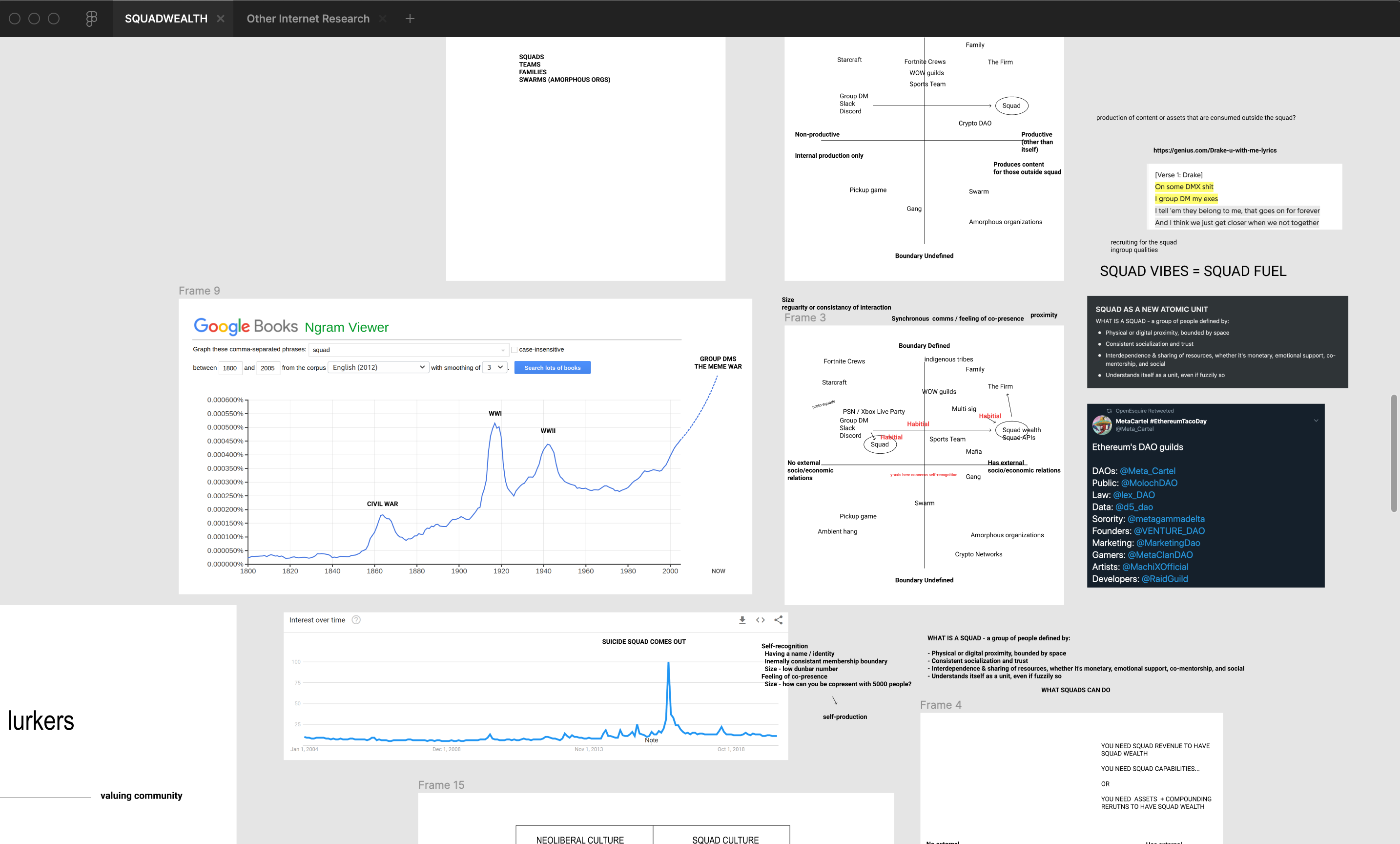
Small groups are very beneficial for physical and mental health.
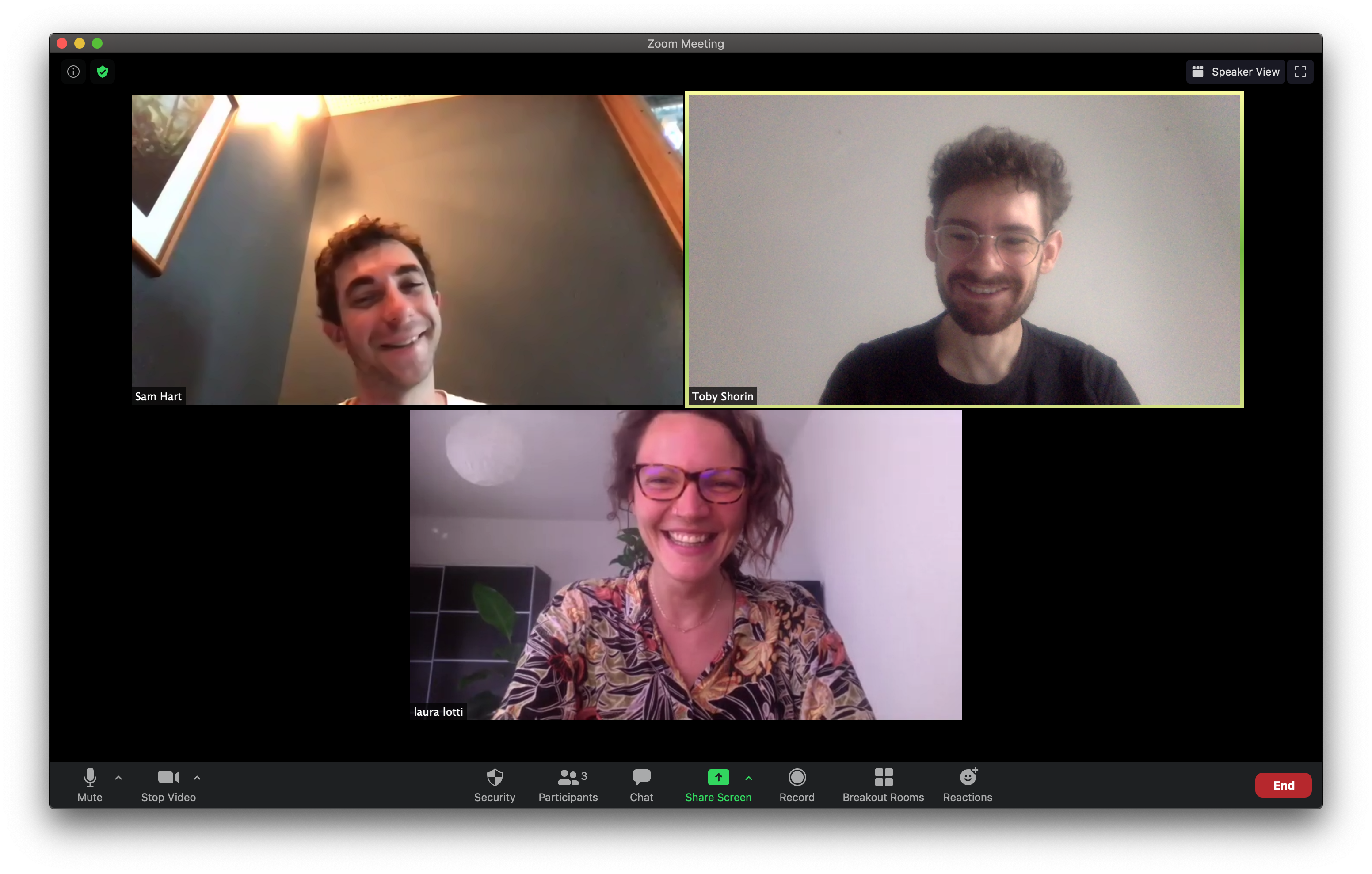
Small groups = Autonomy + Community + Fairness.
Small groups are invincible.
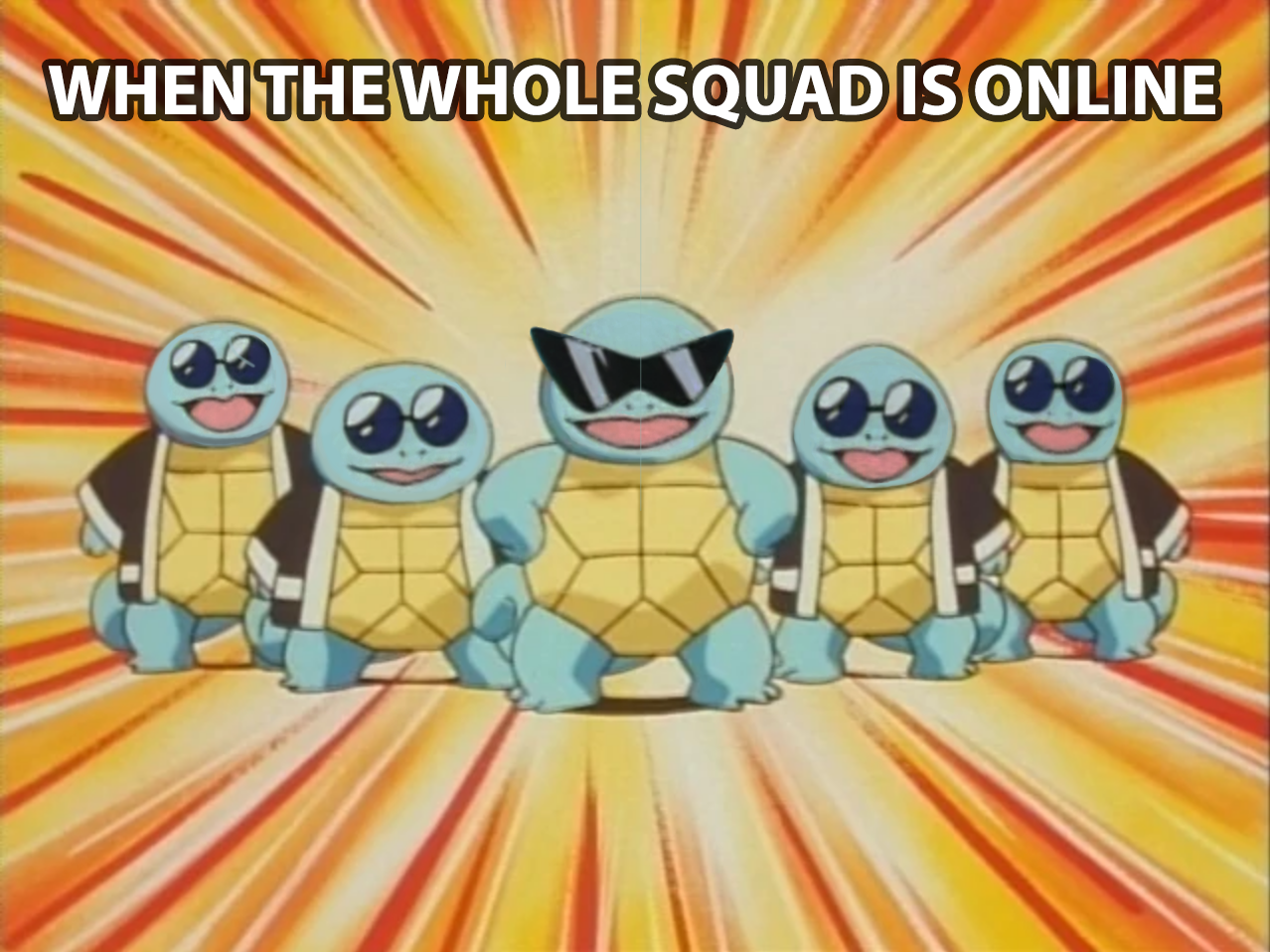
Small groups shine brightly and thrive.
 Risk warning
 Risk warning


Popular articles





