








In-depth analysis of the trends and development of NFT pixel art
 Can the style of NFTs determine market value?
Article: @TraFinity Labs @AIO Labs
Authors: @Luna.F @Irislaohu
It is said that trends are cyclical. As 2023 begins, some have noticed that the trend in the NFT space has returned to pixel art. Pixel art NFTs are firmly seated at the top of various popularity charts. Just like the basic styles in a woman's wardrobe that will never go out of fashion, the avatars made up of small squares seem to say: "What is classic will become eternal." This principle applies equally in Web3.
Currently, CryptoPunks are performing exceptionally well, hailed as "one of the pioneers in the NFT field," with the prices of popular NFTs skyrocketing to unprecedented heights.
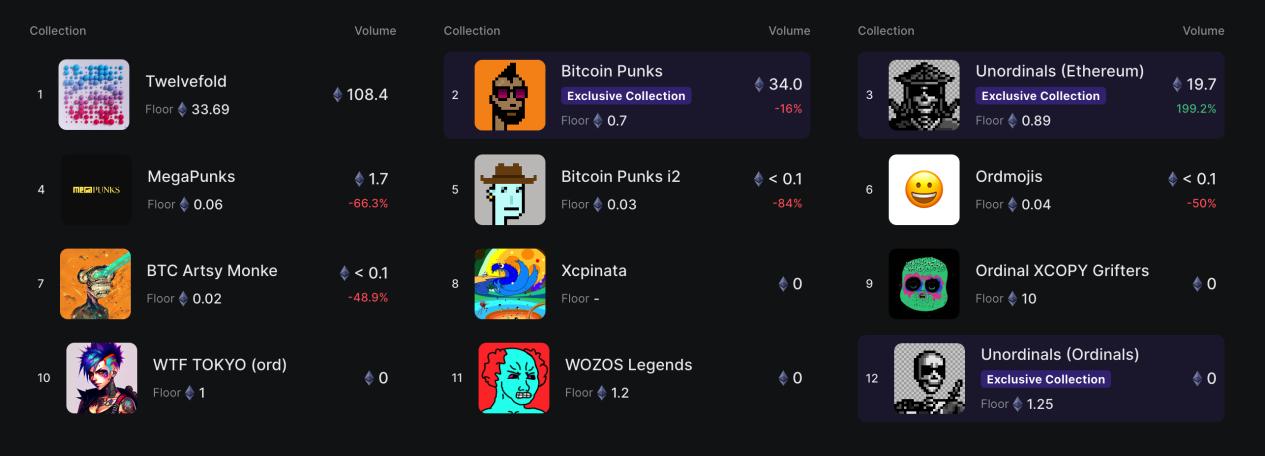
In the recently trending BTC NFT space, we see that pixel art NFTs occupy positions 30-35 among the top 64 NFTs, easily claiming half of the market share. (Data source: Ordinals.Market)
The Fascination Behind Pixel Art NFTs
In June 2017, the studio Larva Labs launched the pixel art NFT CryptoPunks, which was acquired by the parent company of "Bored Apes," Yuga Labs, in 2022. CryptoPunks can be considered the ancestor of NFTs. A total of 10,000 NFTs were issued, each representing a different "punk-style" pixel avatar. On the CryptoPunks website, each punk pixel avatar has its own profile displaying its attributes, ownership, and sale status. Among them, #3100 and #7804 were both sold for 4,200 ETH on March 11, 2022, which, based on the ETH price at that time, amounted to approximately $75.66 million. CryptoPunks #5822 was sold in February for a record-breaking price of 8,000 ETH.
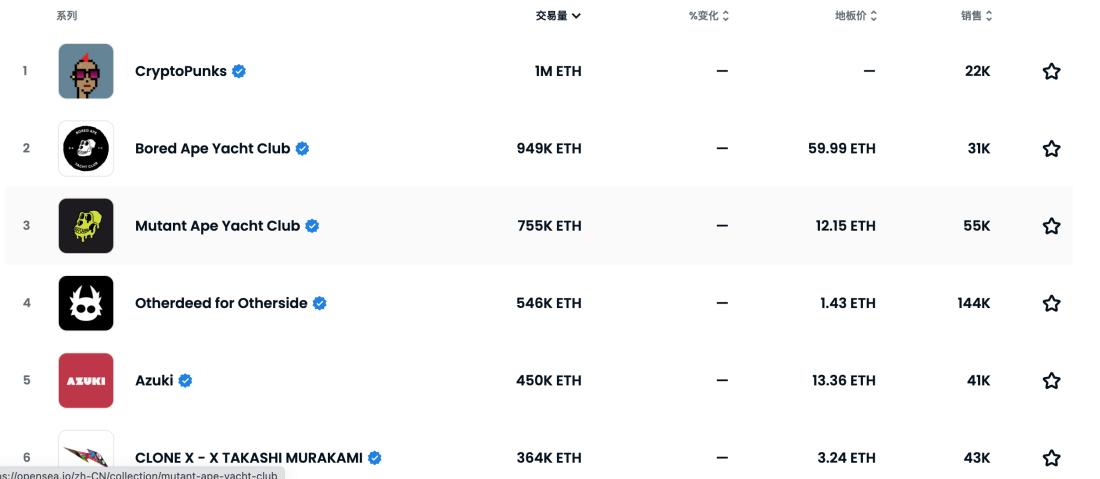
From the moment CryptoPunks became the first NFT to gain widespread admiration from players, pixel art has become one of the genes of NFTs, quickly turned into a template by profit-seekers. CryptoPunks have conquered today's NFT market. In the nearly two years that followed, various pixel art NFTs emerged, including Worldwide Webb, CyberKongz, Yubo Randos, Meebits, ApeGang, and BitCats. The number and market value of pixel art NFT digital artworks have been continuously increasing. As of now, pixel art NFT digital artworks rank among the top in quantity and market value in many NFT markets, becoming an important category in the NFT market. Amidst the waves of the NFT field, pixel art NFTs have expanded a new narrative in Web3.
When purchasing pixel art NFTs, what exactly are users buying? It is the buyer's recognition and obsession with the value of the pixel style in NFTs, as well as a high appreciation for the artistry of the NFT market. Digital art differs from physical art forms; the high-priced pursuit in the market resembles a shout of performance art.
In the book "The Value of Art: Money, Power, Beauty," it is mentioned: "If you pick any period in history, you will find that contemporary taste is collectively determined by traders, collectors, critics, and curators in the art world."
The emergence of digital art has enriched the presentation forms of artworks. Some users have seen the value of digital art, and people's value carriers have found a new breakthrough.
The Cohesive Power of Pixel Art NFTs
"The game 'Wanderlust: Travel Stories' developed by PLAYING CHUCKLEFISH gives me a sense of returning home; for me, this experience is unprecedented. After its first reveal in 2018, I was immediately attracted by its Zelda-style adventure elements, colorful narratives, and complex character relationships. But most importantly, the stunning scenes and high-precision environments built by pixel art left me in awe," said pixel artist Extremely OK Games in an interview about the charm of pixel art.
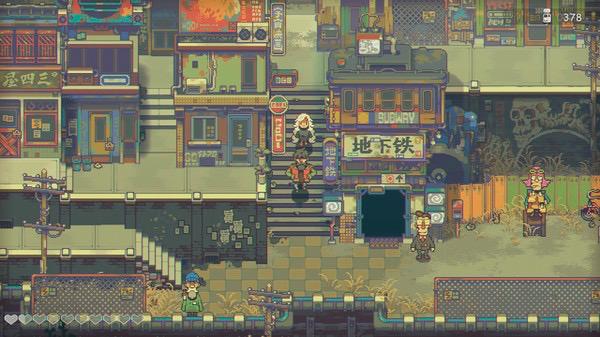
Pixel art is a category of art within NFTs, which essentially serves as proof of ownership and possession. The New Yorker made a vivid analogy about the relationship between NFTs and artworks: For artworks, the function of NFTs is similar to how museums label the provenance of artworks, stamping them with exclusive seals, which can then continue to circulate freely on the internet. The online stamp of NFTs gives them market liquidity while also possessing social identity label attributes.
The social symbols of pixel art have strong cyberpunk characteristics, while also constructing a unique aesthetic of crypto art. When people purchase pixel art NFTs, they are also paying for the attributes they represent. Some investors believe in the appreciation potential of pixel art NFTs, while some players are addicted to the experiences brought by pixel art NFTs: when they own pixel art NFTs, they can flaunt their avant-garde and futuristic sense. The unique style of NFTs maximizes the attributes of social currency, which refers to using traits that people are eager to share with others to shape their products or ideas, thereby achieving word-of-mouth dissemination.
The American marketing consulting firm Vivaldi Partners has categorized social currency into six dimensions: Belonging, Communication, Identity, Value, Advocacy, and Information and Knowledge Exchange. As a topic of conversation in social contexts, NFTs constitute a "high-scoring product" across these six dimensions, naturally achieving "viral" status within the community. The best-selling book "Contagious" discusses that the value of social currency lies in the fact that just as people can use money to buy goods or services, using social currency can garner more praise and positive impressions from family, friends, and colleagues. For people, owning pixel art NFTs adds labels to their persona: cyberpunk, high value, futurism, rarity, and more. This extreme appeal of conversation creates a phenomenal social wave, encouraging more people to participate willingly.

Figure: Six Dimensions of Social Currency
At the same time, the financial liquidity and unique categorization of NFTs have formed a new community force among a large number of interested individuals, with pixel art leading the way. In the new generation of the internet, people's demand for a sense of belonging is increasing, and the collectible value of pixel art NFTs allows them to be transferred as social goods. The uniqueness of NFTs gives owners a sense of unique identity recognition. Those who possess similar NFTs quickly form communities, seeking recognition within the community, advocating for their favorite NFTs, finding shared circles, and exchanging relevant knowledge and information: "I own a rare cyberpunk NFT, and I also have the membership qualification of the OG club in the NFT field." This elevates the social currency value of pixel art NFTs, attracting a large number of interested individuals to invest.
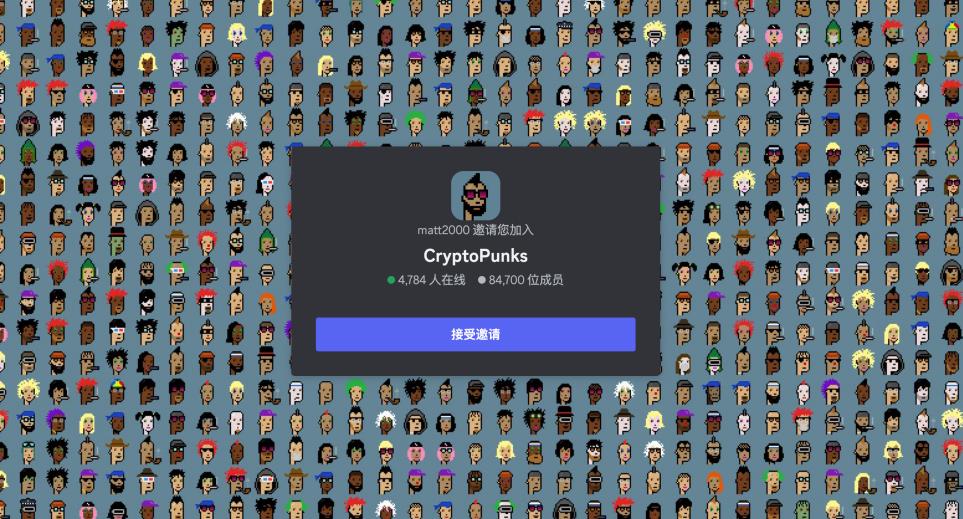
Number of CryptoPunks community members
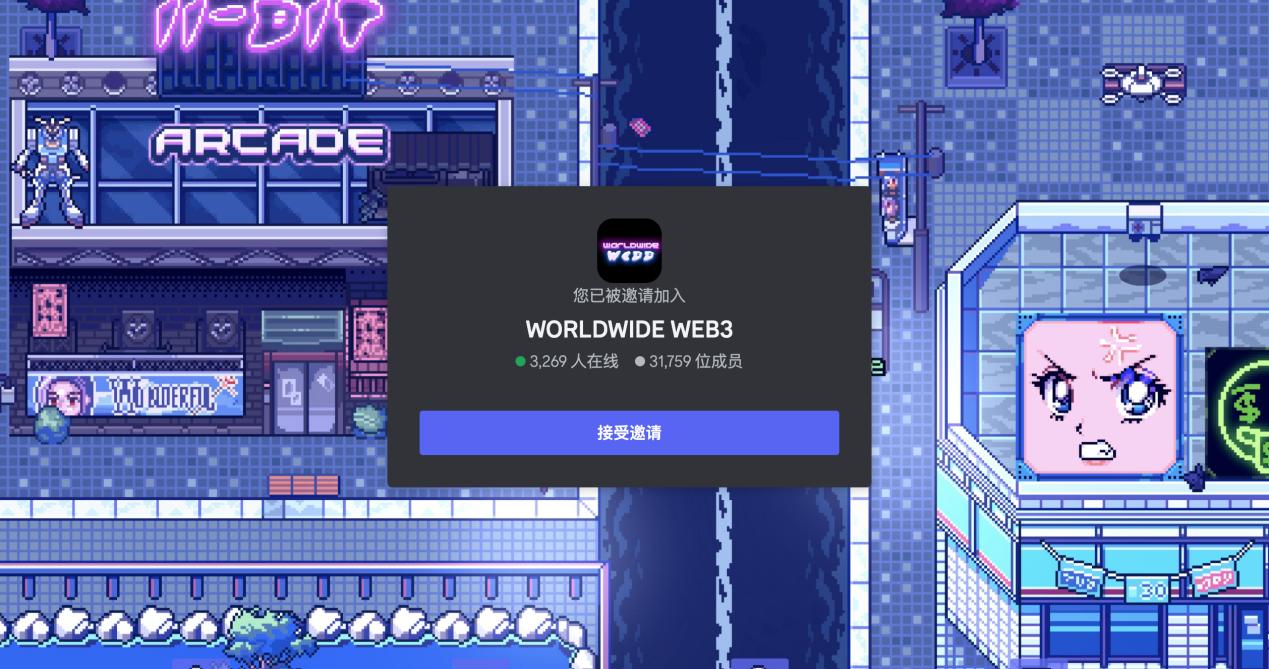
Number of Worldwide Web3 community members
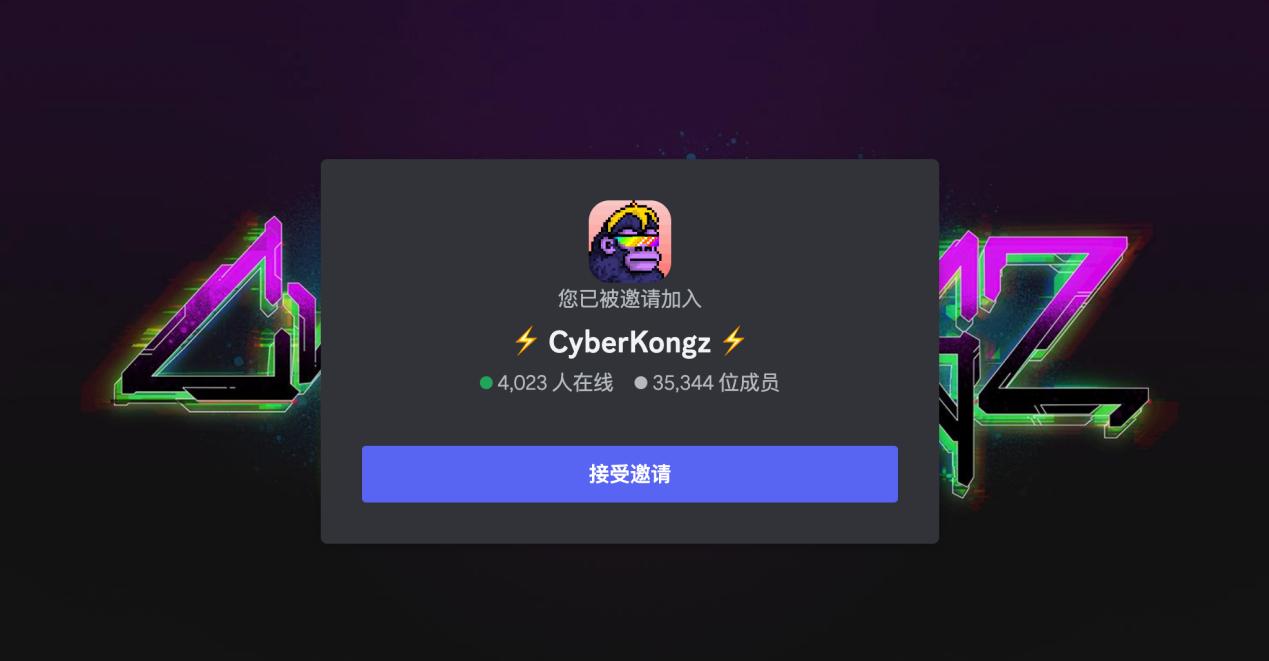
Number of CyberKongz community members
A Glimpse into the Counter-Cultural Attitude Behind Pixel Art
In the late 1990s, pixel art gradually became synonymous with "rough" and "stiff" in the gaming world, losing favor. However, pixel art was not eliminated; instead, it became a unique style and cultural symbol. The reason lies in the fact that pixel art itself uses simple elements to express thematic content, possessing infinite creative space, and its artistic style is distinctive. Pixel art does not convey information through realism; on the contrary, the simple and clean visual effects of pixel art can effectively reduce visual information overload, thereby improving the efficiency of information transmission.
Pixel art can be considered pixelated because it steps back into retro while stepping forward into trend. In 2017, Matt Hall and John Watkinson, founders of the software company Larva Labs, developed a program capable of generating thousands of random characters that did not conform to the mainstream aesthetic of the time. Soon after, Larva Labs launched what we now know as CryptoPunks—a collection of artistic images made up of irregular pixels. Among these pixel images, there are not only human figures but also several green-skinned zombies, long-haired apes, and blue-skinned aliens, all adorned with personality-defining accessories.
The two founders candidly stated that the inspiration for CryptoPunks came from the London punk spirit: "They (these figures) had to be a bunch of misfits and nonconformists. The punk movement in 1970s London felt like the right aesthetic, influenced by the dystopian cyberpunk spirit represented by the film 'Blade Runner' and William Gibson's novel 'Neuromancer'." In their view, the early blockchain movement had a noisy anti-establishment spirit, which was precisely the atmosphere they wanted to reflect in the punk exterior.
Due to the characteristics of pixel art, the facial details of pixel art NFT characters are blurred, only the outlines are visible, filled with a constrained sense of futurism. The high-saturation vibrant colors drape NFTs in a punk exterior. The stereotype of low resolution in pixel art has long been discarded; players see a more open interpretative space behind the limited visual resources. Artists depict scenes through limitations and simplifications, conveying emotions and thoughts through pixel units, opposing works that overly emphasize visual quality yet are hollow. Abstraction and symbolism are common points of pixel art NFTs, as well as attitudes pursued by Web3 players.
Previously, there were many voices claiming that "pixel art is dead," yet in today's NFT world, there are still numerous artists striving to create near-perfect pixel works, and the emergence of one pixel NFT after another is the strongest rebuttal to the aforementioned viewpoint. Many pixel art NFT projects, each with their own interpretations, have swept through the Web3 world, continuously reinterpreting the classics with creativity and communicative power. People often question the uniqueness and value of pixel art NFTs. However, what CryptoPunks aim to express goes far beyond this—according to the founders, investing in NFTs like CryptoPunks allows everyone to express their true selves in this new art form.
Is the Return of Pixel Art in the NFT World Accidental or Inevitable?
Pixel art is a digital graphic drawn using the principle of pixel matrices, first appearing in video games in the 1980s. Due to the technological limitations of the time, game graphics could only be presented using rough small squares. Childhood memories like "The Legend of Zelda," "Super Mario," and "Contra" are representative games of pixel art, accompanying the growth of the 80s and 90s generations. Therefore, it is not difficult to understand why other styles find it hard to replace pixel art—the nostalgia factor.
Russian-American scholar Svetlana Boym wrote in "The Future of Nostalgia," "There is a global trend of nostalgia, with more and more people yearning for a sense of collective memory, desiring continuity in a fragmented world." In an era where social interaction is inseparable from Web3, the NFTs in one's wallet serve as business cards that open the doors to various communities, representing the holder's aesthetics and taste, and also serve as excellent conversation starters.
Pixel art undoubtedly carries the childhood memories of most holders— even for the post-00s who may not have much experience with the mosaic version of "Super Mario," "Minecraft" might be their favorite. You need not worry about whether the other party understands death metal, nor feel that the cute style would clash; pixel art has a unique advantage in quickly evoking shared memories among many. Familiar, carefree, and joyful, it seems to pull people back to a specific era, where, once the school bell rings, groups rush to the arcade, quickly engulfed in a mix of sweat and spicy snack aromas. The former hardware limitations have become tears of the times, while the preservation and continuation of pixel art prove that there will always be those who reminisce. Web3 provides us with a way to reminisce, so why can't we directly acknowledge that we just want to nostalgically relive our childhood?
Beyond nostalgia, pixel art can indeed quickly open up the market; creating various elements and accessories in NFT form using pixels is much easier than with other types. NFTs are limited in size and low in quality, which is why we often feel that NFTs themselves are pixelated. If the number of colors used in an image is reduced, the file size will also decrease, making the image more adaptable to various screen sizes and resolutions, effectively compatible with various devices.
Pixel art NFTs can be produced in just a few minutes, offering more flexibility in design, allowing artists to easily create a large number of unique NFT works. Consequently, compared to other types of NFTs, pixel art NFTs are usually priced lower, have a larger player base, and more controllable operational costs. This relative low price encourages more people to participate in the NFT market, contributing to the overall growth of the NFT market. Although the floor price of the popular project CryptoPunks is relatively high, it does not prevent a large number of players from flocking to pixel art.
However, it should be noted that pixel art is not as simple as we understand it to be "mosaic." Early pixel art was characterized by obvious jagged edges and a limited number of colors. Today's technology has long surpassed the limitations of resolution and color count, and diverse painting forms have made the definition of pixel art more flexible and free. This means that artists need to carefully consider the arrangement of pixel units, maximizing the function of each pixel unit while utilizing aesthetic factors such as shape, composition, and color within a limited canvas. What appears to be simple NFT pixel works actually contain years of accumulated skills and experience from the artists. At this point, don't you think acquiring NFTs is a pretty good investment?
The colors presented in early pixel art were limited by the RGB color display of video game screens, with color choices restricted to 56. Therefore, game developers typically chose combinations of high-saturation primary colors, low-saturation transitional colors, and shadows. The most common combinations were red-green clashes with blue-yellow clashes, providing players with a strong visual impact that stimulated the brain to release exciting and pleasurable dopamine. Later pixel art forms, such as bead art, cross-stitching, and LEGO, continued to follow this color rule, and pixel NFTs are no exception. The visual tension of pixel art NFTs can evoke feelings of excitement and curiosity in users (and of course, remind them of the joy of playing games in their childhood), making them stand out among the rows of avatars on hot charts.
Looking at History, Can NFT Styles Determine Market Value?
At the inception of CryptoPunks, Larva Labs retained 1,000 of the NFTs in the project, while the remaining 9,000 NFTs were distributed for free to users with Ethereum wallets.
The subsequent market for CryptoPunks was almost hyped to astronomical prices, with collectibles gradually circulating into the hands of whales. The top five holders of CryptoPunks are primarily original collectors, who still own 14% of the total CryptoPunks.
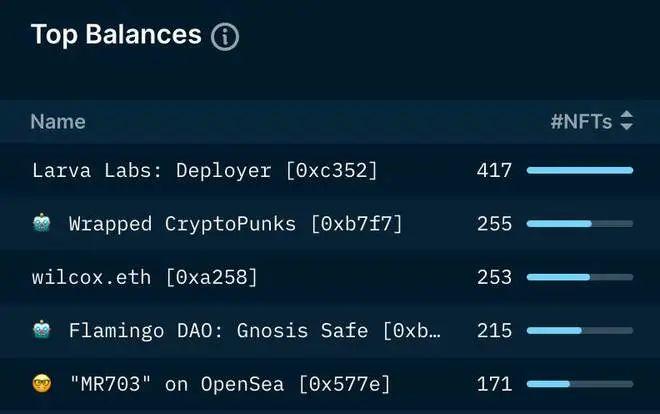
Top 5 Collectors of CryptoPunks
As time goes on, the evolution of NFT collectors' transactions also indicates that the proportion of transactions by "legendary NFT collectors" in the total transaction volume is decreasing (in terms of ERC721 token transactions, legendary collectors refer to the top 0.1% of collectors).
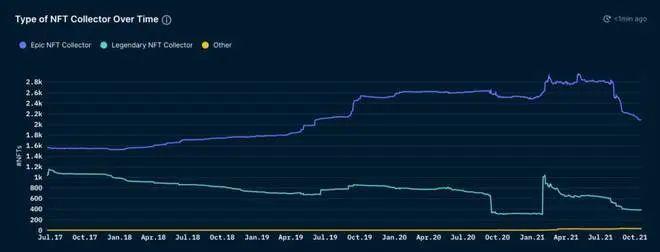
Changes in the Types of NFT Collectors Purchasing CryptoPunks Over Time
The gameplay of whales has spawned more behind-the-scenes operations and insider trading; the number of wallets does not represent the actual number of players. The authenticity of buyers and sellers and the flow of funds may become a financial game, and a market with high-priced circulation is certainly not a realm for ordinary people. Artistic style cannot avoid being entangled and controlled by financial power; the hype mechanism causes transactions in the market to be a mix of truth and falsehood. After Beeple's "One Auction, One Fame," media reports revealed that the buyer was Meta Kovan, the founder of Metapurse. Metapurse led the issuance of the token B.20 associated with Beeple. Meanwhile, the same buyer, identified as metakovan, participated in Beeple's auction in December 2020 with 11 different wallet names.
NFT Artworks—A Carnival Game from the Top of the Pyramid?
On the other hand, with the participation of more artists and creative teams, the NFT market has become more diversified. Various popular NFT styles, such as CLONE X, Prime Ape Planet, NFT Bored Bunny, and HAPE, are far removed from pixel art.
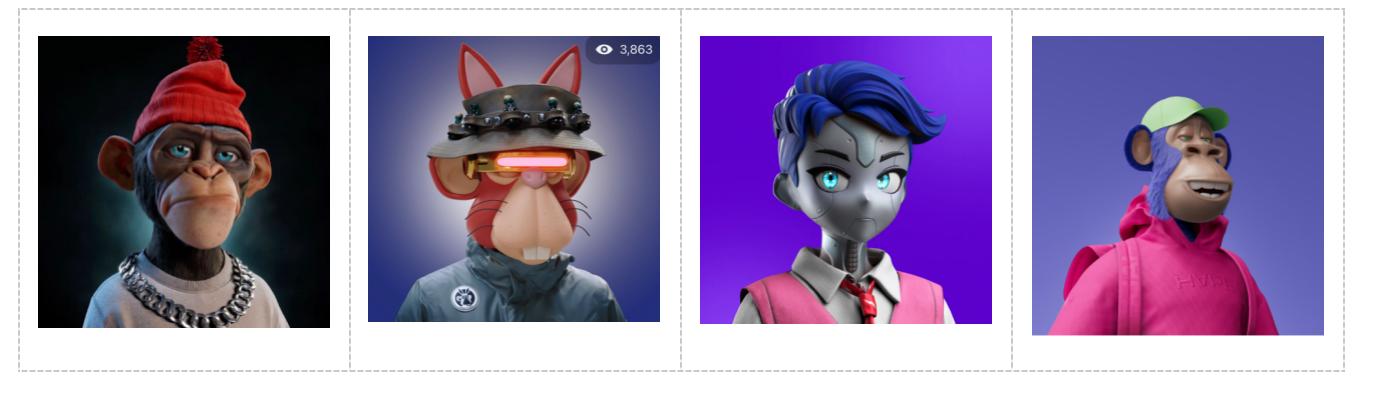
The rapid entry of refined images and 3D technology has led to an explosion of diversity in the NFT market. Mainstream artists have begun to join the NFT space, and digital art is gradually paralleling the market. With the addition of various artistic styles in the market, the artistic styles and even the artistic systems of the NFT market will evolve and explode in diversity. Not only visual art, but also various forms such as video and music are entering the NFT market.
Beyond the Popularity of Pixel Art
Art is a constantly evolving medium that explores new corners of human experience and imagination based on past foundations as new styles and technologies emerge. Just as mosaics and stained glass led to LCD watches and Pong, past pixel art is influencing today's creators, laying new foundations for the future of gaming. "From ancient Greek and Roman mosaics to stained glass, to cross-stitching, weaving, and bead art, to dot matrix printing on public transport buses or rice cookers and cheap LCD displays," described Christina-Antoinette Neofotistou, a pixel artist with decades of experience, "the placement of discrete points on a grid indicates that images will not disappear quickly."
For creators, the popularity of art is like a sudden east wind; riding this wind may break through the limitations of early circles and tear open a corner of the real world. However, as more forces enter the field, crypto art cannot provide the ideal completely decentralized and fair market; its financial attributes make it inseparable from the gaze of whales. In the future, whether more styles and gameplay of NFTs can provide diverse answers remains to be seen, but we believe there will be more imaginative space.
Reference:
- https://postergrind.com/why-are-so-many-nfts-pixelated/
- https://www.wired.com/story/modern-pixel-art-games/?mbid=socialtwitter\&utmbrand=wired\&utmmedium=social\&utmsocial-type=owned\&utm_source=twitter
- https://www.bricktownworld.com/en-us/blogs/the-bricktown-blog/the-role-of-pixel-art-in-the-expansion-of-nfts
- https://ishare.ifeng.com/c/s/v002-ljXmEMPkYrPSa1--izFR2gs5KgB--bX3S-oohVnB65Jc__
- https://new.qq.com/rain/a/20220323A01ST200
- https://zhuanlan.zhihu.com/p/498363713
- https://www.digitaling.com/articles/338316.html
- https://www.business2community.com/nft/CryptoPunks
 Risk warning
 Risk warning
Popular articles





