Musk reignites the meme craze; what is behind the rise of memes?
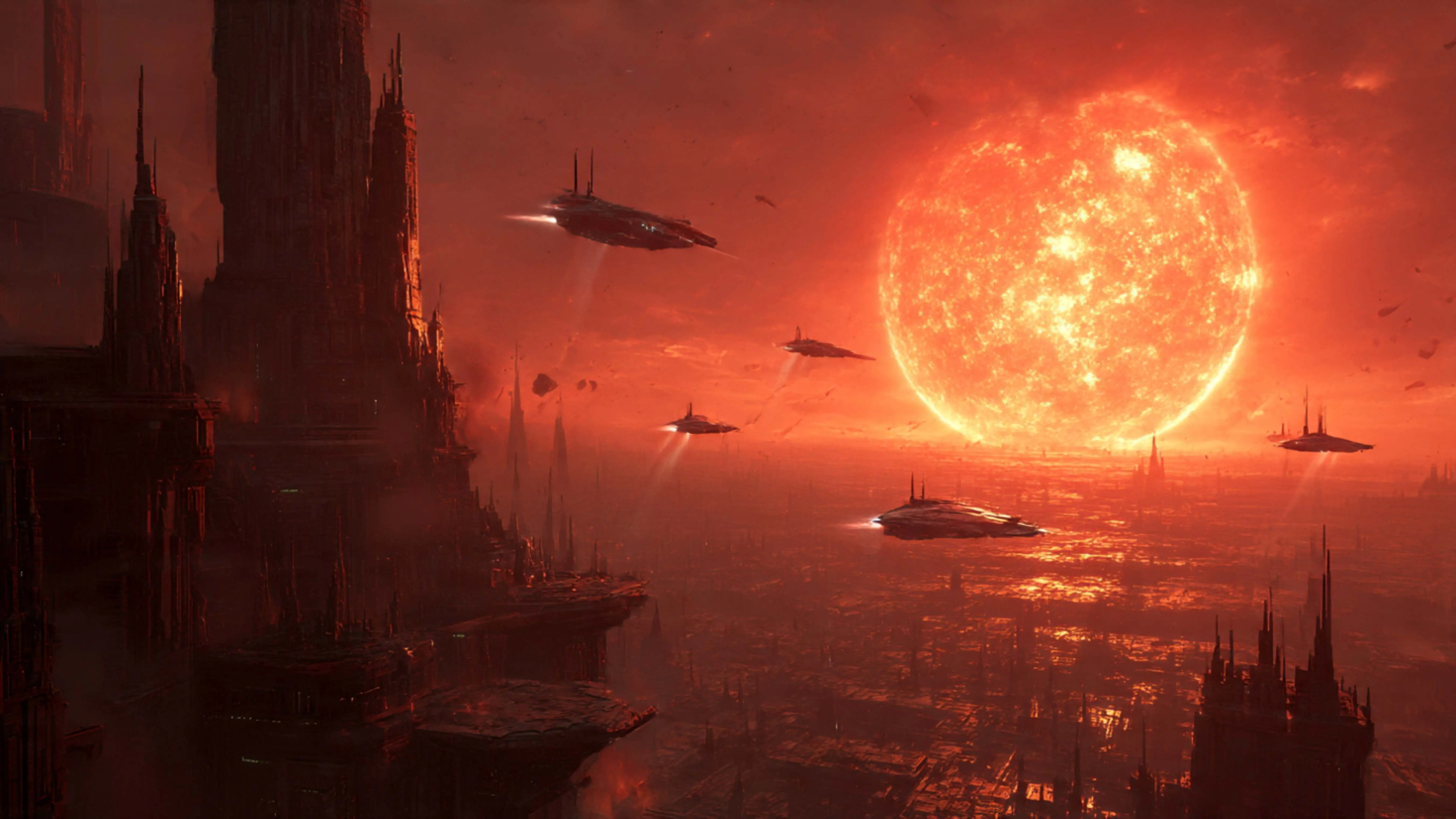
 Who controls the meme controls the universe.
Written by: Day
Recently, with the help of Musk's Twitter, meme assets like Troll and Zuzalu have seen a surge in popularity. So, what exactly is a meme? Why are meme assets so sought after? How should we view meme assets?

What are meme assets
The term "meme" originates from Dawkins' book "The Selfish Gene," referring to the basic units of human culture. It can take various forms of information, ideas, or behaviors that are transmitted between people through imitation and dissemination. "Meme" aims to convey specific phenomena, themes, or meanings and resonates within society. With the development of the internet, today's "meme" is not limited to traditional text or images but also includes digital forms like Tokens and NFTs.
These "memes" spread rapidly, widely, and entertainingly through social media and the web, becoming an essential part of internet culture and pop culture. They can express people's emotions, opinions, humor, and satire while also reflecting current social trends and cultural phenomena.

The core concept and appeal of meme assets come from meme culture. Meme assets attract investors' attention by using humorous and entertaining meme images, concepts, or ideas. They serve as a social infrastructure, rapidly spreading within the industry through community promotion and viral dissemination. The uniqueness of meme assets lies in their community-driven nature, which allows for fair distribution compared to institutional coins. Community members actively participate in and promote the development of meme assets, and the success of meme assets is closely related to the level of community engagement.
Why are meme assets so popular
The blockchain industry has evolved significantly and is no longer in the chaotic phase it was a few years ago. In the past, if you worked on multiple projects, investors would view that as a lack of focus and reliability. Now, the opposite is true; launching a new project is seen as a positive because it is backed by previous projects, making it more credible, and everyone has a better understanding of the relevant situation, often referred to as an ecosystem.
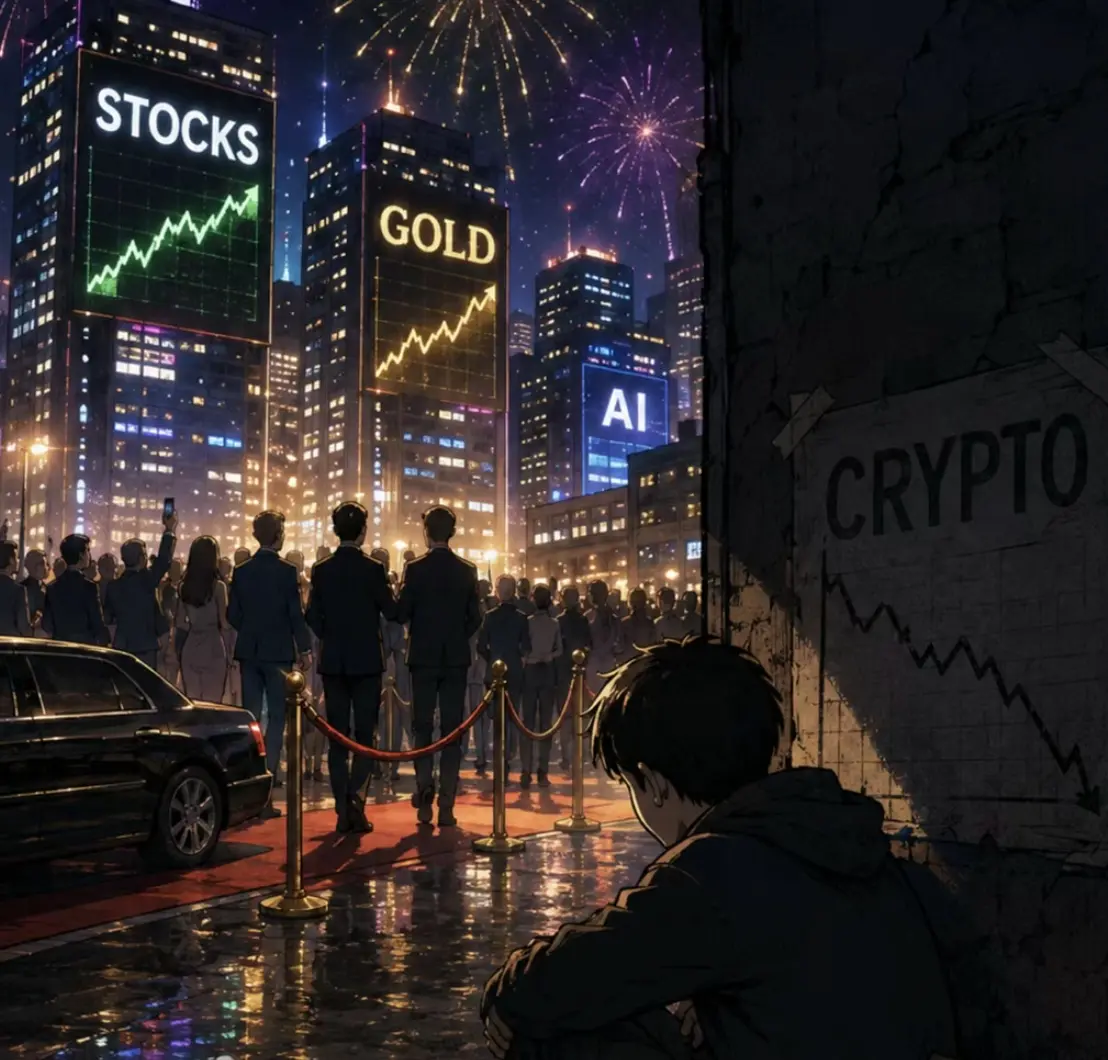
In this environment, the industry has become dominated by giants, with complex relationships. Early-stage institutions have gradually grown into behemoths, with numerous interests intertwined. If you lack a background or resources, no one will pay attention to you; retail investors won't understand you, and institutions certainly won't trust you. The same product can have a completely different reception depending on whether it has institutional backing. For example, if well-known institutions like Paradigm or Binance invest in you, even if the product is subpar, people will still flock to it. After all, institutional backing means they have resources and connections, while a product without any backing has nothing to compete with them.

Some leading institutions have launched various assembly line projects, with total market capitalizations reaching tens or even hundreds of billions of dollars (note that projects valued over a billion dollars in the Web2 world are called unicorns). Under the pressure of large-cap, low-circulation projects, the market cap of quality projects continues to grow, but their prices remain stagnant. Ordinary investors are left with nothing, becoming the last ones to take the hit.
In this environment, meme assets have replaced the altcoins of a few years ago, becoming an essential part of the industry from the bottom up. The rise of meme assets can be seen as inevitable, closely linked to the retail investors' anti-VC movement. The emergence of BRC20 assets this year is partly due to the Bitcoin ecosystem and partly because the project tokens are relatively dispersed, representing "fair distribution," preventing any single institution from monopolizing profits. This profit is shared among retail investors, creating a wealth effect that fuels the hype.
Meme Godfather Musk
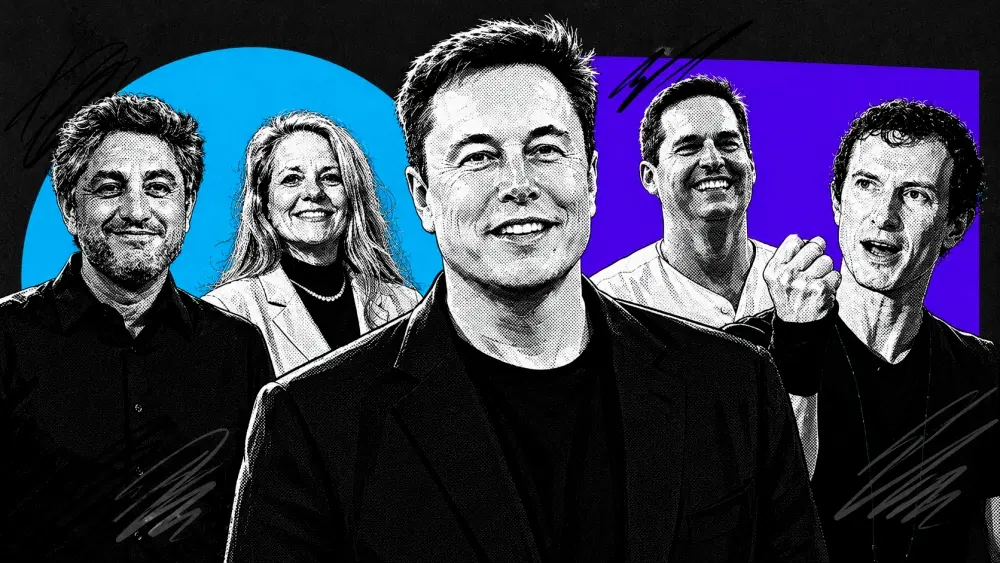
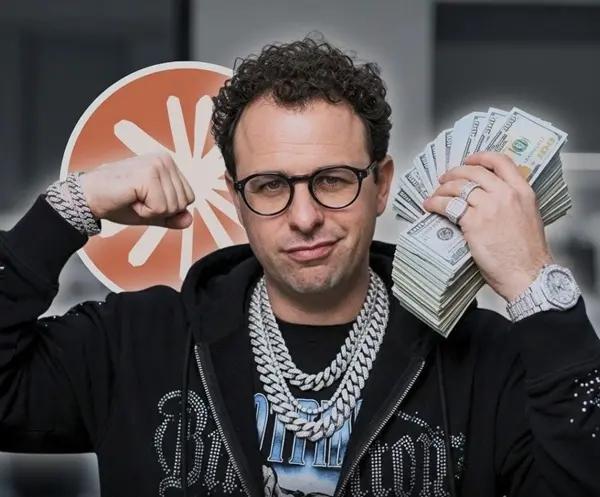
To understand the development of memes, one cannot overlook Musk. Musk has a close relationship with memes. It can be said that the current development of the leading meme coin, Dogecoin, is inseparable from Musk's promotion. He has publicly supported Dogecoin multiple times, and each of his tweets sparks widespread discussion and attention. Since Dogecoin skyrocketed into the top ten by market cap during the last bull market, Musk's reputation and influence in the blockchain industry have reached their peak. A single tweet from him can cause significant fluctuations in meme prices, sometimes even triggering market frenzy. His frequent tweets related to cryptocurrencies and memecoins have made him a key figure of interest among retail investors.

Translation: "Who controls the meme, controls the universe" - Frank "Tank" Herbert
Currently, Musk's Twitter has nearly 169 million followers, and a small portion of them monitor his tweets 24/7 to discover on-chain projects or create meme tokens in bulk. With each tweet he posts or any changes to his Twitter settings, several dog coins named after his tweets can emerge on-chain (mainly on Ethereum) within just a minute or two. Some with special significance or frequently mentioned by him can see their project market caps soar from tens of dollars to tens of millions or even hundreds of millions within just a few days, with notable examples being Q*, grok, and the recent troll.
Of course, these memecoins are highly dependent on Musk; one can look at their historical trends, most of which are short-lived unless Musk mentions them again. Before the BRC20 explosion last year, most people preferred to play on Ethereum, and Musk's Twitter was one of their primary focuses, even delving into why he made certain posts and their background.
Those who want to become Musk
Recently, as industry interest has surged, many project founders have begun to promote their projects, and they are all focused on memes, emphasizing hype. Here are a few well-known examples; following their Twitter accounts can provide insights into the characteristics of memecoins.
1) Matt Furie: The creator of Pepe, last year's hottest meme was likely Pepe and the later rising Bonk, both of which surpassed a market cap of over $1 billion at their peak. Pepe leveraged the highly popular Sad Frog image and excellent team marketing to quickly elevate Pepe to prominence.
The creator of Pepe has gained attention in this context; at one point in mid-2023, whenever he changed his avatar, signature, or tweeted, related memecoins would appear on-chain shortly after. Some would see their market cap soar from tens of thousands to tens of millions, such as dorkl and fine. However, due to him promoting too many projects, the profit effect diminished, leading to a decrease in influence, although he still occasionally promotes some projects.
2) Toly: Solana's founder Anatoly, last year's strong performance of SOL led to increased focus on the development of its ecosystem. The first dog coin of the Solana ecosystem, Bonk, rose in this context, while the memecoin Silly is a meme project that Solana's founder Anatoly has repeatedly supported on Twitter. At the Solana Breakpoint conference, Anatoly appeared in a dragon costume, igniting interest in Silly. Additionally, the traffic from SOL itself made Anatoly's Twitter retweets highly followed.
3) Sandeep Nailwal: The founder of Polygon, after Silly gained traction, the Polygon chain also launched the memecoin Pory. On the day of its release, Polygon's founder Sandeep retweeted the content, and Pory's market cap peaked at over $40 million that day. Subsequently, several Polygon officials publicly supported it, but the price has recently seen a significant correction, dropping to just a few million.
In addition to these, there are also Coq, Bear from the AVAX chain, and the inscription market, where AVAX officials or related personnel have publicly expressed support, leading to a short-term influx of investors FOMOing in. Recently, projects like Lup and Bake have begun to take the stage themselves.
It can be seen that most meme assets are characterized by short-term hype; after a wave of popularity, they often cool down quickly, with few able to sustain themselves. If there is no continuous "stirring" ability, it is easy to become a one-hit wonder, with later entrants picking up the pieces left by predecessors. Most of the individuals involved have a certain level of attention and purposefully promote projects.
Factors that can lead to explosive popularity
Meme assets emphasize the concept itself more than strong technology or financial systems, which is why the threshold for issuing meme assets is low; this is both an advantage and a disadvantage, as anyone can create them, leading to many projects but very few that succeed. Why do memes become popular? What factors are at play? Here are some reasons based on currently known projects, and additional insights are welcome.
1) Explosive popularity attracts outside users: Memecoins are inherently speculative, making marketing extremely important, and the best marketing is to enable people to make money. When people earn money, they will spread the word. If you ask some outsiders, they may not have heard of mainstream assets like ETH or BNB, but almost everyone knows about Dogecoin. The BRC20 hype is partly due to its backing by the Bitcoin ecosystem, and another crucial reason is that people are making money, leading to a rush of new entrants.
2) Simple and easy to understand: A classic example is "Bitcoin is gold, Litecoin is silver." Previously, Li mentioned that Litecoin gained popularity simply because of its good name. A catchy slogan can resonate deeply and save a lot of explanation.
3) Familiar and easily spread: This industry is very similar to the entertainment industry; having traffic means you've succeeded 80%. The Sad Frog image of Pepe is widely circulated, along with concepts from various well-known founders, Musk's influence, and BRC20's sats, piin, etc.
4) Innovation: Unique stories with innovative points, such as HarryPotterObamaSonic 10 Inu (Bitcoin), which combines elements of Harry Potter, Obama, and Sonic into an abstract memecoin, and aidoge, which was distributed 1:1 to Arbitrum users, as well as early distribution models like rats.
5) Fairness: Here, fairness is relative, referring to the initial distribution of tokens, where retail investors have the opportunity to acquire tokens at a low price. Most BRC20 assets fall into this category.
These are some characteristics of meme assets that have experienced explosive popularity. Everything revolves around the concept of traffic, but regardless, there are people behind the projects driving them forward.
Conclusion
While meme assets offer various high returns, only a few projects can truly succeed; most are short-term projects that cool down after a wave of hype, leaving later entrants to pick up the pieces. Only a handful of projects can genuinely thrive. Meme assets have become an important part of this industry, and understanding meme culture is crucial for tracking and in-depth research in the cryptocurrency sector.
 Risk warning Risk warning