Analysis: Treating the Israel-Palestine conflict as merely a short-term market fluctuation factor, one must be cautious in seizing the "buy on dips" opportunity
ChainCatcher news, economist Alex Krüger analyzed the recent Israel-Iran conflict, stating that this event is merely short-term market noise and will not trigger a new trend. Its impact is more akin to localized conflicts in 2024 rather than a full-scale war. The key issue is how to accurately judge the timing for "bottom fishing." He reviewed the market response timeline for 2024:
- April 12: Rumors spread, and the market declines for the first time.
- April 13: Iran launches missiles directly at Israel for the first time, and the market declines again.
- April 14 to 18: The market remains tense while waiting for Israel's retaliation.
- April 18: Israel retaliates with restrained attacks, avoiding strikes on major targets. The market soars. Both sides then indicate a pause, returning to covert operations.

 Risk warning Risk warning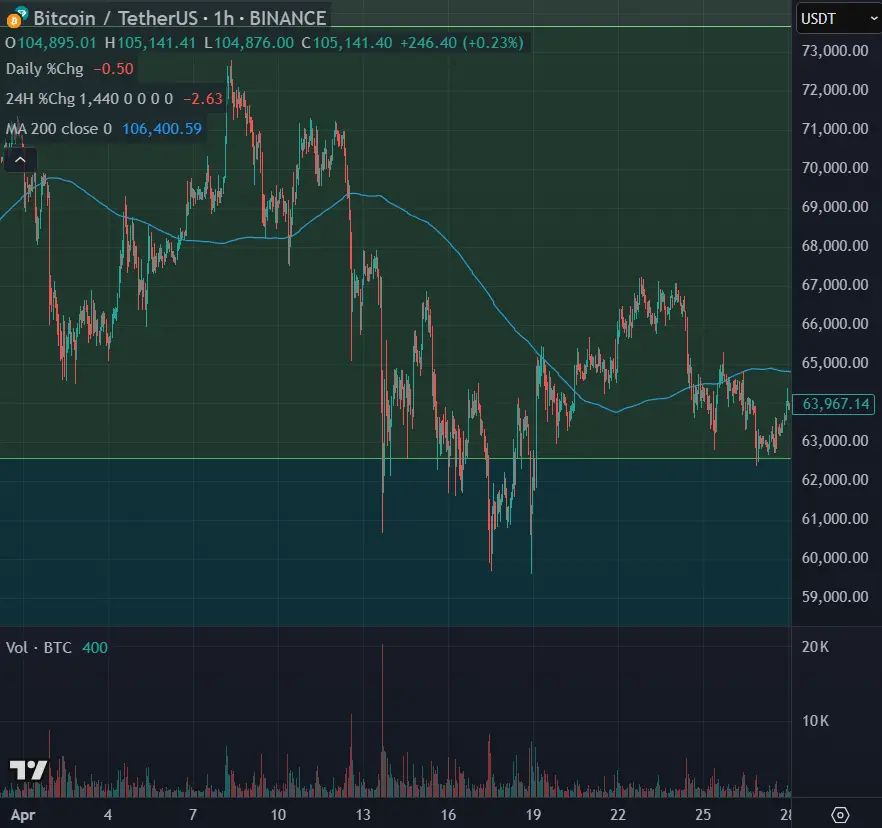
Related tags