








Seven Years of Grievances Hang Over: Trump "Pressures" Powell, What Will the Resignation Storm Bring?

 One wants to cut interest rates, while the other insists on not lowering them.
Author: Fairy, ChainCatcher
Editor: TB, ChainCatcher
"Can 'Renovation' Remove the Fed Chair?"
Trump has been "attacking" Powell since the election campaign, and now he is using the renovation controversy to "pressure" him. This seemingly absurd political drama is pushing global market sentiment to a critical point.
What kind of pressure is Powell under now? If he is indeed forced to resign, what kind of storm will it trigger?
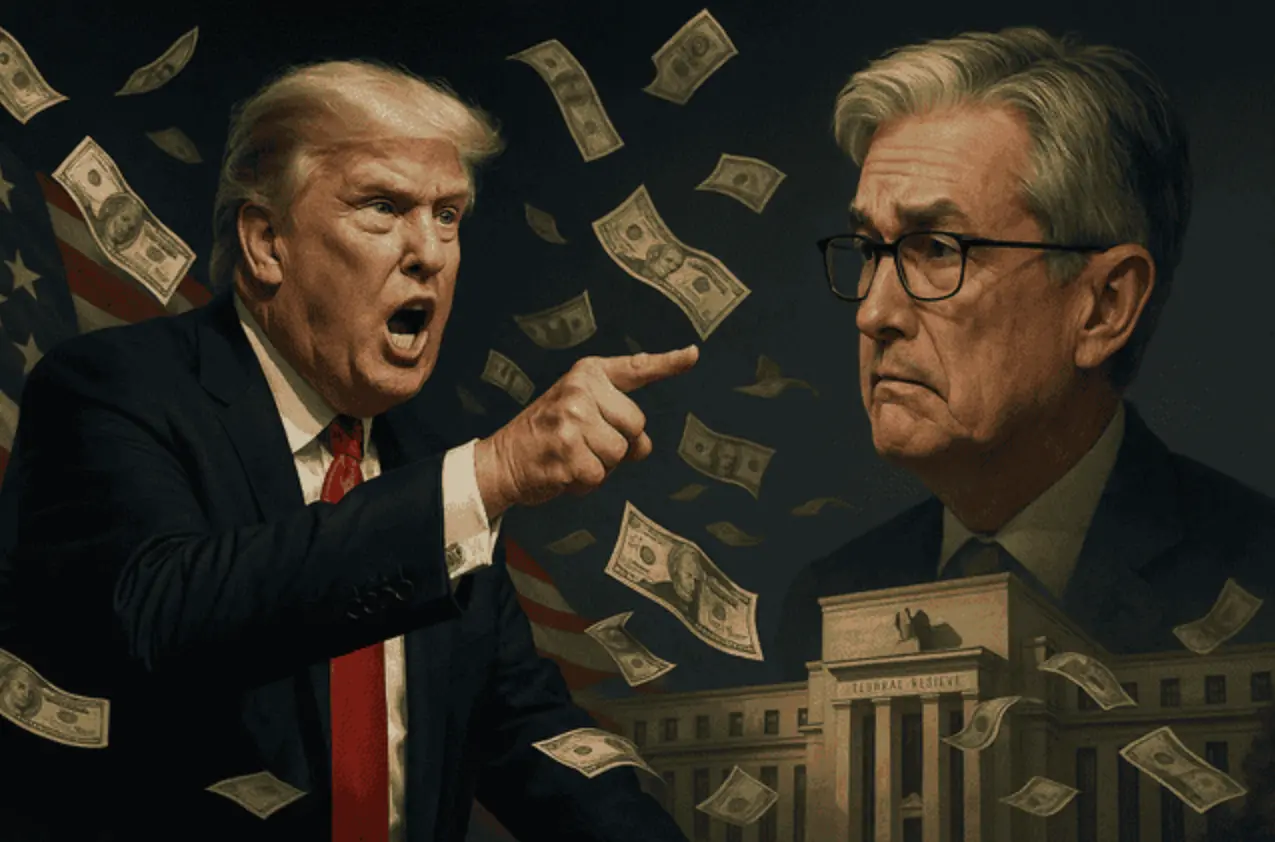
Trump and Powell: A Seven-Year Love-Hate Relationship
The conflict between Trump and Powell boils down to one thing: one wants to cut interest rates, while the other stubbornly refuses to do so. This core disagreement has kept them at an impasse since 2018.
Interestingly, Powell's appointment actually came from Trump's nomination. In February 2018, Powell officially took office as the Fed Chair, nominated by Trump. At that time, Trump hoped Powell would implement loose monetary policies to support economic growth.
In October 2018, Trump publicly criticized Powell for the first time, calling the Fed's rapid interest rate hikes the "biggest threat" and accusing Powell of being "crazy." Their conflict became public, and Trump continued to pressure Powell, leading to an ongoing war of words.
In 2022, Powell was nominated for reappointment by Biden, extending his term until May 2026. As the 2024 election year approached, the situation escalated further. Whether during the campaign or after winning, Trump has consistently criticized Powell for being "too slow to act and ineffective in cutting rates." In recent months, Trump has repeatedly called for Powell's resignation.
However, it is not easy for Trump to replace Powell. According to U.S. law, the president cannot dismiss the Fed Chair due to policy disagreements unless there is evidence of "illegal conduct or gross neglect of duty."
In July of this year, a real breakthrough occurred. The Trump team suddenly introduced a "new script": Trump requested Congress to investigate Powell on the grounds of "political bias" and "making false statements to Congress," accusing Powell of leading a major renovation project at the Fed headquarters that allegedly involved significant violations.
During this period, rumors surfaced that Powell was "considering resigning," causing the situation to rapidly escalate. Seven years of power struggle have reached a climax.
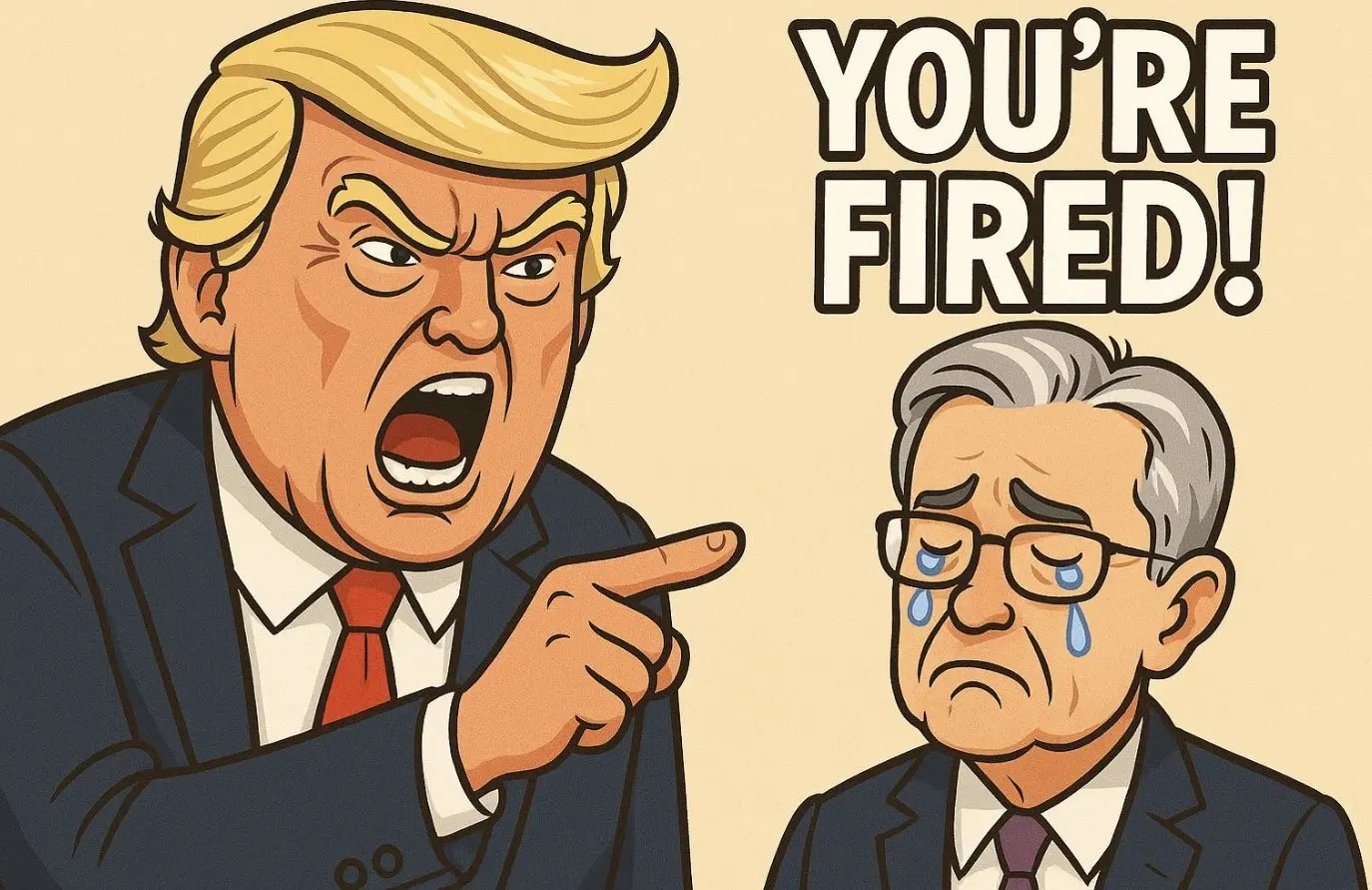
Policy Dilemma: Powell's "Monetary Hell"
Former Fed economist Robert Hetzel bluntly stated, "The Fed has been cornered."
Currently, Powell finds himself in a "hell" of monetary policy: on one hand, Trump's tariff policies may bring upward pressure on prices, while on the other hand, the labor market is showing signs of cooling. This dual threat poses a dilemma for Powell and the Fed's policy-making.
If the Fed cuts rates too early, it could lead to uncontrolled consumer inflation expectations; if it chooses to raise rates to stabilize inflation, it could trigger turmoil in the bond market, soaring interest rates, or even a "financial panic."
Beyond the economic predicament, he also faces intense political battles. However, in response to Trump's pressure, Powell has chosen to fight back. He requested the inspector general to continue reviewing the headquarters renovation project and, unusually, spoke out through the Fed's official website, detailing the reasons for rising costs and refuting the "luxurious renovation" accusations.
Caught between economic and political pressures, Powell is in a challenging moment in his career.

What Happens if Powell Resigns?
If Powell cannot withstand the pressure and steps down, the "pricing anchor" of the entire global financial market may loosen.
Deutsche Bank's global head of foreign exchange strategy, Saravelos, analyzed that if Trump forcibly removes Powell, the trade-weighted dollar index could plummet by 3%-4% within 24 hours, and the fixed income market could see a sell-off of 30-40 basis points. The dollar and bonds would carry a "persistent" risk premium, and investors might worry about the politicization of the Fed's currency swap agreements with other central banks.
Saravelos further pointed out, "What is even more concerning is the current fragile external financing situation of the U.S. economy, which could lead to more severe and destructive price volatility than we anticipate."
Additionally, a report from the strategist team at ING, including Padhraic Garvey, stated that the likelihood of Powell resigning early is "low," but if it happens, it would lead to a steepening of the U.S. Treasury yield curve, as investors would expect rate cuts, accelerating inflation, and weakened Fed independence. They also noted that this would create a "deadly combination" for dollar depreciation.
Crypto KOL Phyrex provided a more risk-asset perspective in his analysis. He stated that even if Trump successfully replaces Powell, he may not be able to "control" the Fed entirely. If inflation rises again, the new chair would ultimately have to return to a tightening path. If the Fed starts cutting rates in September while the economy is stable and unemployment is low, risk assets may receive a short-term boost, benefiting the crypto market as well. However, current rates are still at 4.5%, and there is still "a lot" of liquidity to be released.
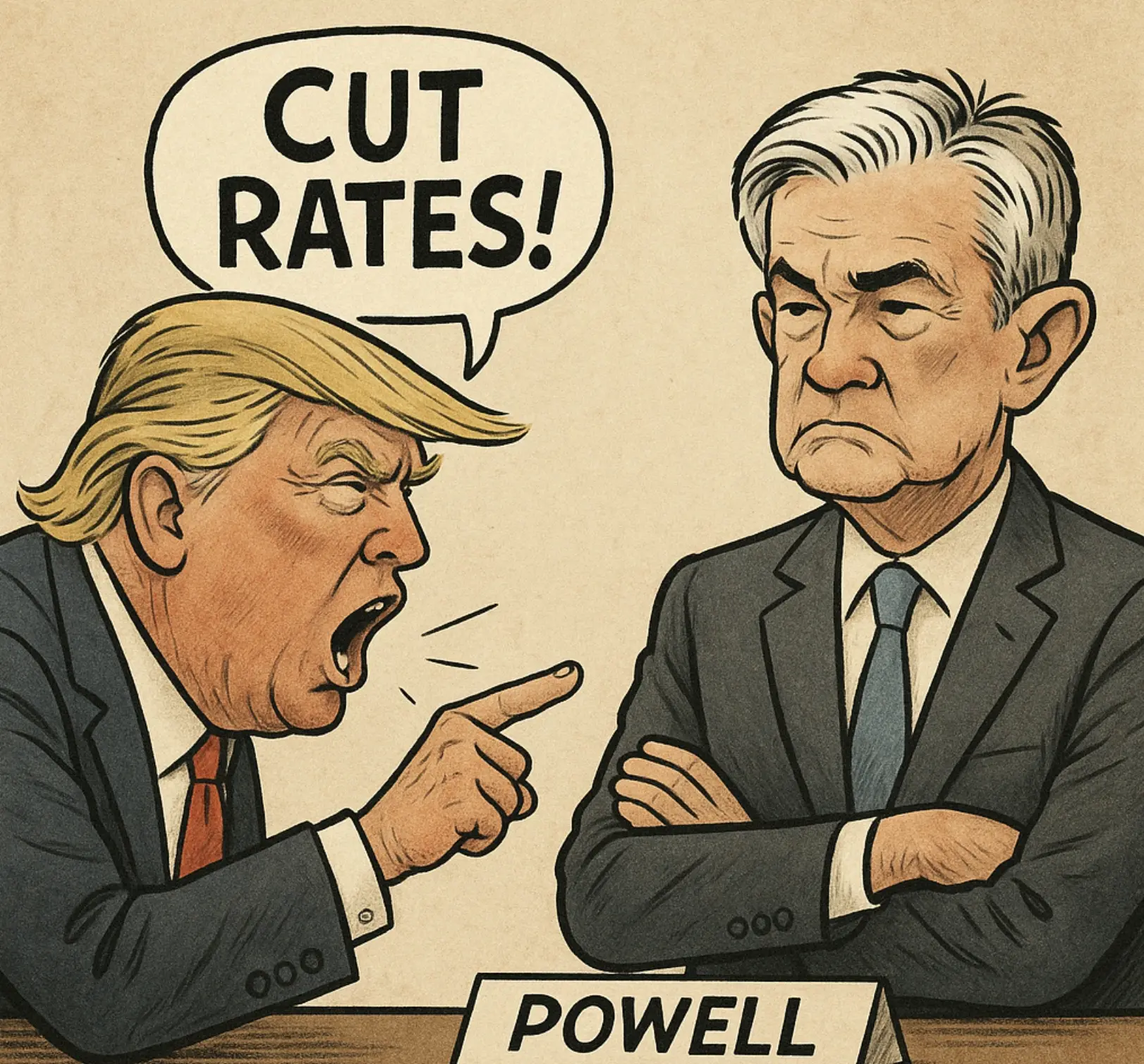
A slight shift in Powell's position could cause market turbulence. This is not just a game of monetary policy but a struggle for power and independence.
Recommended Reading:
U.S. stocks tumble, Bitcoin plummets: Did Musk and Trump "curse" up a financial tsunami?
 Risk warning
 Risk warning


Popular articles





