








Abandoning the payment leader Wise, what future did Peter Thiel see?

 More than a decade ago, the bet on Wise was because it could enhance efficiency in the gaps of the traditional financial system; now, the bet on Crypto is because it aims to fundamentally reconstruct a financial system.
Author: Sleepy.txt, Dongcha Beating
Editor: Kaori
In a sense, the previous generation of FinTech may have already died.
In early July, Valar Ventures, the venture capital firm founded by Silicon Valley's top angel investor Peter Thiel, sold off its 4.8 million shares of Wise at a transaction price of £10.30, totaling nearly £50 million. This venture capital firm was one of Wise's earliest and most core supporters, participating in early investments since 2013 and accompanying Wise through a complete entrepreneurial cycle until its listing on the London Stock Exchange in 2021.
Now, this relationship has ended with a quiet transaction.
This is certainly not a hasty exit, nor is it merely a cash-out after book profits.
Many decisions in the financial world do not immediately reveal their significance. Whether it is investment or exit, the signs may not be apparent at the time, but looking back, a clear path can always be pieced together; those choices have long pointed to another future.
Peter Thiel and his fund Valar Ventures are among the most radical believers in FinTech. They believe that the gaps in the banking system hide overlooked efficiency dividends, and they bet on entrepreneurs who attempt to bypass regulation and reshape payment paths with technology. These companies have risen in the crevices of the times, telling one story after another that challenges the traditional order.
But every technological revolution will eventually age. Paths are replicated, growth stabilizes, and the initial rebels begin to conform. And the bettors are often the first to notice this change.
To truly understand the significance of this exit, one must return to twelve years ago when Peter Thiel decided to bet on Wise. At that time, the banking system was still slowly recovering from the 2008 financial crisis, while a group of self-proclaimed "hacker spirit" entrepreneurs was trying to break through the closed barriers of traditional finance with technology.
Peter Thiel was among the earliest believers in them.
I. From TransferWise to Wise: The Golden Decade of FinTech
In 2013, Wise was still called TransferWise, just an inconspicuous small project in a shared office building in East London. The team was small, with one founder from Skype and another who had worked at Deloitte.
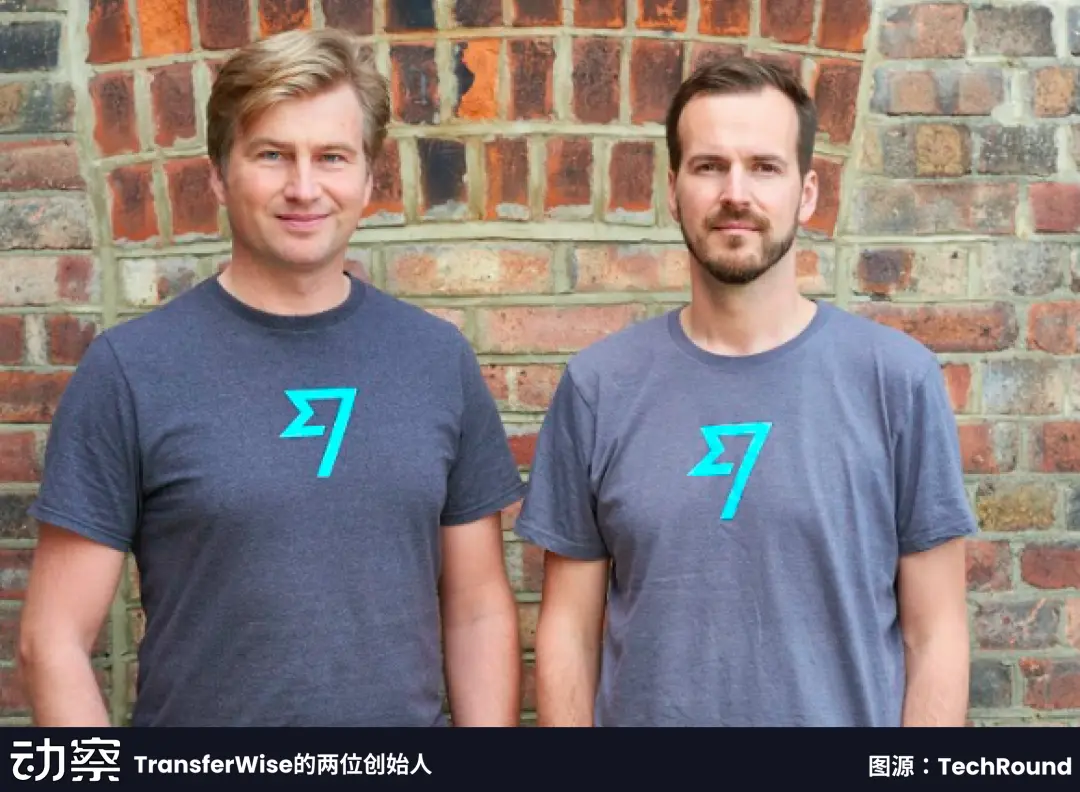 The problem they aimed to solve was not new: cross-border transfers were too expensive and too slow, but their approach was quite unconventional. TransferWise did not seek licenses or partnerships with banks; instead, it designed a currency exchange matching mechanism that allowed funds to circulate without needing to "cross borders."
The model was simple, the path clear, and it did not rely on financial institutions, which is precisely why TransferWise caught Peter Thiel's attention.
What Peter Thiel has always liked is not the mainstream.
He has always been one of Silicon Valley's most well-known libertarians, remaining vigilant against government, regulation, and centralized organizations, and thus more willing to bet on systemic improvements that bypass the old order and emphasize individual efficiency. TransferWise happened to fit this logic, relying on no licenses, bypassing institutions, and achieving exchange rate pricing through direct matching between users, with a self-consistent product logic and a clear growth path.
In this company, Peter Thiel saw the "0 to 1" model he has long advocated, which is to occupy a small market through structural design, achieve a micro-monopoly through efficiency advantages, and then expand along logical boundaries. TransferWise's currency matching mechanism was precisely the system-level entry point he consistently focused on.
In 2013, Valar Ventures, under Peter Thiel, led a new round of financing for TransferWise. That was a year dominated by social media, cloud computing, and mobile internet, and he made a distinctly different choice.
In the following years, the unusual growth curve exhibited by TransferWise proved Peter Thiel's vision.
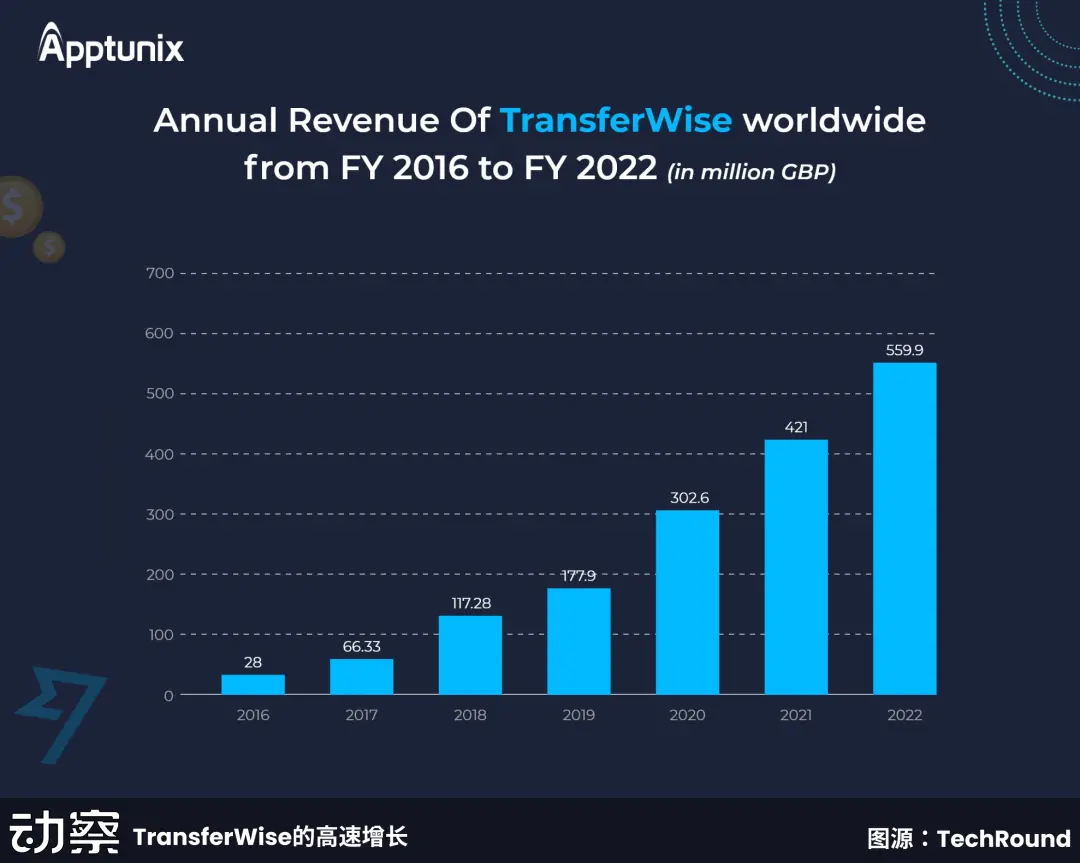 By 2017, TransferWise's monthly settlement amount had surpassed £1 billion, and it achieved operational profitability for the first time, with revenue growth exceeding 150% year-on-year; by 2020, the annual transaction volume rose to £67 billion, with about £42 billion in cross-border transactions, and its valuation reached $5 billion, making it one of the fastest-growing FinTech companies in Europe at that time.
In 2021, TransferWise officially rebranded as Wise and directly listed on the London Stock Exchange in July, with a valuation of £8.75 billion, approximately $11 billion. On its first day of trading, Wise's stock price rose by 10%, becoming one of the most watched tech stocks in the London market that year. As an early investor in Wise, Valar Ventures held over 10% of the shares at that time, making it one of the biggest winners in this IPO.
Wise's rise also became a template for the successful narrative of FinTech in the 2010s, breaking the banking monopoly, winning through efficiency, and leading with ideas. It did not rely on complex financial engineering, nor did it attempt to reconstruct the entire currency system; instead, it focused on finding efficiency gaps within the existing system, using product advantages to cut in and replace some functions of banks.
The decade of Valar Ventures and Wise indeed confirmed the high point of this model.
But every hero's story has its curtain call. The golden age of FinTech has ended.
II. The Previous Generation of FinTech Narratives Can No Longer Be Told
Once, it was synonymous with "new finance," reducing intermediaries, driven by technology, prioritizing user experience, using a lighter model to nibble at the heavy asset system of traditional finance. In the early decade, those FinTech companies repeatedly replicated that classic path, prying open a gap at the edge of the traditional system, breaking down the bank's profit model into APIs, fees, and UX combinations.
But by 2025, this path was clearly no longer viable, and venture capital interest in FinTech was cooling.
Statistics from Crunchbase show that global FinTech financing transactions totaled only 1,805, a year-on-year decrease of over 30%; a year earlier, this number was still 2,633. The contraction in numbers was not unexpected, but the speed of decline was much faster than imagined.
The first to feel the chill were retail financial services close to the consumer. PitchBook data shows that in the first quarter of 2025, retail FinTech financing fell by 37.8% quarter-on-quarter. By the second quarter, even relatively counter-cyclical enterprise financial technology was not spared, with transaction volumes decreasing by about 13% year-on-year.
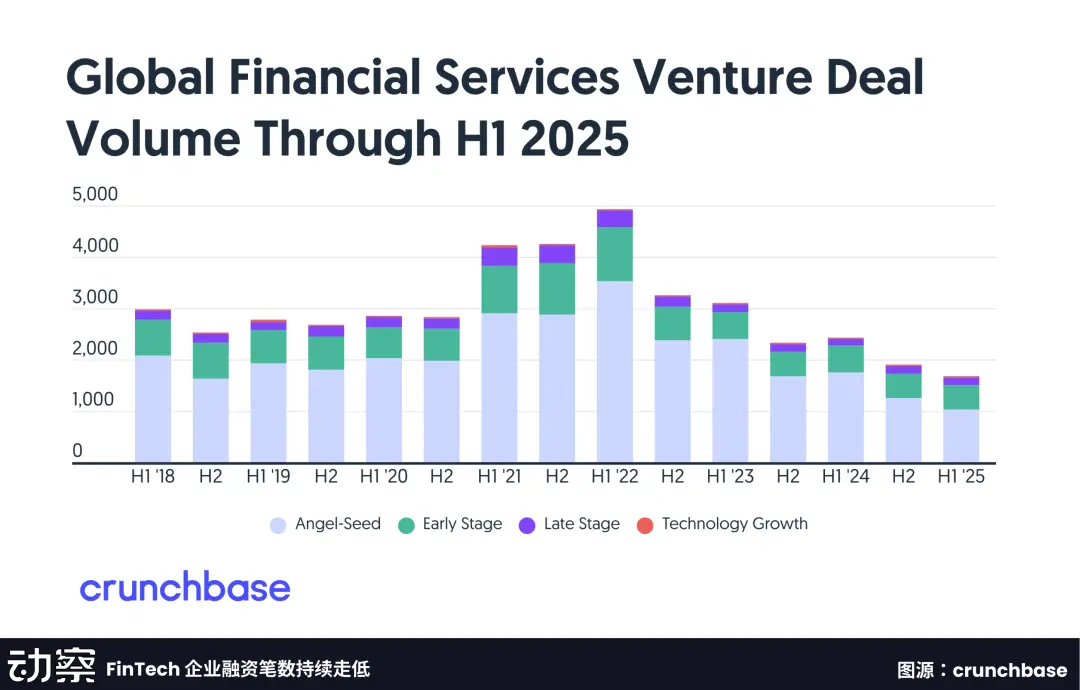 The past FinTech relied on working at the edges of the traditional financial system, using a lighter model to penetrate higher efficiency points. But once all the easily optimized links have been transformed, what remains are increasingly heavy compliance obligations, increasingly high customer acquisition costs, and increasingly difficult growth spaces.
Wise is one of the typical cases.
In the past year, its stock price has fallen over 20% from its peak in 2024, and it has been questioned multiple times by regulators. In June of this year, the U.S. Financial Crimes Enforcement Network (FinCEN) fined it $9 million for serious non-compliance with anti-money laundering regulations. Meanwhile, UK regulators have also begun to re-examine its risk control mechanisms, and the light asset compliance model that Wise once prided itself on is being systematically dismantled by reality.
At the same time, new pressures are also spreading from the Crypto sector.
The on-chain payments, real-time clearing, and settlement paths brought by stablecoins have begun to erode the profit margins of traditional cross-border transfers. Compared to transfer solutions like Wise, more and more companies are considering directly deploying on-chain settlement channels, no longer relying on the complex scheduling systems between banks and payment platforms.
Under the increasing pressure, Wise has also begun preparing for a U.S. listing, considering an ADR format for its listing in the U.S., which means it does not need to change its corporate structure while seeking higher liquidity and valuation expectations in the U.S. capital market.
This attempt at re-listing, described by officials as a "valuation optimization action," is actually a search for rescue, a deep-seated anxiety about liquidity, valuation, and whether the previous generation of FinTech narratives can withstand a new round of capital cycles.
The previous FinTech model did indeed give birth to a number of outstanding companies. But as Crypto begins to rewrite the clearing and account systems, the path of "optimization" itself gradually loses its foothold.
This revolution has ultimately reached its ceiling.
Looking back, Valar Ventures' bet in 2013 was a direct response to the high costs and low efficiency of the banking system; while the liquidation in 2025 was a clear farewell to the old financial innovation model.
III. New Protocols Are Devouring Old Systems
Today's Crypto is becoming FinTech 2.0.
If the previous generation of FinTech was an efficiency patch built on the banking system, then the new generation of Crypto protocols is attempting to bypass banks and rewrite that system itself.
This is not just an idealistic narrative; it has already become a visible reality.
The daily on-chain settlement amount of stablecoins has long surpassed billions of dollars, becoming the new default path for many companies' cross-border capital flows. It does not rely on Swift, nor does it require traditional bank accounts; it only needs an address to complete global settlements within minutes.
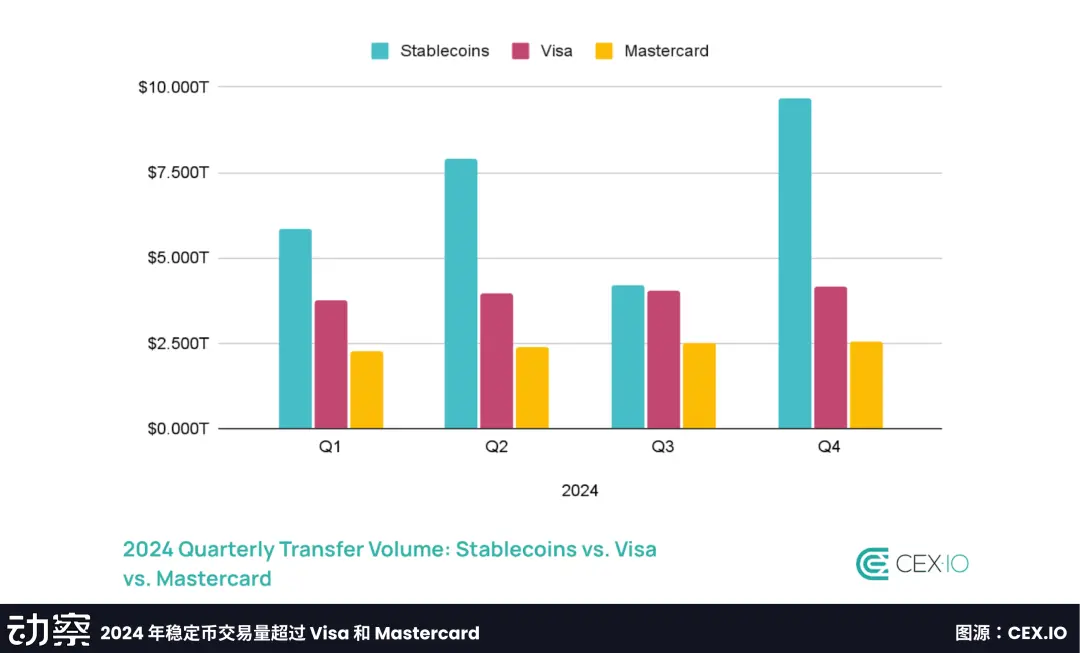 A deeper transformation is occurring in the backend. The clearing paths are being reconstructed on-chain, identity verification no longer relies on financial institutions, and interest rates and asset pricing logic have detached from the settings of central banks and banks. Those modules that once drifted outside the mainstream view are becoming the core components of a parallel financial system.
This is also forcing a fundamental shift in the value capture logic of FinTech.
The innovations of the previous generation of FinTech mostly focused on the presentation layer, such as account systems, payment channels, and UX design. They were more like a friendlier shell wrapped around the existing financial system, essentially enhancing the usability of banks rather than replacing the banks themselves.
In contrast, Crypto, or FinTech 2.0, bets on the protocol layer and settlement layer, which are system components that operate independently of banks. It constructs a complete set of clearing paths and identity systems independent of the banking system, fundamentally bypassing the dependencies of the original financial architecture.
When value is no longer concentrated on the frontend interfaces but begins to sink into the backend structure, bettors will naturally turn their attention to the bottom of those systems, the place that truly has the potential to disrupt the order. Peter Thiel is a keen hunter; he focuses on projects that can reconstruct the foundational financial order because they have the potential to shake the existing rules at the structural level.
Under this betting logic, Wise's withdrawal also gains its true significance.
From serving the frontend to building the backend; from connecting banks to bypassing banks; from optimizing reality to rewriting reality.
IV. Thus, Turning Towards a New World
Peter Thiel has never left the financial technology table.
In addition to Valar Ventures, which bet on Wise, Peter Thiel also has another fund with more strategic intent, Founders Fund. This institution is one of the earliest Silicon Valley VCs to invest in SpaceX and Meta, managing over $12 billion in assets as of 2023.
Compared to Valar, which often focuses on early-stage growth companies, Founders Fund is more inclined to directly participate in system-level and infrastructure-level construction. In recent years, this fund has gradually shifted away from traditional tech tracks and begun to focus on Crypto infrastructure, building future financial frameworks around stablecoins, on-chain clearing, and on-chain banking systems.
From late summer to early autumn 2023, Founders Fund purchased a total of $200 million in Bitcoin and Ethereum, split evenly. Thiel's fund had already invested in Bitcoin as early as 2014 and liquidated before the market peaked in 2022, making a profit of about $1.8 billion. This time, they are back at the table, but the posture and context are entirely different from those of the past.
Peter Thiel's renewed bet on crypto is aimed at the authority to define the future financial order, building his financial empire from assets to protocols.
In his investment portfolio, Bullish serves as the front end of trading scenarios, connecting users with liquidity; Paxos provides compliant issuance capabilities for stablecoins; Ubyx builds clearing protocols responsible for the on-chain flow of funds and assets; Erebor attempts to establish an on-chain banking system, acting as the Visa + Swift of on-chain finance; and CoinDesk, as one of the largest media platforms in the crypto space, was acquired by Bullish in 2023, becoming an outlet for the entire system's discourse.
These invested companies collectively form a hidden but complete financial underlying structure, controlling asset anchoring, controlling clearing paths, controlling information dissemination, akin to a "shadow central bank" of the crypto era.
From the beginning, Peter Thiel did not intend to bet on just one platform company; he aims to create a new financial machine that does not rely on traditional financial institutions but can independently maintain credit, liquidity, and regulatory order.
This main thread ultimately still reflects Peter Thiel's betting philosophy. He often bets on those futures that have not yet been accepted by the market, or even do not yet have names. He has funded experiments in autonomous cities at sea, invested in cryonics, and has also invested in defense technology; many of his investments seem fanciful and far ahead of their time.
For him, waiting is a waste. Betting on investments is a way to push the future into reality.
Peter Thiel once said a famous quote: "We wanted flying cars, instead we got 140 characters."
 This was a satire on the so-called "technological innovation" over the years, which ultimately only optimized ad placements, extended user engagement times, and created more information silos. People used all their intelligence to create tweets with higher click-through rates, yet did not move any closer to the future.
Peter Thiel is not satisfied with merely optimizing within the existing system; he seeks to find starting points that can rewrite the underlying logic of the system, from energy, healthcare, and space exploration to now, Crypto.
The projects he invests in can be obsessive, the pace can be slow, but every step must be aimed at that "flying car" world.
Betting on Wise over a decade ago was because it could enhance efficiency in the gaps of the traditional financial system; now betting on Crypto is because he wants to reconstruct a financial system from the ground up.
From optimization in the gaps to reconstruction at the base. Peter Thiel is shifting his chips from the end of an old consensus to the starting point of a new consensus.
Thus, he exits Wise and turns towards a farther world.
Click to learn about job openings at ChainCatcher
Recommended reading:
Backroom: Tokenization of information, a solution to data redundancy in the AI era? | CryptoSeed
 Risk warning
 Risk warning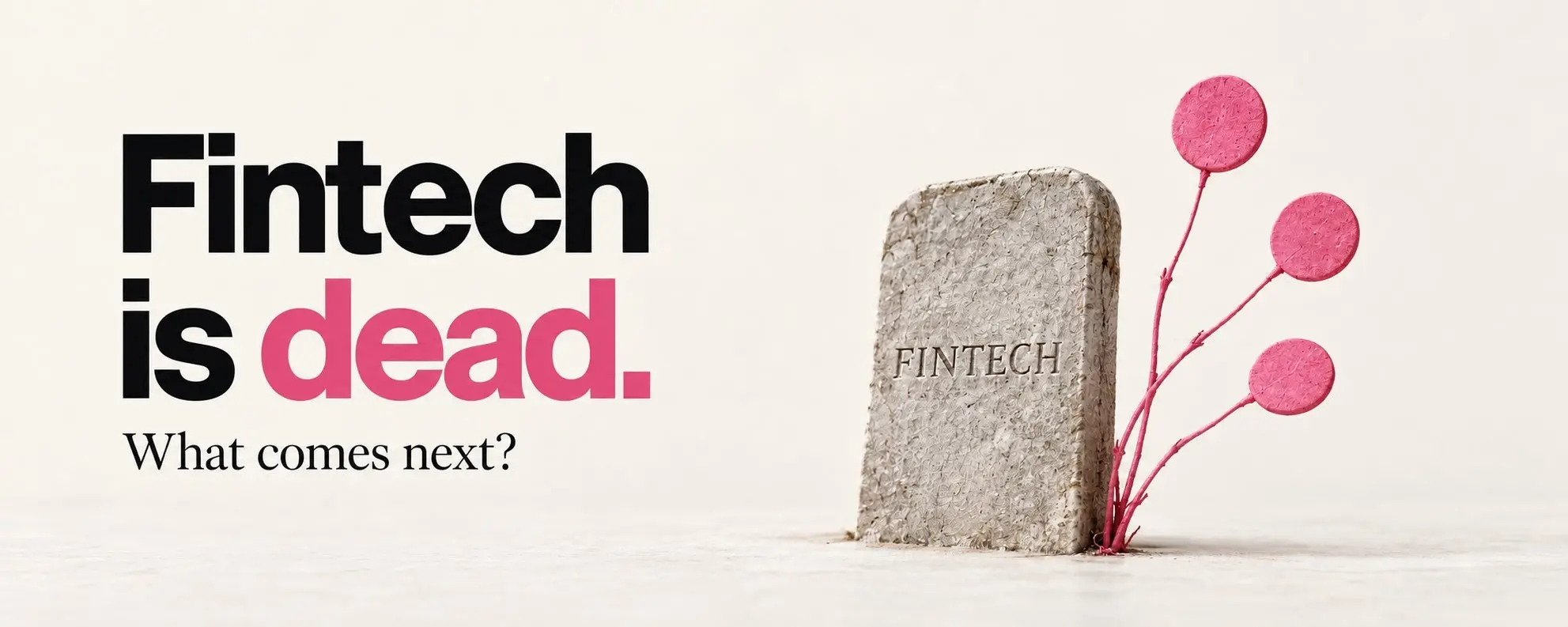


Popular articles





