Animoca Brands Research Report: The New Era of Exchanges, How to Move Towards the Mainstream?
 Core Viewpoint

 Expand from early enthusiasts to a broader audience, positioning the exchange as the main entry point of the on-chain ecosystem.
Author: Animoca Brands
Exchanges Moving Mainstream
Centralized exchanges (CEX) have played a key role in the development of the crypto industry. They provide the core infrastructure for trading and discovering cryptocurrencies, serving as the foundation of the entire crypto space. As some of the earliest participants with a clear business model, CEXs quickly evolved into large institutions, employing hundreds or thousands of staff. Their efforts to expand user bases have significantly propelled the adoption of cryptocurrencies among the general public.
The form of crypto exchanges has undergone multiple stages of evolution. Initially, it was merely an electronic upgrade of over-the-counter (OTC) trading. With the boom of Web3 projects and altcoins, exchanges seized the surge in trading demand and transformed into professional-grade platforms. They then added features like lending and hedging to meet the needs of professional traders.
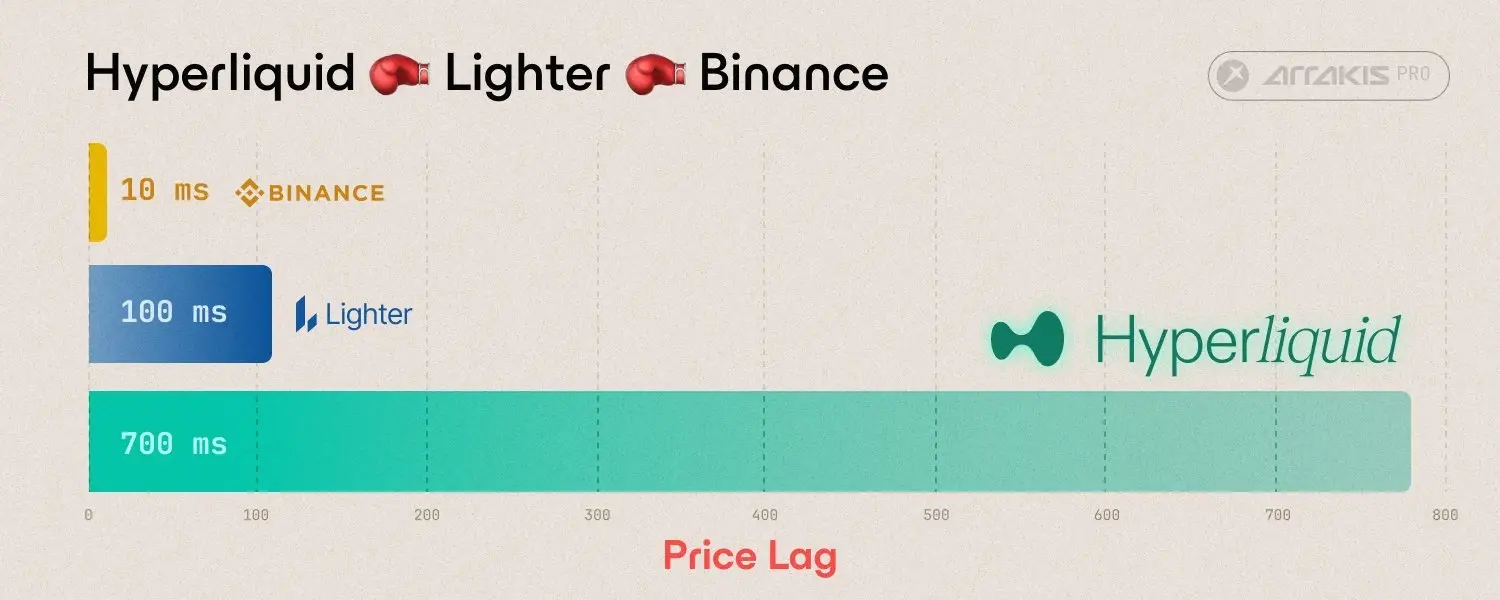
However, the growth of CEXs now faces challenges and opportunities. On one hand, the native crypto audience is nearing saturation, leading to a slowdown in user acquisition in recent years. At the same time, innovations in decentralized trading are diverting users, such as meme coin issuance platforms and advanced DEXs like Hyperliquid, which offer experiences close to CEXs but with greater transparency. This forces exchanges to integrate self-custody wallets and DEX trading to retain native users.
On the other hand, enormous incremental user opportunities are emerging. The new U.S. government's pro-crypto stance, the depreciation of the dollar, and the geopolitical competition driving stablecoin adoption are all fostering a new wave of mainstream crypto adoption and on-chain trading. This means a dual growth of new users and tradable assets. Exchanges can leverage advantages like 24/7 trading, perpetual contracts, and global access to compete with traditional brokerages, thereby attracting mainstream users.
Combining the theory of technology adoption lifecycle, we are transitioning from "early adopters" (stage two) to "early mainstream" (stage three). Over the past five years, native crypto users and "Degens" have driven the growth of exchanges. Now, the early mainstream—those who will only adopt innovations when clear benefits are visible—will become the new growth engine. To embrace this shift, exchanges are evolving from centralized or decentralized exchanges to Universal Exchanges (UEX).
We can further predict that driven by the "late mainstream," the latter half of growth will largely depend on exchanges, which will become the primary gateway to the on-chain world. Mainstream users may not need complex trading features, but they require financial services like payments, deposits, and yields. With existing wallets and custodial services, along with strong organizational capabilities, exchanges are well-positioned to become a unified entry point for on-chain services.

Early Development of Exchanges
In the early stages, crypto-related activities were primarily driven by tech enthusiasts and miners. They were the first to try new tools, quickly adopting trading, token sales, and payment use cases. At that time, forums or OTC chat groups were the main trading venues. BitcoinMarket, launched in March 2010, was the first exchange to position itself for crypto assets, followed by the rise of Mt. Gox, which handled over 70% of Bitcoin transactions at its peak in 2013.
In 2013, Bitcoin's price began to rise, attracting media attention. There was an increasing demand for secure and convenient Bitcoin-to-fiat exchanges. While OTC trading was still available, it was slow and risky. More centralized exchanges began to emerge, offering order books and custodial services, freeing users from handling transaction details themselves.
The ICO boom in 2017 saw a surge of new tokens. Traders needed better tools to keep up. As a result, exchanges became the preferred venues, and users began experimenting with more complex strategies such as hedging and leverage. To support these needs, exchanges introduced perpetual contracts and margin trading.
By 2020, as U.S. interest rates fell, more investors began to focus on crypto. They saw opportunities and wanted professional tools to manage their assets. At the same time, DeFi projects and new narratives maintained high liquidity, attracting more experienced investors.
As retail and early adopters drove demand, professional market makers and trading firms followed suit. Competition intensified, forcing exchanges to evolve to support more complex strategies, adding structured products and wealth management yields. The trading experience for users gradually approached that of traditional markets, equipped with the full suite of tools needed in the fast-evolving crypto world.
From Early Adopters to Mainstream Market
Growth Slowdown
After the surge in 2020 and 2021, user growth for exchanges entered a slowdown phase. Early adopters had already entered the market, viewing crypto assets as a new investment frontier, but this was not enough to persuade a broader audience. The collapses of FTX and Luna in 2022 pushed the industry into a "crypto winter," with effects lasting until the end of 2023. During this period, user growth for exchanges stagnated. Early adopters had largely joined, while the early mainstream remained cautious, waiting for more concrete returns before deciding to participate.
This stagnation was particularly evident on leading platforms. For example, Coinbase's monthly active traders have remained between 8-9 million since 2021. Growth driven by new token issuances or narratives has nearly vanished. The slowdown highlights the urgency for exchanges to expand their functionalities and reach a broader audience.

Meanwhile, the rise of DEX token trading, especially the popularity of meme coin issuance platforms, has attracted more risk-tolerant users away from centralized exchanges, leaving more liquidity and users on-chain. Meme coin platforms like Pump.fun became the focus in 2024. On-chain launchpads not only made the creation of new tokens extremely easy but also gradually linked everything to tokens. Platforms like Zora tokenized every piece of social content, directly converting social traffic into token trading.

During this slow growth phase, leading exchanges focused on deepening their existing user base and maintaining user engagement through on-chain and in-exchange activities. They primarily adopted three strategies: building on-chain ecosystems, promoting self-custody wallets, and integrating DEX token trading into wallets and exchanges.
Public Chain and Ecosystem Development
Several exchanges launched their own public chains and platform tokens. These public chains help exchanges retain crypto-native users familiar with on-chain functionalities, while the exchanges themselves serve a broader mainstream audience. Tokens act as a bridge, connecting the on-chain ecosystem with the exchange user base. This model also allows exchanges to combine token issuance activities with listings, supporting more creative marketing and ecosystem building.


Taking BNB Chain as an example, it is central to Binance's on-chain strategy. The Meme Rush page in Binance Wallet leverages BNB Chain, allowing users to trade newly issued meme coins directly on the on-chain Meme Launchpad Four.Meme.
At the same time, the BNB token plays a crucial role in connecting both ends of the exchange and the on-chain world. Users can stake BNB in Binance's Launchpool activities and participate in new token issuances on PancakeSwap through the Binance MPC wallet.
In the past year, BNB Chain's monthly active users doubled from 1 million to over 2 million, daily trading volume surged from 1 million to 10 million, and DEX activity increased from 120,000 daily to over 200,000. These figures reflect that as on-chain functionalities mature, the integration by exchanges has driven stronger user adoption and deeper ecosystem interaction.
Moreover, exchanges have begun to experiment with integration with social platforms. Coinbase's Base App is an example. On February 5, 2025, it integrated Farcaster, allowing users to post directly within the app and utilize Farcaster's social network. This could bring millions of new users to the Base App. Subsequently, Zora introduced content tokenization within the app, embedding the creator economy more directly into the exchange ecosystem.
Decentralized Wallets
With the development of DEXs, CEXs have gradually pushed on-chain products to the forefront, with wallets and chain ecosystems becoming key entry points. Decentralized wallets serve as a direct gateway to Web3, allowing users to manage assets, explore dApps through integrated "app stores," and gradually participate in on-chain activities through token incentives.
In recent years, crypto wallets developed by exchanges often unify multi-chain accounts, making fund transfers and cross-chain exchanges smoother. They not only support spot and meme coin trading but also integrate staking and DeFi yield functionalities, allowing assets to operate efficiently. At the same time, task-based reward mechanisms encourage users to explore new features and interact more deeply with the ecosystem.
OKX Wallet is a typical case. It initially focused on multi-chain asset management and gradually expanded to over 150 blockchains, eliminating the need for multiple wallets. In terms of security, multi-party computation (MPC) enhances the security of on-chain staking, token exchanges, NFT trading, and DApp usage, gradually forming a complete Web3 ecosystem.
In terms of trading and yields, it supports spot, staking, and meme coin markets, allowing users to operate directly within the wallet. OKX Wallet also launched DeFi Earn products.
To enhance user engagement, OKX Wallet introduced task incentives like Crypto Quests and interactive trading challenges, allowing users to earn rewards by completing tasks, thereby deepening usage.
Integrating DEX Trading
In the first and second quarters of 2025, several exchanges launched on-chain trading features within their platforms. Users can trade on-chain assets directly through CEX's spot accounts without needing to understand complex on-chain concepts or pay gas fees.
This design is particularly appealing to "Degens," as it allows them to access a wider range of on-chain assets on the same platform. Exchanges that have launched similar features include:
- Binance (assets selected by the listing team)
- OKX (assets selected by the listing team)
- Coinbase (supports all on-chain assets on the Base chain)
- Bitget (supports all on-chain assets on ETH, SOL, BSC, and Base chains)
For example, Binance named this feature Binance Alpha, aiming to allow users to access potentially high-value early projects without leaving Binance. To ensure quality and growth potential, Binance's listing team carefully selects tokens that can be listed on Alpha.
Additionally, users trading or providing liquidity with Alpha tokens on PancakeSwap can earn points. These points then determine whether users qualify to participate in new project activities on Binance Alpha, creating a continuous incentive loop that promotes user exploration and participation in emerging tokens. This strategy has driven rapid adoption of Binance Wallet.

By December 2024, when Binance Wallet was revamped, PancakeSwap's average daily trading volume was about $800 million, while Binance Wallet's was around $5 million. PancakeSwap had approximately 48,000 daily active traders, whereas Binance Wallet had only 8,500, with penetration rates of 17% (traders) and 0.7% (trading volume), respectively.
By August 2025, PancakeSwap's average daily trading volume increased to $3 billion, while Binance Wallet reached $1.4 billion. The average daily active traders on PancakeSwap were 53,900, while Binance Wallet had 21,400, with penetration rates exceeding 40% for both.
At the same time, features like AI-assisted trading are being continuously introduced to drive user growth. For example, Bitget launched GetAgent—a trading assistant powered by AI. Users can analyze tokens, obtain trading signals, and build strategies all within the same app through conversations with the AI.
Despite these efforts continuously bringing new growth, the true curve of large-scale user growth (the next S-curve) remains to be unlocked. As of the second quarter of 2025, only 6.9% of the global population held cryptocurrencies, while 15-30% participated in stock trading.

New Development Directions
At the beginning of 2025, the change in the U.S. government shifted its stance from "anti-crypto" to "pro-crypto." SEC Chairman Paul Atkins announced the "Crypto Project," introducing a series of pro-crypto regulatory policies. This move aligns with the Trump administration's goal of making the U.S. a global crypto hub.
The policy changes not only boosted the confidence of native crypto users but, more importantly, allowed traditional financial institutions to explore crypto as a new financial service channel. An increasing number of real-world assets (RWAs) are beginning to go on-chain, including money market funds, private credit, gold, stocks, and even shares of private companies.
For crypto exchanges, these on-chain assets create opportunities to compete with traditional brokerages, attracting users who are familiar with stocks but have yet to enter the crypto space. Exchanges have a natural advantage in 24/7 trading, no geographical restrictions, and perpetual contracts.
Tokenized RWAs can also unlock low-liquidity assets, such as shares of private companies, expanding accessibility for investors. By combining other traditional on-chain assets (debt, stocks, money market funds), crypto exchanges can offer a trading experience superior to traditional markets, bringing these assets to a broader investment audience.
Mutual Penetration
In 2025, crypto exchanges launched more assets and functionalities aimed at traditional financial users to lower the entry barriers for mainstream users. On the asset side, crypto exchanges introduced tokenized stocks and RWA-backed products. For example:
- Binance and Bitget launched tokenized products backed by money market funds, namely RWUSD and BGUSD.
- Bitget also introduced stock tokens and partnered with Ondo Finance, allowing users to trade directly without a traditional brokerage account.
Ondo Finance's tokenized stock market has supported over $180 million in assets, with minting and redemption volumes exceeding $190 million. By providing services comparable to or even superior to traditional brokerages, crypto exchanges have gained a competitive edge, offering global accessibility.
Leveraging On-Chain Trading Advantages
Compared to traditional financial platforms, crypto exchanges have expanded their asset coverage primarily through two methods: stock perpetual contracts and tokenization of private company shares.
- Stock Perpetual Contracts
In traditional stock markets, trading is constrained by clearing requirements and leverage limits. In the U.S., for example, Regulation T sets the margin lending limit at 50% of the stock price, which is about 2x leverage. Portfolio margin accounts can offer higher leverage, sometimes reaching 6-7x, but this depends on risk conditions. Traditional exchanges also have limited trading hours, such as Nasdaq's trading time from Monday to Friday, 9:30 AM to 4:00 PM (Eastern Time). Although there is pre-market and after-hours trading, liquidity is often insufficient and volatility is high.
Crypto exchanges break through these limitations, even if they may be in legal and regulatory gray areas. Users can trade stock perpetual contracts at any time on crypto exchanges and obtain higher leverage. For example, MyStonks offers stock perpetual contracts with leverage up to 20x, while Bitget currently supports up to 25x leverage. These setups provide investors with global access and flexibility that traditional markets cannot match.
- Tokenization of Private Company Shares
Another innovation from crypto exchanges is the tokenization of private company shares, allowing retail investors to participate as well. In contrast, the private equity market in traditional finance remains limited to institutions or accredited investors, with high entry barriers and limited liquidity. Exchanges that allow users to trade tokenized versions of private company shares introduce price discovery mechanisms and secondary market liquidity for these assets. For example, Robinhood recently opened investment channels for retail investors in OpenAI's private equity. However, such products are still difficult to popularize due to legal and regulatory constraints.
Traditional Players Catching Up
As native crypto exchanges expand into traditional assets, traditional exchanges and brokerages are also striving to close the gap with the crypto world.
- Robinhood
Robinhood is a U.S. financial services company known for its commission-free stock trading platform, emphasizing a simple interface and low-barrier investing.
Based on this concept, Robinhood has also expanded into the crypto market, allowing users to buy, sell, and hold mainstream crypto assets like Bitcoin, Ethereum, and Dogecoin. The platform also features a crypto wallet that supports the sending, receiving, and storage of assets. It is also launching staking features for Ethereum and Solana, enabling users to earn yields directly within the app.
Robinhood is further expanding into Europe, offering over 200 tokenized U.S. stocks and ETFs. These tokens support 24/5 trading, with dividends directly distributed in the app, and no commissions or additional spreads.
To support tokenization and seamless trading, Robinhood is building Robinhood Chain (a layer-2 blockchain) based on the Arbitrum tech stack. Tokenized stocks will initially be issued on Arbitrum, with plans to migrate to Robinhood Chain in the future, providing users with greater control, higher security, and a more integrated experience between traditional finance and decentralized finance.
The launch of Robinhood Chain also brings new possibilities for the platform: attracting liquidity from outside Europe and connecting global users with its tokenized assets.
- PNC Bank
In July 2025, PNC Bank announced a strategic partnership with Coinbase to enhance its customers' digital asset services. Through Coinbase's "Crypto as a Service" (CaaS) platform, PNC will provide secure and scalable crypto trading and custody solutions for its clients. This allows PNC customers to buy, sell, and hold digital assets directly within the bank's interface. Additionally, PNC will provide some banking services to Coinbase, reflecting a commitment to jointly build a more robust digital financial system.
- Stock Exchanges
While the crypto market has long operated 24/7, some stock exchanges are also beginning to follow suit. In March 2025, Nasdaq announced it would introduce 24-hour trading on its U.S. main board to meet the growing global demand for around-the-clock trading of U.S. stocks.
The Next Era: Universal Exchanges and Gateways to the On-Chain World
Combining current development trends, we can see two major evolutionary directions for exchanges:
- Universal Exchanges (UEX) ------ platforms that serve everyone and trade all assets. They cater to both native crypto users and mainstream users, unrestricted by geography or time.
- Gateways to the On-Chain World ------ building super applications that connect users to a broader crypto ecosystem through daily on-chain services like payments, and incubating an active on-chain application ecosystem.
Universal Exchanges (UEX)
As CEXs aim to serve both native crypto users and mainstream users, they are expanding from a single trading platform to a complete ecosystem. The concept of "UEX" proposed by Bitget embodies this trend.
An important aspect of this is the integration of DEX tokens. Features like Binance Alpha and Bitget Onchain allow users to access tokens that were previously limited to DEXs within the exchange.
Exchanges are also expanding the types of tradable assets. For example, Zora tokenizes social media posts, bringing the creator economy directly into the exchange interface.
At the same time, the U.S. pro-crypto policies have accelerated the on-chaining of real assets. Tokens backed by money market funds, tokenized stocks, and even shares of private companies can now be traded on platforms like Binance, Bitget, and Robinhood. With global coverage and 24/7 trading, exchanges have an advantage over traditional brokerages.
All of this provides more people with the opportunity to enter the crypto world. By combining DEX tokens, new asset types, and tokenized real assets, exchanges are creating a unified platform that can serve both newcomers and veteran users.
Gateways to the On-Chain World
With the implementation of pro-crypto policies and the rapid development of stablecoins, both domestic and foreign issuers are entering the market. Banks are issuing stablecoins to protect liquidity, while market platforms use them to attract funds and business. Exchanges play a key distribution role, such as USDC on Coinbase or USDT on various platforms.
At the same time, exchanges and wallets are building payment and transfer infrastructures. For example:
- OKX Pay ------ provides zero gas fee payments based on X Layer, without the need to hold OKB;
- Bitget Wallet PayFi ------ supports QR code payment networks in countries like Vietnam and Brazil, allowing users to spend directly with stablecoins.
As these systems mature, stablecoins are beginning to enter everyday transactions. However, since holding stablecoins yields no returns, users will seek interest-bearing options, thus creating a demand for "crypto banks." Binance, OKX, and Bitget have all integrated DeFi yields and RWA-backed assets into their wallets, allowing users to earn returns while keeping their funds.
This is similar to traditional financial pathways: Alipay first attracts users with payments, then layers on wealth management products; Ping An first focuses on insurance, then extends to comprehensive finance. Crypto exchanges are also combining payments, deposits, and yields, with some positioning as universal exchanges and others evolving into super applications (like Coinbase Base App), integrating payments, social features, MiniApps, and tokenized content (Zora, Farcaster).
By integrating trading, payments, and content, exchanges are gradually becoming ecosystem hubs. Projects can directly reach users, tokens circulate within applications, and AI tools assist in trading decisions—significantly lowering barriers and deepening user engagement.
Conclusion
From current trends, the drive for exchanges to evolve into universal exchanges primarily comes from three aspects:
- The integration of CEX and DEX trading;
- "Tokenization of Everything" driven by launchpads;
- The on-chaining of real assets propelled by the Trump administration.
The transformation of exchanges into UEXs is not only to capture on-chain innovations but also to attract mainstream users in the "early mainstream" stage.
After attracting the early mainstream to universal exchanges, the "gateway to the on-chain world" will bring the "late mainstream" into crypto. These users do not require complex trading functionalities, but they still value convenient financial services like payments, deposits, and yields.
These two paths together define the next phase of growth: expanding from early enthusiasts to a broader audience, positioning exchanges as the main entry point to the on-chain ecosystem.
However, despite the immense potential of the concepts of universal exchanges and gateways, their realization is not easy. Mainstream adoption still relies on building trust and reliability for exchanges. Regulatory barriers add complexity, with varying licensing requirements across different jurisdictions, and may even prohibit integrated financial services, necessitating business separation. Despite these challenges, trends will continue to push exchanges toward this ultimate goal—even if not all exchanges can achieve it independently.
 Risk warning
 Risk warning