








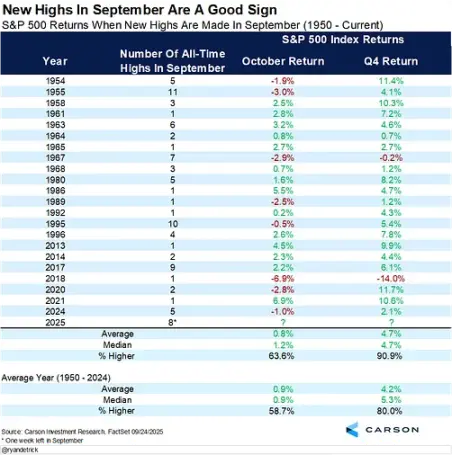
A local bull market may become the norm, with a market recovery expected in Q4
 Core Viewpoint

 This article presents the author's analysis of the differentiation and vulnerability of the current economic environment, emphasizing that market growth is primarily driven by the assets of the wealthy class and AI investments, and proposes investment strategies in a nominal growth environment.
Original Author: arndxt
Original Compilation: AididiaoJP, Foresight News
The view that the economy is re-accelerating is actually quite one-sided, currently mainly relying on the assets of wealthy families and investments driven by artificial intelligence. For investors, this cycle cannot simply expect a broad market rally:
- The core of long-term growth is semiconductor and AI infrastructure.
- Increase holdings in scarce physical assets: gold, metals, and certain promising real estate markets.
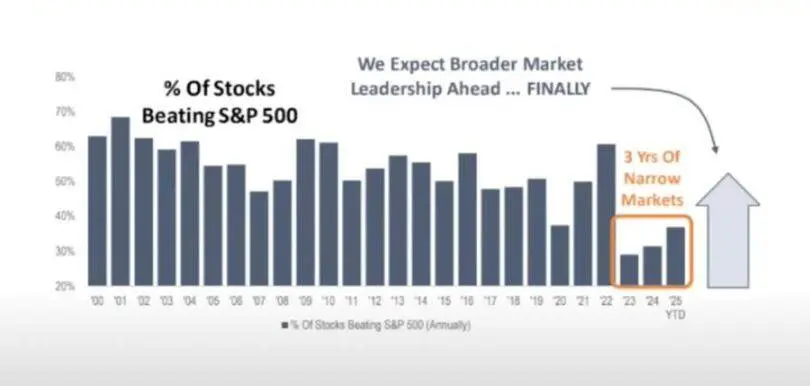
- Remain vigilant about broad market indices: the high proportion of the "seven giants" of U.S. stocks masks the overall fragility of the market.
- Closely monitor the dollar's movements: its direction will determine whether this cycle continues or is interrupted.
Just like from 1998 to 2000, the bull market may continue for a while, but volatility will become more intense, and asset selection will be key to becoming a market winner.
Economic Divergence
Market performance is a true reflection of the economy; as long as the stock market remains near historical highs, the notion of an economic recession is hard to convince.
We are in a clearly divergent economic environment:
- The top 10% of income earners contribute over 60% of consumption, accumulating wealth through stocks and real estate.
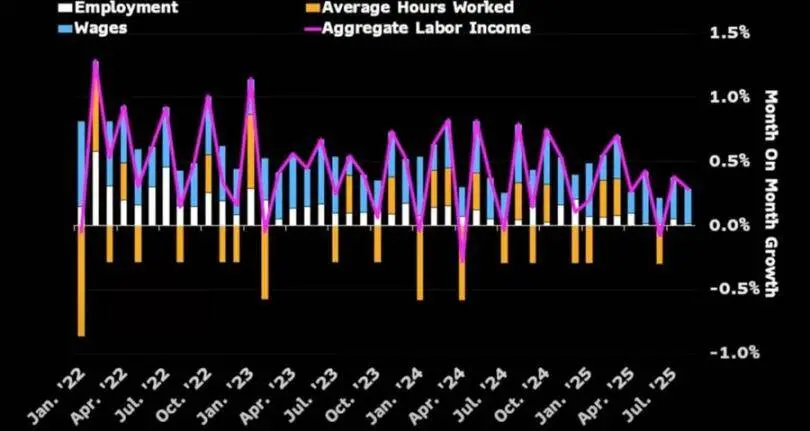
- At the same time, inflation is continuously eroding the purchasing power of middle- and low-income families. This widening gap explains why, on one hand, the economy is "re-accelerating," while on the other hand, the job market remains weak, and the cost of living crisis persists.
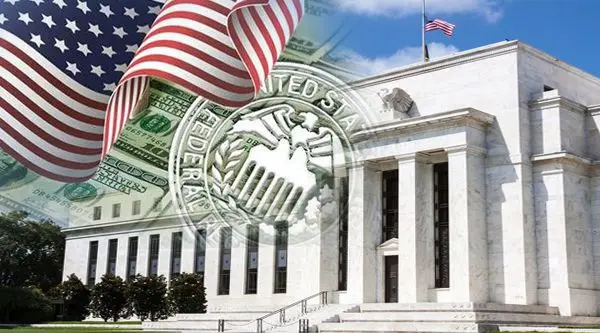
Uncertainty from Federal Reserve Policies
Be prepared to face policy fluctuations. The Federal Reserve has to deal with the appearance of inflation while considering the political cycle. This creates conditions for seizing opportunities but also means that once market expectations change, there may be sudden downside risks.
The Federal Reserve is currently in a dilemma:
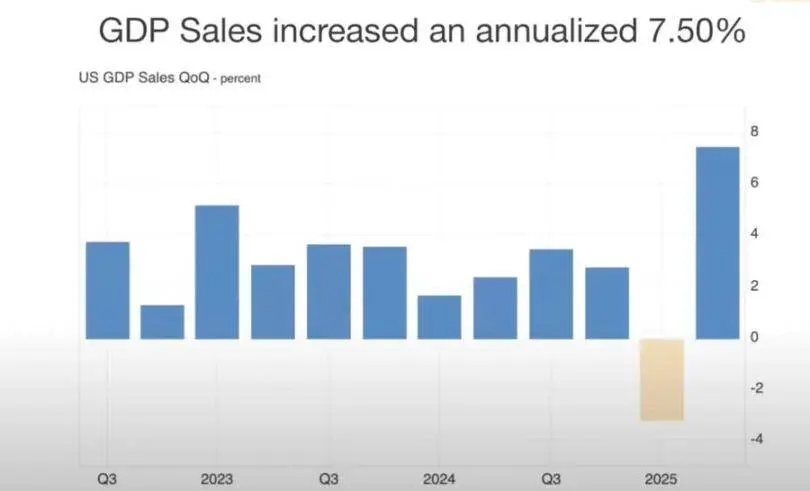
- On one hand, strong GDP growth and resilient consumption support a slower pace of rate cuts;
- On the other hand, market valuations are too high, and delaying rate cuts may trigger "growth concerns."
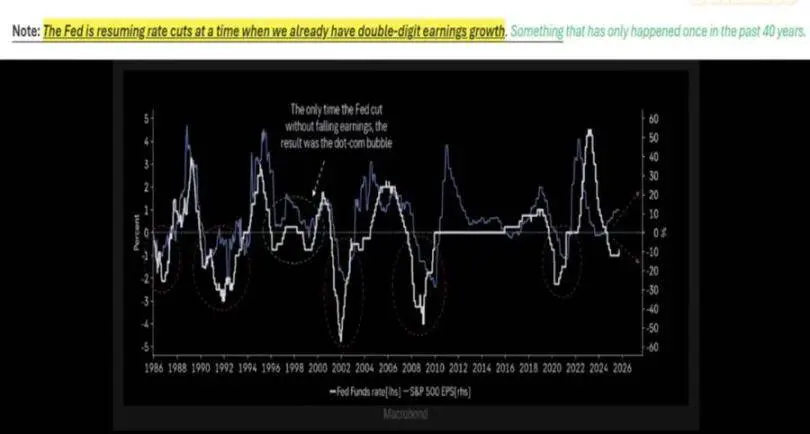
Historical experience shows that cutting rates during strong earnings (like in 1998) can extend a bull market. But this time is different: inflation remains stubborn, the "seven giants" of U.S. stocks have impressive earnings, while the other 493 companies in the S&P 500 perform mediocrely.
Asset Selection in a Nominal Growth Environment
One should hold scarce physical assets (gold, key commodities, real estate in supply-constrained areas) and sectors that represent productivity (AI infrastructure, semiconductors), while avoiding excessive concentration in stocks driven up by internet hype.
The upcoming period is unlikely to see widespread prosperity; it resembles a localized bull market:
- Semiconductors remain the core of AI infrastructure, with related investments continuing to drive growth.
- Gold and physical assets are reasserting their value as hedges against currency depreciation.
- Cryptocurrencies are currently facing deleveraging and excess government bond pressures, but structurally, they are closely related to the liquidity cycle that drives gold prices up.
Real Estate and Consumption Dynamics
If real estate weakens in sync with the stock market, the "wealth effect" supporting consumption will be impacted.
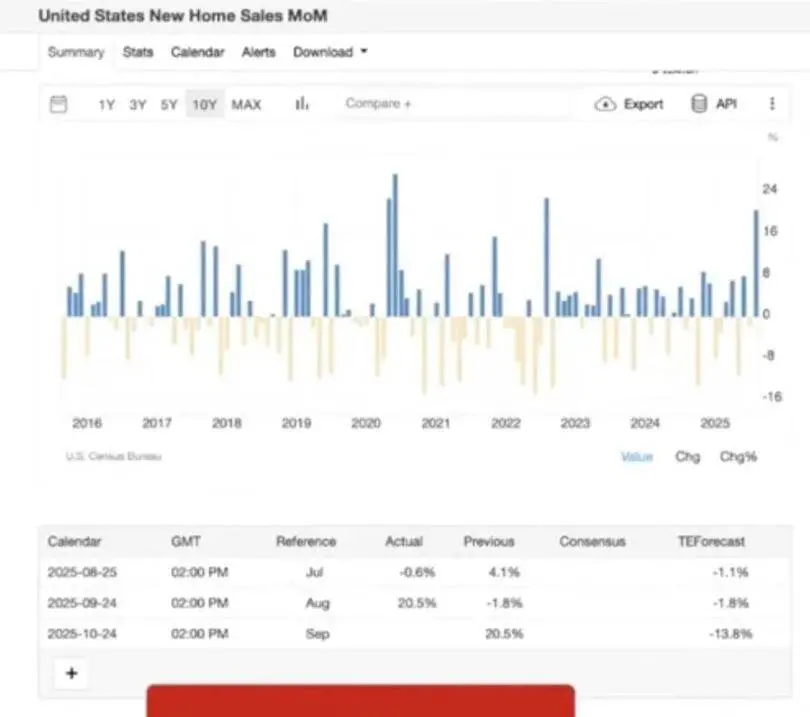
Real estate may see a brief rebound when interest rates are slightly lowered, but deeper issues remain:
- Supply-demand imbalances caused by demographic changes;
- Rising default rates due to the end of student loan and mortgage forbearance periods;
- Significant regional disparities (the elderly have asset buffers, while young families face heavy pressures).
Dollar Liquidity and Global Layout
The dollar is a key factor influencing the overall situation. If the global economy is weak while the dollar strengthens, weaker markets may face problems before the U.S.
An overlooked risk is the contraction of dollar supply:
- Tariff policies reduce trade deficits, limiting the scale of dollar inflows into U.S. assets;
- The fiscal deficit remains high, but foreign buyers' interest in U.S. Treasury bonds is waning, which may trigger liquidity issues.
- Futures market data shows that short positions on the dollar have reached historical extremes, which may trigger a short squeeze on the dollar, thereby destabilizing risk assets.
Political Economy and Market Psychology
We are in the late stage of a financialization cycle:
- Policymakers strive to "maintain the status quo" until important political milestones (such as elections, midterm elections) have passed;
- Structural inequality (rent increases outpacing wages, wealth concentrating among the elderly) fuels populist pressures, prompting policy adjustments in areas like education and housing;
- The market itself has reflexivity: capital is highly concentrated in seven large-cap stocks, which supports valuations but also sows the seeds of fragility. ```
 Risk warning Risk warning

Popular articles





