WLFI partners with Solana, dollar market cap surpasses 3 billion, insiders worry about spreading sentiment
 World Liberty Financial's dollar 1 reached 2.9 billion dollars in 7 months and established partnerships with Solana's Bonk and Raydium, but insider trading allegations threaten its reputation.
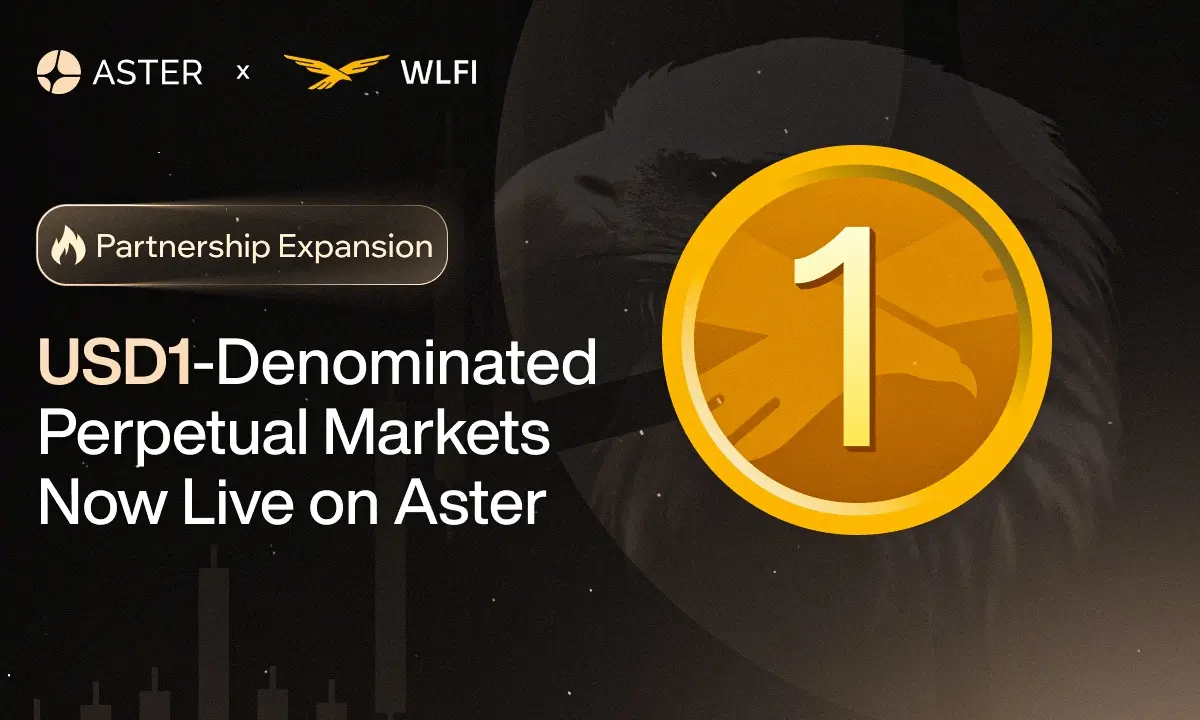
On November 5, World Liberty Financial (WLFI) dropped a bombshell that caused a stir in the cryptocurrency community. This decentralized finance (DeFi) platform, backed by Trump, announced a partnership with two major players in Solana, Bonk and Raydium. This move signifies that WLFI is actively expanding its $1 stablecoin, aiming to make it one of the fastest-growing ecosystems in the cryptocurrency space—an important force within the Solana ecosystem. This also indicates that WLFI is actively expanding beyond Ethereum and BSC, targeting the thriving DeFi sector of Solana. Currently, USDC accounts for over $9 billion of the $14.12 billion stablecoin supply on the network.

WLFI's Roller Coaster Journey Since TGE
WLFI's journey began on September 1, when it launched its token issuance campaign with great fanfare. The trading volume on that day was exceptionally high, and early presale participants (who purchased at $0.015 and $0.05) finally had the opportunity to trade. The token price skyrocketed to an all-time high of $0.46 within just a few hours, bringing over 2900% returns to these early investors. However, the cryptocurrency market is volatile, and WLFI was no exception to this rule.
As of October 11, the token price plummeted to a historic low of $0.091, a staggering 80% drop from its peak price. Currently, WLFI's trading price is around $0.122, with a market cap close to $3 billion. The October crash coincided with market turmoil triggered by Trump's tariff policies, but since then, the token price has stabilized and shown signs of recovery following the recent announcement of its partnership with Solana, rising nearly 10% within 24 hours.
The design of WLFI's tokenomics has created an interesting market dynamic from the start. At the TGE trading event, only 3 billion tokens (about 3% of the total supply of 100 billion) were available for trading, while the remaining 80% of the presale allocation was locked in a Lockbox smart contract, with the final allocation to be decided by community vote. This cautious supply management aims to prevent large-scale sell-offs, but even so, the token experienced significant volatility in its first three months of trading.

The Explosive Growth Trajectory of USD1
Although the WLFI token itself has shown signs of fatigue, the project's stablecoin USD1 presents a starkly different picture. Launched in April 2025, USD1's circulation skyrocketed from zero to $2.91 billion in just seven months, making it the sixth-largest stablecoin globally. This rapid growth has positioned USD1 among the fastest-growing stablecoins of 2025, trailing only a few established stablecoins: Tether's USDT ($146 billion), Circle's USDC ($56 billion), MakerDAO's DAI, and Sky's USDS.
On October 29, Binance listed the USD1 stablecoin, significantly boosting its growth. Within just a few days of its launch, USD1's market cap surged from $127 million to over $2.1 billion, an increase of more than 1550%. Binance also established a dedicated task force to deepen integration with WLFI, noting a "strong demand" from institutions for this dollar-pegged asset. Currently, the vast majority of USD1 is held in Binance wallets, allowing World Liberty Financial to earn approximately $80 million annually by investing these reserves in government bonds and money market funds.
The USD1 loyalty program has proven particularly effective in driving user adoption. Launched about two months before the TGE (token lottery), this loyalty platform created over $500 million in trading volume by rewarding users who traded USD1 pairs on partner exchanges. On October 28, WLFI announced it would distribute 8.4 million WLFI tokens to early adopters of USD1 on six exchanges (Gate.io, KuCoin, LBank, HTX, Flipster, and MEXC) to thank them for their contributions to launching liquidity.
The SOLANA Strategy Aims to Undermine USDC's Dominance
The recent collaboration with Bonk and Raydium is WLFI's most aggressive expansion move to date. Through this partnership, USD1 will be integrated into Bonk.fun's memecoin issuance platform and Raydium's automated market maker pool, allowing token creators to choose to pair newly issued tokens with USD1 instead of traditional alternatives like USDC or USDT. This integration also supports USD1 trading pairs through platform interfaces and third-party trading bots, significantly enhancing trading convenience for Solana users.
Data shows that this strategic move makes sense. USDC controls over 64% of the stablecoin market on Solana, creating a massive opportunity for any competitor that can offer similar functionality and better incentives. WLFI is attracting users by offering millions of dollars in promotional rewards to those providing liquidity or trading USDC pairs, leveraging its political connections and strong financial backing to challenge Circle's existing dominance.
Beyond Solana, USD1 continues to expand its footprint in the DeFi space across multiple blockchains. Currently, the stablecoin operates on four major blockchains, including Ethereum, Solana, TRON, and BNB Smart Chain, with TRON accounting for about 85% of USD1's market share. On October 24, USD1 added support for the Aptos blockchain, further enhancing its cross-chain accessibility. Additionally, the stablecoin has integrated with lending protocols like JustLend, accessed yield platforms through partnerships with Euler and KernelDAO, and collaborated with DeFi infrastructure providers like Chainlink for price data.
Insider Trading Allegations Shake Market Confidence
However, the remarkable growth story of USD1 now faces serious credibility challenges stemming from widespread concerns about market manipulation. Following the market crash on October 10-11, the cryptocurrency community was in an uproar. At that time, a mysterious whale established a massive short position on Bitcoin and Ethereum 20 to 30 minutes before Trump announced a 100% tariff on Chinese goods. This perfectly timed trade allowed the whale to profit approximately $160 million to $200 million in a single day, leading many to speculate that this trader had prior knowledge of Trump's policy announcement.
The timing was too precise to ignore. This "10.11 insider whale" shorted $1.1 billion worth of cryptocurrencies just before the market crash, resulting in a total of $19 billion in liquidations across the industry. Social media was immediately flooded with speculation linking this whale to Trump's youngest son, Barron, but no concrete evidence has emerged to date. The whale denies being a "Trump insider," yet continues to engage in large-scale leveraged trading, with the timing of these trades seemingly aligning suspiciously with statements from the Trump family.
This is not an isolated incident. Senator Adam Schiff has publicly called for Congress to investigate whether Trump was involved in insider trading. In April of this year, Trump posted on Truth Social that "now is a good time to buy!!! DJT," and just hours later, he announced a 90-day suspension of tariffs, causing the S&P 500 to soar 9.5% in a single day. Trump personally profited approximately $410 million from his stake in Trump Media & Technology Group. CNN reporter Abby Phillip described Trump's predictive gambling behavior as "insider trading in disguise," emphasizing how political power creates unprecedented opportunities for market manipulation.
Transparency Issues Are Becoming More Pronounced
These insider trading scandals have intensified concerns about USD1's transparency—or more accurately, its troubling lack of transparency. Unlike USDT, which releases certified reports quarterly, and USDC, which provides reserve reports monthly, USD1 has not published any reserve documents since July 2025, despite its market cap reaching $2.9 billion. This five-month silence starkly contrasts with the claim prominently displayed on the World Liberty Financial website that it "publishes certified reports monthly, fully transparent."
Given that USD1 does not hold excess reserves as a safety buffer like most mainstream stablecoins, but rather has zero excess reserves, this lack of transparency is even more concerning. Although USD1 is reportedly backed 1:1 by U.S. Treasury bonds, dollar deposits, and Fidelity-managed money market funds, and is custodially held by BitGo Trust, users can only blindly trust these claims due to the lack of independent verification. Approximately 78% of USD1's supply is held in offshore exchange wallets, further complicating the verification of its authenticity.
Market data shows another warning sign: USD1's trading volume turnover rate is only 15.1%, far below USDC's turnover rate of about 50%. This indicates that the stablecoin primarily serves as a reserve asset rather than an active trading medium, raising questions about whether its $2.9 billion market cap truly reflects market demand or is artificially inflated by strategic holdings and political manipulation.
Insider trading allegations, lack of reserve audits, political conflicts of interest, and the Trump family's documented history of market manipulation collectively create a crisis of trust. If future investigations reveal that Trump's associates profited from insider information while promoting USD1 and WLFI, the regulatory and reputational repercussions could be severe. Given that the GENIUS Act is expected to establish a comprehensive regulatory framework for stablecoins by 2027, USD1's current opaque regulatory approach may not hold up legally, forcing it to either significantly increase transparency or face regulatory sanctions.
Currently, USD1's growth momentum remains strong, primarily due to exchange listings, DeFi integrations, and the unparalleled influence of the Trump family. However, as concerns about market manipulation and lack of transparency continue to grow, whether this growth can withstand scrutiny remains a critical issue worth billions of dollars for World Liberty Financial as it moves toward 2026.
 Risk warning Risk warning