Plume in-depth analysis: How did the "dark horse" in the RWA track rise rapidly?

 Investors and industry observers should pay attention to Plume's compliance practices, asset expansion, and legal enforcement capabilities to assess its long-term potential in the RWA space. Plume's experience also suggests to the entire RWA field that technology, market, and regulation must advance in coordination to achieve a deep integration of traditional assets and the blockchain ecosystem.
Preface
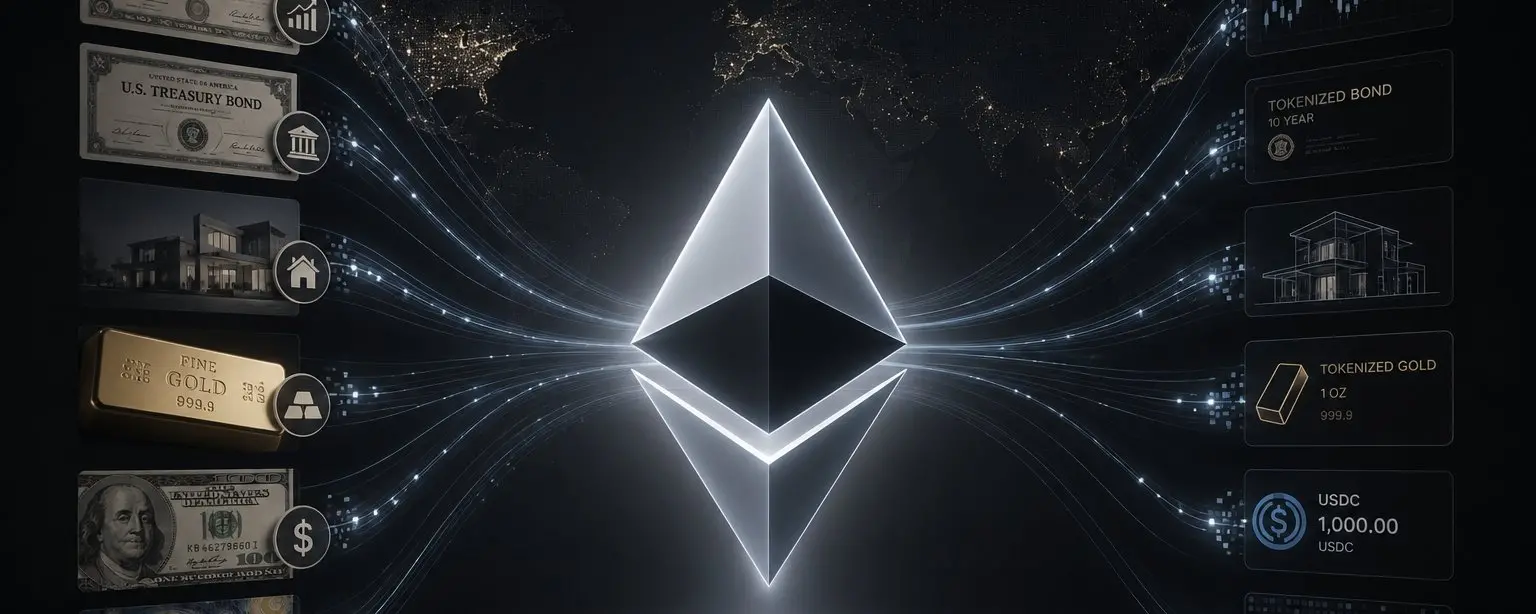
At the intersection of blockchain and traditional finance, the tokenization of Real-World Assets (RWA) is becoming a new trend in the crypto industry. Trillions of dollars in traditional assets have long remained in centralized systems or cold wallets, resulting in low liquidity and weak programmability. Tokenization can not only release liquidity but also introduce smart contracts and DeFi mechanisms into the traditional asset market. However, the development of RWA has been constrained by institutional, legal, and technological barriers.
Recently, two reports published by Tiger Research, "How Plume Captured 50% of RWA Investors Secretly" and "How Plume Is Positioning for the $16 Trillion RWA Market," provide a detailed analysis of Plume. The reports show that Plume has captured over 50% of RWA investors in just a few months and has rapidly built a market-leading position through technological innovation, regulatory compliance, and ecosystem expansion. This article offers an in-depth interpretation of Plume's strategic logic, product design, ecosystem construction, and potential risks from the perspective of an independent researcher.

Market Logic of RWA: Why It Is the "Next Blue Ocean"
The core value of RWA lies in the tokenization of traditional assets (such as U.S. Treasury bonds, corporate bonds, notes, real estate rights, etc.), making them divisible, tradable, and combinable on the blockchain. Its potential is mainly reflected in three aspects:
Liquidity Release
Traditional financial assets often face issues such as limited trading venues and time windows. For example, large bond transactions usually require bank facilitation or over-the-counter trading. However, after tokenization, all-day on-chain trading can be realized, allowing small investors to participate in the liquidity market.Space for Financial Innovation
Tokenized assets can be embedded in various financial structures such as DeFi lending, market-making, and yield aggregation, forming programmable assets. For instance, Plume's $nBASIS can be staked, combined into strategies, or lent within the protocol, enhancing capital efficiency.Bridging Traditional and Crypto Capital
RWA provides compliant entry opportunities for institutional capital while introducing predictable cash flows and low-volatility yield products to DeFi, thereby attracting risk-sensitive investors into the on-chain ecosystem.

Despite its enormous potential, the realization of RWA still faces three major challenges:
Compliance Risk: Does tokenized asset constitute a security? How to meet cross-border regulatory requirements?
Custody and Credit Risk: How to ensure asset ownership and legal validity?
Technical Boundaries: How to integrate on-chain settlement with fiat currency and traditional financial systems?
Plume's Strategic Core: Dual Drive of DeFi + Compliance
Plume's growth logic differs from most RWA projects, and its strategy can be summarized in three aspects: product innovation, proactive regulatory engagement, and technological infrastructure development.
1. Product Innovation: DeFi First
Plume designs RWA as products that can actively participate in DeFi rather than merely as yield tools. This is specifically reflected in:
Composite Tokens: By converting low-risk Treasury bonds and corporate bonds into synthetic assets like $nBASIS and $nTBILL that can be used in DeFi protocols, investors can utilize these assets in lending, market-making, or yield aggregation strategies. For example, $nTBILL holders can participate in the Nest staking protocol, earning stable returns while also engaging in on-chain liquidity incentives.
Liquidity Incentive Mechanism: Plume enhances asset activity through on-chain mining, liquidity rewards, and other means, ensuring that investors not only hold assets but also participate in ecosystem operations. This strategy has quickly attracted a large number of crypto-native users in a short time.

Through these designs, Plume transforms RWA from "dead assets" into combinable capital, forming a product structure that is highly compatible with the DeFi native ecosystem.
2. Proactive Regulatory Engagement
Tiger Research emphasizes that Plume's success is inseparable from its proactive regulatory strategy:
Communicating with regulatory authorities in major markets such as the U.S. and Hong Kong to promote "innovation exemption" policies;
Fully considering legal attributes in token design, ensuring that assets comply with regulations while being tradable on-chain;
Enhancing institutional investor trust through regulatory transparency, creating conditions for large capital inflows.
This strategy shows that Plume is not only targeting retail and DeFi users but is also building trust barriers for institutional capital, laying the foundation for long-term market stability.

3. Technological Foundation and Cross-Chain Capability
Plume has made key integrations in its infrastructure:
Native USDC Support: Ensuring the stability and settlement convenience of fiat-pegged assets;
CCTP V2 Cross-Chain Protocol Integration: Achieving instant asset flow between multiple chains, reducing bridging delays and counterparty risks;
On-Chain Transparent Auditing: Asset flow, TVL, and holding data are traceable, allowing investors and auditors to clearly understand risk distribution.
This technological layout ensures that Plume has a low-friction advantage in attracting institutional capital and expanding its ecosystem while reducing potential operational risks.
Ecosystem Expansion and Market Performance
Tiger Research data shows that Plume has captured over 50% of RWA investors, with its market penetration achieved mainly through the following means:
Protocol Ecosystem Expansion
Plume has built a multi-layer protocol ecosystem, including the Nest staking protocol, liquidity aggregators, and RWA trading tools, providing users with diverse financial operation pathways.Diversification of Tokenized Products
From $nTBILL and $USTB to Treasury derivatives, Plume meets the needs of different risk and return preference investors. For example, $USTB provides high liquidity for short-term funds, while $nTBILL is more suitable for stable return strategies.Cross-Chain Liquidity and Exchange Access
Collaborating with exchanges like Bithumb and Upbit to enable asset circulation across multiple chains, enhancing trading depth and liquidity.On-Chain Data Performance
Data from DefiLlama and others show that Plume's TVL has rapidly increased in a short period, with a significant rise in active users and asset inflows, creating a network effect that makes it easier for new users to choose Plume as an entry point for RWA investments.

Potential Risks and Challenges
Despite Plume's strong growth, independent analysis should still focus on potential risks:
Insufficient Data Transparency: The "50% market share" mentioned in the report lacks a public methodology, requiring clarification on statistical criteria, holder definitions, and time windows.
Concentration Risk: Short-term funds are concentrated in a few protocols or custodians, and if operational or counterparty issues arise, it may trigger systemic shocks.
Regulatory Policy Changes: Global RWA regulations have not yet been unified, and adverse policy changes may limit the legality of certain assets or protocols.
Technical and Legal Boundaries: While cross-chain settlement is convenient, the legal enforceability of tokenized assets still relies on custodians and traditional financial systems.
Macroeconomic and Market Volatility: Interest rates, credit risks, and market sentiment will directly impact RWA returns, and short-term growth in on-chain data does not equate to long-term safety.

Insights and Recommendations from an Independent Perspective
For investors, it is essential to review custody contracts, legal opinions on underlying assets, audit reports, and settlement processes before allocating to Plume or its ecosystem products to ensure manageable risks.
For regulatory agencies, collaborating with innovative projects like Plume through sandbox mechanisms can explore the legal enforceability of tokenized securities and establish industry standards.
For the Plume team, it is recommended to continue publicly sharing methodologies, expand asset types, and introduce diverse custody partners to reduce concentration risks and enhance long-term robustness.
Conclusion
Plume's rapid rise relies not only on technological innovation and product design but also on keen insights into market demand and proactive responses to the regulatory environment. Through DeFi-native products, infrastructure integration, and compliance layout, Plume has formed a short-term advantage in the RWA space that is difficult to replicate.
However, short-term growth does not equate to long-term stability. Investors and industry observers should pay attention to Plume's compliance practices, asset expansion, and legal enforceability to assess its long-term potential in the RWA space. Plume's experience also suggests to the entire RWA field that technology, market, and regulation must advance in coordination to achieve deep integration of traditional assets and blockchain ecosystems.
 Risk warning Risk warning