Daily Observation of the Cryptocurrency Industry: IMF Analyzes Tokenized Finance for the First Time in a Dedicated Chapter, 65 Billion RWA Market Faces Dual Scrutiny of "Efficiency and Mismatch"

 Released on October 14, 2026. Traditional international multilateral financial organizations have officially included the tokenization of real-world assets (RWA) into the global systemic risk monitoring radar. The International Monetary Fund (IMF) has historically opened a dedicated chapter in its latest October Global Financial Stability Report (GFSR) to discuss the asset tokenization market for the first time. Data shows that as of the end of July, the public tokenization RWA market size, excluding repurchase agreements and stablecoins, has reached approximately $65 billion, with the daily trading volume of tokenized repurchase agreements exceeding $300 billion. The IMF has acknowledged the potential of tokenization to enhance settlement efficiency but has also issued a stern warning about the systemic risks that may arise from liquidity mismatches, high volatility, and the lack of central bank digital currency clearing.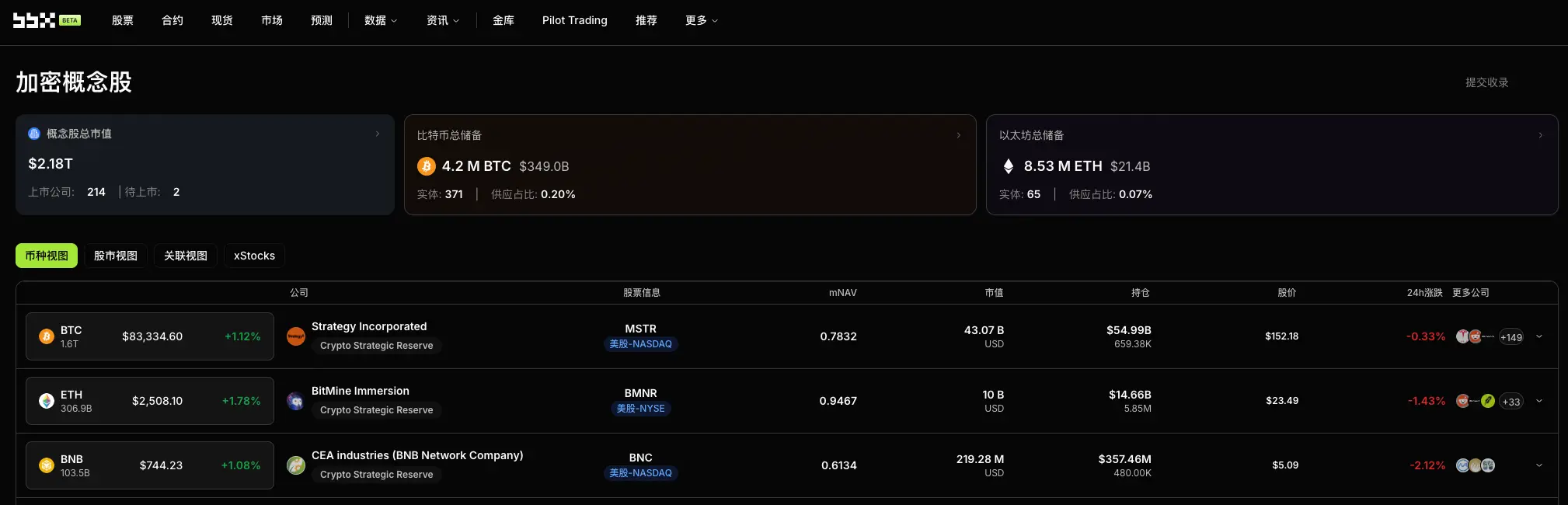
Market Overview: $65 Billion Public Scale, Tokenized Repo Surpasses $303 Billion Daily Trading
As traditional financial institutions rush to move traditional assets onto distributed ledgers, tokenized assets are rapidly forming segmented hierarchies.
According to the IMF report, as of the end of July 2026, after excluding tokenized repos and fiat stablecoins, the total scale of tokenized real-world assets (RWA) in the global public market has reached approximately $65 billion. From a structural distribution perspective:
Private Credit: The highest proportion, with a scale of about $30.4 billion;
Tokenized Money Market Funds (MMFs): Following closely, with a scale of about $17.5 billion;
Tokenized Equities: With a scale of about $2.3 billion.
Notably, tokenized repos, dominated by institutional-level financial institutions, have shown astonishing capital turnover depth, with a 30-day average daily trading volume reaching $303 billion, becoming a core pillar supporting inter-institutional intraday liquidity management.
Micro Characteristics of Tokenized Equities: High Concentration, Non-Traditional Trading Hours, and High Volatility
In an empirical study of the segmented market for tokenized equities, the IMF revealed a set of highly differentiated and Web3-native microdata:
Issuance Oligopoly: The issuance channels for tokenized equities show extremely high concentration, with Ondo Finance and Backed Finance (which includes the xStocks ecosystem) together accounting for over 70% of the market share;
All-Day Trading Dominance: Over 50% of tokenized equity trading occurs outside of traditional U.S. stock market trading hours (including pre-market, after-hours, and weekend periods), fully demonstrating the appeal of on-chain all-day trading to global retail and cross-timezone investors;
Fractionalization and High Speculativeness: About 80% of individual transaction sizes are less than 1 whole share, exhibiting significant retail long-tail characteristics; however, in contrast to high flexibility, the price volatility of tokenized equities in the secondary market is about 1.5 times that of the traditional underlying spot market, and the actual market liquidity depth is significantly lacking compared to traditional exchanges.
Double-Edged Sword Effect: Leverage Accumulation, Mismatch of Terms, and Absence of Central Bank Monetary Settlement
The IMF comprehensively assessed the potential spillover risks of tokenized infrastructure on the traditional financial system in its report:
Structural Leverage and Mismatch Risks: Although the current asset volume of $65 billion poses "limited systemic risk" to the global sovereign market worth tens of trillions of dollars, tokenized assets can be used as collateral for multiple nested circular lending, making them an easy new channel for rapid accumulation of implicit leverage and severe mismatches in liquidity and terms. Coupled with operational risks such as smart contract vulnerabilities and congestion in underlying public chain networks, the vulnerabilities cannot be ignored;
Sovereign Credit Concerns of Settlement Tools: The IMF particularly emphasized that the current tokenized capital market is facing the dilemma of "lack of a clearing anchor." In the absence of interoperable central bank digital currencies (CBDCs) or wholesale-level central bank settlement tools, private stablecoins and tokenized commercial bank deposits will inevitably become the core clearing tools for buying and selling tokenized assets. This not only exposes the final settlement of traditional securities markets to the single credit default risk of issuers but also triggers high concentration risk at clearing nodes.
New Starting Point for Tokenized Compliance Under Global Financial Pressure
Based on the IMF's overall assessment of the macro financial environment, the global financial system is currently still in a high-risk operating range characterized by multiple intertwined pressures, with major risk exposures concentrated in potential corrections in artificial intelligence (AI) concept asset prices, significant upward pressure on global sovereign bond yields affecting public finances, and increasingly severe cybersecurity attack threats. In this context, tokenized RWA serves as both a remedy to reduce traditional clearing costs and release liquidity, as well as a fuse connecting the high volatility of crypto with traditional stable assets. The IMF's first dedicated chapter marks a significant shift in global regulatory scrutiny of RWA, moving beyond the "innovation sandbox" phase. In the future, the formulation of multinational rules regarding the issuance access of tokenized assets, concentration disclosure, and central bank-level atomic settlement facilities is bound to see more binding policy tightening by the end of 2026.
Source: https://bbx.com/ Crypto Concept Stock Information Database, compiled based on yesterday's announcements from global listed companies and SEC/TSE disclosure documents.
 Risk warning