BTC $64,962.10 +0.68%
ETH $1,823.12 +0.65%
BNB $590.03 +0.00%
XRP $0.9581 +0.85%
SOL $71.34 +0.01%
TRX $0.3069 +0.57%
DOGE $0.0593 +1.12%
ADA $0.1527 -0.25%
BCH $207.46 -0.03%
LINK $9.16 -0.70%
HYPE $66.88 +0.69%
AAVE $107.34 +0.68%
SUI $0.7201 +0.46%
XLM $0.1374 -0.59%
ZEC $889.18 -0.95%
AAPL $353.91 -0.72%
AMZN $258.89 -1.64%
GOOGL $287.12 -1.51%
MSFT $522.52 +0.52%
META $626.89 -0.95%
NVDA $156.50 -2.42%
TSLA $379.64 -1.90%
SNDK $820.05 -4.29%
INTC $55.68 -3.43%
SPCX $136.86 -1.35%
MU $727.90 -3.97%
AMD $508.23 -2.41%

apo

All
Article
Flash

first_img The Monetary Authority of Singapore and the Deutsche Bundesbank test cross-border digital asset settlement connections

The Monetary Authority of Singapore (MAS) and the Deutsche Bundesbank have successfully tested the connection between their digital asset settlement solution testing environments to support cross-currency and cross-operating hour wholesale settlements between Singapore and Germany. This collaborative project, named Project Simbolon, marks the first significant milestone following the signing of a memorandum of understanding for cross-border digital asset settlement cooperation by the two institutions in November 2025.The testing involved DBS Bank and Deutsche Bank, with Partior providing technical support, and it included payment-versus-payment settlements for foreign exchange transactions between the euro and the Singapore dollar using wholesale central bank digital currencies. Zero-knowledge proof technology enables both environments to verify whether settlement conditions are met without requiring direct technical integration between the two central bank ledgers. The project also explores the application of related arrangements in scenarios such as securities trading and intraday liquidity management.MAS and the Deutsche Bundesbank stated that they will continue to explore further applications of cross-border digital asset settlement interoperability with industry partners, including settlement performance optimization and the legal, regulatory, operational, and governance matters involved in broader applications.

AI infrastructure stocks have evaporated $4.2 trillion since June

Since June of this year, the combined market value of global manufacturing, utility, and mining companies has evaporated by $4.2 trillion, nearly wiping out half of the $9.4 trillion increase in these sectors over the previous year. Companies that previously benefited from the AI data center construction boom, known as "shovel sellers," are now facing concentrated sell-offs. The industrial sector has become the second worst-performing sector of the S&P 500 index this summer, only behind the technology sector.Among them, data center gas power equipment supplier Caterpillar has fallen 44% since its historical high at the end of June, with a market value loss of about $21.4 billion; nuclear power company Oklo's stock price has dropped by 49%. HVAC manufacturer Comfort Systems and fiber optic manufacturer Corning have also lost about half of their market value during the same period.Analysts believe that a large influx of institutional funds into AI infrastructure transactions previously inflated the valuations of some traditional industrial companies, with investors pricing them as semiconductor growth stocks. The uncertainty of regulatory policies for data center construction after the U.S. midterm elections has also intensified selling pressure. Caterpillar's backlog of orders has reached a record $78 billion, with power generation sales up 75% year-on-year; Siemens' backlog of orders for data center electrical equipment has increased by 60%, reaching €7 billion; Eaton's related orders have doubled year-on-year. Some companies expect that the existing backlog of orders can at least support revenue growth until 2027, while some analysts simultaneously warn that companies may have duplicate orders and oversubscriptions, and the order data may not fully reflect real demand.

first_img FutureBit Apollo III miner makes its offline retail debut, available at four Micro Center locations

According to Bitcoin Magazine, Brooklyn-based consumer-grade Bitcoin miner manufacturer FutureBit announced that the Apollo III Full Node will go on sale this Friday at four Micro Center locations, marking the company's first entry into offline retail channels. The stores are located in Brooklyn, Miami, Tustin in California, and Austin in Texas, with the Austin store being the 31st Micro Center location in the United States. Consumers can also reserve online and pick up in-store; FutureBit has not disclosed the inventory and retail pricing for each store.According to FutureBit's official website, the Apollo III Full Node without a hard drive is priced at $1,099.99, while the versions with 1 TB and 2 TB SSDs are priced at $1,299.99 and $1,399.99, respectively. The Standard version for mining starts at $899.99. The machine's Turbo mode has a maximum hash rate of about 18 TH/s and a power consumption of about 325 watts; Eco mode has about 12 TH/s, 150 watts, and noise below 35 decibels; Super Eco mode has about 8 TH/s and 80 watts. The entire unit is a 6.5×6.5×6 inch cube, weighs 6.5 pounds, uses a 3-nanometer chip designed in the United States with 8 GB of memory, has a built-in independent mining pool, is assembled in the United States, and comes with a one-year limited warranty.FutureBit founder John Stefanopoulos stated that in the early days of the company, they would purchase parts weekly from the DIY electronics section of the Brooklyn Micro Center, and now consumers can walk into the same store to learn about Bitcoin mining and take home a miner on the spot. FutureBit has been developing consumer-grade miners since 2015. Bitcoin Magazine previously reported that on October 26, a user mined block 973262 using FutureBit's Apollo Solo solution, receiving a block reward of 3.154 Bitcoins.

first_img Analyze: The purchase of Montra tokens is a personal decision, and I apologize to the team

Analyze, responsible for the extensive marketing and operational strategies of the Elysium ecosystem token issuance platform Ascend, responded to related doubts about Spinor and the Ascend community. Analyze stated that the plan to purchase tokens from the ecosystem issuance platform Montra was made solely by him, and other team members were not involved in that decision. He mentioned that one or two days before the token launch, he transferred $100,000 to a wallet to establish a position, viewing this as a business arrangement for Ascend, believing that companies often purchase equity in competitors through strategic investments, and purchasing Montra was similar. Analyze stated that the relevant tokens were purchased after the launch, and any market participant could perform similar operations.Analyze also mentioned that after learning about the purchase of Montra tokens, a friend created a FOMO wallet and suggested transferring the tokens to that wallet. He admitted that a large number of comments were handled by him before the release, and he did not stop them, allowing them to continue, calling this practice extremely unprofessional and apologizing for it. Analyze stated that unexpected situations arose on the day of the launch, leading him to make irrational decisions, and he also pushed Tommy to acquire more supply, while Tommy initially expressed opposition. Analyze publicly apologized to Tommy, the rest of the Ascend team, and the community, stating that his decision put all parties in the current situation, and he takes responsibility for it.

The seven sisters of the U.S. stock market evaporated about 1.04 trillion U.S. dollars in a single day, and the cloud giants experienced negative cash flow

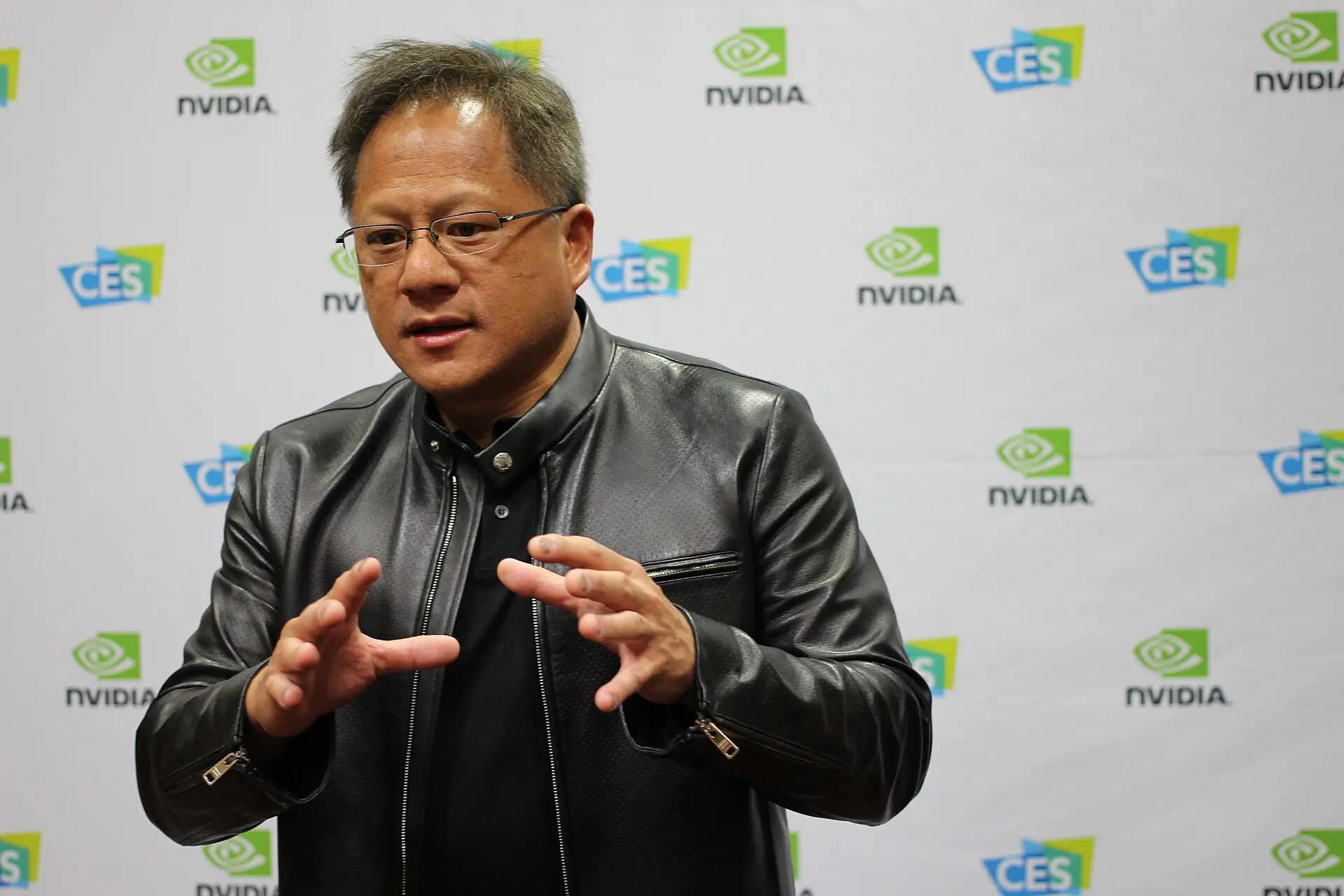
After the U.S. midterm elections, concerns about tightening AI regulations and slowing data center construction have intensified, leading to a significant sell-off in U.S. tech stocks. On November 5, the "Seven Sisters" of U.S. stocks lost approximately $1.04 trillion in market value in a single day, with Nvidia dropping 9.26%, resulting in a loss of over $440 billion in market value, which is 2 to 4 times the decline of core clients like Microsoft, Google, and Amazon.The financial pressure on AI infrastructure investment is increasing. In the third quarter of this year, the combined operating cash flow of Microsoft, Google, Amazon, and Meta was no longer sufficient to cover fixed asset expenditures, with a funding gap of about $26.4 billion, whereas a year ago, the four companies still had a cash flow surplus of about $61.7 billion. Amazon's free cash flow turned from $14.8 billion in the past 12 months to a net outflow of $42.4 billion, while Meta's free cash flow turned negative for the first time in over a decade, and Google's long-term debt increased from about $20 billion to $125 billion.On Election Day, out of 41 local propositions related to data centers in 10 U.S. states, 40 of the voting results leaned towards restricting development, with 27 restrictive or oppositional propositions being passed. Research firm SemiAnalysis predicts that the impact of related policy changes on projects already underway by 2027 will be limited, but it may affect computing power expansion plans for 2028 and beyond. More than 90% of Nvidia's revenue comes from data center business; during the same period, Google Cloud's operating profit in the third quarter reached three times that of the same period last year, AWS's operating profit increased from $11.4 billion to $17.8 billion, and Microsoft Azure's revenue grew by 48%.
app_icon
ChainCatcher Building the Web3 world with innovations.