








PYUSD received a subpoena from the SEC, is PayPal's stablecoin dead on arrival?

 Libra, BUSD, this time it's PYUSD's turn.
Author: Loopy, Odaily Planet Daily
Today, the stablecoin market has once again encountered a significant upheaval.
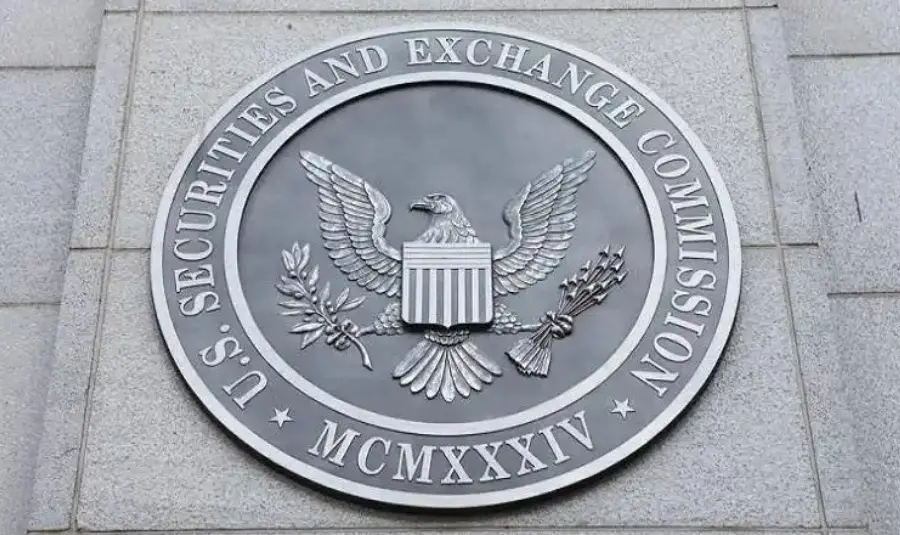
Documents disclosed by PayPal indicate that PayPal has received a subpoena from the SEC's enforcement division regarding PayPal's dollar stablecoin (i.e., PYUSD), requiring PayPal to produce a series of documents. PayPal stated that the company is cooperating with the SEC on this request.
In August 2023, PayPal officially launched its dollar-pegged stablecoin PayPal USD (PYUSD), marking the first time a large financial company has issued its own stablecoin. PayPal USD is based on Ethereum (ERC 20), issued by Paxos Trust Company, and is fully backed 100% by US dollars, short-term US Treasury bills, and similar cash equivalents, allowing for a 1:1 exchange with the dollar.
The expansion of this stablecoin business is not only crucial for PayPal's crypto strategy but also for Paxos. Previously, Paxos's flagship product BUSD was halted by regulators, leading to a downturn in Paxos's stablecoin business. With the issuance of PYUSD through this collaboration, Paxos may also have the opportunity for recovery.
According to CoinMarketCap data, as of now, PYUSD has a circulating market value of $158 million. Although this figure is quite small compared to mainstream stablecoins, it is still a good start.
At the launch, PayPal President and CEO Dan Schulman stated, "The shift to digital currencies requires a stable tool that is both digitally native and easy to connect with fiat currencies like the dollar. Our responsible commitment to innovation and compliance, along with our track record of providing new experiences for customers, lays the necessary foundation for driving the growth of digital payments through PayPal USD."
What Are the Risks of PYUSD?
In September 2023, PayPal launched PYUSD for Venmo customers. Venmo is a mobile payment service owned by PayPal.
It is not uncommon for giants to venture into stablecoins. One encouraging aspect of PayPal's stablecoin is that it is primarily for US customers. Given the stringent crypto regulations in the US, this also somewhat represents the compliance that PYUSD possesses.
PayPal's president pointed out that PYUSD is "a fully backed, regulated stablecoin that has the potential to change the way payments are made in the web 3 and digital native environments."
However, this project now faces potential significant setbacks. We can't help but ask, what exactly has happened with PYUSD?
In the documents disclosed, PayPal stated that the custodial partners and PYUSD issuers it chose are under regulatory supervision, meet capital requirements, and comply with audit and compliance industry certifications, as well as cybersecurity policies.
However, they also honestly stated that if any custodian (or issuer) experiences operational disruptions or fails to adequately protect the held cryptocurrencies (or reserve assets), it could lead to customer asset losses. This could expose PayPal to customer claims, diminish consumer confidence, and have a significant impact on its operating performance and cryptocurrency products.
Additionally, there are more risks from custodians, such as unauthorized access, theft, destruction, and insufficient insurance coverage.
The bankruptcy of custodians is also seen as a risk of uncertainty. PayPal disclosed that, although various regulatory frameworks exist, the custody of crypto assets still involves unique uncertainties. Sometimes, the custodial crypto assets may be considered not part of the custodian's bankruptcy estate. Currently, bankruptcy courts have not clarified the appropriate treatment of digital asset custody holdings in bankruptcy proceedings. If a custodian goes bankrupt, the outcome will be fraught with uncertainty due to the lack of precedents.
But it should be made clear that the SEC is only requesting documents from PYUSD to assist in its investigation.
There are no public documents indicating the SEC's specific demands (such as directly classifying it as a security like BUSD). Currently, the documents disclosed by PYUSD show the potential risks of this stablecoin, but both PayPal and the SEC are still in a state of missing detailed information. This event is bound to continue for a longer time, awaiting more information disclosure.
The Next Libra or the Next BUSD?
In 2019, Facebook officially announced the digital currency Libra, an event that shocked the entire industry. Although Libra ultimately failed for various reasons, the crypto exploration of this global giant with 3 billion monthly active users still crafted a grand narrative for the integration of the "mainstream world" and the "crypto world."
Among various speculations and studies, a considerable number of people believe that Libra's biggest dilemma lies in regulation. Its stability mechanism created a significant clash and rift with the traditional world.
PayPal's stablecoin has already expanded to Venmo, and combined with PayPal's business scenarios, it will undoubtedly generate rich application scenarios. This will greatly increase the difficulty of anti-money laundering. As regulatory efforts strengthen across various fields, anti-money laundering and compliance requirements remain an ever-present shadow for crypto companies.
The regulatory treatment of stablecoins is continuously evolving and has drawn significant attention from global legislative and regulatory bodies, including the US Securities and Exchange Commission. In practice, the ongoing changes in federal, state, and international laws and regulations create uncertainty regarding how they will apply to stablecoins, and PYUSD may face substantial costs to operate and comply with any additional or changed requirements.
After the story of Libra ended, BUSD once again demonstrated the vulnerability of stablecoins in the face of regulation. Once a stablecoin giant with a market value of up to $15 billion, ranking among the top three in the market, it almost overnight announced the end of its reign.
Currently, with a market value of just over $100 million, PYUSD, still in its infancy, is facing an SEC investigation request. Will the future of PYUSD repeat the misfortunes of its predecessors?
 Risk warning Risk warning




Popular articles





