








From decentralized utopia to casino, why has Web3 become a capital-dominated speculative paradise?

 The true dream of decentralization still exists. Settlers continue to arrive, hoping to get rich, but in the end, most leave poorer than when they arrived.
Author: hmalviya9, Founder of @dyorcryptoapp
Compiled by: Rhythm Little Deep
Editor’s note: The article explores the process by which the ideal of decentralization in Web3 is gradually being eroded by capitalism: initially established by pioneers pursuing freedom, Web3 attracted capitalists due to the scarcity of block space like Bitcoin, and then the expansion of new territories like Ethereum and technologies such as Layer-2 led to an oversupply of block space and a decline in value; despite the continuous emergence of new lands, Web2 users hesitated to migrate due to complexity and risk, while major players like exchanges and market makers profited by manipulating the market, ultimately leading Web3 to deviate from its original intention and become a capital-dominated speculative paradise.
Here is the original content (reorganized for better readability):
We have two digital planets: Web2 and Web3.
The Web3 planet is quite new—it was initially established by pioneers who believed in decentralization, freedom, and autonomy. In its early days, it was a wild, uncharted land with no rulers, only builders.
But then, a bridge was established between Web2 and Web3. At first, only a few capitalists from Web2 arrived, attracted by the raw potential of this new world. They stood by, observing, analyzing the terrain, understanding the rules, and identifying the most valuable territories.
The first wave of large-scale colonization began with Bitcoin—the most precious nation on the Web3 island. It was a scarce land with clear ownership, where power belonged to those who understood its fundamental principles.
But once the first settlers gained control and accumulated wealth, they began to expand. They discovered that Web3 was far more than just Bitcoin. There was vast untapped land waiting to be shaped. Soon, they moved beyond Bitcoin, establishing new territories—Ethereum, Solana, Polkadot, and countless other domains.
As more land was discovered, the competition to carve up new nations intensified. Initially, block space was scarce. The earliest blockchains operated under strict limitations—every transaction required space, and space was not abundant. This scarcity endowed block space with immense value. Owning a small piece of block space meant having a place in the new digital economy. But as competition intensified, innovation followed.
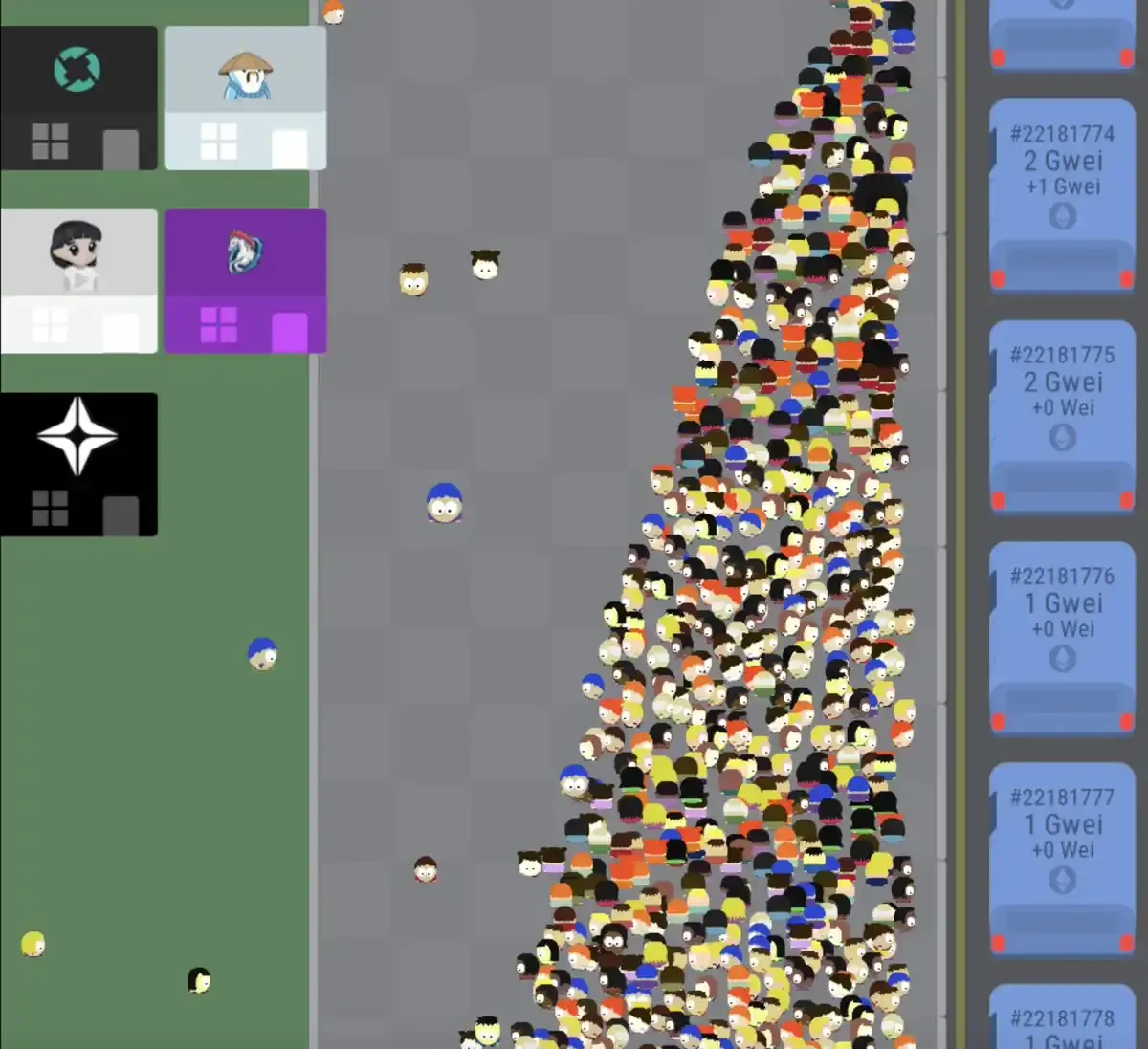
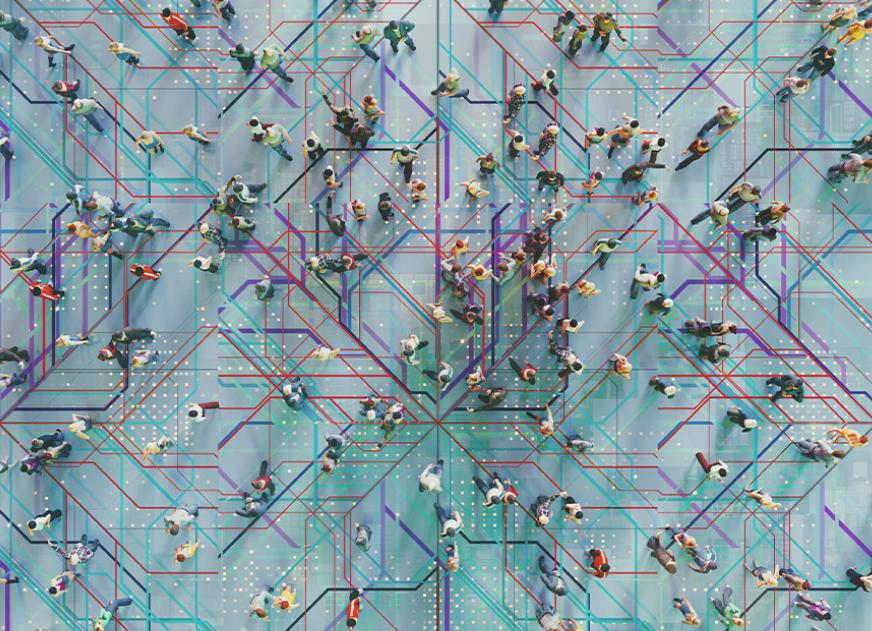
Ethereum Transaction Visualization
More efficient ways of creating block space emerged. Layer 2 solutions, Rollups, alternative chains—each brought a wealth of new land to the Web3 planet. What was once scarce became abundant.
Builders no longer fought over limited space; instead, they created endless new land to meet the growing demand for settlement. But the oversupply of block space brought unexpected consequences.
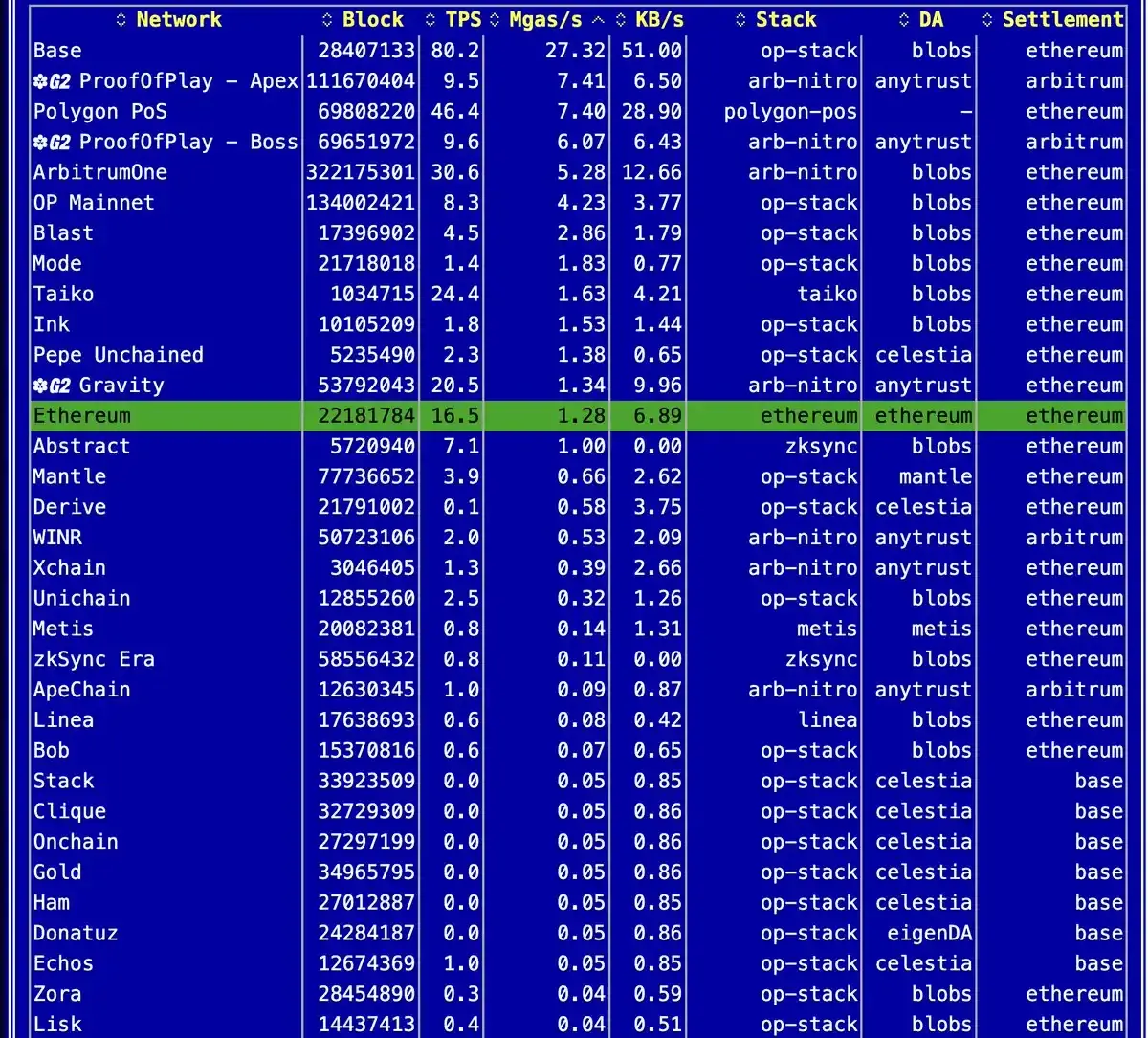
Image Source: rollup.wtf
What was once precious became cheap. The cost of storing transactions—once a key economic force—plummeted. The promise of cheap block space was supposed to attract millions of new Web2 settlers, but reality proved otherwise.
Web2 people hesitated.
They had heard stories of adventurers entering Web3, drawn by the promise of wealth, only to be devoured by predators. Some Web2 residents did take the plunge, lured by tales of overnight riches.
They entered Web3 hoping to carve out a place in the new economy. Many started by purchasing small plots of land—various tokens, each promising future value. They traded, speculated, and started businesses, believing they were at the forefront of the next great revolution.
But they did not realize that Web3 had already been structured by the earliest settlers and the most powerful capitalists. The rules of the game were not explicitly written down, but those who controlled the land knew them well. As more Web2 people migrated in, they unwittingly fell into a trap. The complexity of Web3 was daunting.

There were too many new nations, each with different rules, and scams disguised as opportunities proliferated. Major players controlled the flow of information, manipulated the market, inflated values, and pulled the rug out from under unsuspecting settlers.
The Web3 planet became a playground for those who knew how to extract wealth from the ignorant. Even though block space was cheaper than ever, adoption remained slow. The dream of a mass migration from Web2 to Web3 was fading.
New land promised a seamless user experience, but never reached the familiarity and convenience offered by Web2. Quick incentive promises were insufficient to sway people—Web2 individuals had seen too many peers get burned.
They watched entire nations within Web3 rise and fall overnight, wealth gained and lost in the blink of an eye. Ordinary people hesitated, unable to see through the chaos. Yet, amid the turmoil, a thriving trading market emerged.
Web3's real estate—tokens—became the lifeblood of its economy. Everything was for sale. Each nation had its own assets, unique values, and promises for the future. The trading floor never stopped, open around the clock, driven by speculation, manipulation, and greed.
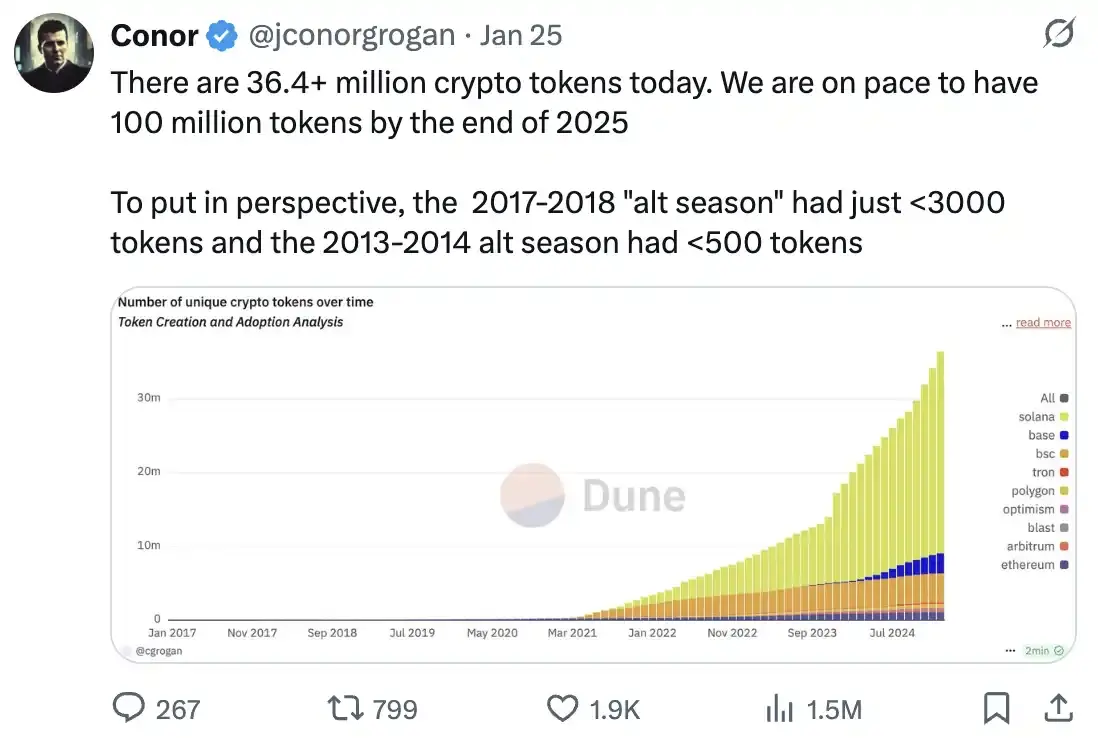
Some nations thrived temporarily, only to decline as attention shifted. New land was minted daily, sold to the highest bidder, with short-term profits doubling. The cycle was endless. And while settlers struggled, the true beneficiaries of Web3 thrived.
Bridge operators—exchanges—became gatekeepers, controlling the flow of assets between Web2 and Web3.
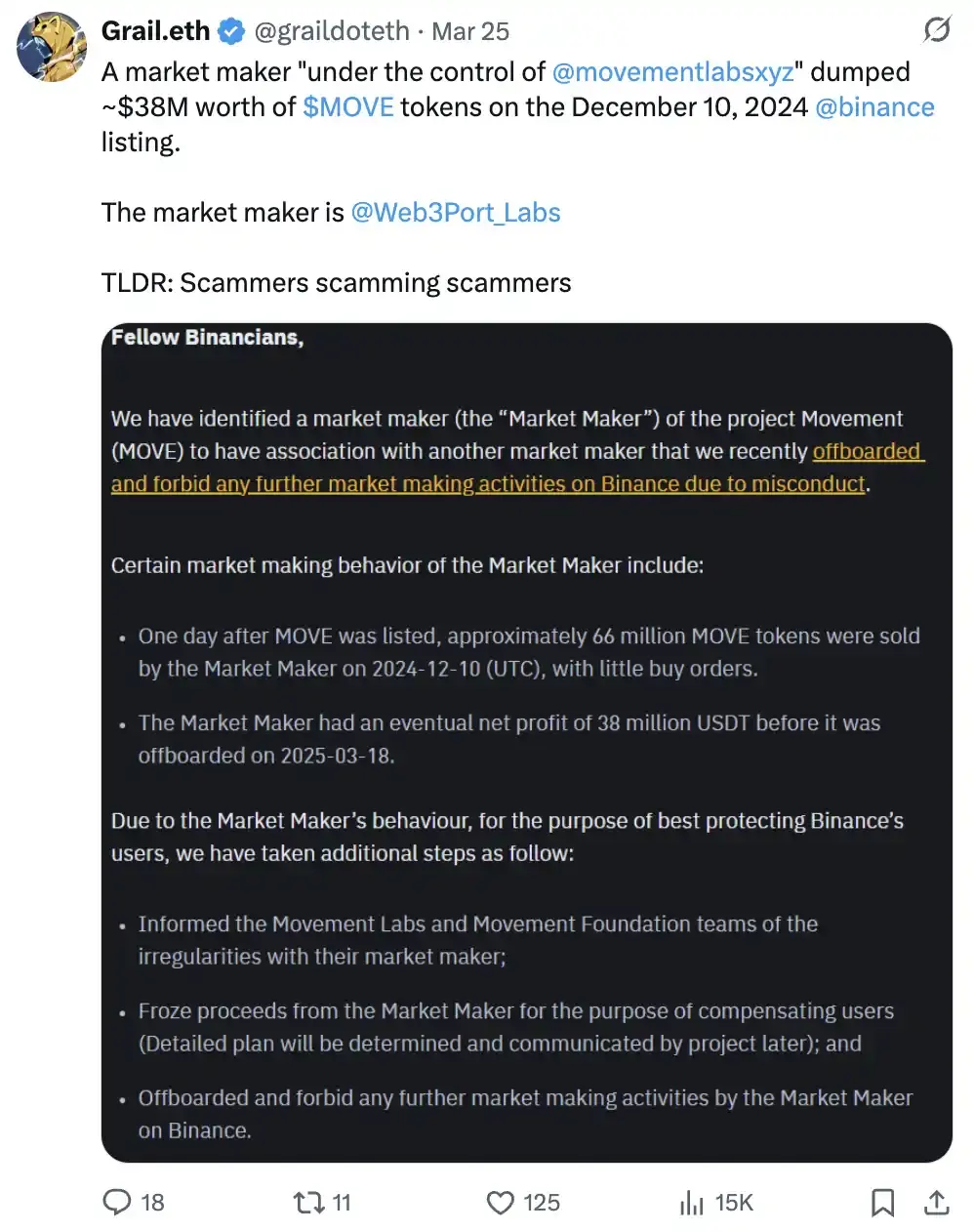
In short: scammers scamming scammers.
They profited every time someone entered or exited. Market makers—the hidden force managing liquidity—ensured every transaction was monitored, taking a cut from each. Developers kept building, not necessarily for innovation, but to create more land to sell. And what about marketers? They wove stories, crafted narratives, and sold dreams to the next wave of hopeful settlers.
The dark side of Web3 is that it is no longer truly decentralized. The early ideals of a free and open digital frontier have been replaced by the cold reality of capital.
The same forces that dominated Web2 have seeped into Web3. They not only settled but reshaped the planet to meet their own needs. Thus, the Web3 planet continues to expand, becoming an endless frontier of digital land, speculation, and fleeting opportunities.
The true dream of decentralization still exists. Settlers continue to arrive, hoping to get rich, but in the end, most leave poorer than when they arrived.
Meanwhile, those who control the system continue to extract, build, and dominate, ensuring that this planet remains shaped by them.
 Risk warning
 Risk warning


Popular articles





