The Wall Street Journal: The small country of Bhutan bets on Bitcoin mining

 This secretive Buddhist country has quietly established Bitcoin mining farms since 2020, utilizing its abundant hydropower resources to "mine" digital gold.
Author: Shan Li
Translation: Deep Tide TechFlow
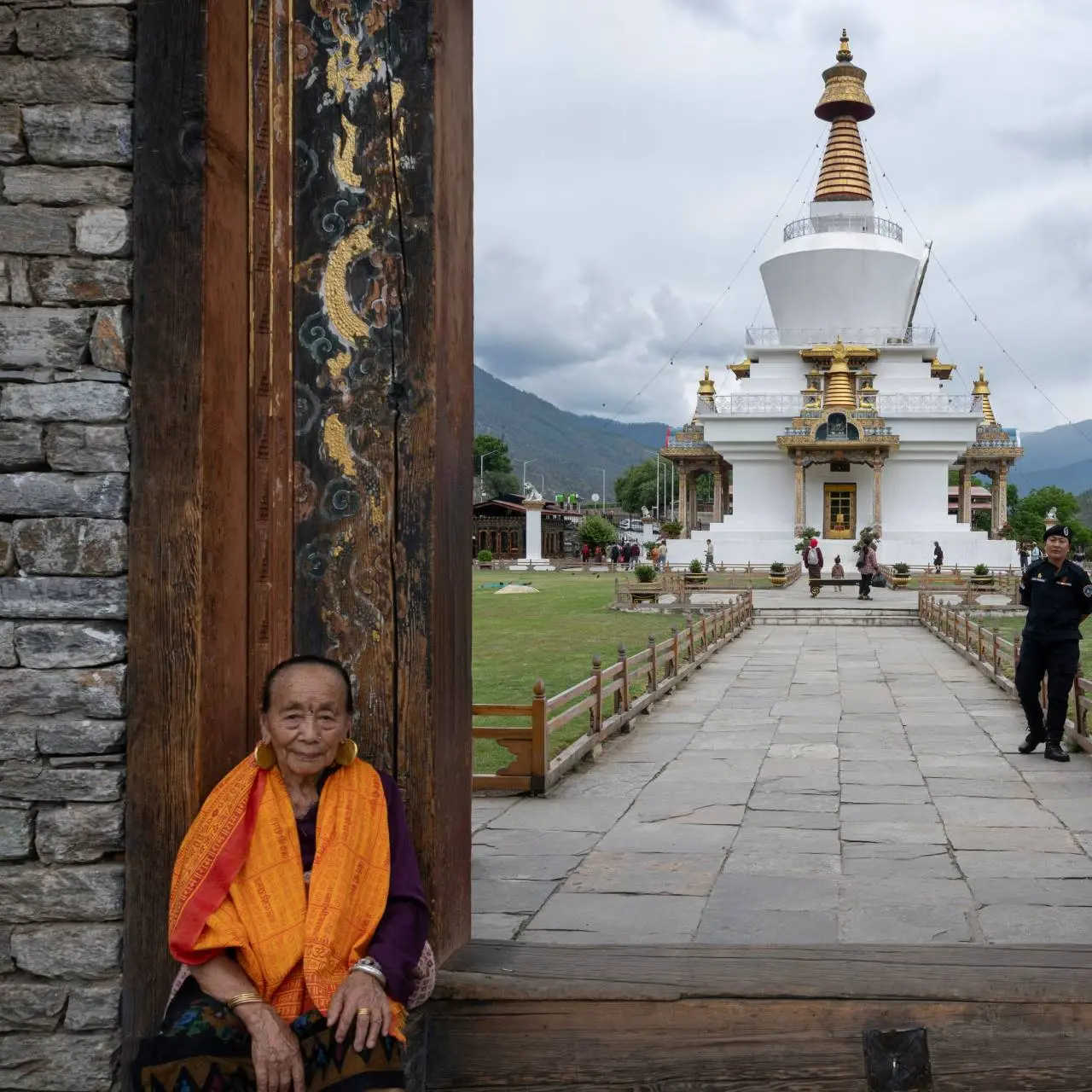
Bhutan remains rooted in ancient traditions, making it an unlikely pioneer in cryptocurrency.
Thimphu, Bhutan—this Himalayan nation, known for its stunning landscapes and national happiness index, has recently gained a new title: cryptocurrency pioneer.
According to the cryptocurrency platform Arkham, Bhutan currently holds a Bitcoin reserve valued at $1.3 billion, equivalent to about 40% of the country's Gross Domestic Product (GDP). This makes Bhutan the third-largest holder of Bitcoin among governments worldwide, according to Arkham's data.
Unlike major cryptocurrency-holding countries like the United States or the United Kingdom, Bhutan's wealth has not come from seizing criminal assets or purchasing on the open market. Instead, this secretive Buddhist nation has quietly established Bitcoin mining operations since 2020, utilizing its abundant hydropower resources to "mine" digital gold.
"The choice for Bhutan is evident in many ways," said Ujjwal Deep Dahal, CEO of the Bhutan Sovereign Wealth Fund Druk Holding and Investments, which implemented the project. "We view Bitcoin as a store of value, similar to gold."
Many countries are exploring how to inject cryptocurrency into their financial systems. In March of this year, U.S. President Trump signed an executive order to create a national Bitcoin and other digital currency reserve.
Cryptocurrency experts point out that major powers want to seize the initiative in the cryptocurrency space, similar to New York and London’s dominance in traditional finance. For smaller nations, this is also seen as a potential economic boost. In 2021, El Salvador boldly attempted to adopt Bitcoin as legal tender, although its use has not become widespread.
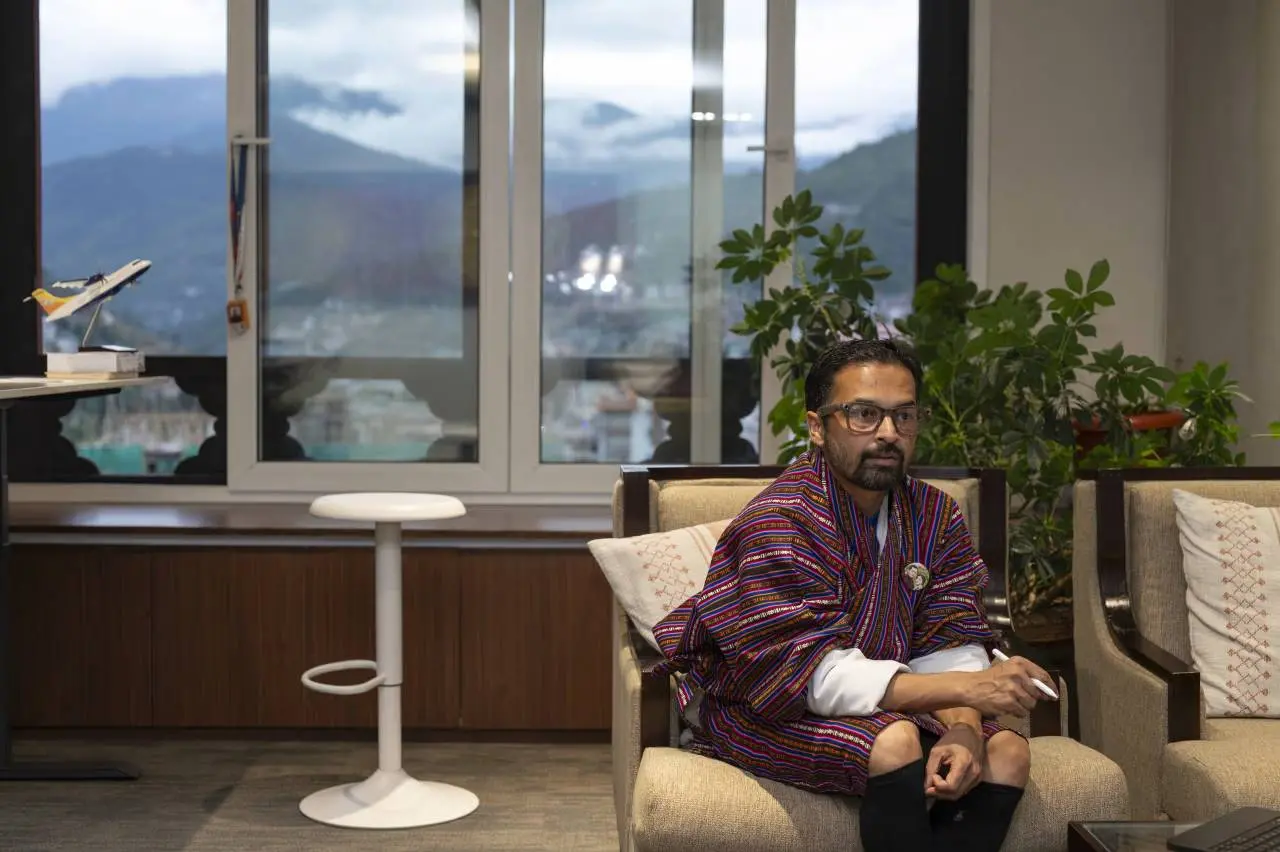
Ujjwal Deep Dahal, CEO of the Bhutan Sovereign Wealth Fund, is closely involved in the establishment of Bitcoin mining operations.
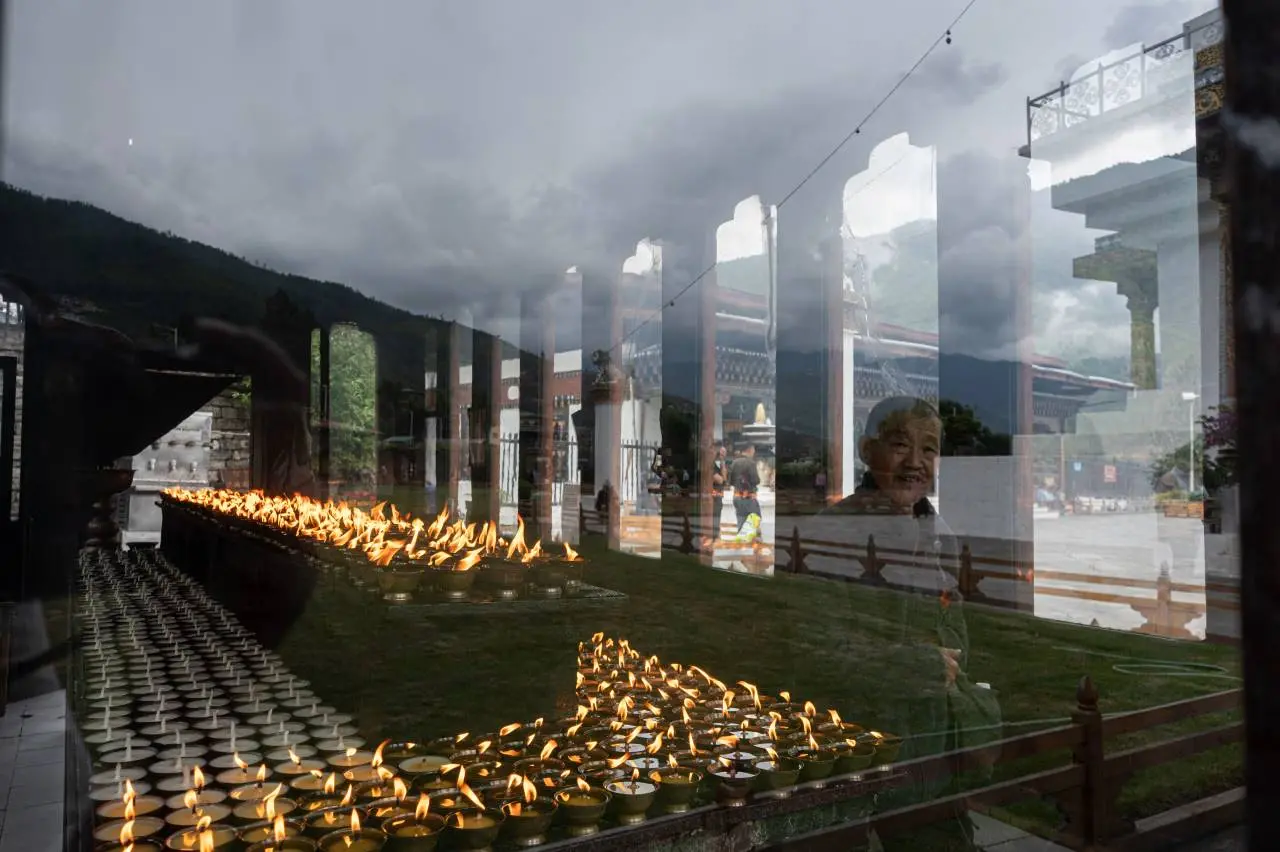
Bhutan is an isolated Buddhist nation.
However, Bhutan's bet on Bitcoin is not without risks. A decline in Bitcoin prices could severely impact government finances.
Nestled between China and India, Bhutan, with a population of only 780,000, is an unexpected pioneer in the cryptocurrency field. The country still retains many traditions: government officials wear traditional attire, men often don a knee-length robe tied at the waist; the capital Thimphu has no traffic lights; archery competitions are a popular weekend pastime. Bhutan's first credit card transaction dates back to 2010.
Bhutan measures economic progress through its "Gross National Happiness Index." However, this country, known as the "Land of the Thunder Dragon" (named for the thunderstorms that frequently sweep through its valleys), has long struggled to expand its economy beyond hydropower, agriculture, and tourism.
Since the COVID-19 pandemic halted tourism, Bhutan's economy has become even more challenging. Over the past five years, about 10% of the country's population has emigrated in search of better job opportunities.
"We are poor," said Dr. Lotay Tshering, a urologist who served as Bhutan's Prime Minister from 2018 to 2023. He added, "Many people call Bhutan the happiest country in the world. We are not."
When the 45-year-old King Jigme Khesar Namgyel Wangchuck, nicknamed the "Asian Elvis" for his handsome looks, sought ideas from officials on how to leverage technology for economic development, the idea of Bitcoin mining emerged.
It is uncommon for a sovereign nation to directly operate its own cryptocurrency mining business. But Bhutan has the key conditions for profitable mining: cheap electricity.
To mine new Bitcoins, computers must solve increasingly complex mathematical problems. In the early days of Bitcoin, enthusiasts often used home computers to generate new coins, but today’s large-scale mining requires power-hungry servers. Miners typically set up operations in remote areas with low electricity costs, like Kazakhstan.
"Bhutan's Bitcoin is like a battery, consuming our excess electricity in the summer," Dahal said, who has studied blockchain technology as a personal interest for years.
The plan was initiated in 2019 by the fund's R&D department. Dahal stated that he initially learned how to mine Bitcoin by reading online materials and watching YouTube videos. The team initially imported two computers for experimentation, but one night, the equipment overheated, triggering an alarm in the office, and security personnel received an emergency call at 3 a.m.
However, when the first mining site broke ground at the end of 2020, Bhutan was closing its borders due to the pandemic, preventing foreign technicians from flying in to assist with the setup. Dahal and four employees configured the machines themselves and spent months on-site. According to officials, the first mining site was located near Dochula Pass, where the cool temperatures and proximity to power lines were advantageous. Experts from Singapore and Malaysia provided technical guidance over the phone.
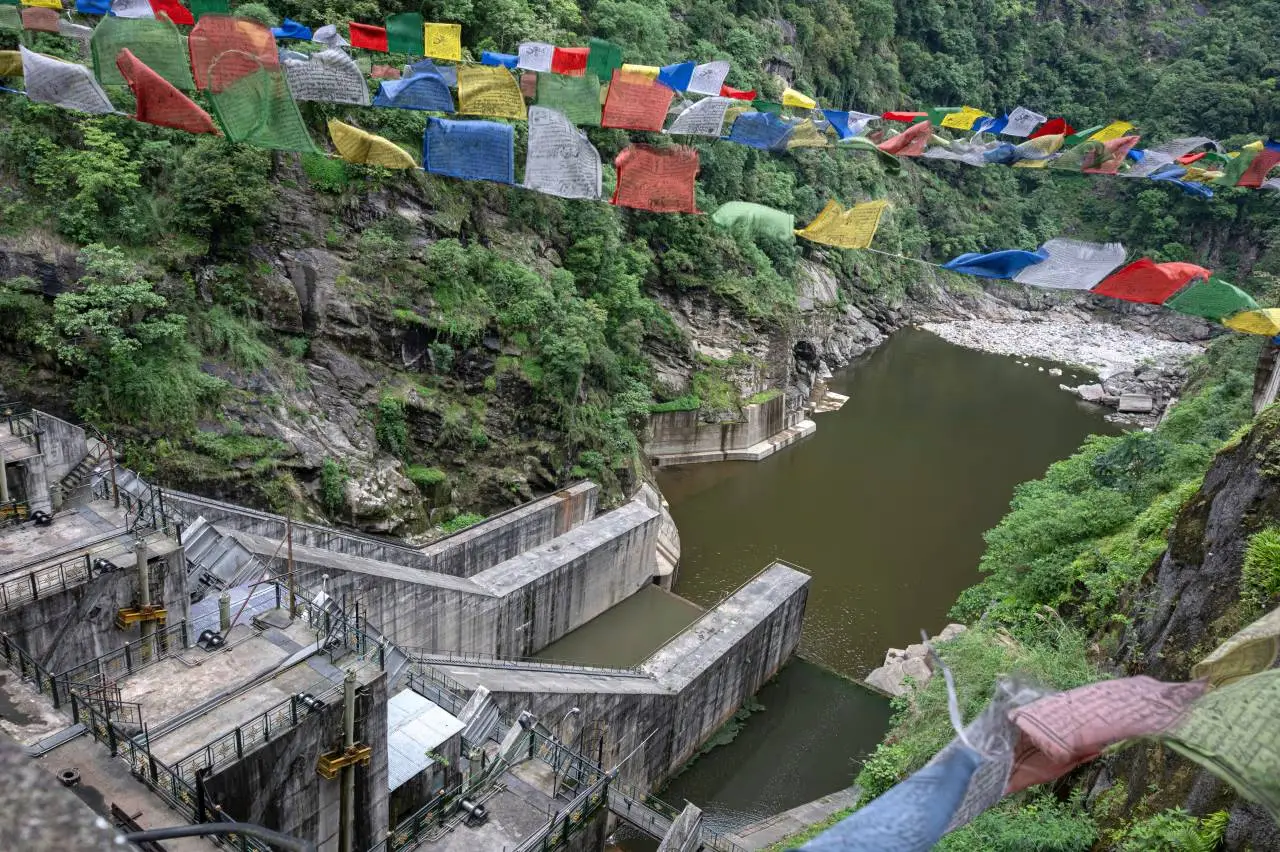
Hydropower plays a crucial role in Bhutan's economy.
"Once you have these machines, you don't want to waste a single day of mining time," Dahal said.
Soon, the plan proved successful. By 2022, Bhutan had completed the construction of four government-owned mining sites, according to officials. Additionally, this progress coincided with a significant rise in Bitcoin prices, which soared from under $10,000 in 2020 to about $100,000 today.
Bhutan's Prime Minister Tshering Tobgay stated that the profits from Bitcoin have been sufficient to offset the decline in hydropower exports, which typically account for about 40% of the government budget. Due to the increased electricity consumption of the Bitcoin mining operations, hydropower exports have decreased.
In 2023, the government decided to sell $100 million worth of Bitcoin reserves to fund a two-year salary increase for civil servants.
"This salary increase is entirely funded by Bitcoin profits," Tobgay said. He added that if they only sold electricity, "you wouldn't be able to get the funds you need."
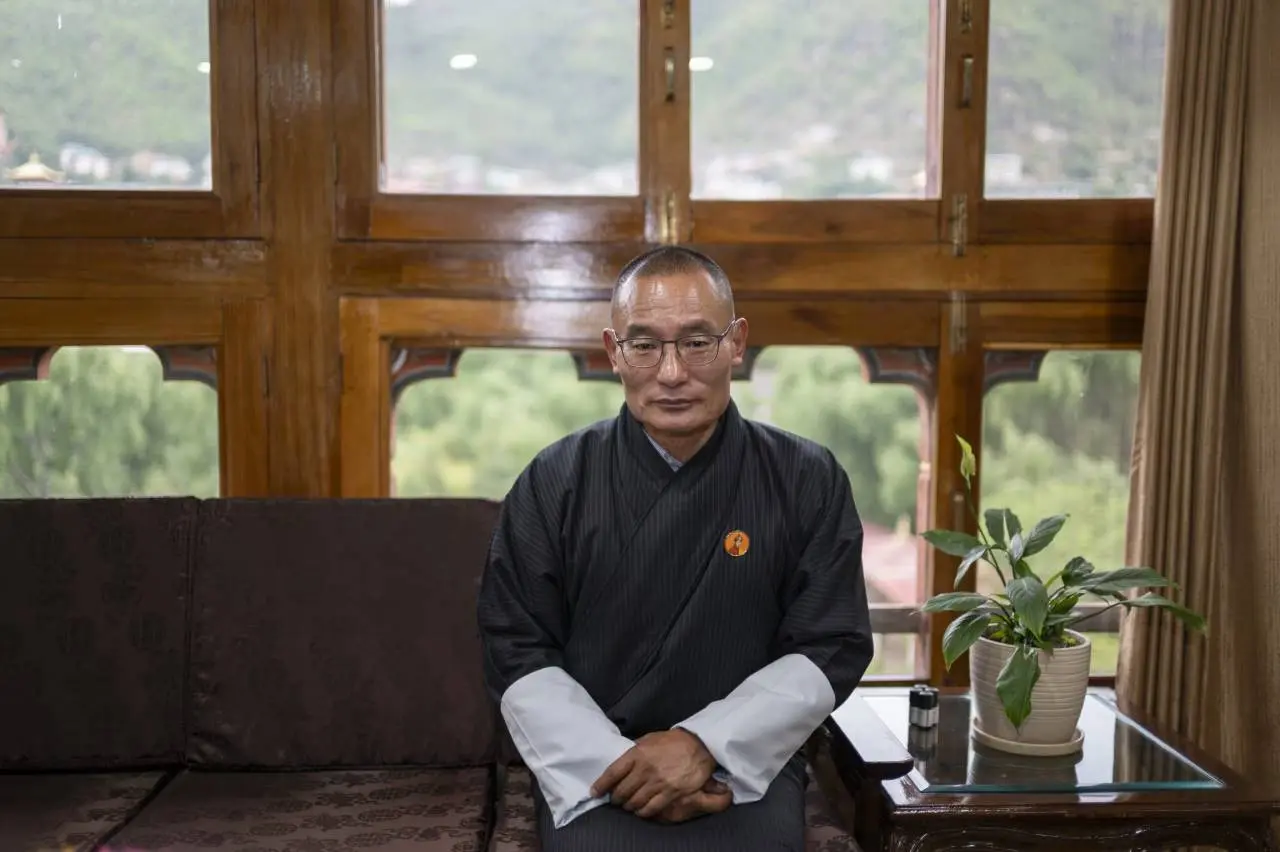
Bhutan's Prime Minister Tshering Tobgay stated that Bitcoin mining has provided funding for civil servant salary increases.
Bhutan is also exploring other profit-making avenues related to Bitcoin. In 2023, Singapore-based mining company Bitdeer Technologies announced a partnership with Bhutan to build mining sites. Under the agreement, Bitdeer funded the construction of two mining sites and received all Bitcoin profits. In return, the company pays Bhutan's electricity bills in U.S. dollars, further boosting Bhutan's foreign exchange reserves.
The government remains tight-lipped about the specific locations and number of mining sites, which are managed by a company called Green Digital. According to officials and satellite images from Planet Labs, at least six mining sites are currently operational.
Dahal explained that confidentiality is necessary to prevent "abuse, hacking, or other issues." He added that the project fully complies with Bhutan's relevant regulations.
However, in closed-door meetings, some officials have expressed dissatisfaction with the project's transparency and raised concerns about the ultimate use of the funds. Many Bhutanese were unaware of the country's Bitcoin reserves until local news reported on the salary increases for civil servants.
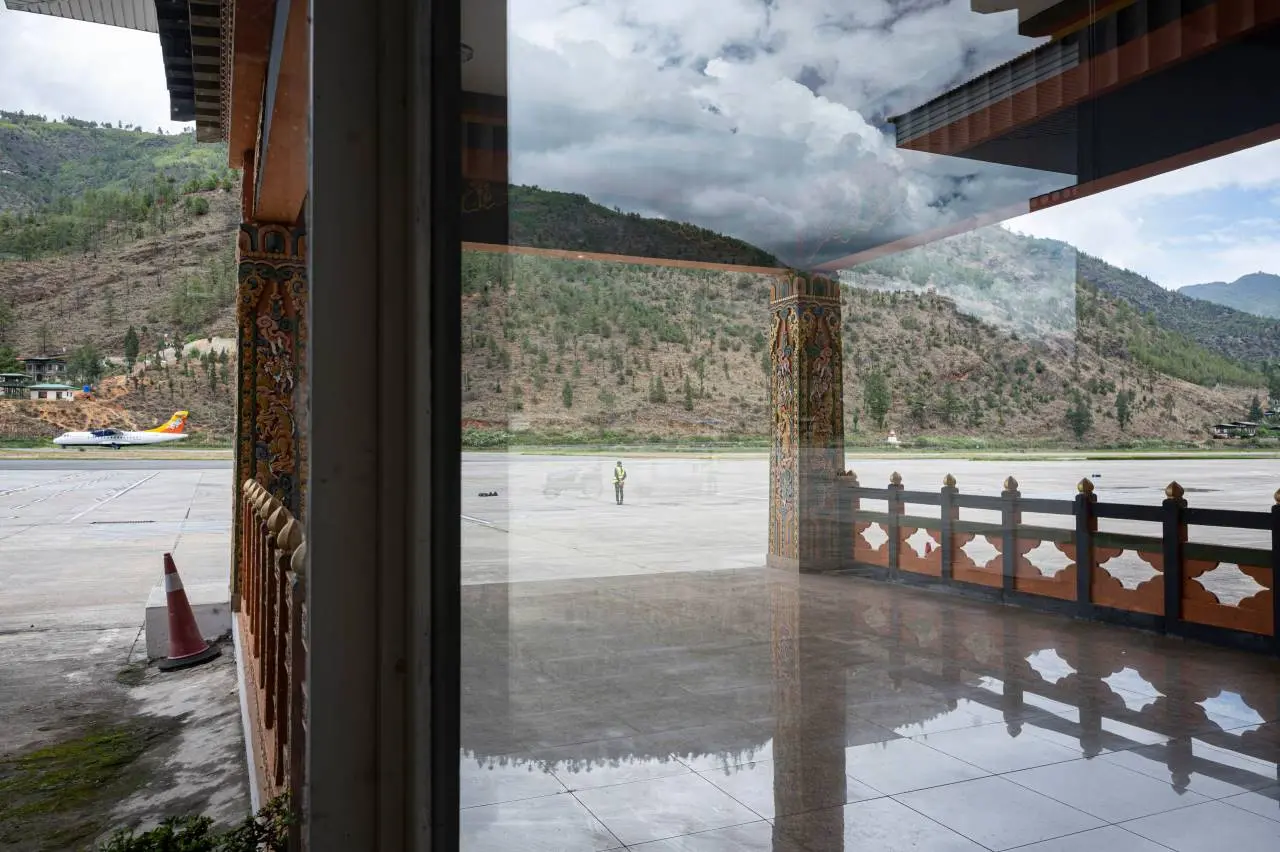
Bhutan's economy heavily relies on tourism, making the COVID-19 pandemic a severe blow to the country.
25-year-old national land commission analyst Chencho Tshering expressed initial disbelief that a country like Bhutan, facing economic difficulties, could generate enough funds to provide him with a salary increase of up to 65%. "I had no idea about Bitcoin before, but it is indeed a means of diversifying our economy," he said. "It's quite clever."
According to officials, the government now plans to hold Bitcoin reserves long-term rather than liquidate them for government spending. While there are no plans to add new mining sites, the government expects to upgrade existing ones.
Bhutan is also attempting to integrate cryptocurrency into daily life. Last month, the government launched a cryptocurrency payment system that allows tourists to pay for flights, hotels, and visa fees using over 100 types of cryptocurrencies.
Former Prime Minister and current special administrative region governor Dr. Tshering, who oversees the regulation of Bitcoin mining sites, stated that cryptocurrency will be integrated into every aspect of the administrative region. This region, known as "Gelephu Mindfulness City," will also include cryptocurrency in its strategic reserves. Cryptocurrency is expected to be widely accepted within the city, which is also developing its own digital currency.
"Cryptocurrency is basically like salt in curry," Dr. Tshering described, "it will touch every element of the curry."
 Risk warning Risk warning



Popular articles