








2025 First Half Cryptocurrency Derivatives Market Report: Opportunities and Challenges Amid BTC's New Highs and Market Differentiation

 In the first half of 2025, the global macro environment was turbulent, compounded by escalating geopolitical conflicts, yet the cryptocurrency derivatives market continued to show strong momentum, with BTC open interest reaching a new high, while ETH and altcoins performed weakly, resulting in a significant structural differentiation in the market.
Author: CoinGlass
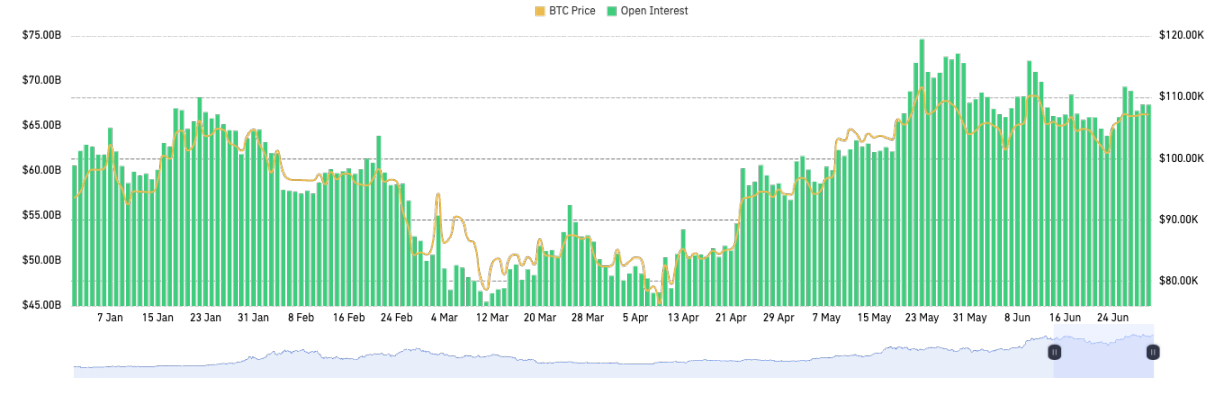
In the first half of 2025, the global macro environment remained turbulent. The Federal Reserve's repeated pauses in interest rate cuts reflect a "wait-and-see tug-of-war" phase in its monetary policy, while the Trump administration's tariff increases and escalating geopolitical conflicts further tore apart the global risk appetite structure. Meanwhile, the cryptocurrency derivatives market continued the strong momentum from the end of 2024, with overall scale reaching new highs. After BTC broke through the historical high of $111K at the beginning of the year and entered a consolidation phase, global BTC derivatives open interest (OI) saw significant growth, with total open interest rising from about $60 billion to over $70 billion by June. As of June, although BTC prices remained relatively stable around $100K, the derivatives market experienced multiple rounds of long and short liquidations, with leveraged risks being released, resulting in a relatively healthy market structure.
This report looks ahead to Q3 and Q4, expecting that under the influence of the macro environment (such as changes in U.S. interest rate policy) and institutional capital, the derivatives market will continue to expand, with volatility likely remaining convergent. At the same time, risk indicators need to be continuously monitored, maintaining a cautiously optimistic attitude towards the continued rise in BTC prices.
Market Overview
Market Summary
In the first and second quarters of 2025, BTC prices experienced significant volatility. At the beginning of the year, BTC prices peaked at $110K in January, then fell back to around $75K in April, a decline of about 30%. However, as market sentiment improved and institutional investors maintained their interest, BTC prices climbed again in May, reaching a peak of $112K. By June, prices stabilized around $107K. At the same time, BTC's market share continued to strengthen in the first half of 2025. According to Tradingview data, BTC's market share reached 60% at the end of the first quarter, the highest level since 2021. This trend continued into the second quarter, with market share exceeding 65%, indicating investors' preference for BTC.
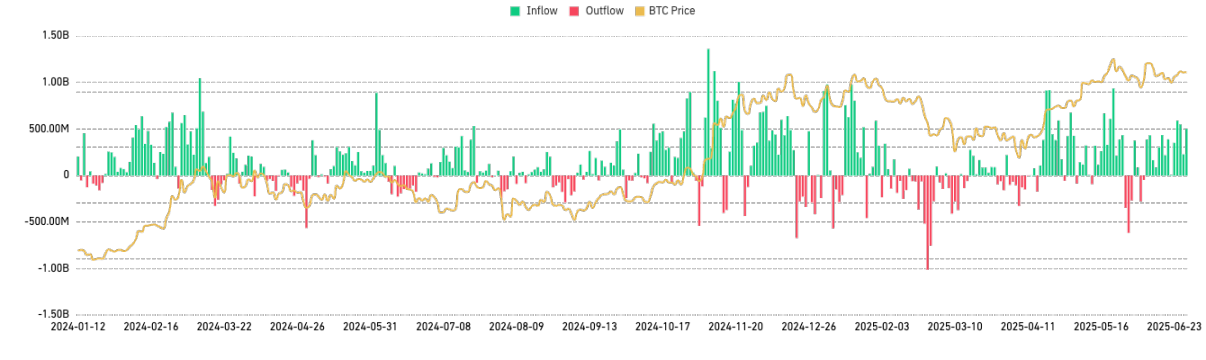
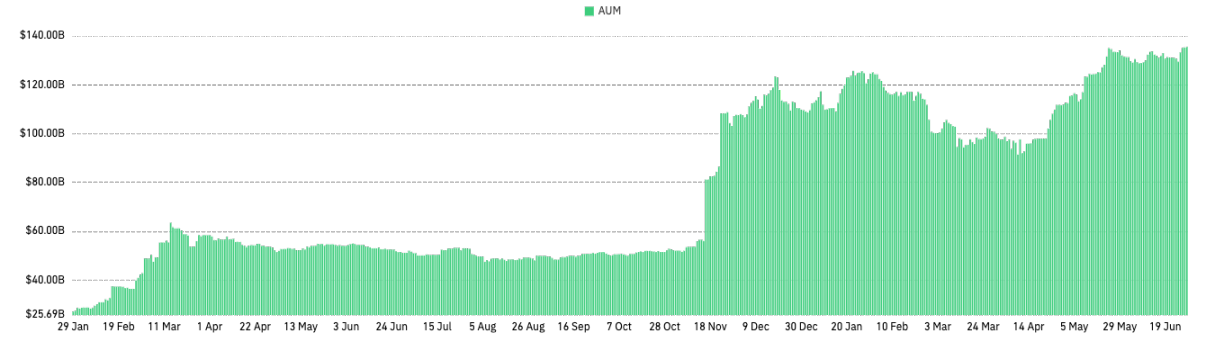
At the same time, institutional investors' interest in BTC continued to grow, with BTC spot ETFs showing a sustained inflow trend, and their total assets under management exceeding $130 billion. Additionally, some global macroeconomic factors, such as the decline of the U.S. dollar index and distrust in the traditional financial system, have also enhanced BTC's appeal as a store of value.
In the first half of 2025, ETH's overall performance was disappointing. Although ETH prices briefly touched around $3,700 at the beginning of the year, they subsequently fell sharply. By April, ETH had dropped below $1,400, a decline of over 60%. The price recovery in May was limited; even with the release of technical positives (such as the Pectra upgrade), ETH only rebounded to around $2,700, failing to reclaim the early-year high. As of June 1, ETH prices stabilized around $2,500, down nearly 30% from the early-year peak, showing no strong signs of sustained recovery.
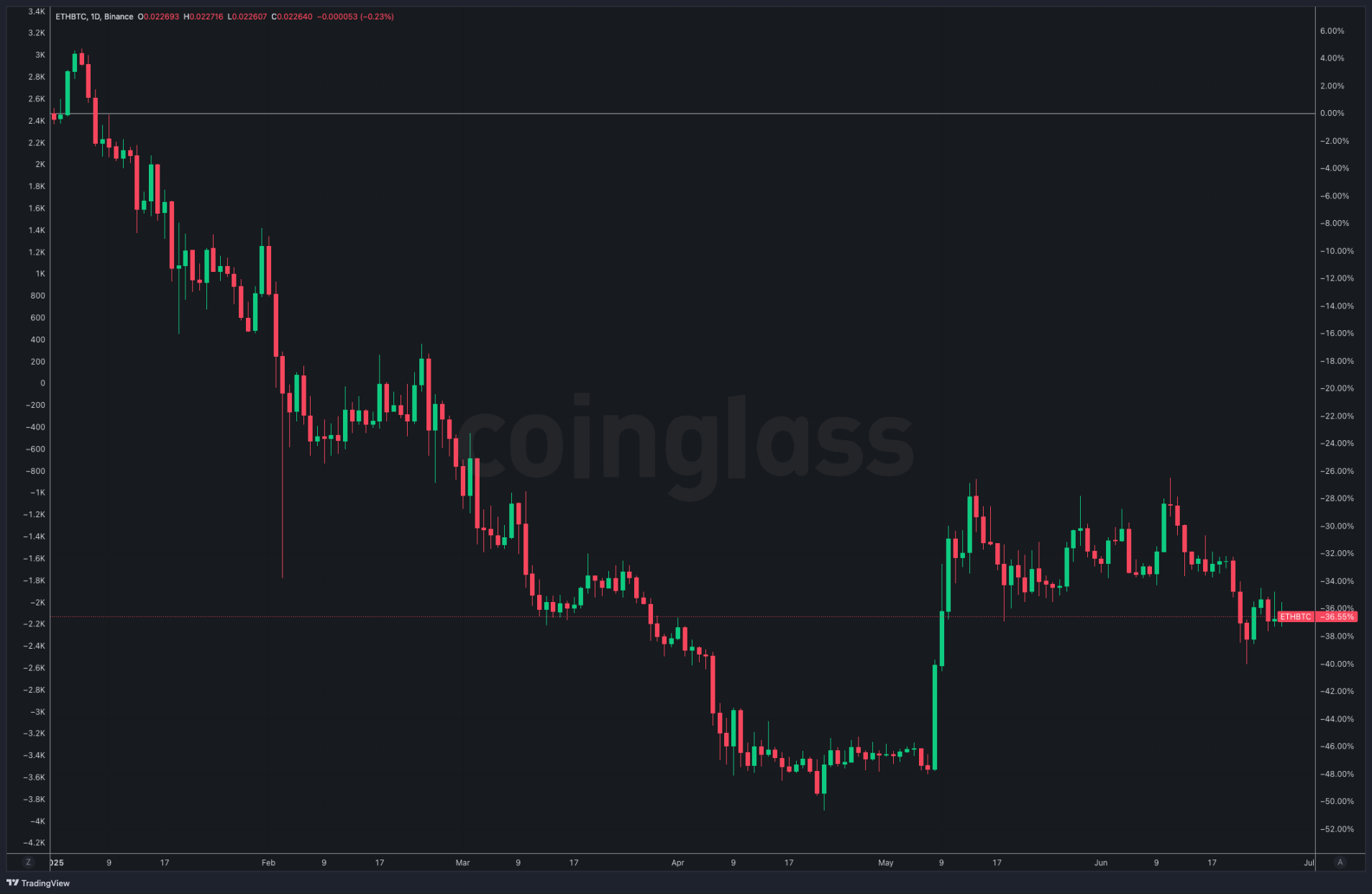
The divergence between ETH and BTC was particularly evident. Against the backdrop of BTC rebounding and maintaining its market dominance, ETH not only failed to rise in tandem but also exhibited clear weakness. This phenomenon was reflected in the significant decline of the ETH/BTC ratio, dropping from 0.036 at the beginning of the year to a low of about 0.017, a decline of over 50%. This divergence reveals a significant drop in market confidence towards ETH. It is expected that in the third to fourth quarters of 2025, as the ETH spot ETF staking mechanism is approved, market risk appetite may rebound, and overall sentiment is likely to improve.
The overall performance of the altcoin market was even more notably weak. CoinGlass data shows that some mainstream altcoins, represented by Solana, briefly surged at the beginning of the year but then experienced a sustained pullback. SOL fell from about $295 at its peak to a low of around $113 in April, a decline of over 60%. Most other altcoins (such as Avalanche, Polkadot, ADA) also experienced similar or greater declines, with some altcoins even dropping more than 90% from their highs, indicating an increased risk aversion sentiment towards high-risk assets.
In the current market environment, BTC's status as a risk-averse asset has been significantly strengthened, with its attributes shifting from "speculative asset" to "institutional allocation asset/macroeconomic asset," while ETH and altcoins remain focused on "crypto-native capital, retail speculation, and DeFi activities," positioning them more like tech stocks. The ETH and altcoin markets have continued to perform weakly due to reduced capital preferences, increased competitive pressure, and the impact of macro and regulatory environments. Aside from a few public chains (like Solana) whose ecosystems continue to expand, the overall altcoin market lacks significant technological innovation or new large-scale application scenarios to effectively attract sustained investor attention. In the short term, due to liquidity constraints at the macro level, if there are no new strong ecological or technological drivers, the ETH and altcoin markets will struggle to significantly reverse their weak trends, and investor sentiment towards altcoins remains cautious and conservative.
BTC/ETH Derivatives Positions and Leverage Trends
The total open interest of BTC reached a new high in the first half of 2025, driven by massive inflows into spot ETFs and strong demand for futures. In May of this year, BTC futures OI even surpassed $70 billion.
It is noteworthy that the share of traditional regulated exchanges like CME has rapidly increased. As of June 1, CoinGlass data shows that CME BTC futures open interest reached 158,300 BTC (approximately $16.5 billion), ranking first among all exchanges, surpassing Binance's 118,700 BTC (approximately $12.3 billion) during the same period. This reflects that institutions are entering the market through regulated channels, with CME and ETFs becoming important increments. Binance remains the largest exchange in terms of open interest, but its market share is being diluted.
In terms of ETH, similar to BTC, its total open interest also reached a new high in the first half of 2025, with figures surpassing $30 billion in May. As of June 1, CoinGlass data shows that Binance ETH futures open interest reached 2.354 million ETH (approximately $6 billion), ranking first among all exchanges.
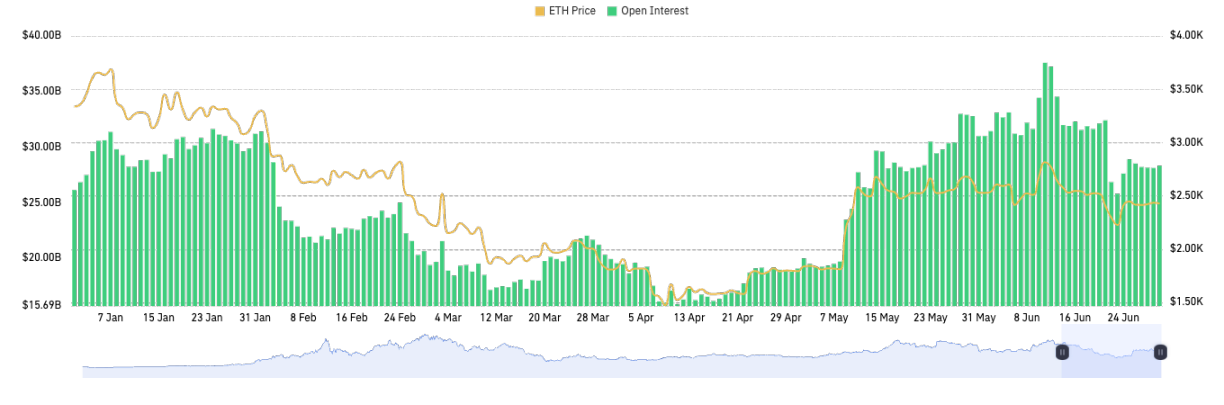
Overall, the use of leverage by exchange users in the first half of the year tended to be rational. Although total open interest in the market increased, multiple rounds of sharp fluctuations cleared excessive leveraged positions, and the average leverage ratio among exchange users did not spiral out of control. Especially after the market fluctuations in February and April, the margin reserves of exchanges were relatively ample, and although the overall market leverage ratio occasionally reached high points, it did not show a sustained upward trend.
CoinGlass Derivatives Index (CGDI) Analysis
The CoinGlass Derivatives Index (CGDI) is an index that measures the price performance of the global cryptocurrency derivatives market. Currently, over 80% of the trading volume in the crypto market comes from derivatives contracts, while mainstream spot indices do not effectively reflect the core pricing mechanism of the market. The CGDI dynamically tracks the prices of the top 100 mainstream cryptocurrency perpetual contracts ranked by open interest (OI) and combines their open interest for value weighting, constructing a highly representative indicator of derivatives market trends in real-time.
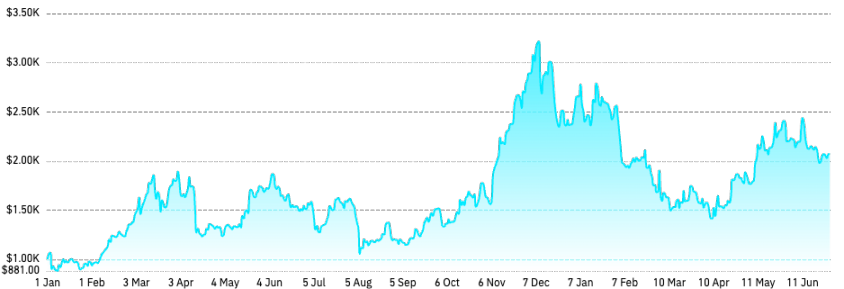
In the first half of the year, the CGDI exhibited a divergence from BTC prices. At the beginning of the year, BTC was strongly driven upward by institutional buying, maintaining prices near historical highs, but the CGDI began to decline from February—this drop was due to the weakness in prices of other mainstream contract assets. Since the CGDI is weighted by the OI of mainstream contract assets, while BTC was performing well, ETH and altcoin futures failed to strengthen in tandem, dragging down the overall index performance. In short, in the first half of the year, capital clearly concentrated on BTC, which remained strong mainly supported by institutional long-term accumulation and the spot ETF effect, leading to an increase in BTC's market share, while the speculative enthusiasm in the altcoin sector cooled and capital outflows caused the CGDI to decline while BTC prices remained high. This divergence reflects a change in investor risk appetite: the favorable ETF news and risk aversion led capital to flow into high market cap assets like BTC, while regulatory uncertainties and profit-taking pressured secondary assets and the altcoin market.
CoinGlass Derivatives Risk Index (CDRI) Analysis
The CoinGlass Derivatives Risk Index (CDRI) is an indicator that measures the intensity of risk in the cryptocurrency derivatives market, quantifying the current level of leverage usage, trading sentiment, and systemic liquidation risk. The CDRI focuses on forward-looking risk warnings, issuing alerts in advance when market structures deteriorate, even if prices are still rising, indicating a high-risk state. This index is constructed in real-time by weighted analysis of various dimensions, including open interest, funding rates, leverage multiples, long-short ratios, contract volatility, and liquidation volumes. The CDRI is a standardized risk scoring model with a range of 0-100; the higher the value, the closer the market is to overheating or fragility, making it prone to systemic liquidation events.
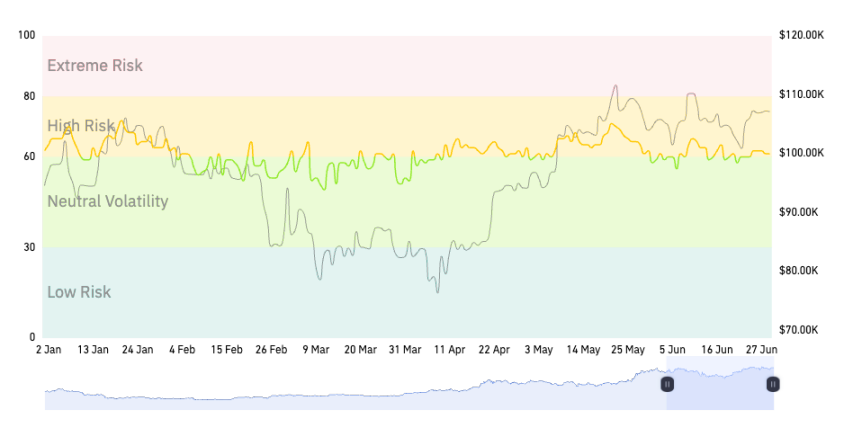
Overall, the CoinGlass Derivatives Risk Index (CDRI) remained at a neutral slightly high level in the first half of the year. As of June 1, the CDRI was 58, within the "medium risk/volatility neutral" range, indicating that the market did not show significant overheating or panic, and short-term risks were controllable.
II. Cryptocurrency Derivatives Data Analysis
Perpetual Contract Funding Rate Analysis
Changes in the funding rate directly reflect the use of leverage in the market. A positive funding rate typically indicates an increase in long positions, suggesting bullish market sentiment; while a negative funding rate may indicate rising short pressure, signaling a shift to cautious market sentiment. Fluctuations in the funding rate remind investors to pay attention to leverage risks, especially during rapid changes in market sentiment.
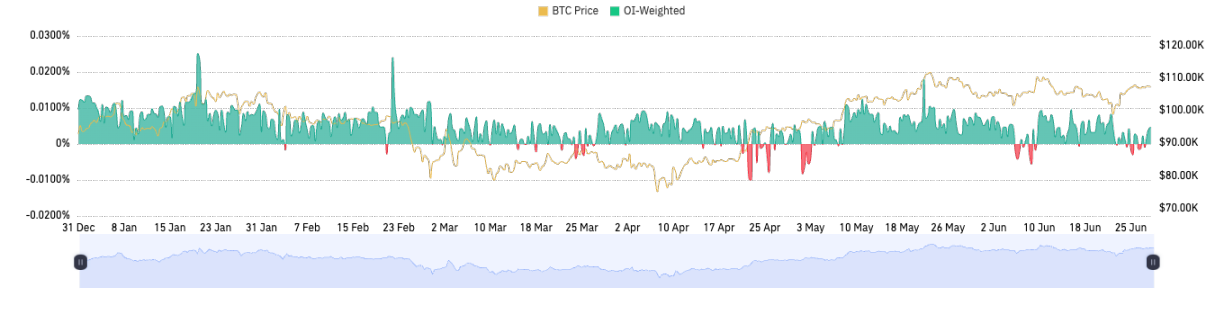
In the first half of 2025, the cryptocurrency perpetual contract market overall showed a bullish dominance, with funding rates being positive most of the time. The funding rates of major crypto assets remained positive and above the 0.01% benchmark level, indicating a generally bullish market. During this period, investors held an optimistic view of the market outlook, driving an increase in long positions. As long positions became crowded and profit-taking pressure increased, BTC experienced a pullback in mid to late January, and the funding rate returned to normal.
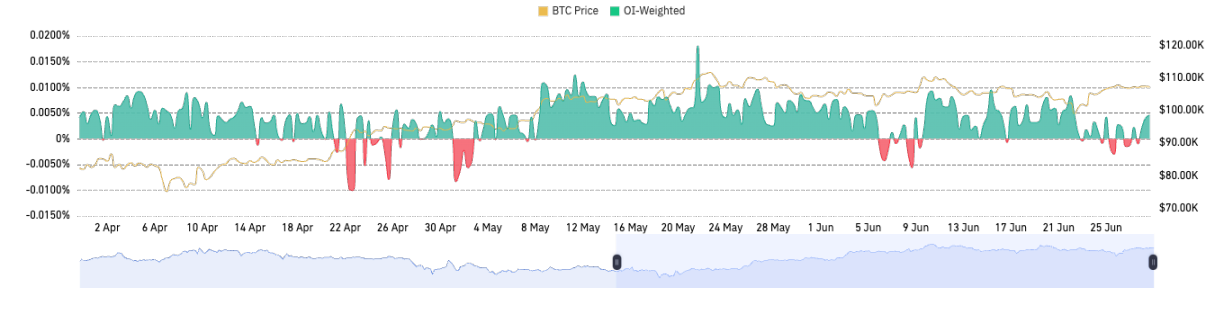
Entering the second quarter, market sentiment rationally returned, with funding rates mostly maintaining below 0.01% (annualized about 11%) from April to June, and some periods even turning negative, indicating a retreat of speculative fervor and a tendency towards balance between long and short positions. According to CoinGlass data, the number of times the funding rate turned from positive to negative was very limited, indicating that the moments of concentrated bearish sentiment were not frequent. In early February, when news of Trump's tariffs triggered a crash, the BTC perpetual funding rate briefly turned negative, indicating that short sentiment reached a local extreme; in mid-April, when BTC quickly dipped to around $75K, the funding rate again briefly turned negative, reflecting panic sentiment among shorts; in mid-June, geopolitical shocks caused the funding rate to drop into negative territory for the third time. Aside from these extreme situations, the funding rate remained positive for most of the first half of the year, reflecting a long-term bullish tone in the market. The first half of 2025 continued the trend of 2024: the transition of the funding rate to negative was a rare occurrence, each corresponding to a dramatic reversal in market sentiment. Therefore, the frequency of switching between positive and negative rates can serve as a signal of sentiment reversal—this year's few switches coincidentally indicated the emergence of turning points in the market.
Options Market Data Analysis
In the first half of 2025, the BTC options market saw significant growth in scale and depth, with activity reaching new highs. As of June 1, 2025, the cryptocurrency options market remained highly concentrated among a few exchanges, primarily including Deribit, OKX, and Binance, with Deribit maintaining an absolute leading advantage, accounting for over 60% of the options market share, serving as the mainstream BTC/ETH options liquidity center. This is especially true in the high-net-worth user and institutional markets, where it is widely adopted due to its rich product offerings, excellent liquidity, and mature risk management. Meanwhile, the options market shares of Binance and OKX saw slight increases. As Binance and OKX continuously improve their options product systems, the market share of leading exchanges is expected to become more dispersed, but Deribit's leading position is unlikely to be shaken in 2025. The market share of DeFi on-chain protocol options (such as Lyra, Premia, etc.) has increased, but the overall scale remains limited.
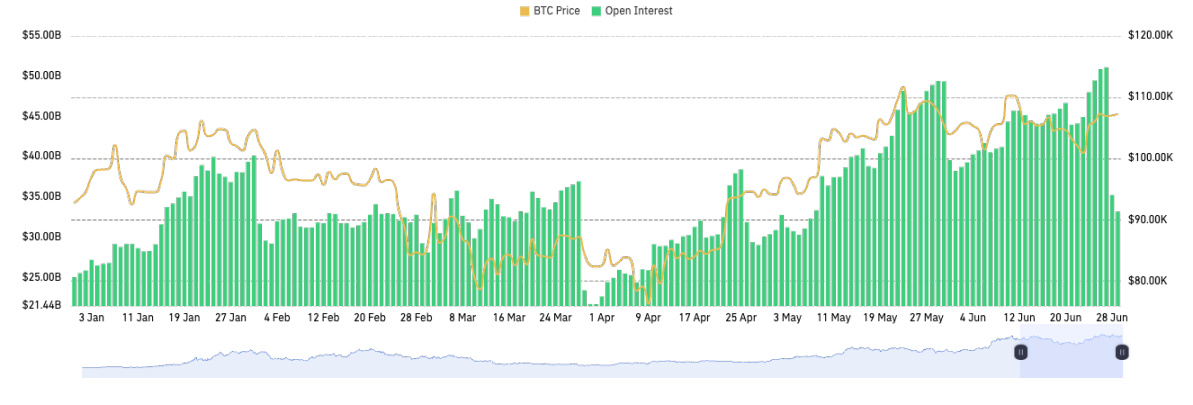
According to CoinGlass statistics, the total open interest of global BTC options reached a historical peak of approximately $49.3 billion on May 30, 2025. Against the backdrop of a stabilizing spot market and declining volatility, options positions increased rather than decreased, clearly indicating a rising demand among investors for using options for cross-period layouts and risk hedging. In terms of implied volatility (IV), the first half of the year showed a trend of first decreasing and then stabilizing. As the spot market entered a high-level consolidation, the implied volatility of options significantly retreated compared to last year. In May of this year, the 30-day implied volatility of BTC fell to a near historical low, indicating that the market expected limited short-term volatility. This stands in stark contrast to the massive open positions: on one hand, there are enormous options positions, while on the other hand, there is historically low volatility, suggesting that investors expect prices to oscillate within a narrow range or adopt selling strategies to earn profits. However, ultra-low volatility itself is also a risk—once a black swan event occurs, it may trigger a sharp rise in volatility and position squeezes. During the geopolitical crisis in June, we did observe a slight jump in IV, with the Put/Call ratio rising to about 1.28, indicating a warming of short-term risk aversion sentiment. Overall, the average implied volatility of options in the first half of the year remained at a moderate level, without the significant spikes seen in 2021.
Key points of the options market summary: open interest in options continued to rise in the first half of the year, and market depth increased; investors showed strong interest in high-priced call options while simultaneously hedging with put options; implied volatility remained low, with selling strategies prevailing. Looking ahead to the second half of the year, if the spot market breaks out of the consolidation range, implied volatility (IV) may rise rapidly, and the options market may welcome a new round of pricing reshaping.
Cryptocurrency Perpetual Contract Liquidation Data Analysis
Throughout the first half of 2025, the scale of long liquidations was particularly prominent. Especially during several market crashes, the risk exposure accumulated by long positions was released through concentrated liquidations. On February 3, 2025, according to CoinGlass statistics, a total of approximately $2.23 billion in positions were forcibly liquidated within 24 hours, of which long positions accounted for $1.88 billion, with over 729,000 positions being liquidated in this crash. This was the largest single-day liquidation event in the first and second quarters of 2025, triggered by Trump's sudden announcement of large-scale trade tariffs, causing panic selling in the market.
On February 25, negative macro factors concentrated and exploded, with Trump confirming that tariffs would be implemented as scheduled, U.S. retail giant Walmart warning of future performance slowdowns, and the Federal Reserve's meeting minutes turning hawkish, further exacerbating the already fragile market. The cryptocurrency market again experienced a cascading sell-off, with BTC dropping below the important psychological level of $90,000, hitting a new low since November of the previous year. On that day, the total liquidation across the network was approximately $1.57 billion, with the liquidation structure similar to early February, still dominated by long positions. Due to the continued market decline, long leveraged funds accumulated at high levels were concentrated and liquidated. For example, one exchange, Bybit, saw approximately $666 million in positions liquidated, nearly 90% of which were long positions. In terms of assets, aside from BTC and ETH being severely impacted, altcoins suffered even more— for instance, Solana saw its price halved from its mid-January peak to the end of February, dropping over 50%, with related perpetual contract liquidations exceeding $150 million. In early March, BTC prices briefly dipped to around $82,000, with mainstream coins hitting several-month lows.
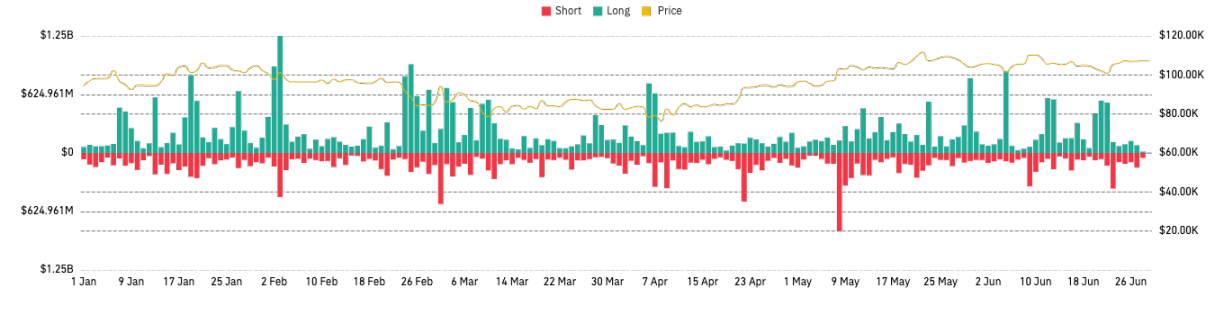
After the market hit an annual low on April 7, the overall market's long leverage had been largely cleared, creating favorable conditions for further upward movement. Historically, after large-scale long position liquidations, the market tends to stabilize due to the release of leveraged risks, facilitating a "de-leveraging recovery" phase. On April 23, 2025, the cryptocurrency market experienced the largest scale of short liquidations of the year, becoming one of the most significant turning points of 2025. On April 22, BTC surged nearly 7% to $93K in a short time, leading to over $600 million in short positions being forcibly liquidated, accounting for 88% of the total liquidations that day, far exceeding long losses. The proportion of short liquidations on major exchanges exceeded 75%, and in a rapidly rising market, short liquidations can significantly amplify upward momentum, creating a "cascade" of short covering. However, from a broader perspective, the absolute scale of short liquidations in the first half of the year was generally lower than that of long liquidations: for example, the scale of the largest short liquidation day (approximately $500-600 million) was significantly smaller than that of the long liquidation day in February (approximately $1.88 billion), which relates to the overall market being in an upward cycle, where longs are more willing to leverage and take on greater risk exposure. However, excessive optimism among longs and high leverage ratios can easily trigger a series of liquidations once key price levels are breached, forming a "death spiral" type of liquidation event.
In February 2025, Bybit again pushed full liquidation data to the market and the public through its API, marking one of the most significant events in the recent cryptocurrency derivatives market. The immediate background for this move was the increasing criticism of the lack of transparency in trading platform data, especially regarding the incompleteness of liquidation data, which has long led to information asymmetry in the market, affecting participants' ability to identify and manage market risks. In this context, Bybit proactively enhanced the breadth and depth of data disclosure, demonstrating its determination to enhance platform credibility and improve market competitiveness. Bybit's promotion of comprehensive and timely disclosure of liquidation data is an important measure to promote transparency and standardization in the cryptocurrency derivatives market. The real-time push of full liquidation data helps market participants and analysts more accurately assess market risks, especially during periods of extreme market volatility, effectively alleviating risk misjudgments and trading losses caused by information asymmetry. This move sets a good example for data transparency across the industry and positively contributes to the healthy development of the cryptocurrency derivatives market.
Derivatives Exchange Development Analysis
Derivatives Trading Volume Analysis
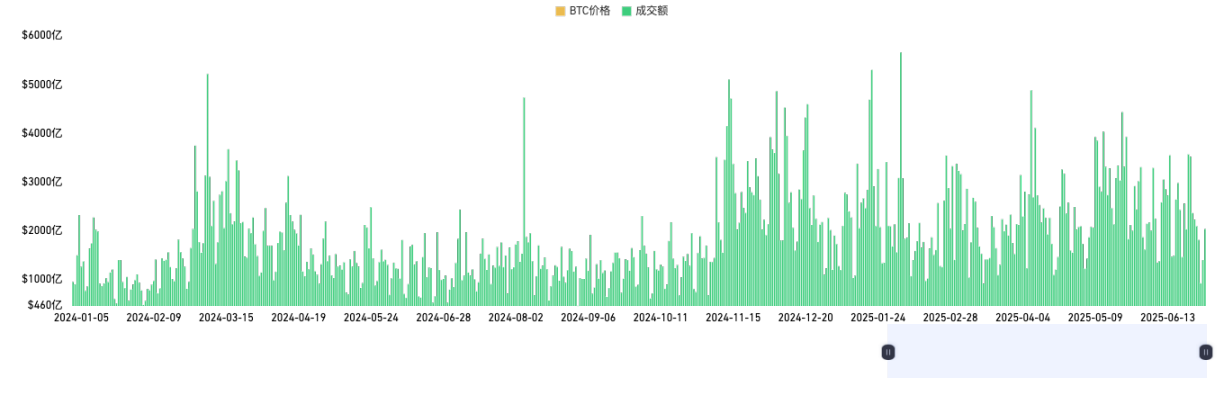
Data from 2025 shows that the total trading volume of cryptocurrency derivatives exhibited a moderate growth trend compared to 2024, but volatility significantly increased. Influenced by the global macroeconomic environment, the launch of BTC spot ETFs, and Federal Reserve policies, market activity significantly increased in 2025, especially during periods of sharp fluctuations, with derivatives market trading volumes reaching new highs. Meanwhile, the market structure further concentrated towards leading exchanges, with platforms like Binance, OKX, Bybit, Bitget, and Gate occupying major market shares. Binance, as the leading platform, continued to consolidate its market monopoly, with its trading volume far ahead of other cryptocurrency derivatives exchanges. Although OKX, Bybit, and others maintained competitiveness, the gap with Binance widened. Notably, since 2024, the participation of compliant institutions (such as CME) has increased, promoting the institutionalization of the derivatives market. The steady growth in derivatives trading volume reflects an increased demand for risk management and leverage tools, but caution is needed regarding liquidity risks and regulatory policy changes in a high-volatility environment. Overall, market trading volume is highly concentrated towards leading platforms, with the market share of top exchanges continuously increasing, exacerbating the Matthew effect. Investor trust is highly correlated with liquidity, making quality platforms the preferred venues for mainstream capital and trading activities.
Binance
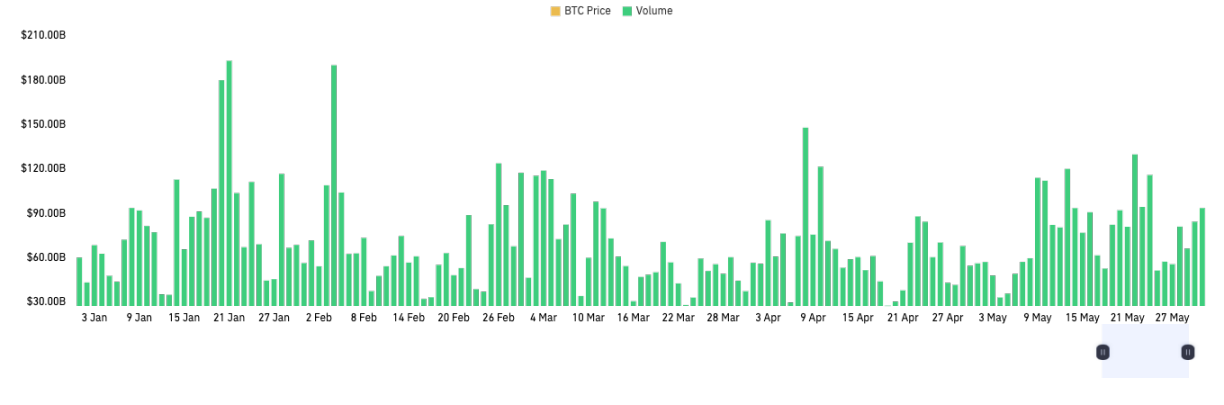
In the first half of 2025, Binance consistently maintained extremely high daily trading volumes, with multiple days approaching $200 billion. Throughout the period, Binance's trading volume remained high and volatile, with extreme highs frequently appearing, reflecting the platform's strong market appeal and liquidity across various market conditions (including significant fluctuations and normal ranges). Notably, during periods of intense market volatility (such as sharp rises or corrections), Binance's trading volume significantly increased, indicating that large funds and major users prefer to choose the most liquid platform for risk hedging and strategic trading in high-volatility markets.
Binance's daily trading volume is the highest, with a significant head effect. Compared to mainstream exchanges like OKX and Bybit, Binance's trading volume advantage is evident, with its share continuously expanding. For most of the time, Binance's trading volume has approached or exceeded the total of other major platforms combined. Based on high trading volumes, Binance possesses global pricing power for BTC and mainstream derivatives contracts, giving it greater influence over market direction and volatility.
OKX
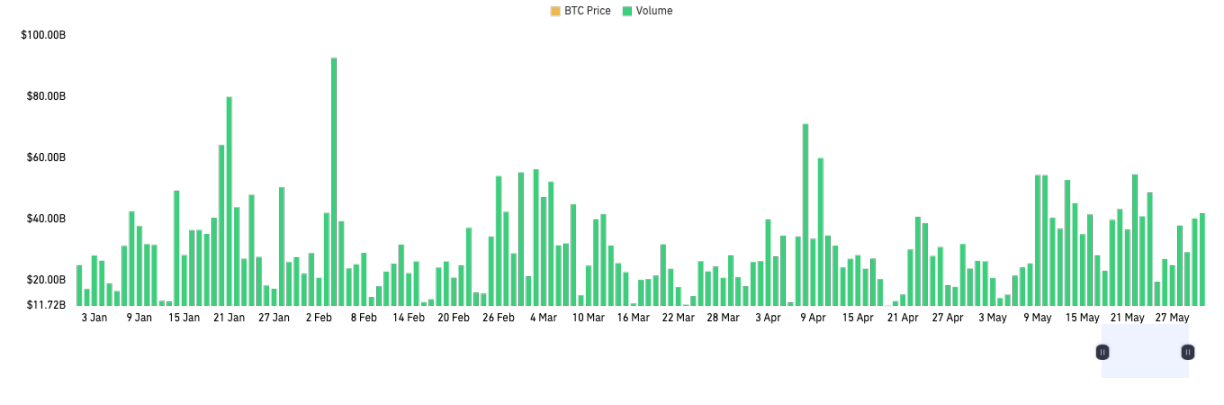
In the first half of 2025, OKX maintained a relatively high trading volume for derivatives contracts, with an average daily trading volume of about $30 billion, fluctuating mainly between $20 billion and $40 billion. However, compared to Binance, there remains a significant gap in scale. OKX's trading volume exhibited notable volatility, especially during periods of intense market fluctuations, with several days showing significant increases, indicating that the platform still possesses strong market responsiveness and appeal. For most of the time, OKX's trading volume remained within a relatively stable range, but overall, it still lagged behind Binance and some rapidly growing emerging platforms, indicating that OKX has a solid user base and liquidity in the derivatives market, but its growth momentum is gradually weakening.
In 2025, OKX's strategic focus has clearly shifted from traditional centralized exchanges (CEX) towards Web3 and wallet ecosystems. The explosive growth of OKX Wallet has driven the development of its DeFi, on-chain asset management, NFT, and DApp integration ecosystem, attracting a large number of new users and migration of on-chain assets. However, this has also led to a slowdown in the growth rate of derivatives trading volume on the OKX CEX side, with some active users and assets flowing to on-chain or multi-chain ecosystems. Although the derivatives trading volume on the platform's CEX remains among the industry leaders, the growth logic and liquidity pattern are undergoing profound changes. In the first half of 2025, OKX's derivatives trading volume remained robust, but its growth momentum is not as strong as that of leading platforms. Whether it can achieve a new breakthrough through Web3 businesses like OKX Wallet will be a key variable determining its market positioning.
Bybit
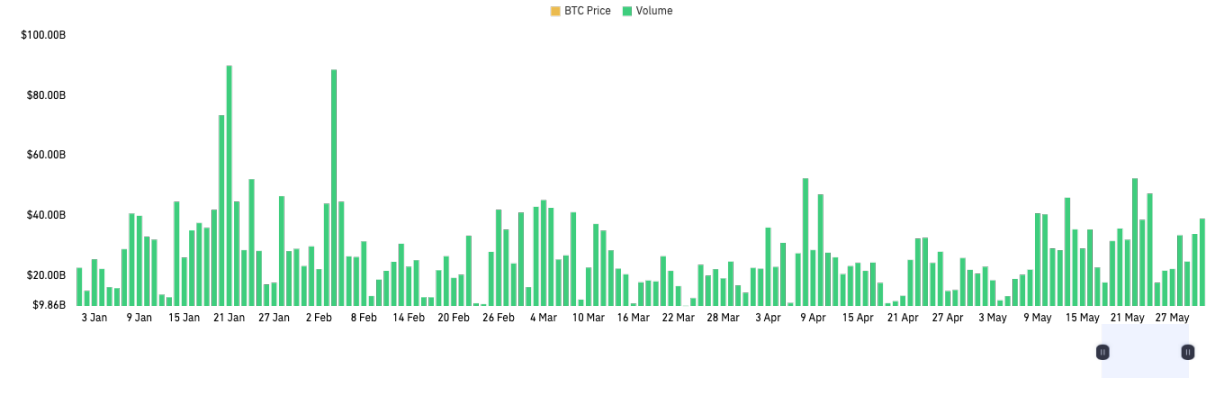
In the first half of 2025, Bybit demonstrated robust trading activity in the perpetual contract market. The trading volume distribution was relatively dense, with no prolonged periods of trading exhaustion, indicating an active user base and sustained liquidity. The average daily trading volume ranged from $17 billion to $35 billion. Bybit ranks third in the global perpetual contract market, only behind Binance and OKX, maintaining a market share of about 10%-15%. Its peak trading volume can match that of OKX during certain periods, highlighting its strong competitiveness in the cryptocurrency derivatives market. Although there remains a significant gap with Binance, Bybit has latecomer advantages in retail trading experience, Web3 community influence, and expansion into emerging markets, with higher penetration rates in Europe, America, and Southeast Asia, and stronger brand influence. It is expected to continue capturing market share from mid-tier platforms and narrow the gap with second-place OKX.
Bitget
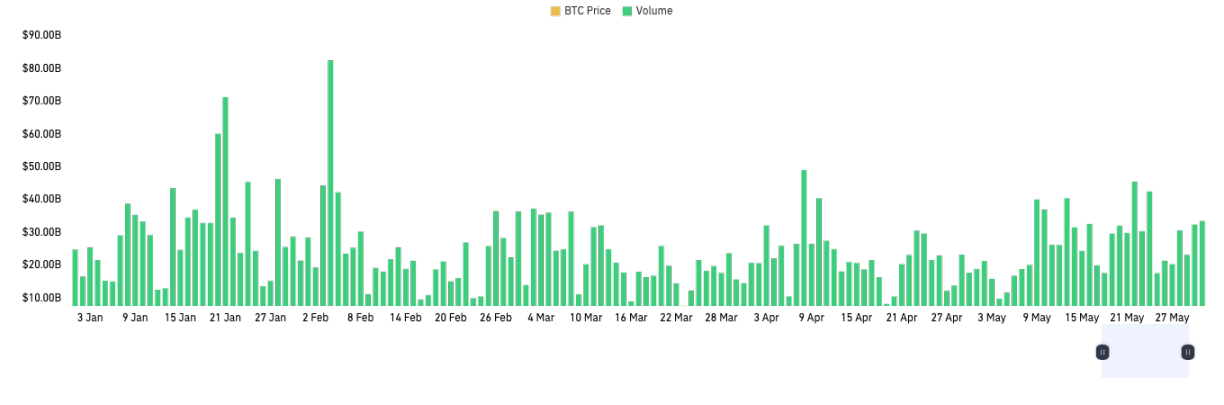
In the first half of 2025, Bitget exhibited significant growth momentum in the global cryptocurrency derivatives market, particularly in the perpetual contract trading sector. According to CoinGlass data, Bitget's average daily trading volume steadily rose to the range of $15 billion to $30 billion, with peaks approaching $90 billion, demonstrating its strong performance in the market. The platform meets diverse trading needs through a rich variety of perpetual contract offerings, attracting a large number of young users, especially in emerging markets like Southeast Asia and Latin America. Through localized marketing and brand partnerships, it has enhanced its brand influence and user coverage. Additionally, Bitget continues to advance in technological innovation, optimizing its trading system and enhancing user experience, further solidifying its market position. Although it still has a certain gap with Binance and OKX, it has become one of the most promising exchanges to advance to the top tier.
Gate
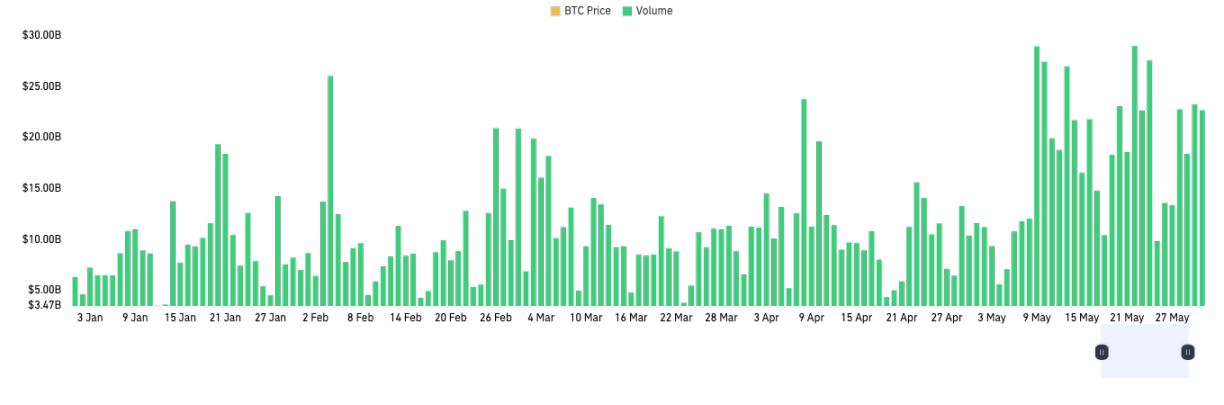
In the first half of 2025, Gate's contract trading segment showed significant growth momentum, with average daily trading volume steadily increasing to the range of $10 billion to $30 billion, with peak values approaching $60 billion, indicating that the trading activity in the platform's derivatives market continues to maintain high levels of volatility. From the perspective of trading volume growth rate and market share expansion, Gate is gradually establishing a differentiated advantage in the current global digital asset derivatives market competition, strengthening its influence among emerging markets and small to medium-sized investor groups.
The platform continues to expand the coverage of contract varieties, optimizing its matrix of perpetual contracts, options, and leveraged products to meet the needs of different risk preferences and investment demands. Although there is still a distance from leading platforms like Binance and OKX, Gate has become one of the most growth-oriented and influential emerging contract trading platforms, attracting significant industry attention.
Hyperliquid
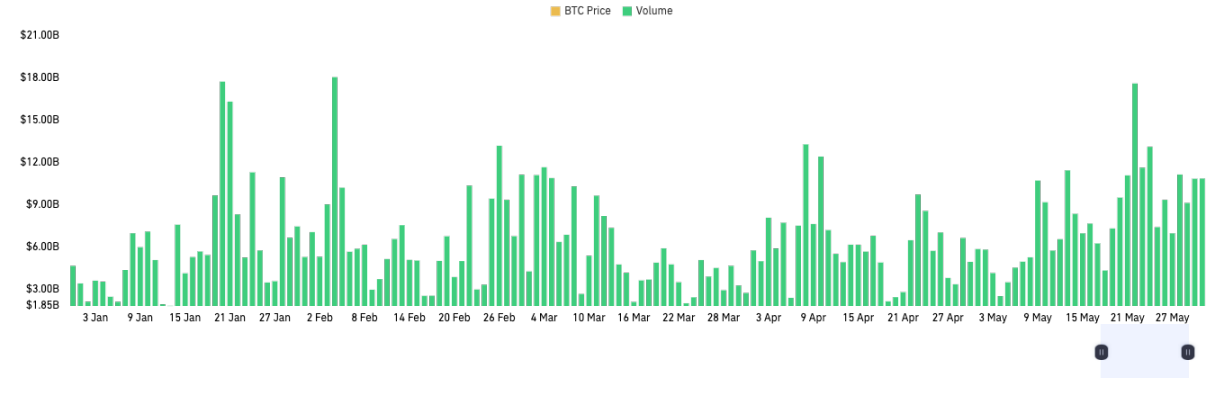
Hyperliquid is one of the newly emerging decentralized derivatives exchanges (DEX) during the period from 2023 to 2025. As of the first half of 2025, Hyperliquid's average daily trading volume has steadily surpassed $3 billion, with some peak periods exceeding $17 billion. Hyperliquid adopts self-developed matching technology on its native chain, achieving extremely low latency and high liquidity without the need for oracle settlement, significantly enhancing trading depth and price efficiency.
Hyperliquid's month-on-month and quarter-on-quarter growth rates in trading volume are the highest in the DEX industry, with active user numbers, TVL (Total Value Locked), protocol revenue, and other core indicators significantly surpassing traditional DEXs. Over the past year, Hyperliquid has achieved explosive growth from an average daily trading volume of less than $100 million to as high as $3-5 billion, with its growth rate and speed unprecedented in the DEX field. Hyperliquid currently occupies over 80% of the DeFi perpetual contract market share.
Exchange Market Depth Analysis
Market depth is an important indicator that measures the accumulated volume and distribution of buy and sell quotes at different price levels in an exchange's order book, directly reflecting the market's liquidity level and trading capacity. For cryptocurrency exchanges, deep market depth can effectively reduce the impact of large trades on prices, minimize slippage, and enhance users' trading experience and cost efficiency. This is particularly crucial for attracting high-frequency traders, institutional market makers, and other professional liquidity participants, as they typically need to maintain price stability during large and frequent transactions. Ample market depth also lays the foundation for the stable operation of derivatives markets such as contracts and options, helping to form tight bid-ask spreads and enhancing the overall market's price discovery function and risk hedging efficiency.
According to CoinGlass data, Binance continues to maintain an absolute leading position in BTC market depth among global cryptocurrency spot exchanges. The median order book depth in the market remains in the range of $20 million to $25 million on each side, while Binance holds about $8 million in single-sided depth, accounting for approximately 32% of the market share, far ahead of the second-place Bitget (approximately $4.6 million) and third-place OKX (approximately $3.7 million). More notably, in terms of depth for orders exceeding $1 million, only Binance has achieved over $1 million in depth on each side, while other mainstream exchanges remain below $500,000. Binance's absolute lead in BTC market depth fully reflects its excellent liquidity level as the world's largest cryptocurrency exchange, while other exchanges like OKX and Bybit still have room to catch up in terms of market depth and liquidity.
V. Conclusion
In the first half of 2025, the cryptocurrency derivatives market demonstrated strong resilience and structural differentiation against the backdrop of global macro turbulence and rising geopolitical risks. On one hand, driven by sustained inflows into spot ETFs and a wave of institutional allocations, BTC not only broke through historical highs but also remained at high levels of consolidation, with both the derivatives market scale and open interest reaching new highs. In terms of market structure, the proportion of compliant exchanges like CME has increased, and the ETF effect continues to reinforce BTC's positioning as an "institutional allocation asset," leading to profound changes in risk appetite across the entire sector. On the other hand, ETH and mainstream altcoins have been burdened by multiple pressures from technology, ecology, and capital, showing overall weak performance, with the ETH/BTC ratio significantly declining and cautious investment sentiment towards altcoins, lacking new technological innovations and application scenarios to drive the sector.
From a trading perspective, the overall leverage structure in the derivatives market has tended towards health, with the futures and options markets continuously expanding in scale. Leverage risks have been effectively released after multiple rounds of sharp market movements, with options open interest and liquidity reaching historical highs, while implied volatility remains low, balancing long and short forces. The options market is active, with both bullish and hedging demands coexisting, but the market still needs to be vigilant about the sudden risks of "black swan" events under the contradiction of high positions and low volatility. The large-scale liquidations of long and short positions that erupted in 2025 not only released market leverage risks but also created conditions for subsequent price recovery and market stabilization. At the platform level, Binance continues to maintain its advantages in global market liquidity and pricing power, while OKX, Bybit, Bitget, and others strengthen their competitiveness in their respective segments, and decentralized derivatives exchanges like Hyperliquid exhibit explosive growth, continuously releasing innovative vitality in the DeFi sector.
Looking ahead to the second half of 2025, the core variables of the market remain macro policies, ETF flows, and shifts in risk appetite. If there are substantial adjustments in the Federal Reserve's interest rate policy or the ETH spot ETF staking mechanism is implemented, it may become an important catalyst for repairing risk appetite. Overall, BTC's characteristics as a "macro asset" are becoming increasingly prominent, with the institutionalization and compliance trends in the derivatives market accelerating, benefiting leading platforms and innovative protocols. At the same time, regulatory policies, sudden risks, and liquidity changes remain unresolved structural challenges. Investors need to continuously monitor market leverage and liquidity indicators, dynamically adjust risk exposures, and actively seek a balance between asset allocation and risk hedging amid cyclical shifts and waves of innovation.
 Risk warning
 Risk warning


Popular articles





