








Solana Meme makes a strong comeback, what are people trading on-chain?
 What "interesting" targets are there among the monotonous assembly line dishes?
Author: BUBBLE, BlockBeats
Although the recent trend towards compliance in cryptocurrency is evident, it seems that all blockchain projects are suddenly associated with "compliance," "institutions," and "policy trends." However, the craze for on-chain Memecoins and ICM projects does not seem to be over yet. As if to catch the "last wave" of on-chain enthusiasm, various platforms have chosen this moment to unveil their "killer moves."
Rhythm BlockBeats has compiled a few recently outstanding projects for introduction.
The Unemployed NEETs
NEET stands for "Not in Employment, Education, or Training," originally used to refer to young people (especially aged 16-24) who are neither employed nor receiving education or vocational training. In the 2000s Japan, the age range for NEET was expanded to 15-34 and became widely associated with "otaku" and "staying indoors" culture, being linked to "hikikomori" for a long time.

With the spread of internet culture, this term gradually entered the subculture circles of Europe and America, especially in anonymous communities (like 4chan /r9k/, Reddit). By the 2010s, NEET had gradually evolved into a form of self-identity and cultural identity for "libertarians." From the comments on 4chan, it is evident that they often say whatever they want, discriminating against women and black people, and are self-centered. NEET is not necessarily a real identity but a type of online persona. Those who refer to themselves as "NEET" often emphasize their disconnection from mainstream society, rejecting social rules and even "taking pride in it." It is both self-deprecating and a form of "alternative identity belonging."
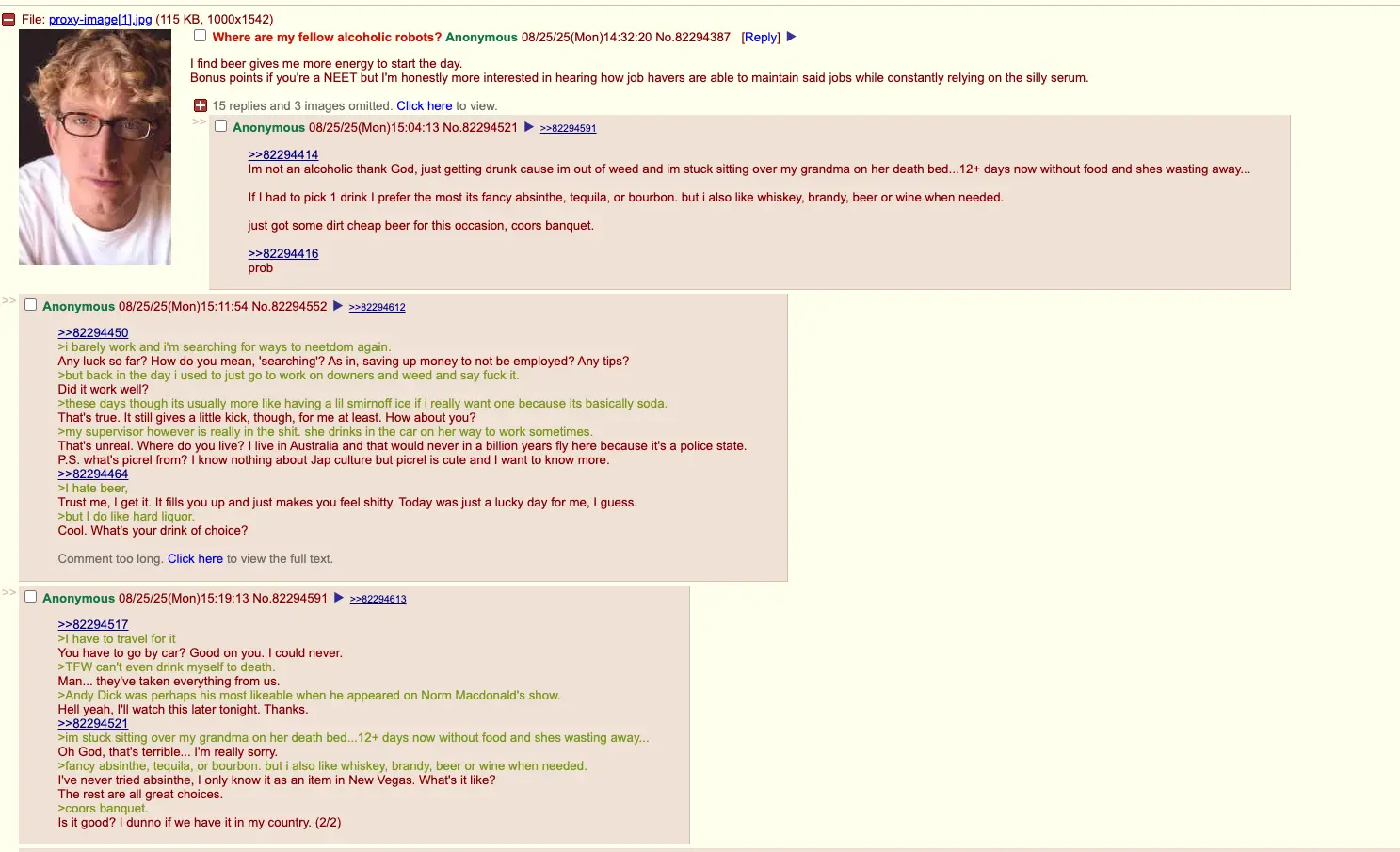
NEET is widely used in the /r9k/ section of 4chan (Robot9000), which was originally developed by 4chan founder Christopher Poole in 2008 as an original content filtering system. The design intention was to avoid spam and copypasta, which also made the culture of this section very creative, with screenshot dialogues leading to discussions in /r9k+1/ (Robot9001), an improved version of /r9k/.
Although when Pumpfun founder Alon first bought $neet, the token instantly surged nearly 4 times in one minute, it quickly fell below its pre-purchase market value. However, its price trend has remained stable. In addition to having many "big brothers" who promote it and a deep community culture, its Twitter operation is also quite good.
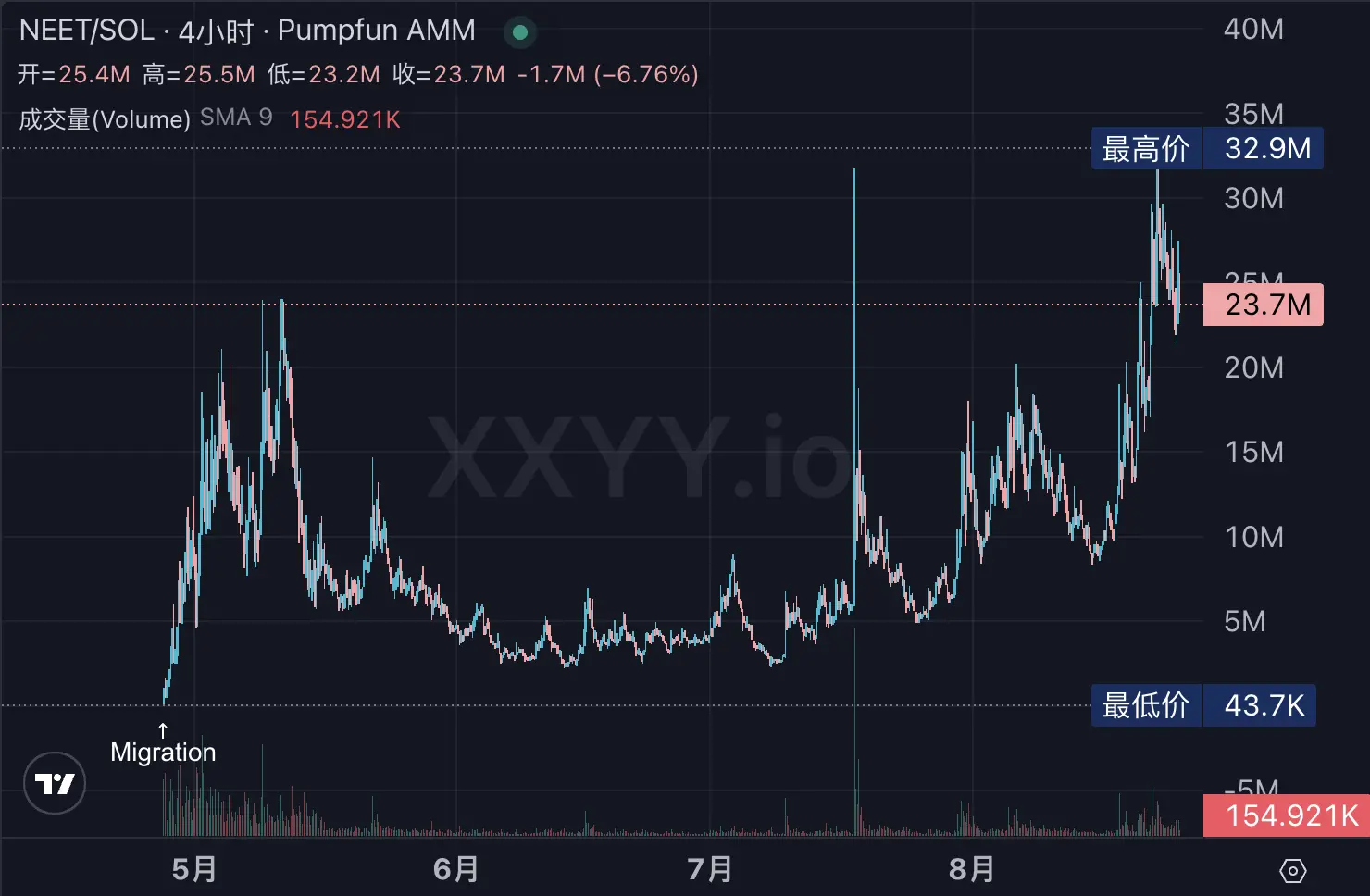
After verifying with Cookie, who was among the first to shout $neet in the Chinese community, it was learned that Neet's Twitter operation is managed by Primed. Under his and the community's management, the accounts within this token system have shifted from "price discussions" to focusing on making "culture popular." The price trends driven by this dissemination are far more genuine and healthy than those brought about by "strong control by big players." Excellent dissemination, deep community culture, and the supporting team behind it have combined to create one of the few "interesting Memes" in the current system.
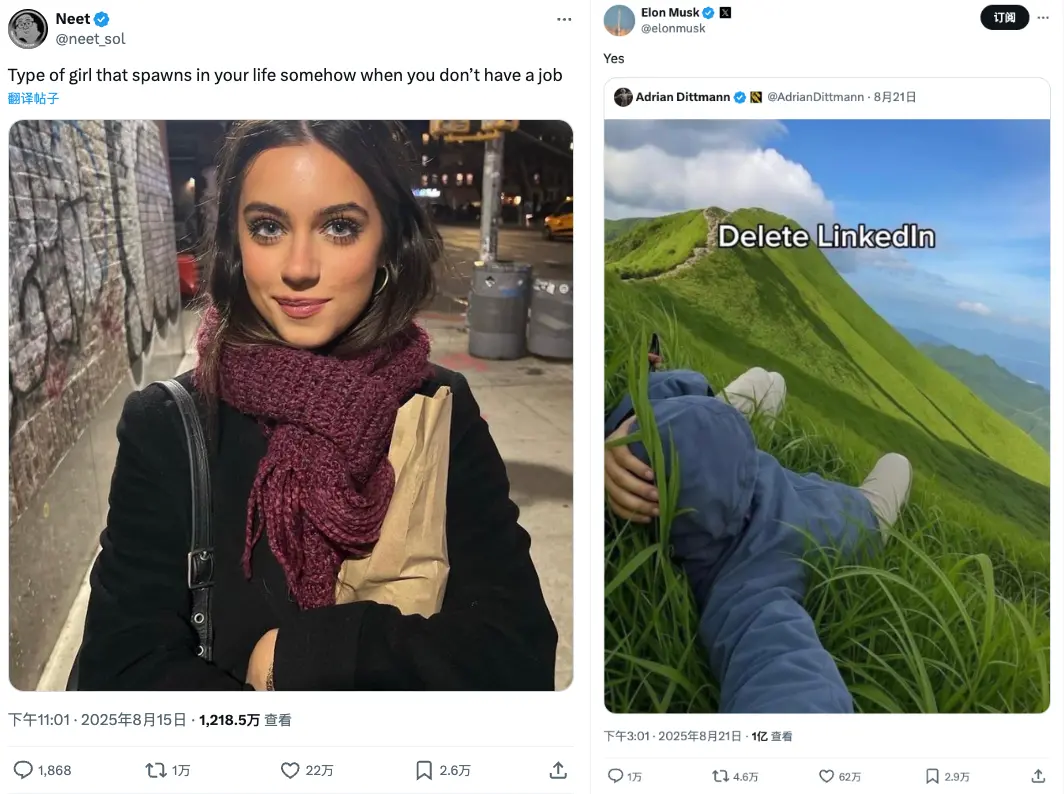
Left: Reached 12 million views, Right: Elon Musk's retweet brought in 100 million views.
How is Believe's ICM Progress?
With the cooling off of competitors Bags and Heaven, Believe has gradually returned to the center of discussion today. Its official token LaunchCoin, after a month of continuous decline, has finally started to rebound. Recently, the CEO of the hot AI tool "Interview Cheat" Cluely, Roy, shared a photo with Believe founder Ben Pasternak, leading the community to speculate about a potential collaboration between the two.
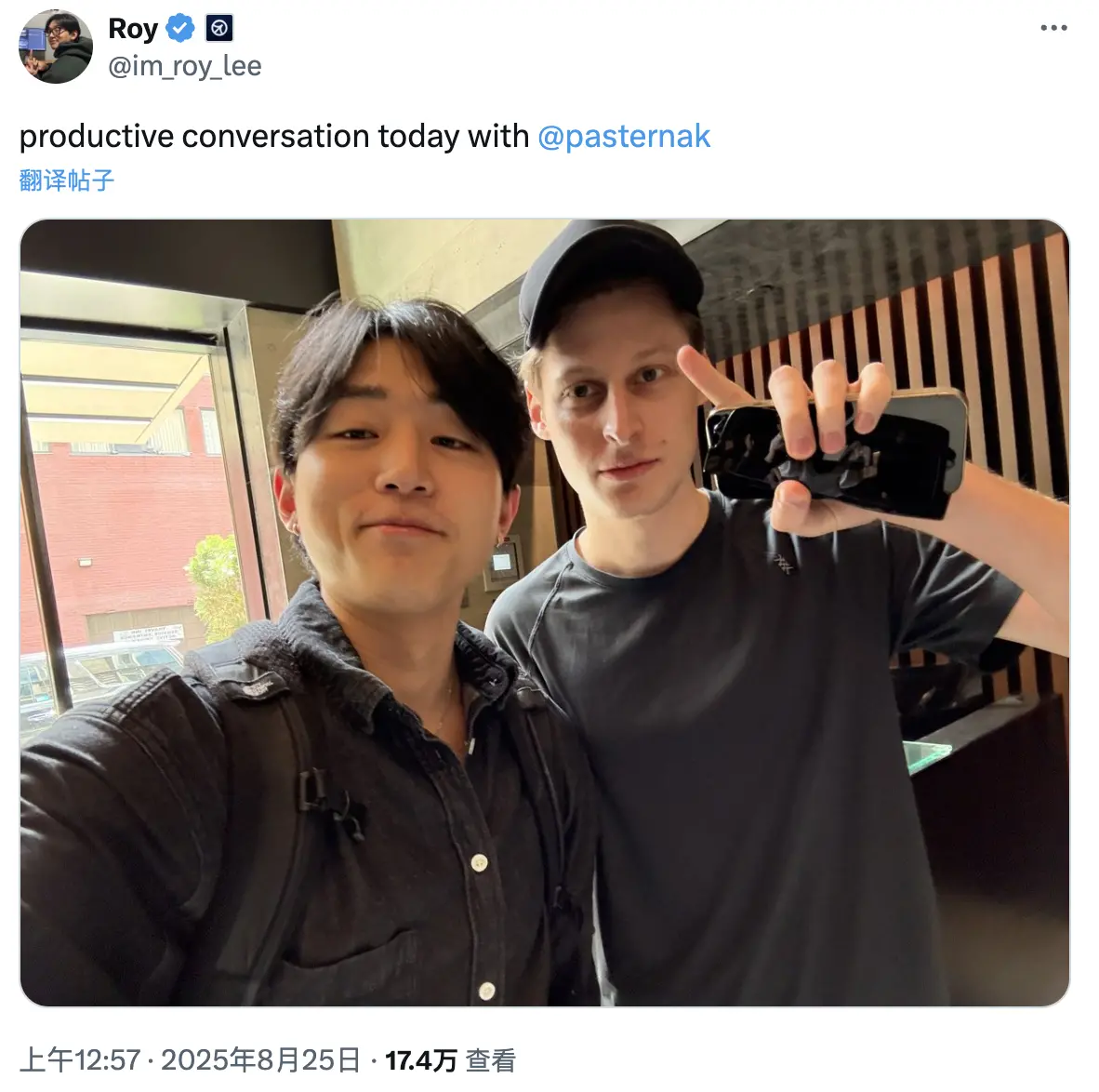
Left: Cluely CEO, Right: Believe founder.
Believe seems determined to abandon concepts like "100% fee rotation" and re-establish its positioning as an "ICM platform." After a slow platform progress and the ecosystem gradually "zeroing out," various emotions have sparked some "heated discussions" in the community. Ben seems to have refocused on Believe, first acquiring Abode for better product UI, and some interesting projects have chosen to issue through Believe. What new and old projects are currently performing well on Believe?
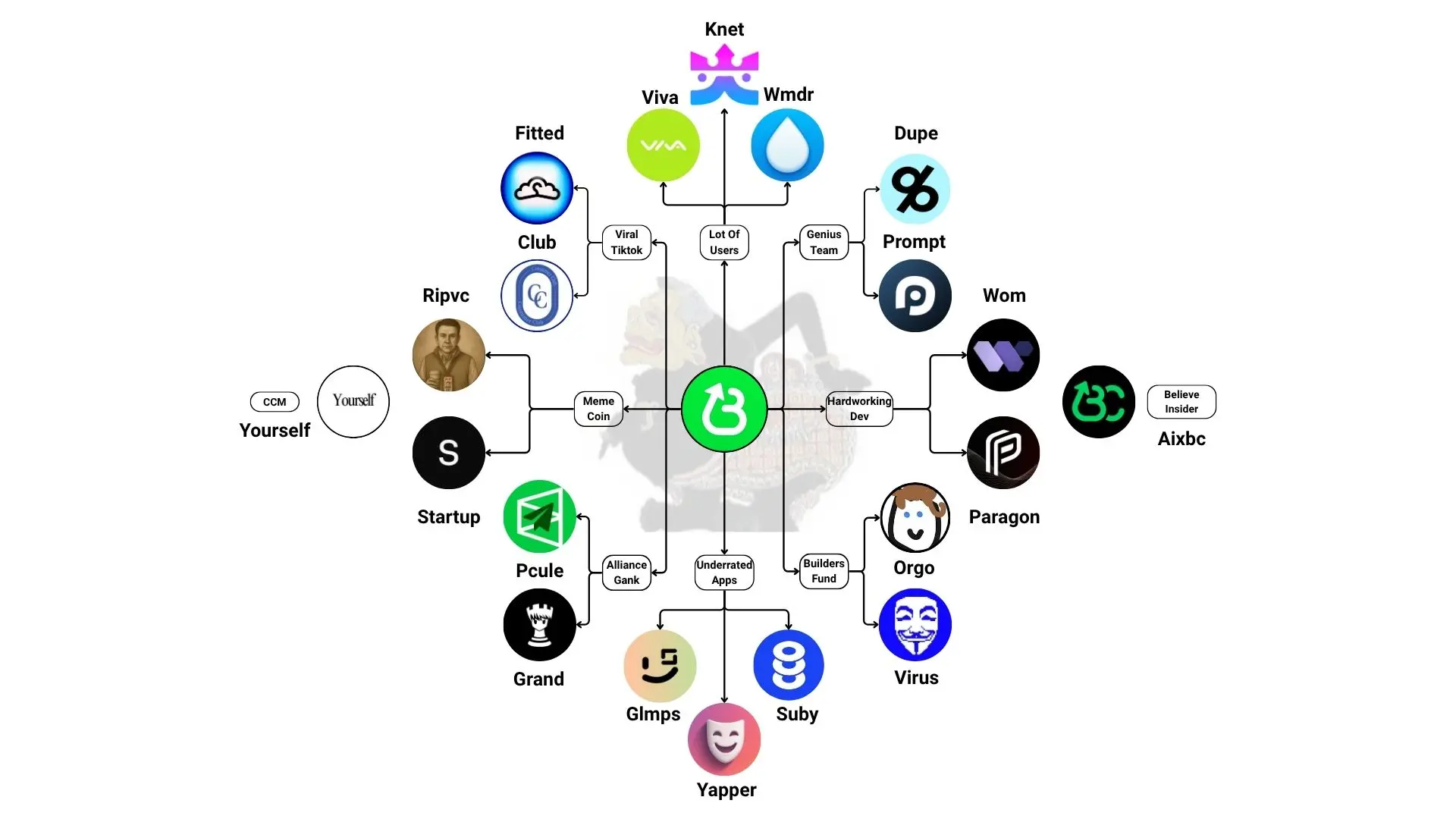
Current ecosystem of Believe, image source: @PaceTerminal.
HUCH: CS2 Skin Lending Platform
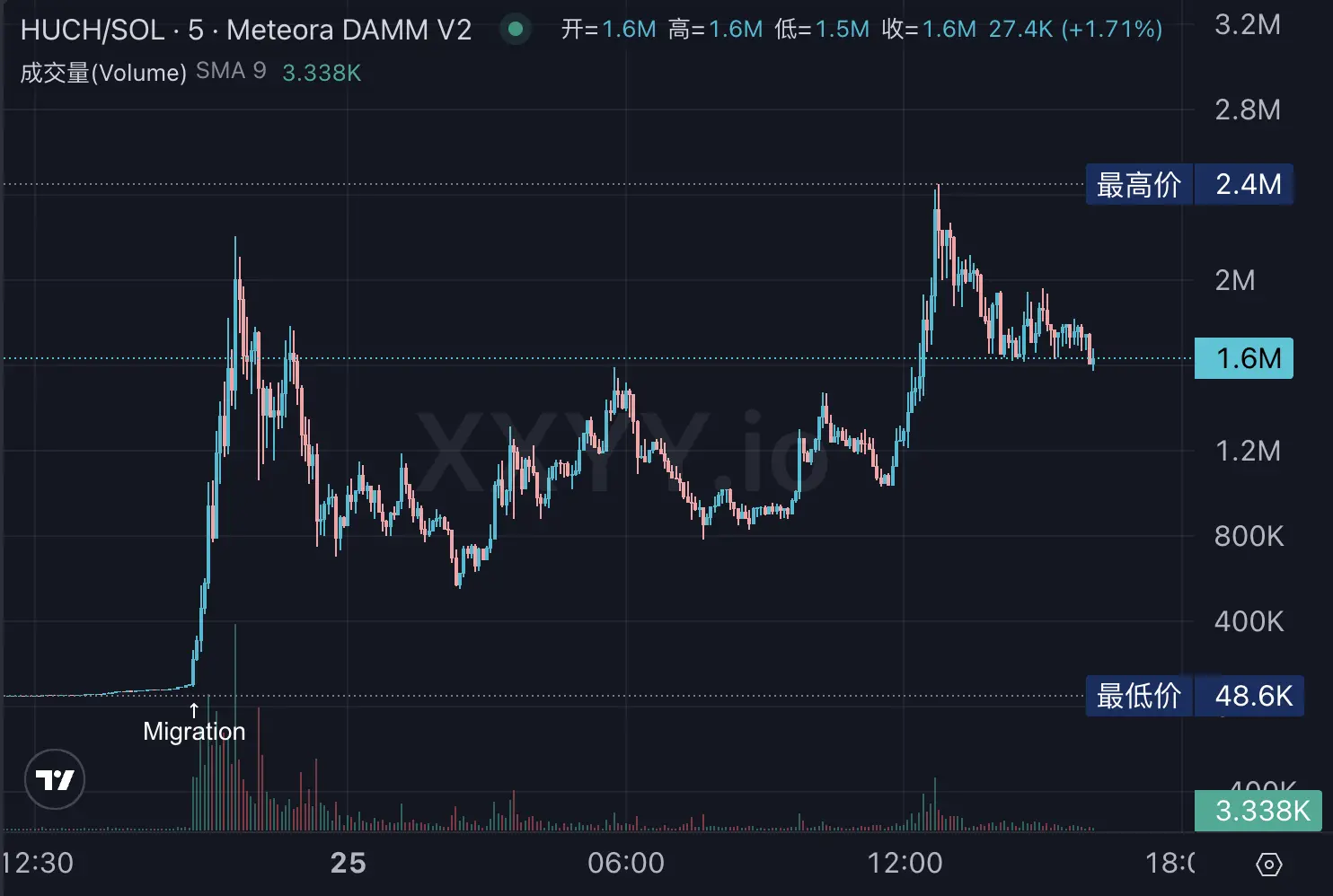
HUCH is an on-chain lending platform for CS2 skins, which won the University Prize at the hackathon game track held by Colosseum and Solana in July. It launched on Believe on August 24, currently maintaining a market value of around 1.5 million dollars.
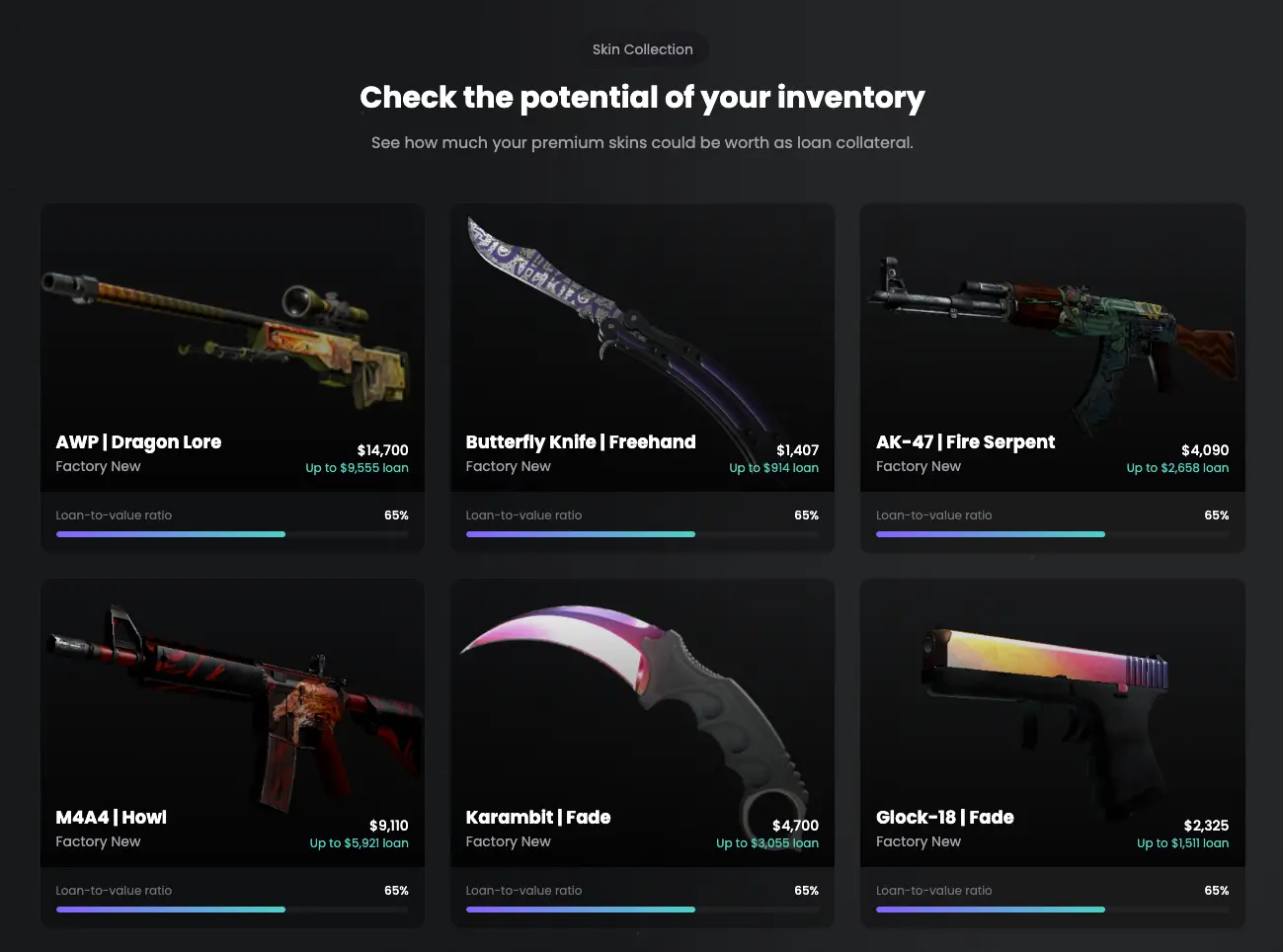
The overall basic concept of the product is quite simple. The team believes that the skins of Counter Strike 2 currently have a huge market worth nearly tens of billions of dollars, but there is no corresponding liquidity. Since CS2 skins and DeFi products share many similarities in financial attributes, they want to create an on-chain platform that transforms gaming assets into financial tools through collateralized lending.
The team integrates real-time market data for accurate valuation, allowing players to use CS2 skins as collateral to obtain instant cash loans (worth 65%).
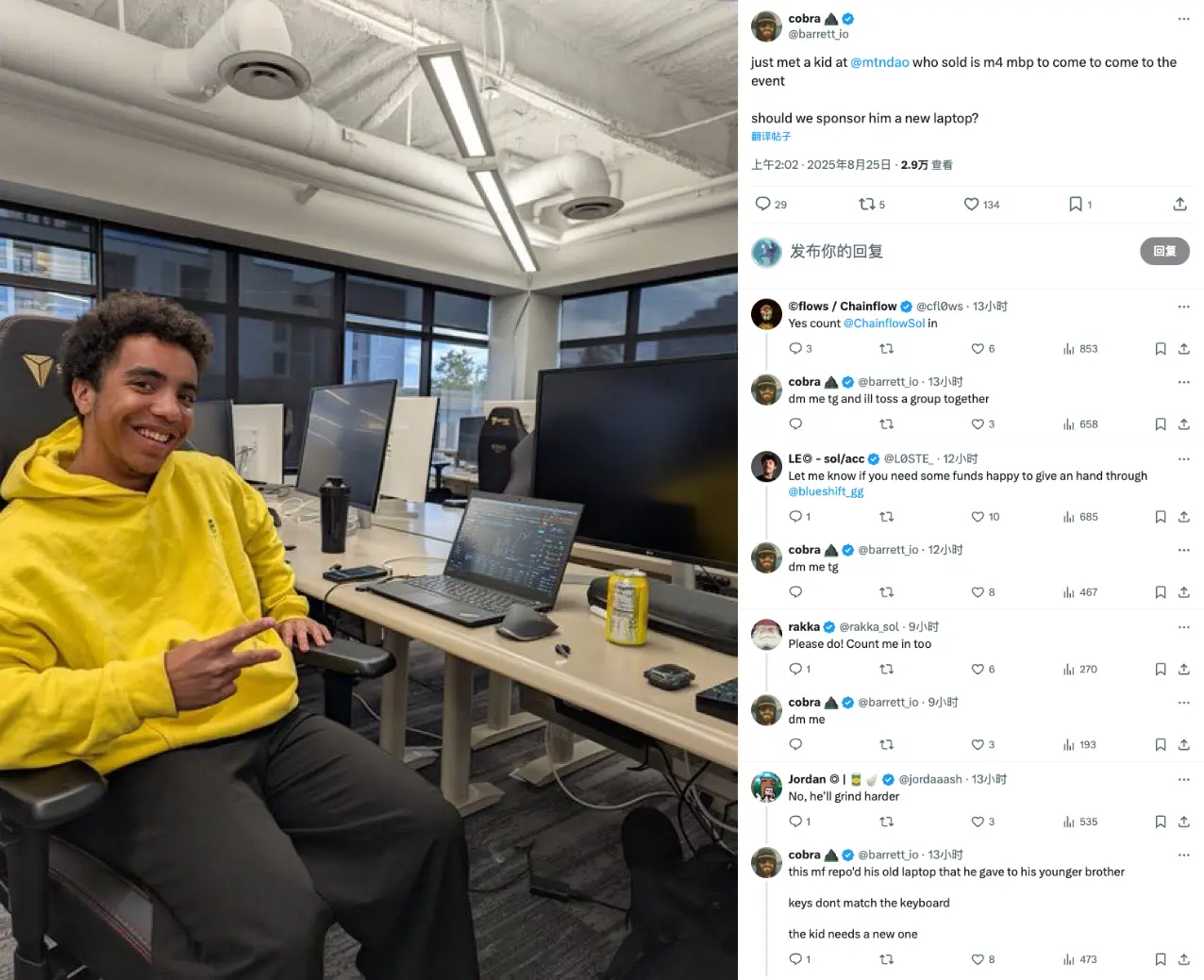
 Interestingly, founder Hugo claimed that before the launch of HUCH, he sold his Apple computer to promote HUCH and attended a summit organized by the well-known crypto "public workspace" Mtn DAO. This caught the attention of Mtn community member Cobra, who discussed whether to sponsor him a computer, and this proposal received a positive response from many community members, with several project team members expressing willingness to sponsor him.
Kled: AI Data Trading Matching Platform
Kled is an on-chain AI data trading intermediary platform aimed at connecting AI developers with data copyright holders, providing trading channels for various types of data such as video, audio, and text. The project received a $2 million investment from K5 Capital (which has previously invested in projects like Uber and Xai). Founder Avi Patel dropped out of the University of Illinois Urbana-Champaign and founded the music copyright platform Nitrility in 2023, launching Kled in 2024.
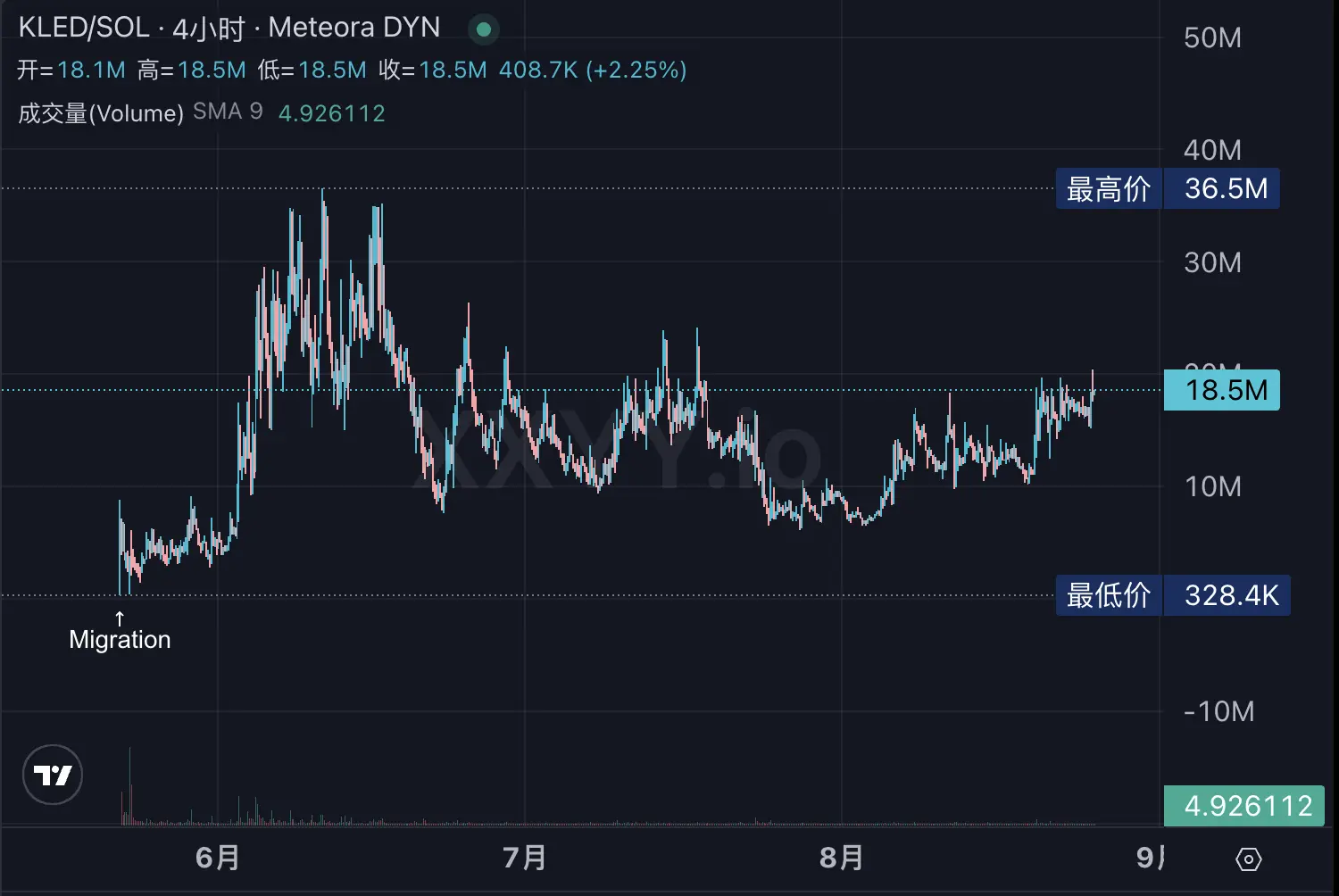
In the early stages, due to contract deployment issues, the price of the $KLED token once plummeted, causing market panic. However, platform founder Ben (the founder of the Believe platform) promptly clarified the contract address issue on X, and as the development team continued to update product features, community confidence gradually recovered. Subsequently, Kled's market value rebounded to about 10 million dollars and was listed on the Moonshot exchange.
On June 9, Kled V2 announced the next phase of enterprise contracts "Kled Pages" and revealed collaboration plans with platforms like YouTube, Twitch, and Google Classroom, while also co-hosting a hackathon with Stanford University and UC Berkeley. This series of developments brought more B2B revenue expectations to the platform and enhanced scalability, igniting the community's FOMO sentiment, pushing the $KLED price to a new high with a market value that once reached 36 million dollars. After the hype subsided, it fluctuated around a market value of 10 million dollars, currently quoted at 18 million dollars.
Polycule: Polymarket's Telegram Trading Bot
Polycule is a Telegram trading bot compatible with Polymarket, allowing users to place orders directly through chat commands, bypassing the access restrictions to Polymarket in the United States. It addresses the pain point of the platform being inaccessible directly in the U.S., thus receiving a $560,000 investment from AllianceDAO. With Polymarket officially announcing its collaboration with the Telegram bot on X, the platform charges a transaction fee of 0.01% to 0.05% for each trade and allocates 30% for buybacks and burns, providing deflationary support for the token.
The decentralized prediction market Polymarket gained fame for successfully predicting the outcome of the 2024 U.S. presidential election, leading to a surge in platform popularity and trading volume. However, due to regulatory investigations, Polymarket was banned in the U.S., preventing American users from accessing the platform directly. Polycule was born in this context—it is a lightweight Telegram trading bot that connects to Polymarket, allowing users to participate in on-chain YES/NO betting trades through chat commands without opening a webpage, thus bypassing domain blocks and enabling convenient participation in prediction markets in regions like the U.S. With its approach to solving Polymarket's mobile and restricted area usage pain points, Polycule secured a $560,000 seed investment from AllianceDAO.
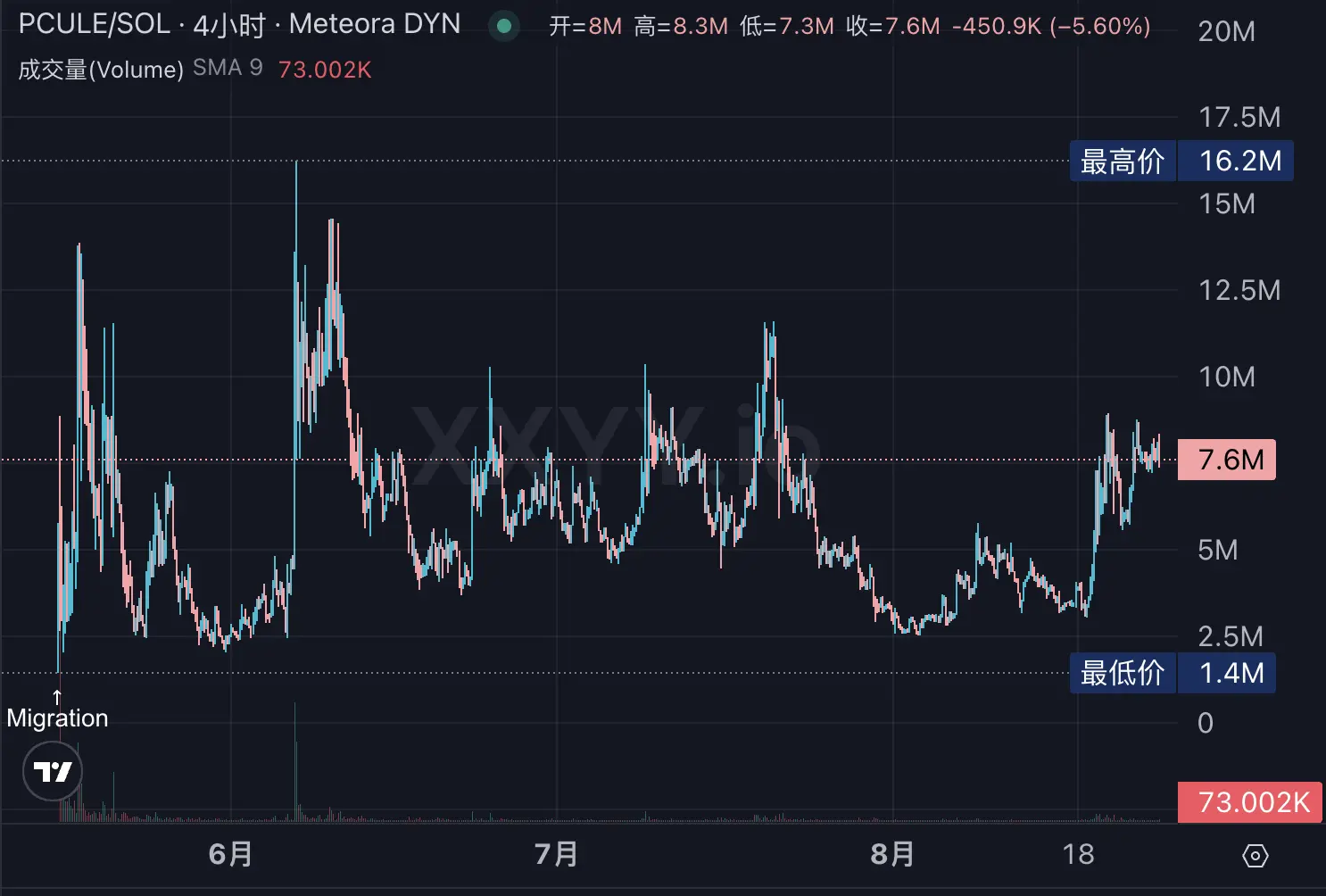
Polymarket has shown support for Polycule—their CEO Shayne followed Polycule's official account. When users inquired on X about placing bets via Telegram, Polymarket officially confirmed the availability of the Polycule bot. This official endorsement propelled the $PCULE token into its first round of price increases. Subsequently, on June 6, the social platform X announced a partnership with Polymarket, making the latter the official prediction market partner of X, allowing Polymarket's data and prediction results to flow with the content on the X platform. This news pushed the $PCULE price to a new high again.
Currently, Polycule charges a transaction fee of 0.01% to 0.05% for each trade and allocates 30% of that for token buybacks and burns, providing deflationary support for $PCULE. Riding the wave of social trading's rise, Polycule has rapidly expanded its user base, while its trading fee "burn" mechanism has also formed positive feedback, driving the token price continuously upward.
DAOSFUN Limited-Time Return?
Unlike Believe's focus on ICM, DAOS.FUN aims to bring back the "glory" of Crypto AI on-chain.
LLM: Officially Endorsed Latin AI Agent Memecoin
LLM (Latina Language Model) is an AI concept Memecoin issued on the DAOS.FUN platform, with the issuer being the platform founder @baoskee, who claims to be the "first fully autonomous Latin AI agent" role token. Because it shares the same name as the previous ai16z imitation "Large Language Model" (and indeed has a similar image), the project did not attract widespread attention in its early launch phase, allowing for a relatively long entry opportunity.

However, some senior traders in the Chinese crypto community, such as Noobwillwin and 0xNoNo, got involved early on. According to community information, the LLM founder reserved about 5.14% of tokens as holdings while also serving as a moderator for the LLM community, indicating that LLM is not an ordinary community coin but an AI concept token backed by the DAOS.FUN official team.
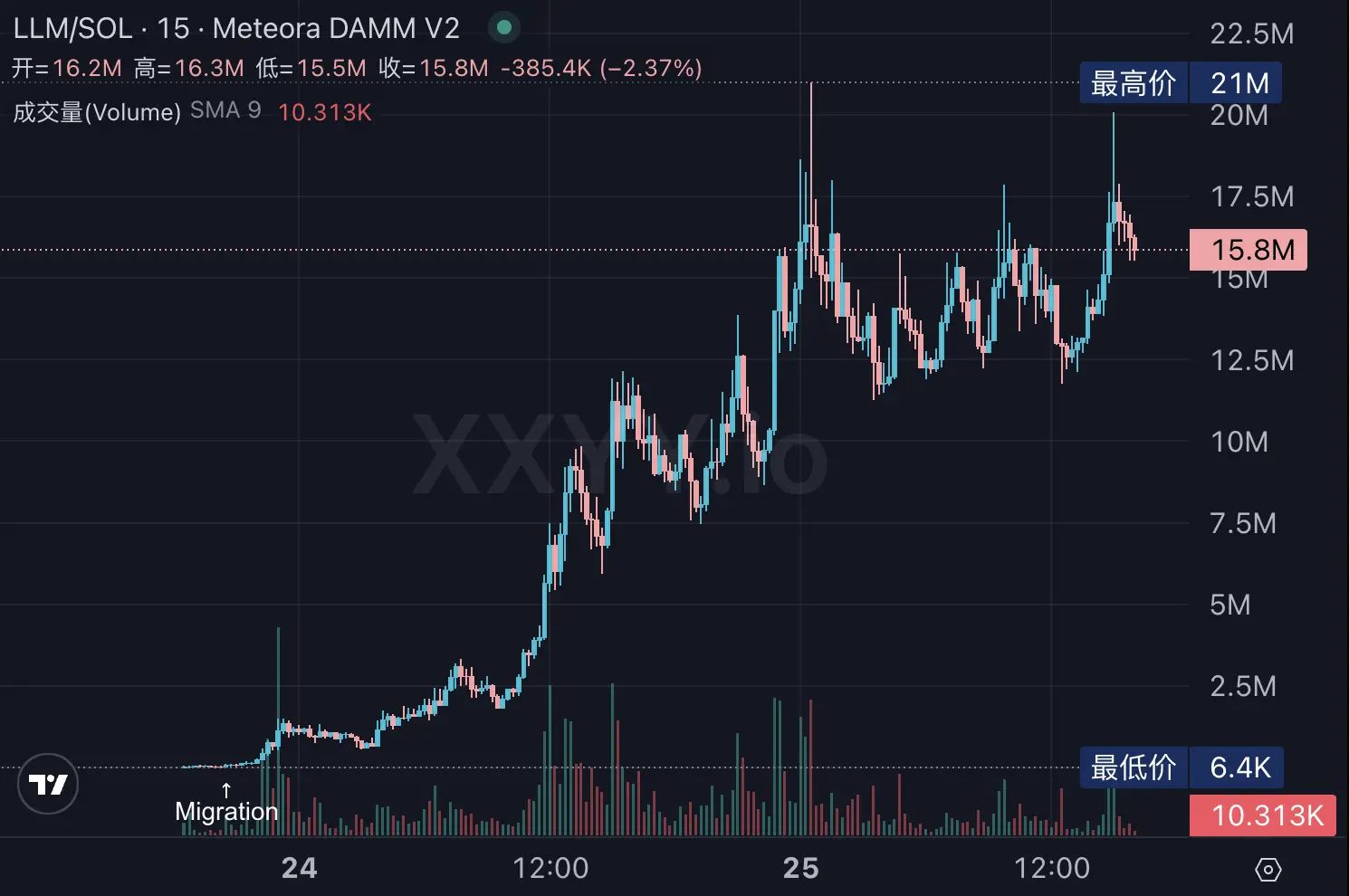
Baoskee stated that the development of AI Agent technology is entering a spring, and future application-based AI tokens are expected to differ from the past purely speculative "AI season" bubble, driving industry iteration through actual products and innovative financial models. However, currently, LLM has not demonstrated anything different from previous Crypto AI in terms of products, but Baoskee's endorsement has directly pushed its market value to 20 million dollars.
$Drink: The Microstrategy of Alcohol Assets
BAXUS is an RWA project that DAOS.FUN is focusing on, recommended by baoskee and well-known investor Mike Dudas. The project has created an on-chain trading market for high-end whiskey and wine on the Solana network, aiming to solve the inefficiency and poor liquidity issues in the traditional high-end alcohol collection market. On the BAXUS platform, rare bottles can obtain credible digital ownership certificates: collectors send physical bottles to the Baxus Vault for professional temperature-controlled storage, and each bottle is scanned with high precision and minted into a unique NFT, serving as the on-chain proof of ownership for that bottle. Buyers and sellers can access the platform globally at any time, supporting various payment methods including credit cards, ACH, wire transfers, and cryptocurrencies/USDC. Users can view real-time price trends, trading volumes, and historical records for each bottle, and any bottle traded or stored on BAXUS can be withdrawn as a physical item or remain in the Vault for resale, with trading efficiency far exceeding traditional auction models.
Drink is the token of the DAO organization promoted by the Baxus founder, who has introduced a concept of alcoholic "microstrategy."
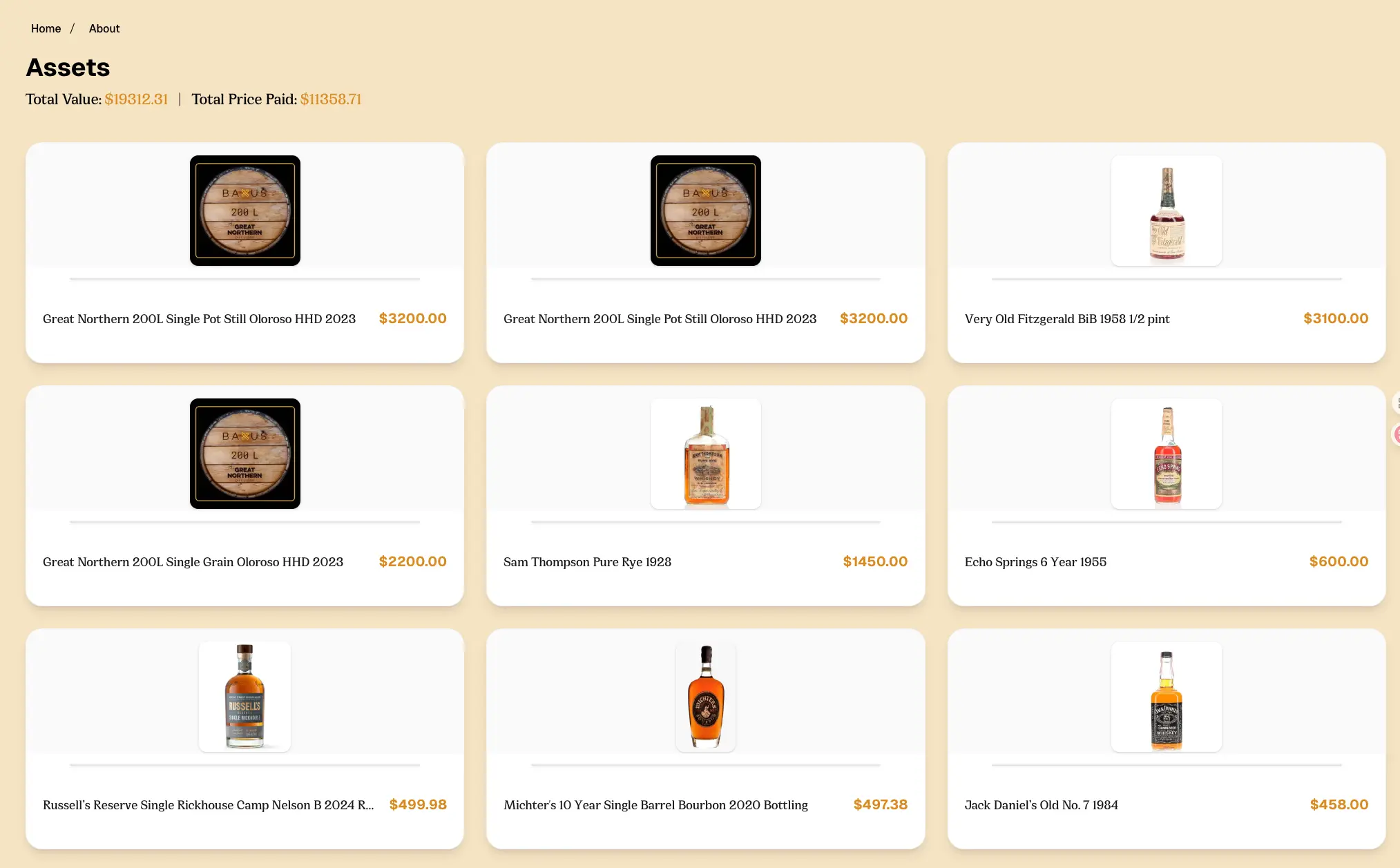
DAO members can vote on the acquisition, management, and ultimate fate of special wines or barrel-aged spirits, deciding whether to sell, continue holding, or share (drink).
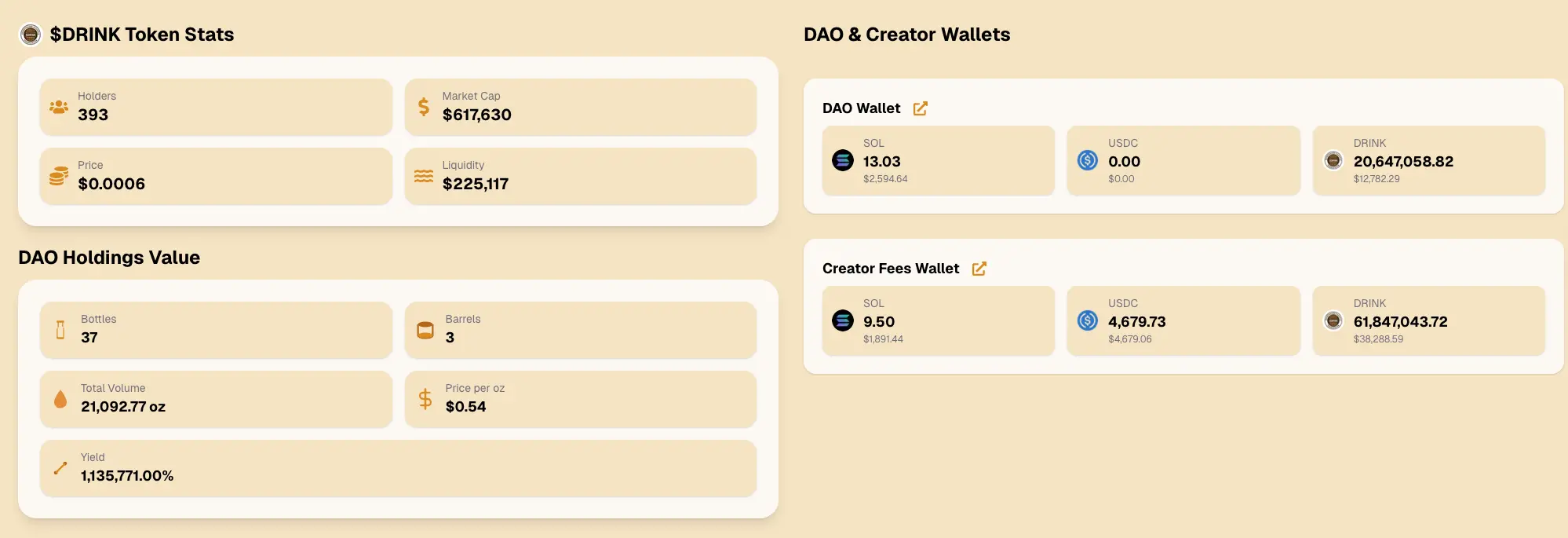
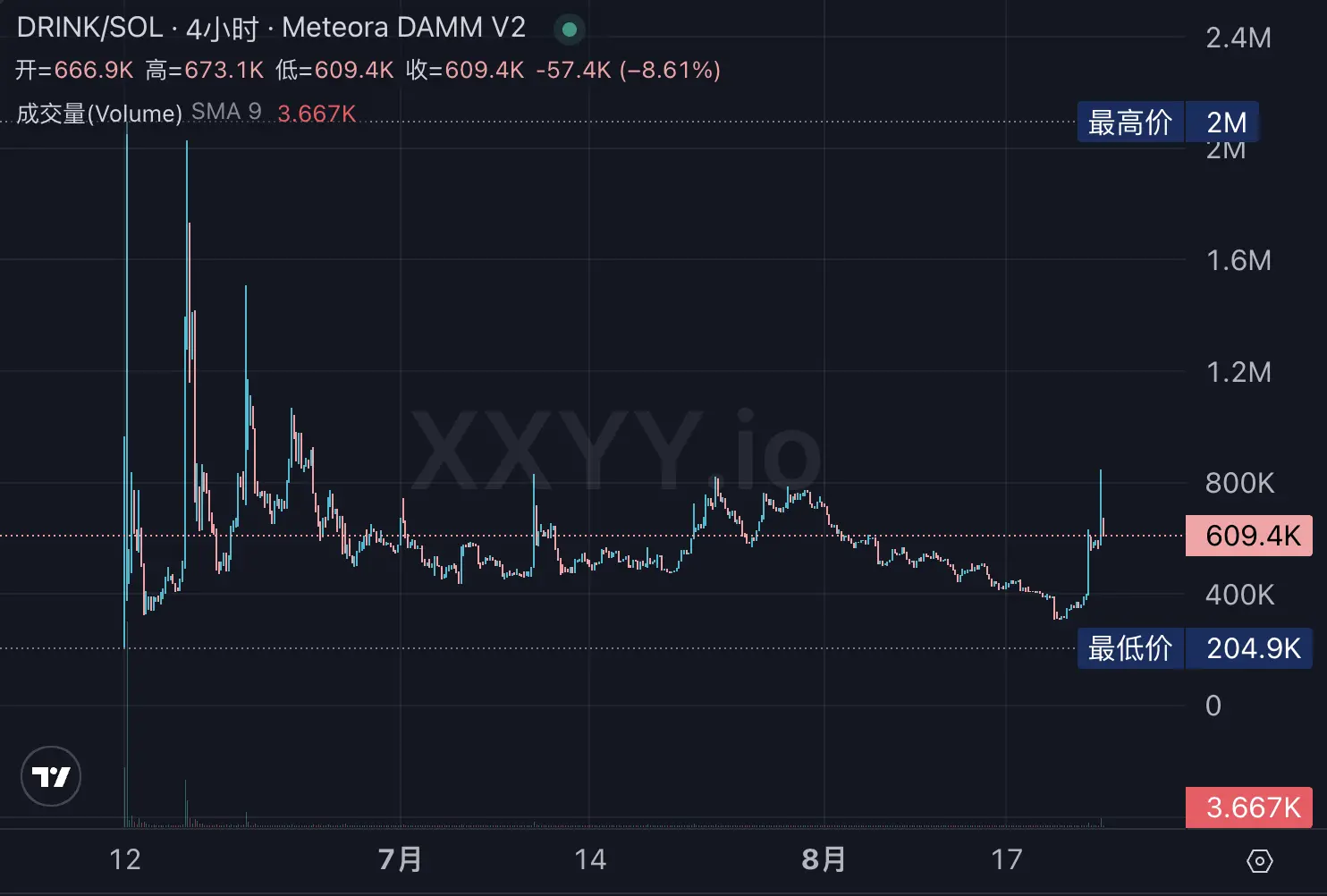
Yesterday, as LLM exploded in popularity, Baoskee also recommended Drink, causing its price to rise by 100% in a short time, currently quoted at a market value of 600,000 dollars.
Click to learn about job openings at ChainCatcher
Recommended Reading:
Backroom: Tokenization of Information, a Solution to Data Redundancy in the AI Era? | CryptoSeed
 Risk warning
 Risk warning

Popular articles





