








A true strong person is not one who never falls, but one who always gets back up after falling

 The Philosophy of Strong Individuals Across Borders
In 1999, at the West Lake Garden in Hangzhou, Jack Ma declared to the team gathered around him: "Even if Tyson knocks me down, as long as I don't die, I will jump up and continue to fight!"
More than twenty years later, at the O2 Arena in London, Faker appeared on the battlefield controlling his hero "Justice Titan," with his outstretched wings blocking out the sun, casting the glory of the championship trophy solely upon him.
In the world of cryptocurrency, Sun Yuchen emerged from the doubts of code plagiarism to become an undeniable force in the industry. Their stories are different, but they all affirm the same truth: true strong individuals never set limits on themselves.
Moving Forward Amid Controversy: Sun Yuchen's Blockchain Comeback
In the controversial emerging field of blockchain, Sun Yuchen is undoubtedly one of the most talked-about figures. His journey from a top student at Peking University to the founder of TRON is a story of rising against skepticism.
In 2017, Sun Yuchen founded TRON, aiming to build a decentralized internet. From the very beginning, the project faced accusations of "code plagiarism," and criticism from the community was relentless. Investors dubbed him the "marketing maniac"—a label that followed him throughout his entrepreneurial career.

The real turning point came in 2022. When Sun Yuchen announced his role as an advisor to the cryptocurrency exchange Huobi (now Huobi HTX), the market reacted strongly. Countless users vented their dissatisfaction on social media, joking that "the marketing maniac has a new trick." Faced with a tide of criticism, he chose not to retreat but to respond with action.
Sun Yuchen conducted a comprehensive strategic restructuring of Huobi, integrating it into the TRON ecosystem and promoting its compliant development in Hong Kong. This series of initiatives gradually won market recognition. By 2024, the total number of users on the TRON public chain exceeded 200 million, with daily transaction numbers surpassing Ethereum, and the volume of stablecoin transfers ranking first in the industry for three consecutive years. TRX's market value also successfully entered the top ten of cryptocurrencies.
In 2025, the core enterprise of the TRON ecosystem officially listed on the NASDAQ in the United States, becoming one of the few blockchain projects to enter the mainstream capital market. Standing in the exchange hall, Sun Yuchen remarked: "The value of blockchain is not in short-term fluctuations, but in whether it can truly change the world."
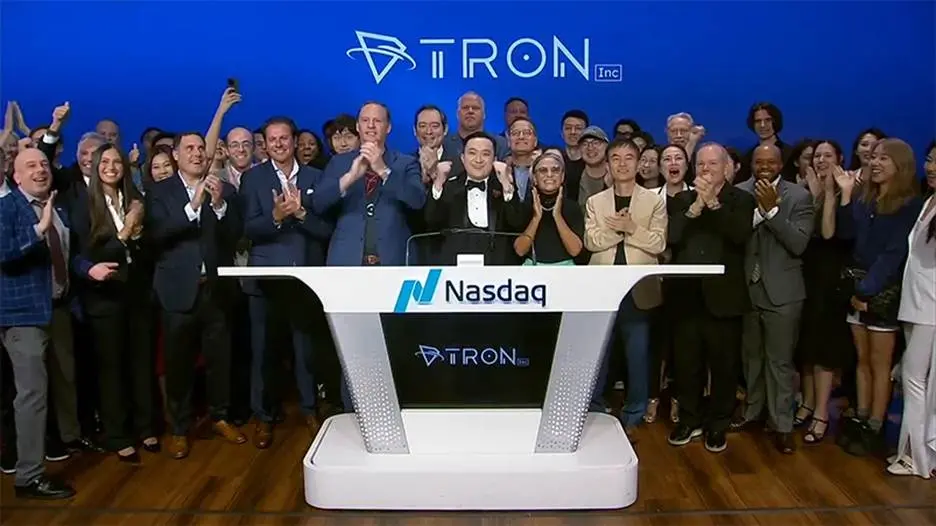
His vision did not stop at Earth. That same year, Sun Yuchen participated in Blue Origin's space flight program, becoming the first blockchain entrepreneur to enter space. After returning from space, he wrote on social media: "From space, the boundaries of Earth disappear, which embodies the spirit of blockchain—borderless, open, and free."
Also that year, he graced the cover of Forbes, completing his transformation from a "controversial figure" to an "industry leader."
Amidst the flowers and applause, he still insisted on "taking a step back and starting over." During the TOKEN2049 summit in Singapore on October 1, Sun Yuchen launched the TRON ecosystem's decentralized perpetual contract exchange, SunPerp. In this new arena, he took the lead, with the total trading volume exceeding 5.1 billion USDT in less than two months.
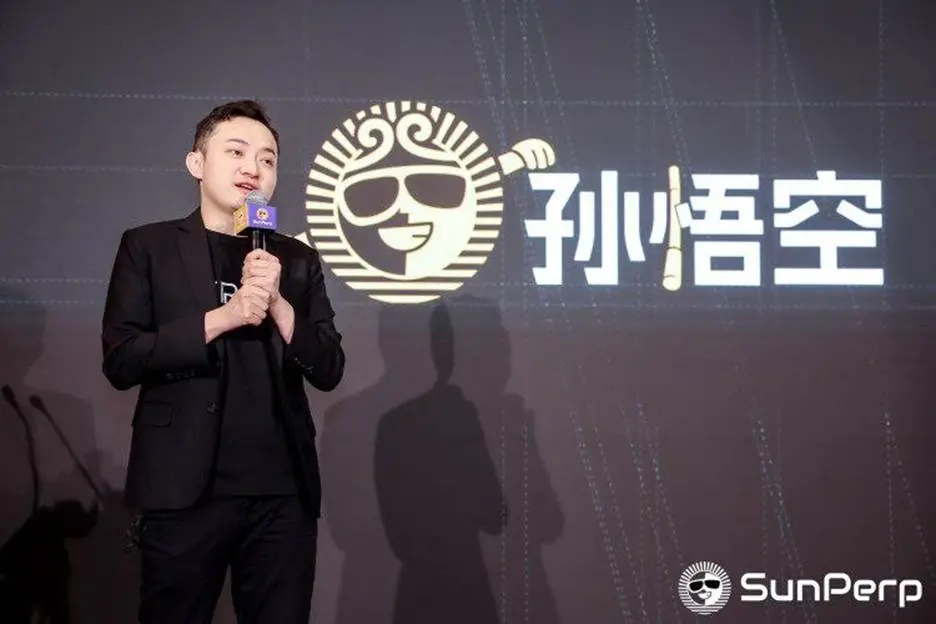
From being ridiculed as a "marketing maniac" to leading TRON in ringing the NASDAQ bell; from the chorus of insults upon joining Huobi to making the Forbes list; from accusations of code plagiarism to building the world's largest decentralized application ecosystem—Sun Yuchen's entrepreneurial journey perfectly illustrates that true strong individuals do not fall without getting back up; rather, they find the direction and strength to rise again after each fall.
Esports Legend: Faker, From Falling from the Throne to Six Championships
In 2017, on the finals stage at the Bird's Nest in Beijing, Faker and his team SKT T1 faced a formidable opponent, the SSG team.
At that time, he was full of confidence, eager to achieve an unprecedented three-peat, but ultimately his dreams were shattered on the field. In the moment of defeat, Faker shed tears on the stage, leaning over the table and unwilling to leave. The iconic photo of him standing next to the trophy, looking back, is referred to as the "world masterpiece" in esports history.
At that time, he might not have imagined that it would take six long years before he would stand atop the world again in 2023. Esports is a youth-driven field, and many players face a decline in performance around the age of 20. However, at 28, Faker continued to write an immortal legend in esports.
As the years went by, Faker proactively transformed from the "big boss" who relied on individual skill to carry the game to the "control master" who emphasized teamwork. In the 2025 S15 semifinals against TES, his Galio supported teammates every two minutes on average, compensating for slight reaction gaps with awareness and command.
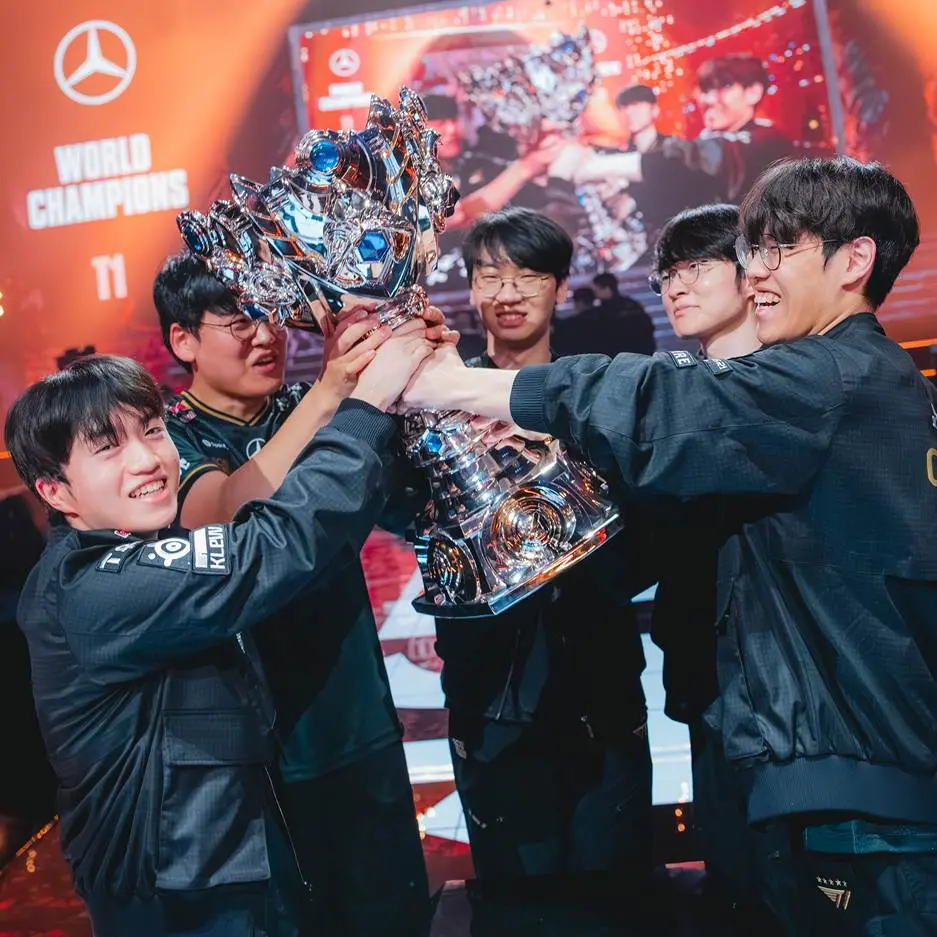
When the 29-year-old Faker donned the T1 jersey and lifted the Summoner's Cup for the sixth time, the entire esports community was stunned by the scene.
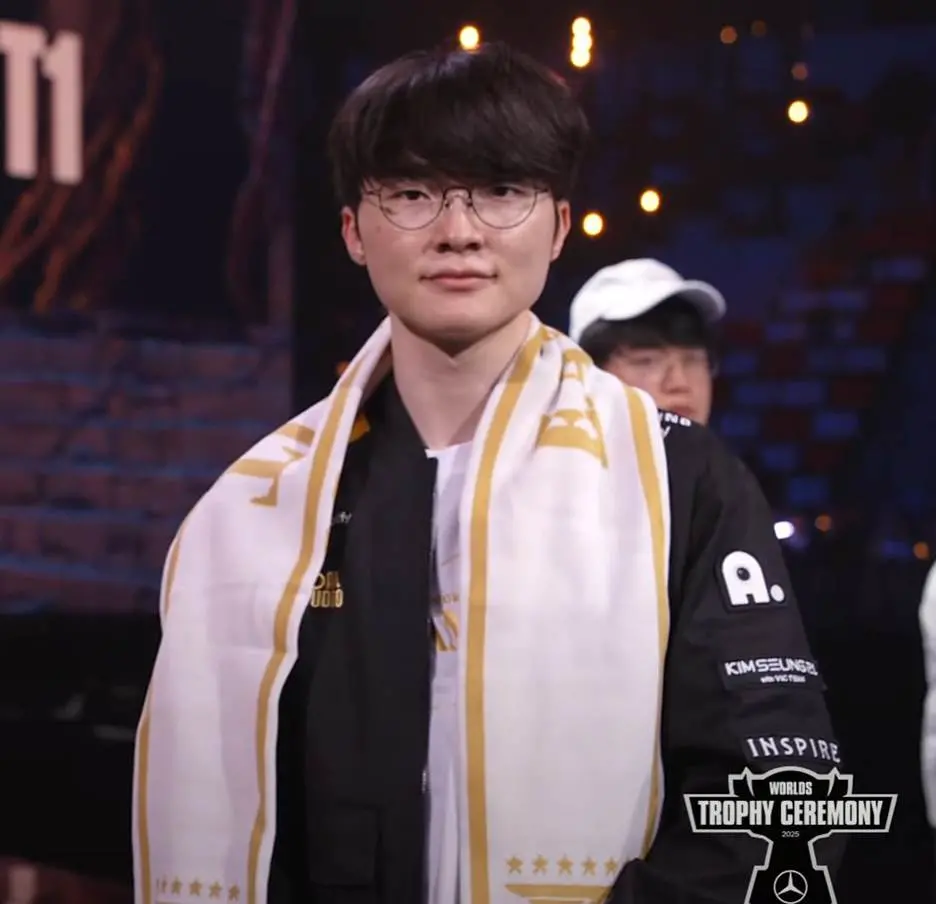
In an industry where 23 is considered "veteran" and 25 is labeled with "retirement countdown," this player nearing his thirties broke the age prejudice against esports players with a new championship trophy.
Entrepreneurship Never Dies: Jack Ma and the Miracle of the Lake Garden with the Eighteen Arhats
On February 20, 1999, the fifth day of the Lunar New Year, in a modest residence at the West Lake Garden in Hangzhou, 15 people gathered together. The room was almost bare, with only a broken sofa on one side, and most people sat on the floor while Jack Ma stood in the middle and spoke for two full hours.
Jin Jianhang, who was responsible for photography and videography at the time, recalled: "What were everyone's expressions in the photos? They were all confused and hollow."
The reason for the confusion was that Jack Ma spoke about three visions: first, to build a company that would last for 80 years; second, to become one of the top ten websites in the world; third, that any businessman must use Alibaba. Jin Jianhang later reflected: "For us ten or so people, the idea of building an 80-year company seemed unrelated to us; saying we would be one of the top ten websites, no one believed it." Amidst the joy and chaos, Alibaba gradually developed.

On its first day online, Alibaba had dozens of customers, and soon it was gaining over a hundred new customers daily. Some even kept a diary to record the daily increase in customers. After six months, they had accumulated 20,000 customers. But the toughest days quietly arrived. The 500,000 yuan they pooled together was meant to last for ten months, but within a few months, it was all gone. Thus, the entrepreneurs had to endure two months without money and without hope.
"We would hail a taxi, and if it was a Santana, we would raise our hands and chat with the driver to pass the time, until we saw a Xiali before getting in," Jin Jianhang recalled. In such circumstances, Jack Ma surprisingly rejected 38 investors. The reason was simple: those investments were too shortsighted or utilitarian, even wanting to directly interfere with operations.
The turning point came with the joining of Cai Chongxin.

This Taiwanese individual, who held a bachelor's degree in economics and East Asian studies from Yale University and a JD from Yale Law School, flew from Hong Kong to Hangzhou in 1999 after hearing about Alibaba to discuss investment. After four days of in-depth discussions with Jack Ma, he made a seemingly crazy decision—giving up a $700,000 annual salary and a stable job at an international investment company to join Alibaba for a monthly salary of 500 yuan.
On a sweltering summer night at the West Lake Garden, drenched in sweat, Cai Chongxin spoke to the first batch of employees about shares and rights, drafting 18 English contracts that fully complied with international norms for Jack Ma and the "Eighteen Arhats" to sign. Without someone like Cai Chongxin joining, Alibaba might have been destined to be a family business, relying on so-called "feelings," "ideals," and "loyalty" to maintain the team. Cai's arrival gradually formalized and internationalized Alibaba from its inception.
In 2014, Alibaba went public on the New York Stock Exchange, with a market value reaching an astonishing $230 billion. Jack Ma naturally ascended to the throne of China's richest man.
Jack Ma once said: "Today is very cruel, but the day after tomorrow will be beautiful. Most people die tonight; never forget your dream from the first day." From the West Lake Garden to the New York Stock Exchange, it was the spirit of always getting back up after falling that supported Jack Ma and the Eighteen Arhats to the end.
After winning his fifth championship, Faker was asked in an interview what he would say to his 11-years-ago self when he first won. He smiled and replied: "Enjoy the game."
In the early days of his entrepreneurship, Jack Ma often encouraged his team: "Even if Tyson knocks me down, as long as I don't die, I will jump up and continue to fight!"
And Sun Yuchen once said, "Entrepreneurship is ultimately about changing the world, not proving who is right or wrong, but these deeply ingrained humiliations and motivations are also a driving force for struggle!"
Fate can knock you down, but it cannot stop you from standing up again—this may be the best interpretation of "true strong individuals never set limits."
 Risk warning Risk warning



Popular articles





