








Daily Observation of Cryptocurrency Concept Stocks: The final draft of the CLARITY Act, 309 pages long, is made public; how tomorrow's markup will reshape the valuation center of Circle and the stablecoin sector

 Released on May 13, 2026. The Senate Banking Committee publicly released the final draft of the CLARITY Act, consisting of 309 pages (31 pages more than the January version), yesterday (May 12). The markup will officially take place tomorrow (May 14) at 10:30 ET. The core provisions of this draft have direct legal implications for the business model of Circle Internet Group, Inc. (NYSE: $CRCL) — it not only defines the compliance boundaries for stablecoin revenues but also delineates the regulatory responsibilities between the SEC and CFTC, thereby determining the legal attributes of USDC and Circle's future addressable market size. The outcome of tomorrow's markup will be the most significant single policy input for $CRCL's valuation path in H1 2026.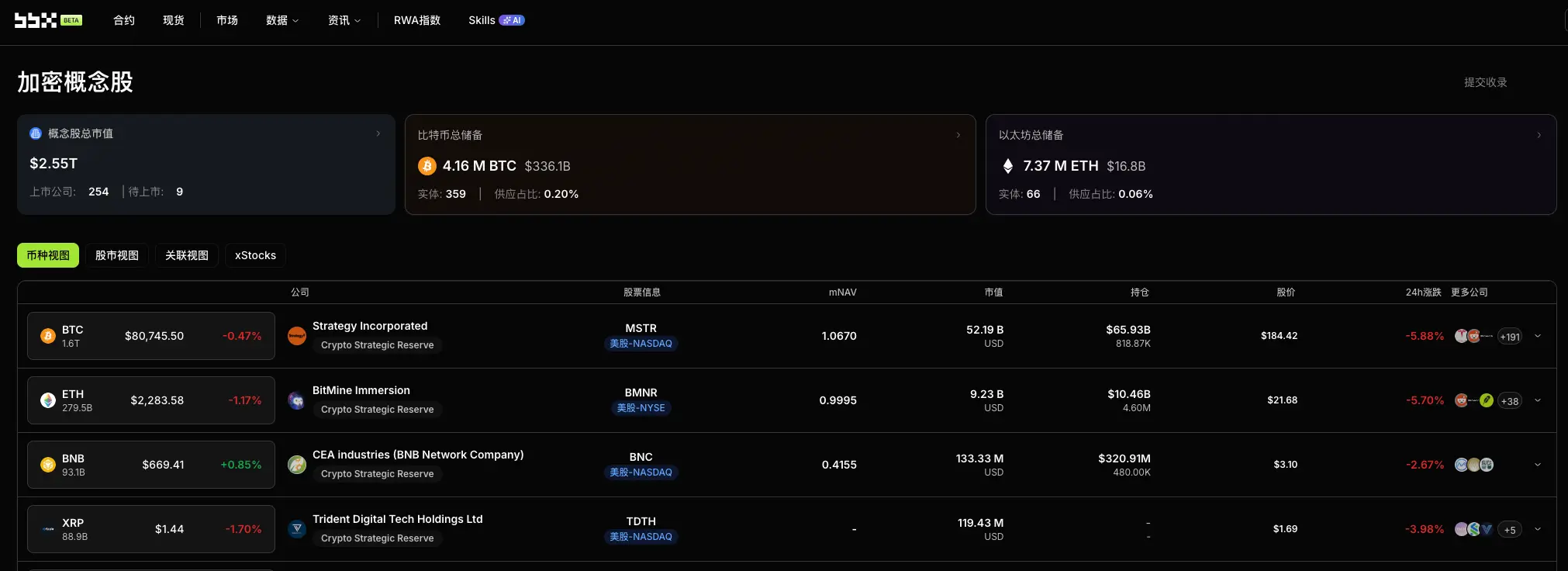
1. Core Provisions of the 309-Page Draft: Stablecoins, DeFi, and Regulatory Boundaries
The Senate Banking Committee released the final draft of the 309-page CLARITY Act on May 12, adding 31 pages to the original 278 pages from January. Key revisions include: the Tillis-Alsobrooks stablecoin yield compromise framework has been formally included—prohibiting the payment of interest on deposits for passive holdings of stablecoin balances, while allowing room for rewards linked to "bona fide activities"; new cybersecurity and compliance standards for centralized intermediaries interacting with DeFi protocols; and clear protections for open-source software developers and peer-to-peer transactions, addressing vague statements in earlier drafts that could have subjected individual developers to regulatory responsibilities. Coinbase Global, Inc. (NASDAQ: $COIN) and Circle have both publicly supported this compromise framework, joining over 100 crypto companies in a joint endorsement—this is the most direct political support the industry has provided for the smooth advancement of the markup in the final stages.
2. Differentiated Impact of Three Markup Outcomes on Circle
Polymarket currently prices the probability of the CLARITY Act passing within 2026 at about 62%, down from nearly 80% after the stablecoin compromise was reached in early May, partly reflecting the uncertainty of last-minute pressures from the banking sector; the committee composition is 13 Republicans to 11 Democrats, with all 13 Republican votes being necessary for advancement; the key swing vote is Senator John Kennedy (Louisiana), whose stance is unrelated to crypto policy and is currently the biggest procedural variable. For Circle, the three outcomes correspond to three valuation paths: if it passes cleanly (the banking amendment is rejected, and the bill framework remains unchanged), the USDC activity incentive provisions will gain legal anchoring, and the $CRCL valuation will switch from a "regulatory uncertainty discount" to a "compliance premium," combined with the narrative of ecological expansion valued at $3 billion for ARC Token, maximizing the space for valuation reconstruction; if it passes with amendments (the amendment narrowing the activity incentive scope is approved), Circle's USDC reward-sharing model will be compressed, but the legal framework will still be established, limiting the extent of the discount; if the markup is pulled or delayed, Senators Lummis and Moreno have warned that this will push the next viable legislative window to 2030, and the structural discount for $CRCL will persist throughout the year.
3. According to Media Reports Citing Citigroup Analysts: BTC Target of $143,000 Directly Linked to CLARITY Act
According to a report by Disruption Banking citing Citigroup analysts, Citigroup has directly linked its Bitcoin target price of $143,000 for 2026 to the passage of the CLARITY Act, expecting that the passage of the bill will trigger an additional approximately $15 billion in net inflows for Bitcoin spot ETFs—this prediction is based on the logic that the CLARITY Act establishes BTC as a digital commodity under federal law, providing a clear compliance basis for regulated entities such as pension funds and insurance companies that had previously paused crypto allocations due to legal uncertainties to include Bitcoin ETFs in their portfolios. This transmission chain also applies to the crypto concept stock sector: the systematic influx of institutional funds will simultaneously drive the management scale of $IBIT, Coinbase's institutional custody revenue, and the usage of Circle USDC at the institutional settlement level, forming a positive feedback loop of regulatory clarity → capital inflow → fundamental improvement. The result of tomorrow's markup will directly determine whether this transmission chain can be activated within 2026.
Tomorrow is the Highest Density Node in This Year's Crypto Legislative Track
Tomorrow (May 14) at 10:30 ET, the Senate Banking Committee markup will officially begin, and the public can watch the entire live broadcast through the committee's official website and C-SPAN. From a time urgency perspective, if the bill does not pass the committee before the Memorial Day recess on May 21, the entire process will be substantially reset, and the legislative window for 2026 will be significantly narrowed; the White House's July 4 target requires the markup to pass tomorrow, followed by a vote by the full Senate in June, and then completing coordination between the two chambers—this timeline is extremely tight but technically feasible. For investors holding crypto concept stocks, tomorrow is not a window for frequent operations—the markup process may last several hours, and the results of substantive amendments carry a high degree of uncertainty. A more reasonable framework is to treat the markup results as directional inputs for Q2 position adjustments rather than a single-day trading signal. Circle arrives at this legislative node with a Q1 USDC on-chain trading volume increase of 263% and the completion of $222 million in ARC Token presales, with dual drivers of fundamentals and policy expectations already in place; the result of tomorrow's markup will determine whether these two wheels can turn in sync.
Data source: https://bbx.com/ Crypto Concept Stock Information Database, compiled based on yesterday's announcements from global listed companies and SEC/TSE disclosure documents.
 Risk warning




Popular articles





