








Over $3 billion in short positions have been liquidated. Is the crypto bear market really over?
 Core Viewpoint

 How do you view this round of rebound?
Author: Zhou, ChainCatcher
On August 19, the crypto market suddenly heated up, with Bitcoin rising nearly 8% at one point, reaching around $70,000, breaking the months-long consolidation range, and achieving the largest single-day increase since March. Ethereum's increase that day was close to 20%; crypto stocks also strengthened, with Strategy rising nearly 12%, and Coinbase, Circle, and BitMine all increasing by nearly 10%.
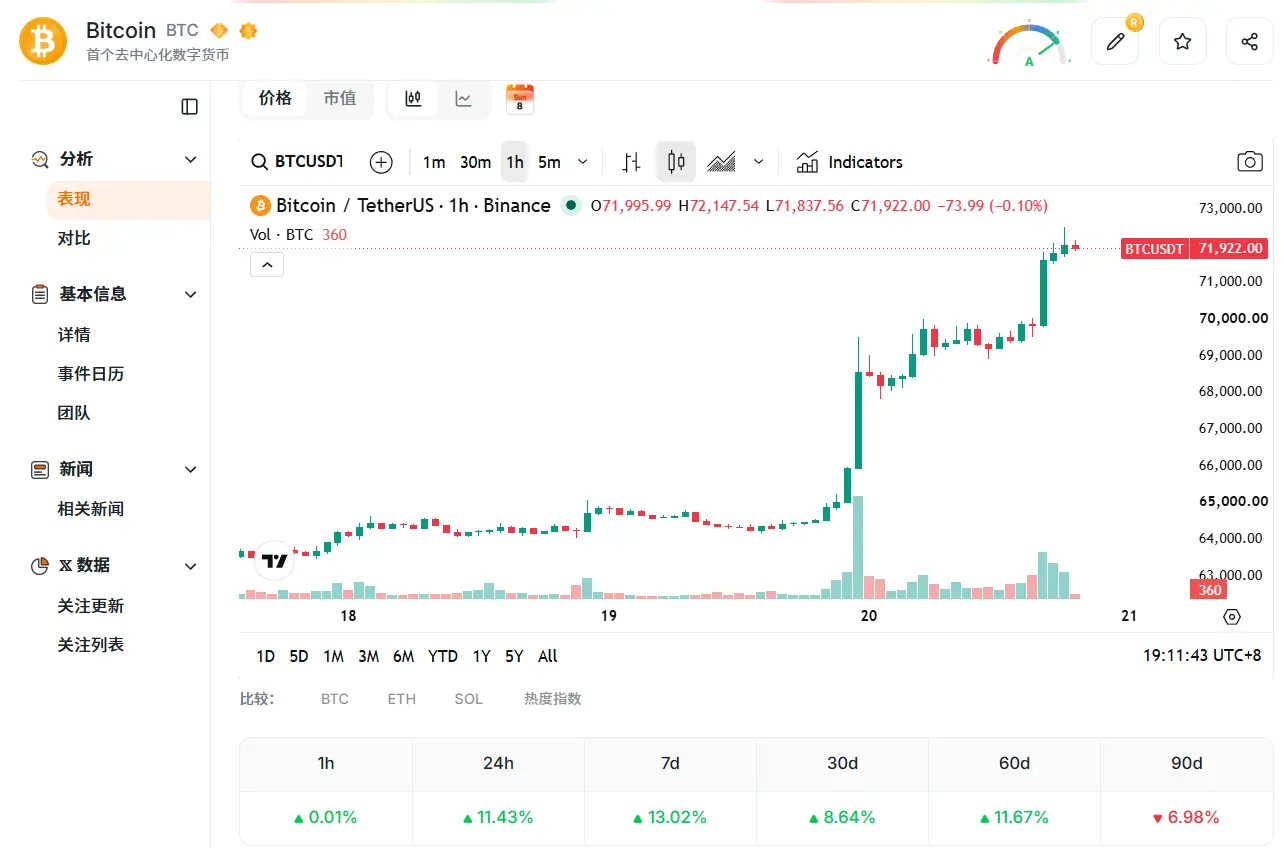
Coinglass data shows that on that day, the total liquidation across the network reached $2.975 billion, with short positions exceeding $2.7 billion, a scale higher than the $2.466 billion short liquidation during the October 2022 event, making it the largest short squeeze in nearly two years.
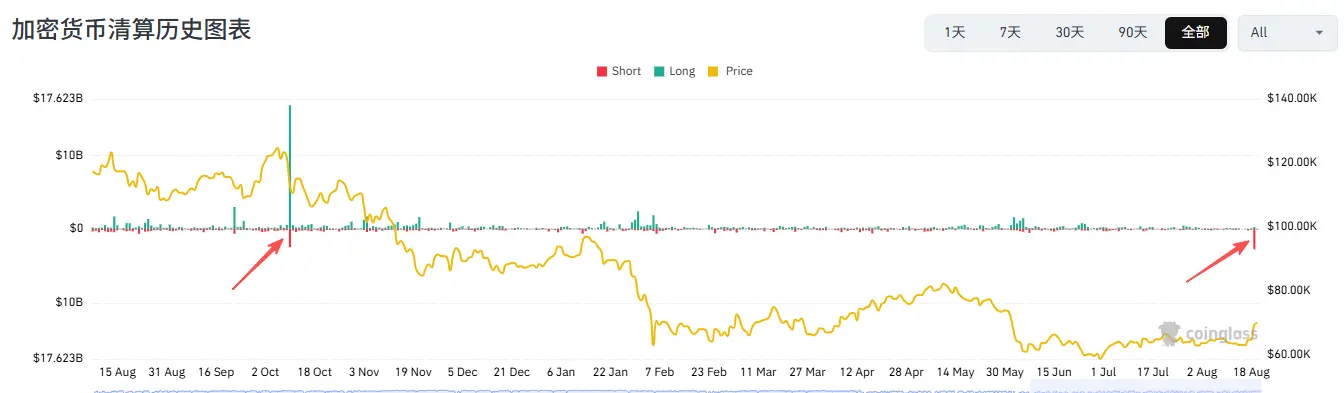
As of the time of writing, the BTC price is around $72,000, and ETH has surpassed $2,200. In the past 24 hours, the total liquidation across the network reached $3.38 billion, with short liquidations exceeding $3 billion. Among them, Bitcoin liquidations were about $1.76 billion, and Ethereum liquidations were about $1.16 billion.
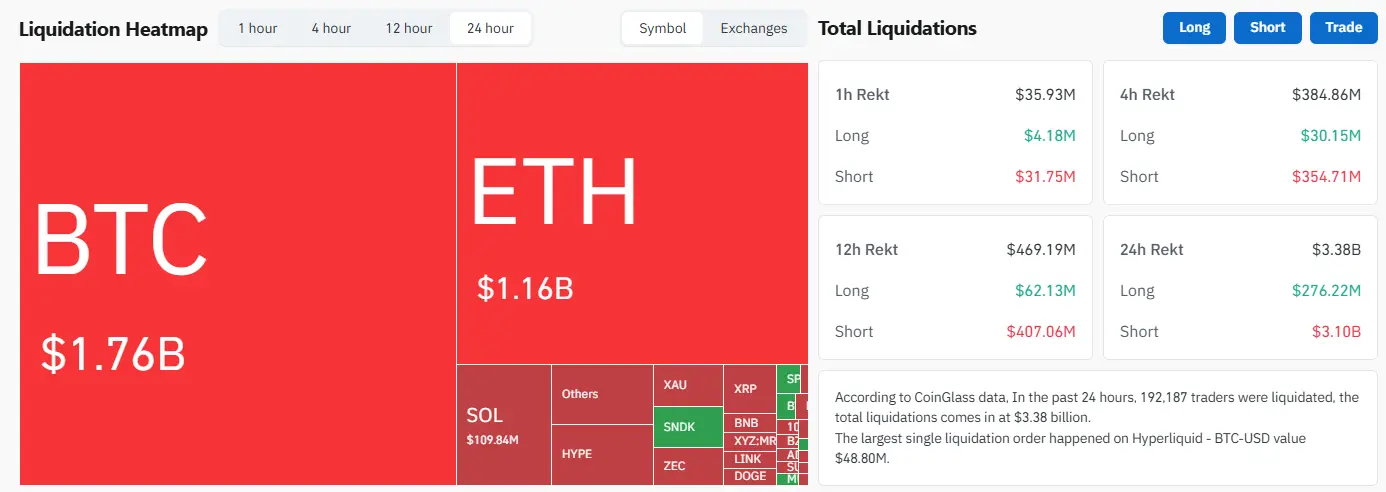
In summary, the market is primarily driven by two forces.
On one hand, there are positive signals from the regulatory side, with the White House and the SEC and CFTC continuously releasing favorable news. On the other hand, macro liquidity has changed, as the U.S. Treasury unexpectedly announced an expansion of long-term Treasury bond repurchase operations, directly lowering long-term yields.
However, on-chain data indicates that the market is still in a surrender phase that has not yet fully cleared. Has the crypto bear market truly ended?
White House Signals
Yesterday, Trump met with a group of regulatory officials and executives from crypto and fintech companies in the Roosevelt Room of the White House. Attendees included SEC Chairman Paul Atkins, CFTC Chairman Michael Selig, and representatives from exchanges and clearinghouses such as Coinbase, Ripple, Gemini, Robinhood, Chainlink, Polymarket, Kalshi, Nasdaq, NYSE, CME, and DTCC. This event also served as preparation for the CFTC Innovation Advisory Committee meeting scheduled for Thursday.
Before the meeting, Secretary of Commerce Howard Lutnick held a small meeting with Coinbase's Brian Armstrong, Ripple's Brad Garlinghouse, a16z Crypto's Chris Dixon, and Kraken's Arjun Sethi to discuss how to push the CLARITY Act through and how to keep crypto companies and related jobs in the U.S.
Trump's rhetoric this time was stronger than before. He stated that the government has completely ended the war on cryptocurrencies, and the industry is thriving, with no one able to stop it.
More notably, he mentioned that the government is discussing accumulating a significant amount, even large-scale Bitcoin and other crypto assets, as this could alleviate pressure on the dollar. However, he did not disclose the execution plan, funding sources, or timeline; it is currently just a statement and has not yet materialized into specific policy.
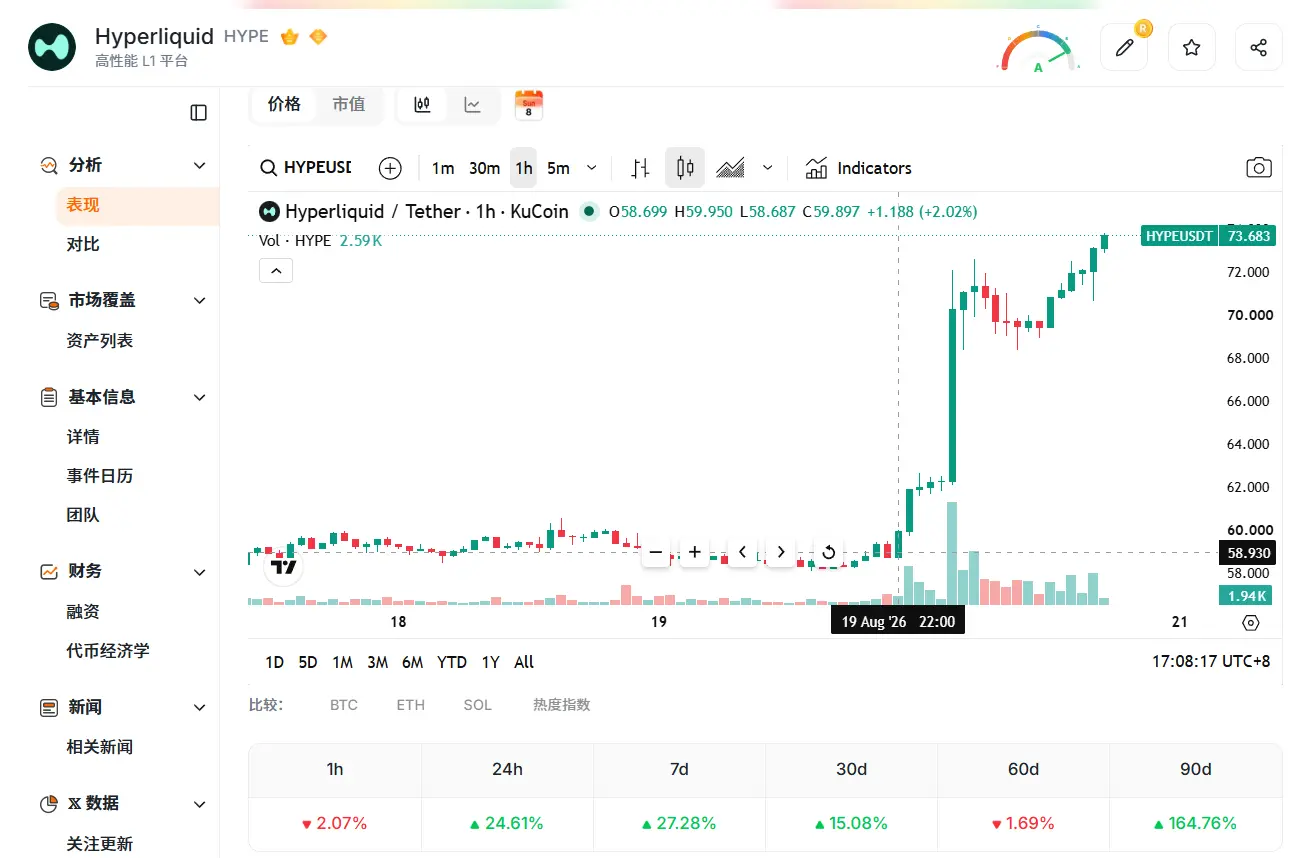
On the legislative front, he continued to urge Congress to pass a fair version of the CLARITY Act as soon as possible. Regarding the CFTC, he confirmed that Chairman Selig is working to bring Hyperliquid into the U.S. market in a compliant manner, which is a continuation of the same idea as the first Bitcoin perpetual contract approved by the CFTC for launch on a regulated exchange. After the news broke, HYPE's price surged over 20%.
Binance founder CZ stated that many people overlook the bigger picture; policies will not only benefit one company or project. A policy beneficial to the industry is beneficial to the entire industry. If platforms like Hyperliquid, which do not require KYC, can enter the U.S. market in a compliant manner, it will open the door for the entire industry, allowing more Perp DEX and decentralized services to cover U.S. and global users, providing better liquidity and prices for American consumers. This not only benefits Hyperliquid itself but also platforms including Binance.
Additionally, Jonathan Gould, the head of the Office of the Comptroller of the Currency, revealed that the approval activities related to digital assets have increased eightfold compared to the Biden administration, and the OCC expects to finalize the rules for the GENIUS Act by November.
SEC New Regulations
Just a day earlier, the SEC officially proposed Regulation Crypto Assets, which primarily opens two exemption channels for token financing, along with a safe harbor provision.
The first is an exemption for startups. It allows a project to raise no more than $5 million over four years without registering under the Securities Act of 1933. This path adopts a principle-based narrative disclosure, not requiring financial statements, with a lower threshold.
The second is a financing exemption, modeled after the two-tier structure of Reg A. Tier 1 has a cap of $20 million every 12 months, requiring principle-based disclosure, discussions of financial condition, and unaudited financial statements, along with ongoing reporting obligations. Tier 2 has a cap of $75 million every 12 months, requiring similar conditions to Tier 1, but financial statements must be audited, and ongoing reporting requirements are stricter.
The safe harbor provision is the most critical mechanism in this proposal. As long as a project completes or permanently ceases its key management activities, the corresponding tokens can be removed from the definition of investment contracts and no longer be considered securities. This exemption applies primarily at the federal level, simplifying the previous state-by-state compliance with securities registration requirements.
SEC Commissioner Uyeda believes the new regulations replace the previous practice of project parties guessing regulatory red lines with fixed thresholds and clear conditions.
It is important to note that several industry lawyers emphasize that this does not equate to regulatory relaxation. Anti-fraud and anti-manipulation provisions remain effective, and the SEC can still enforce the law afterward. To truly complete this compliance process, project parties need to bear compliance costs ranging from hundreds of thousands to millions of dollars.
The proposal is still in the consultation phase, with the consultation period starting from the date the relevant notice is published in the Federal Register for 60 days, and it has not yet become a final rule.
Where is the Legislative Bottleneck?
The CLARITY Act is still the one that can definitively determine whether crypto assets are classified as securities or commodities, but its current progress is not optimistic. Polymarket data shows that after Trump's remarks, the probability of the bill passing this year has only slightly increased from 20% to 23%.
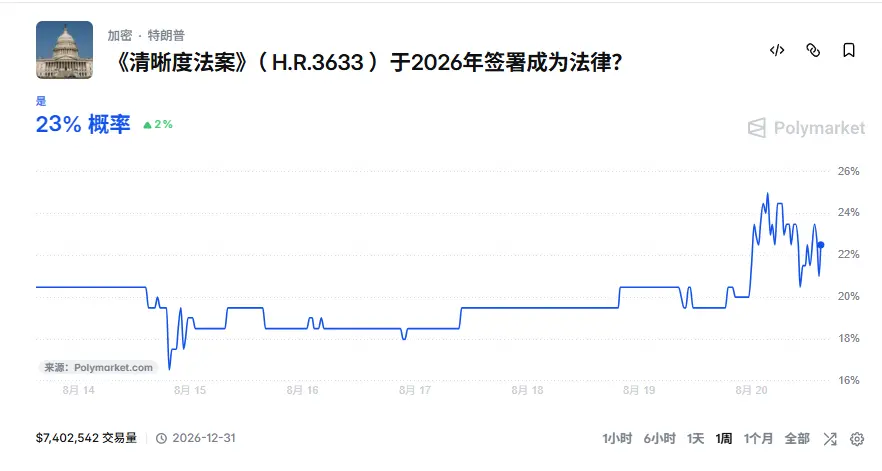
Senate Majority Leader Thune has submitted a cloture motion, setting the voting date for September 15. This is merely a procedural vote on whether to begin formal debate, requiring 60 votes in support. The Republican Party currently holds 53 seats, needing at least 7 votes from Democrats or independent senators, which is not the final vote on the bill.
Therefore, September 15 is a critical juncture, not an endpoint. Even if this hurdle is successfully passed, the bill itself still has several tough issues to tackle.
Last Friday, the SEC withdrew a tokenized innovation exemption rule, possibly out of concern that advancing it at this time would disrupt Congress's negotiation rhythm regarding the CLARITY Act. Securitize President Brett Redfearn stated that the rule will be introduced after the Senate vote on September 15, likely in early October.
Rob Nichols, President of the American Bankers Association, publicly called for tightening the provisions regarding stablecoin rewards in the bill, expressing concern that if stablecoin platforms can effectively pay interest, bank deposits will accelerate their flow into the crypto space. How ethical provisions and the Senate Agriculture Committee's text will be incorporated into the main bill is still under negotiation.
The Chief Legal Officer of GSR stated that even if this administration establishes safe harbor and exemption rules, it cannot rule out the possibility that a new administration could overturn existing rules after the next election. This is an inherent vulnerability of executive measures compared to congressional legislation.
New Debt High, Treasury Bond Repurchase Doubles
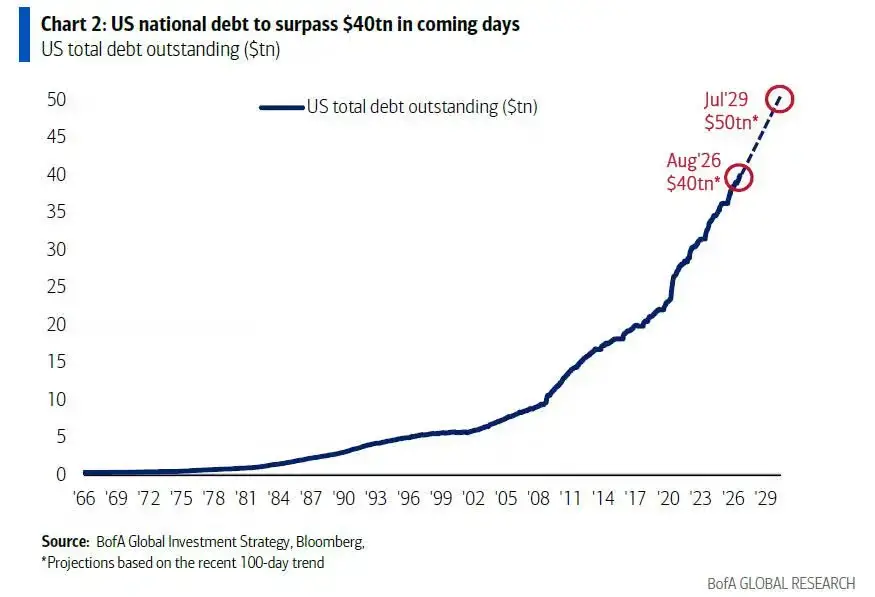
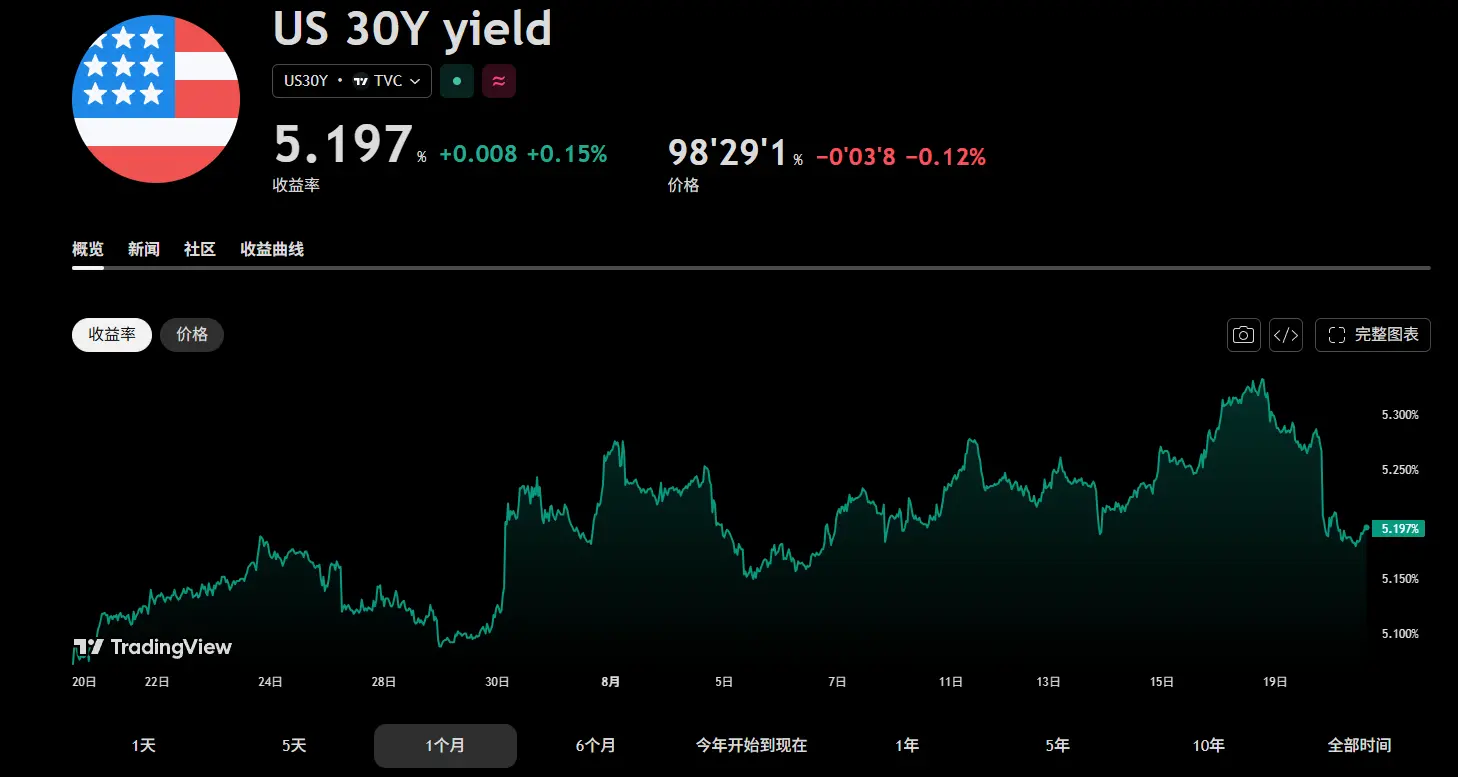
The current backdrop is that the total federal debt of the United States has surpassed $40 trillion, and the yield on 30-year U.S. Treasury bonds briefly exceeded 5.3%, reaching a nearly 20-year high.
The U.S. Treasury announced that from September 9 to November 4, it will at least double the single-operation cap for liquidity support repurchase operations of 10 to 30-year Treasury bonds, raising it from $2 billion to $4 billion.
After the announcement, U.S. long-term Treasury yields quickly fell, with the yield on 30-year bonds dropping nearly 10 basis points, and U.S. stocks rose in tandem.
Standard Chartered's Kendrick stated that this is the kind of operation that Bitcoin loves, as Bitcoin has historically benefited from government liquidity interventions.
Fu Peng, Chief Economist of New Fire Group, believes that the recent joint intervention by the U.S. and Japan has preemptively dismantled the risk of Japan's potential large-scale selling of U.S. bonds, avoiding pressure on long-term U.S. bonds. The Treasury then doubled the repurchase scale of long-term Treasury bonds, precisely lowering long-term yields and term premiums, aiming to avoid triggering a liquidity crisis in collateral due to debt interest spirals.
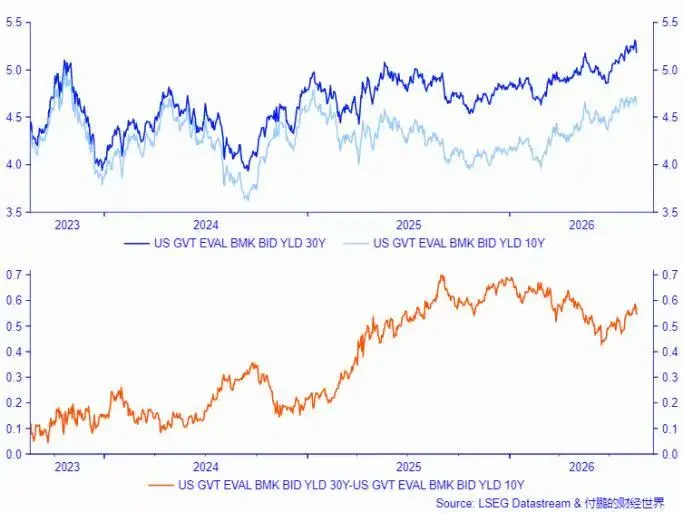
The combined effect of U.S.-Japan joint intervention and hot money inflow has kept short-term rates pinned down while long-term rates are artificially suppressed, resulting in a noticeably flattened yield curve. This supports the valuations of large tech and AI companies with strong cash flows and reduces the attractiveness of overseas carry trades.
Strive CEO Matt Cole mentioned that over the past approximately 45 years, the dollar index has shown lower highs and lower lows, and it may currently be approaching a larger downtrend phase. Bitcoin's previous major rallies, including those in 2017, 2020 to 2021, and 2025, have coincided with a significant weakening of the dollar. He predicts that the dollar may enter a new multi-year downtrend over the next 3 to 7 years, and if this occurs, the macro environment for Bitcoin could be more favorable than at any time in history.
Forbes' article discussing the Triffin dilemma also provides a similar framework, suggesting that Bitcoin, with its fixed supply and lack of reliance on national credit backing, may gradually take on a role as a neutral reserve asset. These narratives are on a 5 to 7-year scale, and whether they can be realized still requires time for verification, with limited short-term pricing reference significance.
However, this operation is not without its critics. JPMorgan strategist Jay Barry and others warn that without genuine fiscal consolidation, the market may perceive the Treasury's actions as lacking credibility, which could lead to higher term premiums and yields in the long run. The U.S. economy is close to full employment but still carries about a 6% fiscal deficit, and relying solely on repurchase operations can only address symptoms, not the root cause.
Brookings Institution researcher Robin Brooks directly pointed out that this resembles manipulating the yield curve rather than addressing the root causes of debt issues. According to estimates from BNP Paribas, at the current pace, the Treasury could repurchase about $128 billion of related-term bonds in a year, accounting for about 30% of the issuance of those bonds but only 2.4% of the market's outstanding debt, indicating limited leverage.
Bianco Research founder Jim Bianco quipped that in the past, the market often said the Federal Reserve panicked, and bond traders could stop panicking; now it should be changed to, Treasury Secretary Yellen panicked, and bond traders could stop panicking.
On-Chain Clearing Progress, Surrender Phase Not Yet Over?
With policies and macro liquidity resonating, what stage are on-chain indicators at?
According to a report from glassnode, the on-chain structure of Bitcoin is still in the surrender phase. The cost basis for short-term holders has dropped to about $68,500, below the real market average of about $75,800. The current unrealized loss in this round is about 25%, significantly lower than the previous cycles' surrender phases, which generally exceeded 60%.
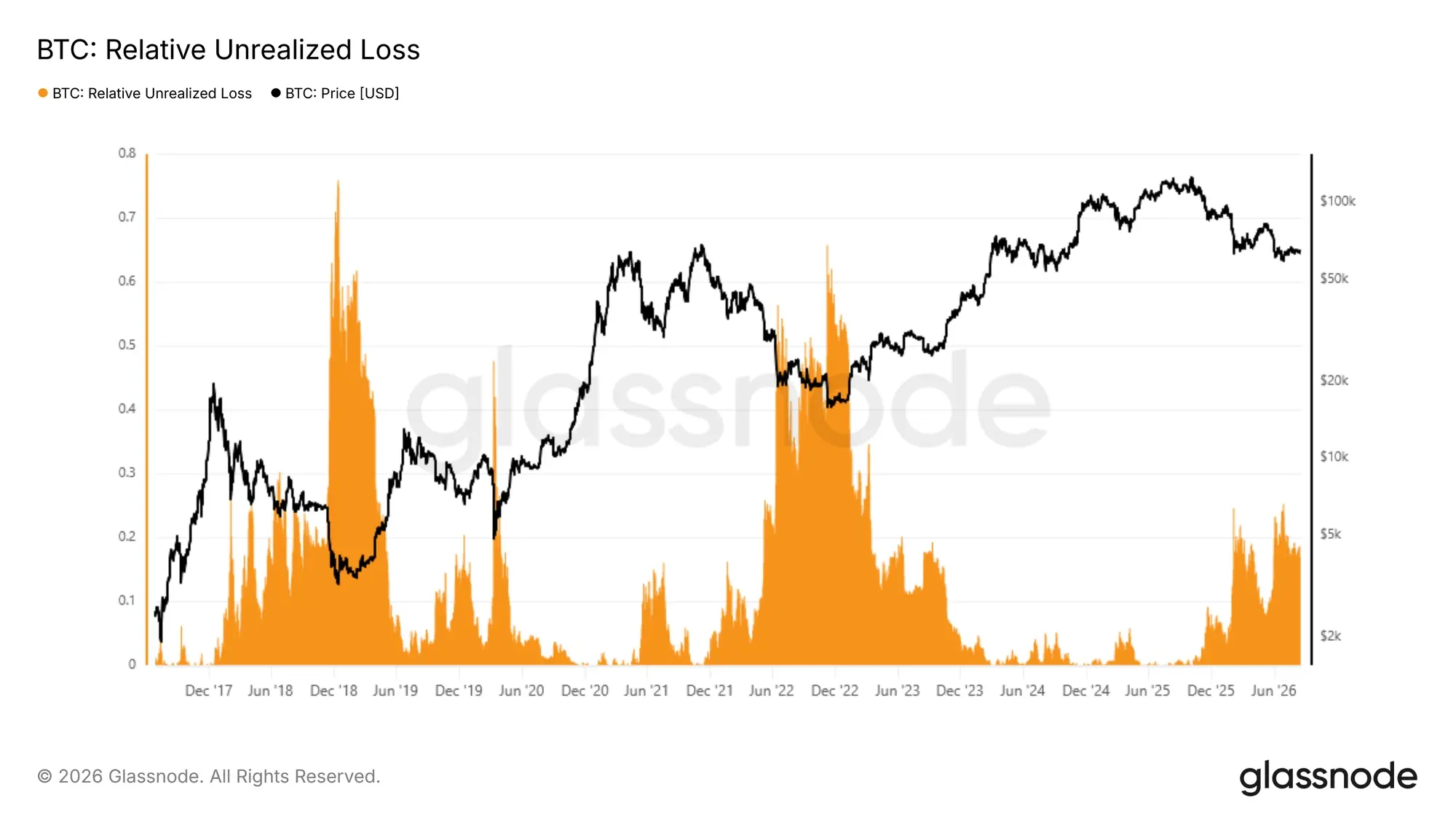
This means that the degree of loss in this round is relatively shallow, but the distribution of holdings is more dispersed, which may require a longer time to truly clear.
A more critical indicator is the 90-day moving average of the realized profit and loss ratio, which is currently about 0.75. Analysts point out that historically, before true seller exhaustion occurs, this indicator usually drops below 0.5; it has not yet reached that position, indicating that selling pressure has not truly been exhausted. Before this indicator breaks back above 2, any price rebound should be viewed as a local rebound rather than a trend reversal.
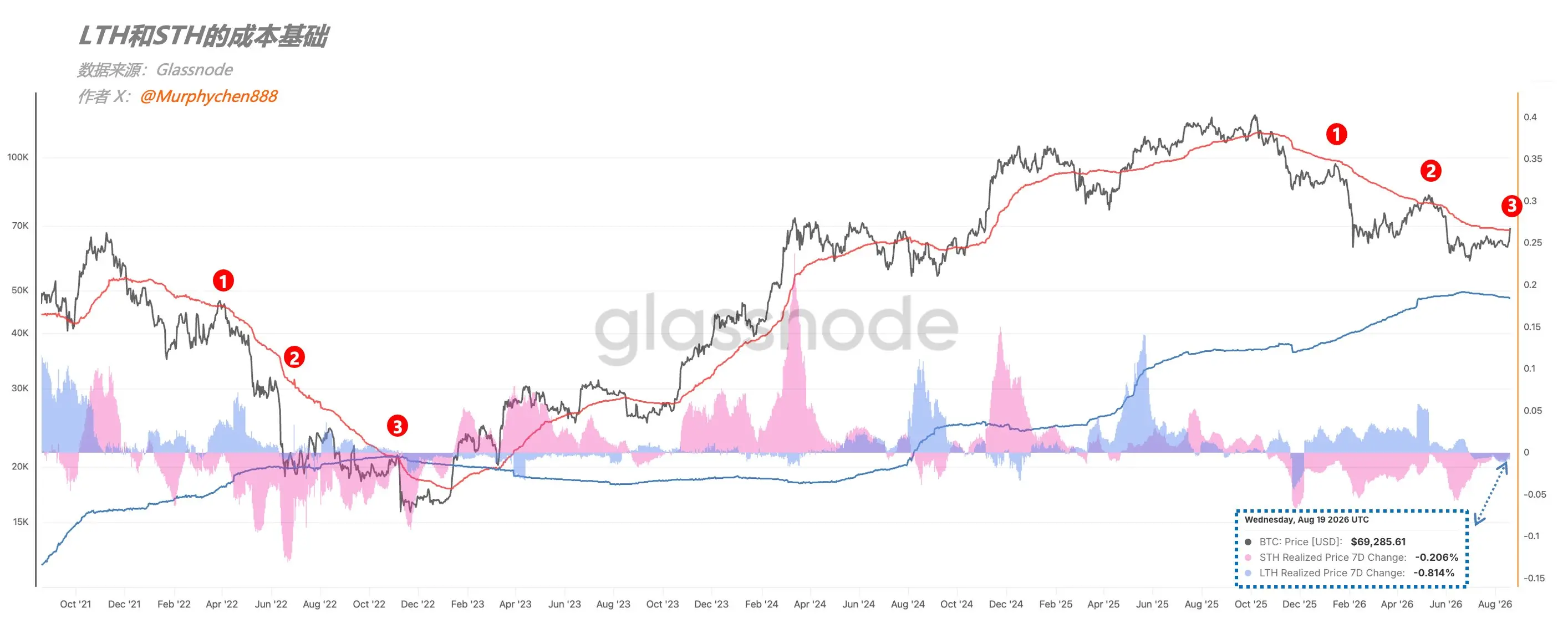
Additionally, analyst Murphy found that this is the third time in this cycle since entering the bear market that Bitcoin has challenged the average cost line of short-term holders (STH-RP), which is seen as the boundary between bull and bear markets. The logic is that each time the price approaches this cost line, it triggers short-term holders with insufficient confidence to accelerate their exit, so in a bear market, the price often goes through a process of approaching, retreating, and then approaching again until a complete breakthrough occurs, exhausting selling pressure, at which point this line can no longer stop the trend reversal.
He also mentioned another signal for a bear market bottom: when the short-term holder cost line falls below the long-term holder cost line, this signal has not failed in the past decade. However, from the latest data, the STH-RP has changed by about -0.2% over the past 7 days, while the LTH-RP has changed by about -0.8%. At this rate, it will be difficult for the two lines to truly intersect in the short term.
Moreover, the Coinbase Premium Index, which represents real demand for spot in the U.S., continues to be negative, with no meaningful return yet.
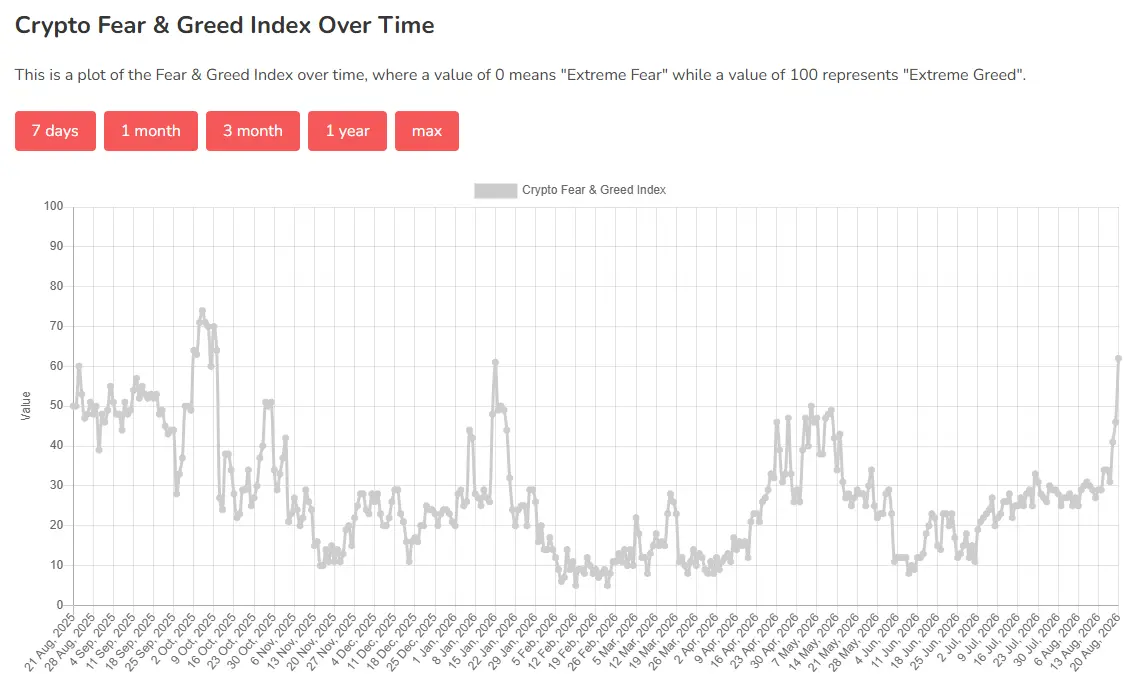
However, data shows that the directional premium in the 30-day perpetual contract market significantly turned negative during the recent downturn but has rebounded significantly, re-entering positive territory. This indicates that leveraged bulls are willing to pay a premium to re-establish long positions, and speculative risk appetite has improved. The current crypto fear and greed index has risen to 62, up 16 points from yesterday, with a 30-day average of only 30.
How to View This Round of Rebound?
Putting all the above information together, a more objective conclusion is that this rise is driven simultaneously by regulatory expectations, macro liquidity operations, and leveraged short covering, amplifying each other's effects.
Analysts point out that this rise reflects an overly crowded short position in the market, and as prices turn upward, forced buying to cover shorts further amplifies the upward momentum.
"A single bullish candle changes beliefs," and indeed, there are many voices now believing that a bottom has been reached or is forming. F2Pool co-founder Wang Chun even bluntly stated that the bear market has ended.

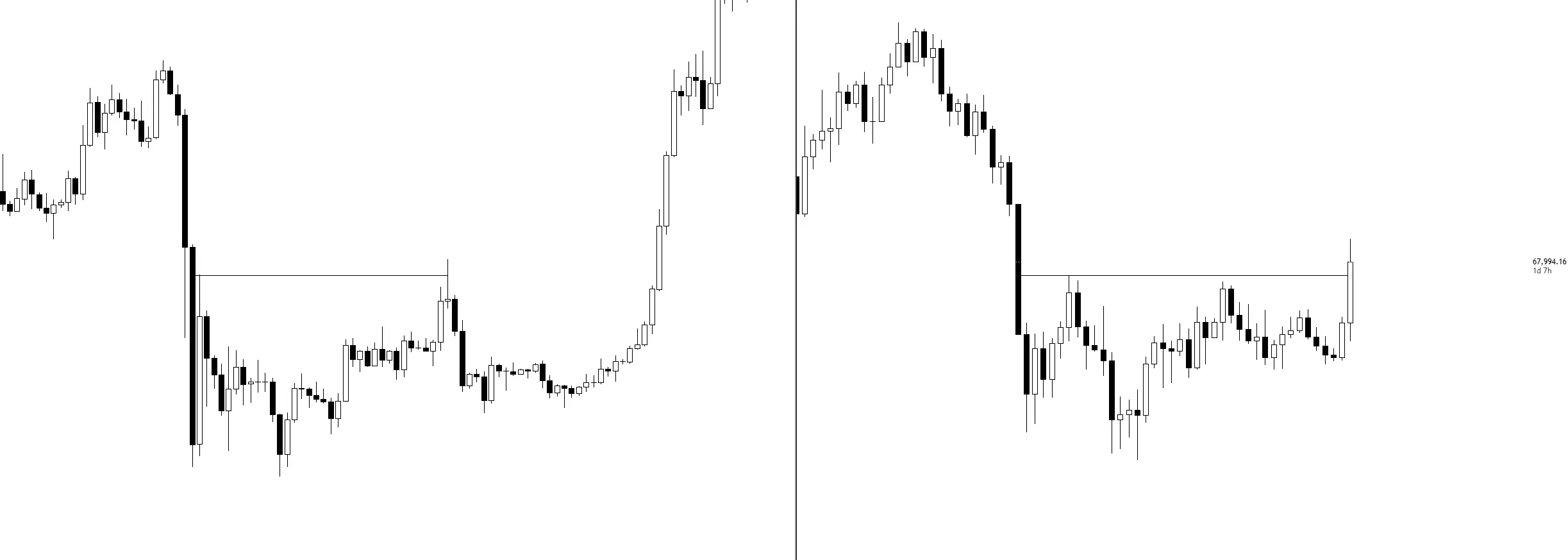
According to quantitative trader Killa, if we compare Bitcoin's current form with the bottom in 2022, a high-level pullback cannot be ruled out in the short term, but Bitcoin can still hold above previous lows and will not truly break below them. The verification method is to see if BTC falls back into the previous consolidation range and shows significant weakness on the 4-hour and daily charts; if not, the pattern remains valid.
Optimistic voices from the institutional side are also increasing. Bitwise CIO Matt Hougan believes that the crypto market is re-pricing on-chain assets that can generate real income, and some protocol valuations are expected to be revised upward along with income capture capabilities. He stated that Bitcoin has become insensitive to bad news, and the bear market may be nearing its end.
At the same time, he provided a scale estimate: the four major wealth management platforms on Wall Street—Morgan Stanley, Wells Fargo, UBS, and Bank of America—manage a total of about $20 trillion in assets. Just incorporating 1% to 2% of crypto allocation would mean a continuous inflow of hundreds of billions of dollars.
Bitwise Europe's August report also mentioned signs of a renewed acceleration in ETP fund inflows, with long-term holder supply remaining high and treasury demand stabilizing. Grayscale's research director Zach Pandl previously stated that the bottoming time for this bear market may come earlier than the traditional four-year cycle.
However, the more cautious side now has a clear core logic, which can be summarized in three points:
- On-chain confirmation is not yet established; the 90-day moving average of the realized profit and loss ratio from Glassnode has not dropped below 0.5, nor has it re-established above 2;
- U.S. spot demand has not yet returned; the Coinbase Premium Index remains negative;
- The credibility of the Treasury's repurchases is in doubt; both JPMorgan and the Brookings Institution worry that this is merely manipulating the curve rather than addressing the root causes of debt.
As for what comes next, policy-wise, attention can be focused on the September 15 cloture vote for the CLARITY Act and whether the SEC's new regulations can smoothly materialize after the consultation period. Before these signals are truly realized, optimistic policies and macro liquidity easing are better understood as reducing downside risks and improving the conditions for a rebound, while a trend reversal still awaits confirmation.

 Risk warning




Popular articles





