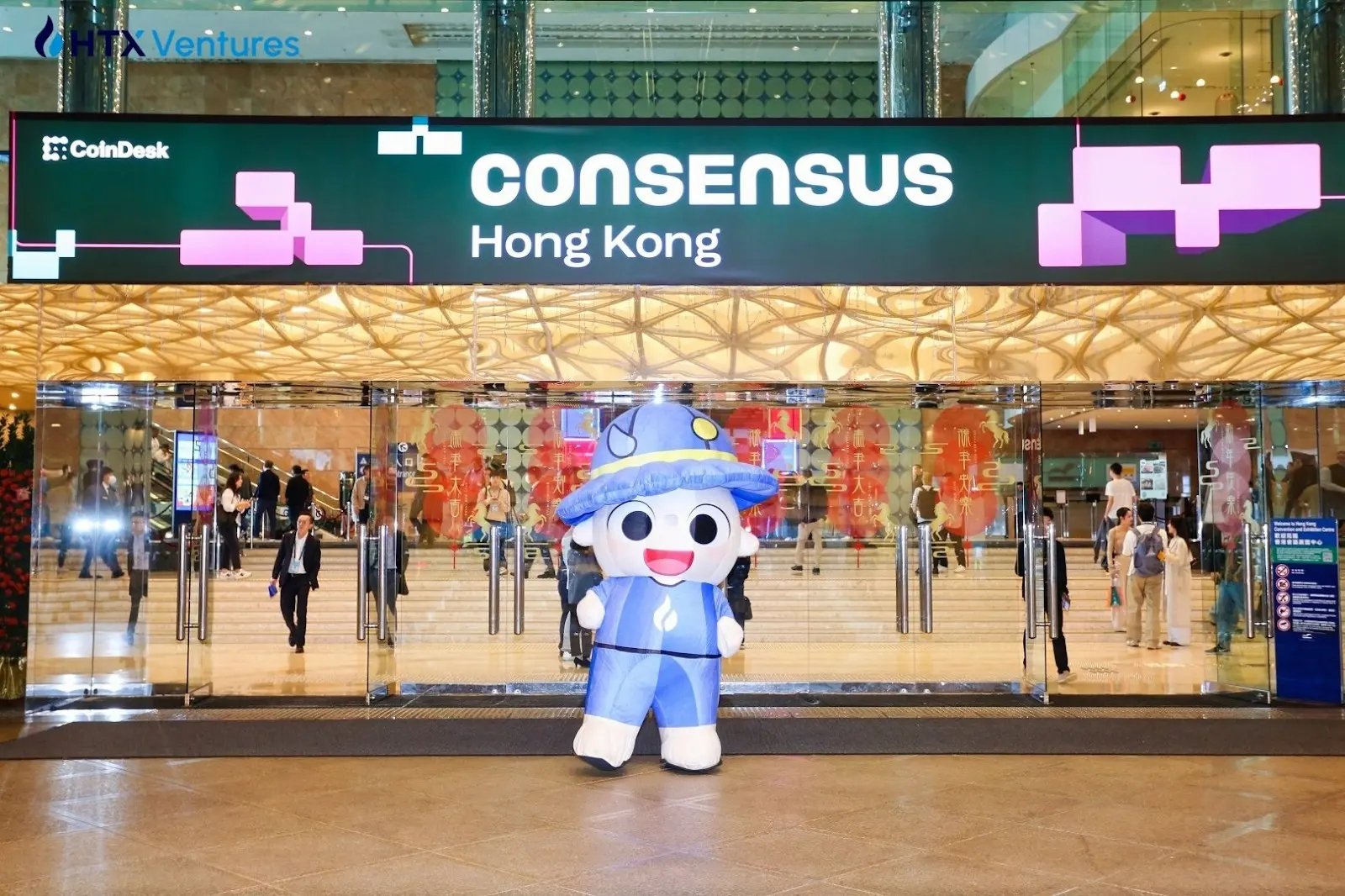
HK Web3 Feastival Roundtable: Balancing Regulation and Innovation to Co-build a Sustainable Digital Financial Ecosystem in Asia
ChainCatcher reported live that Li Guoquan, Dean of the Global Fintech Academy, Hong Kong Legislative Council member (Technology and Innovation Sector) Kenneth Lau, Chief Public Mission Officer of Hong Kong Cyberport, Chan Sze Yuen, and Executive Director of the Japan Virtual Currency Exchange Association (JVCEA) & Japan Crypto Asset Business Association, Koji Takeda, attended the HK Web3 Feastival roundtable discussion, focusing on "Balancing Regulation and Innovation to Co-build a Sustainable Asian Digital Financial Ecosystem."Kenneth Lau stated that the legislative process has been significantly advanced, and he hopes to see innovation-driven developments next, exploring how to leave space for new products and business models while improving the regulatory framework. He cited the startup exemption mechanism in U.S. legislation as an example, emphasizing the importance of a nurturing environment for innovation. He also pointed out that the Hong Kong stock market currently does not allow for a market maker system, and the liquidity provision rules in virtual asset trading will be addressed in legislative discussions within the year. Regarding prediction markets, he personally believes that Hong Kong currently does not have the conditions to open them.Chan Sze Yuen introduced that Cyberport launched a pilot subsidy program for blockchain and digital assets last year, with nine projects participating, more than half of which involve RWA tokenization, aiming to promote projects from proof of concept to commercialization. He stated that Cyberport has gathered over 300 Web3 companies from 19 countries and regions, emphasizing that trusted digital identity (KYC/AML compliance) is the foundation for scaling RWA and payment projects, while secondary market liquidity determines whether tokenized assets can become real market products.Koji Takeda revealed that the Financial Services Agency (FSA) of Japan submitted a new bill to the Diet on April 10, proposing to move the regulation of crypto assets from the Financial Services Act to the Financial Instruments and Exchange Act, which means the government officially recognizes the investment attributes of crypto assets, marking a significant shift. He also pointed out that Japan had previously seen over 200 companies relocate to places like Singapore due to strict regulations, but recently, through adjustments to corporate tax systems and discussions on personal crypto tax reforms, companies are gradually returning.Host Li Guoquan summarized that the various jurisdictions in Asia are not in competition but are part of the same ecosystem. Excessive compliance costs may push quality institutions into gray areas, and how to lower compliance thresholds in regulatory dialogues and promote responsible innovation is a common challenge facing the Asian digital financial ecosystem.