








Analysis of the Competitive Advantages of NFT Trading Platforms such as Blur, Element, and Gem

 Let's make a horizontal comparison of the NFT trading market.
Author: dily_xz
Seeing so many mindless praises for Blur is quite something, APT airdrop praises APT, Blur airdrop praises Blur.
Today I took a closer look at their products and wrote a summary to record my thoughts, while also making a horizontal comparison with other trading markets. Here’s the conclusion:
A product that satisfies very few users, and currently the gas fee control for cross-chain trading is poor, not recommended for use.
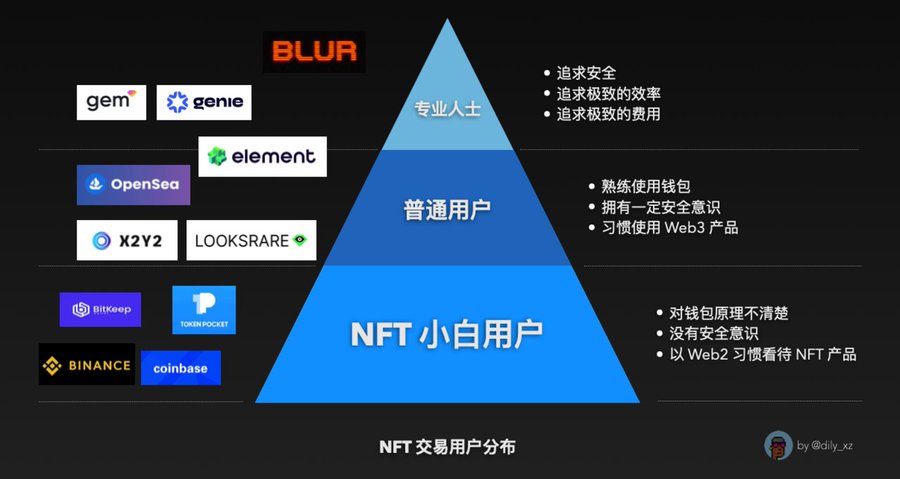
1) To clarify my thoughts, I drew a diagram for explanation and also organized my ideas. In simple terms, NFT trading users can be divided into three parts: NFT novices, ordinary users, and professionals.
2) [Novice Users] The largest group of users, they are not particularly clear about the principles of wallets, have low security awareness, and view NFT products through the lens of Web2. Therefore, there are many products aimed at these users, such as Binance's NFT marketplace and TP, which are not secure but convenient. However, currently, there is no platform that fully meets the needs of these users for simplicity, security, and convenience.
3) [Ordinary Users] The core strength of the market currently lies with the mid-tier users, or ordinary users. They can use wallets proficiently and are quite aware of various phishing methods, and they are familiar with various Web3 products. This market is also a fiercely competitive area, including leading platforms like Opensea, Element, X2Y2, Looks, etc.
4) [Professionals] Then there’s Blur, which is a platform needed by some professionals, pursuing purism, a professional trading platform, and focusing on trading costs. Previously, this field was dominated by Gem and Genie, but now Element also supports aggregated trading, meeting the demand for cross-market purchases, with cheaper gas fees. Now Blur is even more extreme than these, making it more specialized and segmented.
5) [Blur Issue 1] However, as you go up, the number of users decreases, meaning that Blur's target audience is very small, even smaller than Gem and Genie. This is the biggest problem; its ceiling is too low, and it even has a floor-level user base. Also, its UI, because it heavily uses pixel art style, is loved by those who like it, but those who don’t find it really hard to get used to. Most people know what pixel art is.
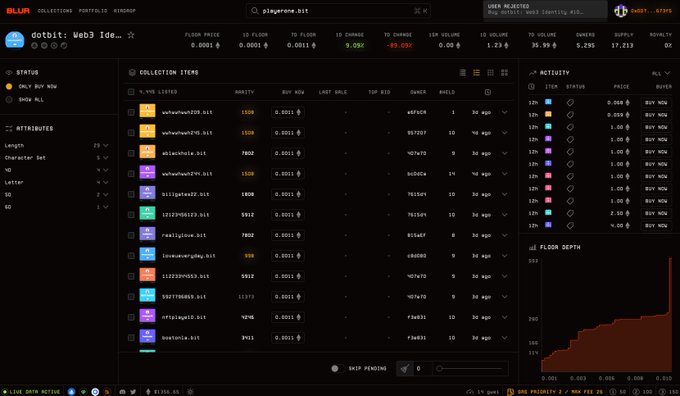 6) [Blur Issue 2] Another issue is its design philosophy, which doesn’t care much about the feelings of ordinary people. Although I have bought many NFTs, I consider myself an ordinary trader. I couldn’t find information about collections, including on Twitter, the official website, etc., let alone basic data analysis. This keeps too many people out.
7) [Blur Issue 3] I tested the gas fees for individual NFTs on Element, Opensea, and Blur. Element (native): 4.63, Element (aggregated): 5.14, Opensea (native): 5.07, Blur (aggregated): 10.5. Since most are aggregated from Opensea, Opensea is the cheapest, but Element's native is cheaper.
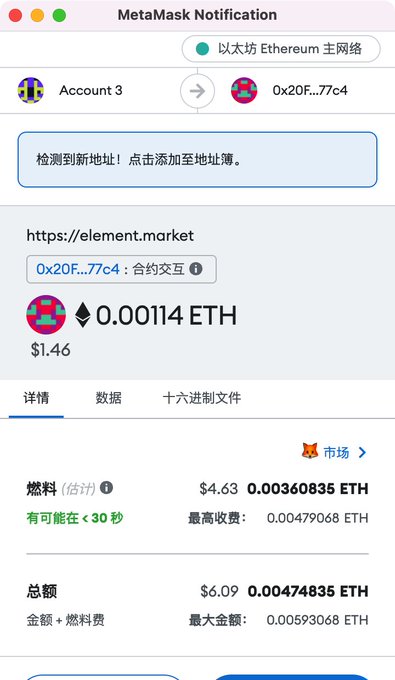
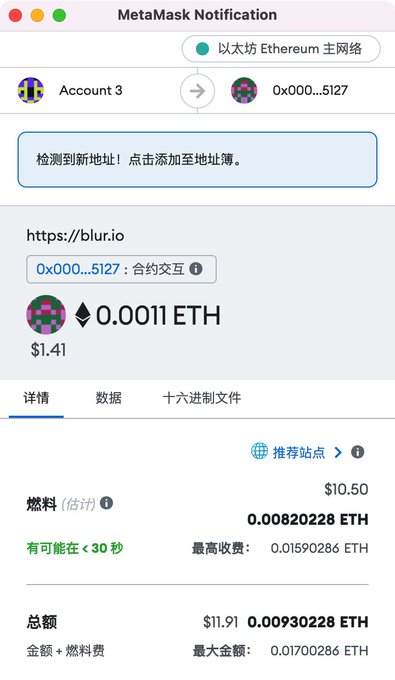
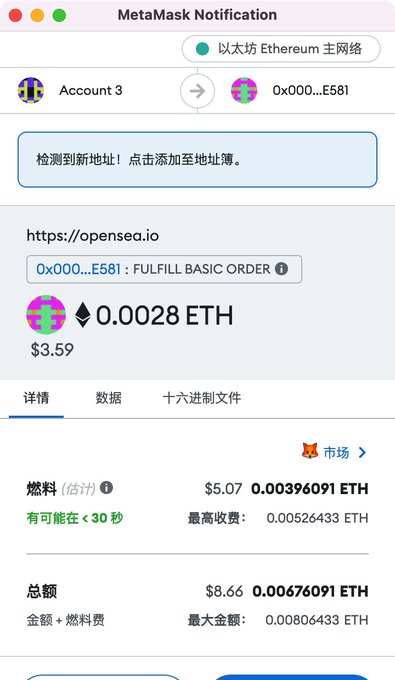

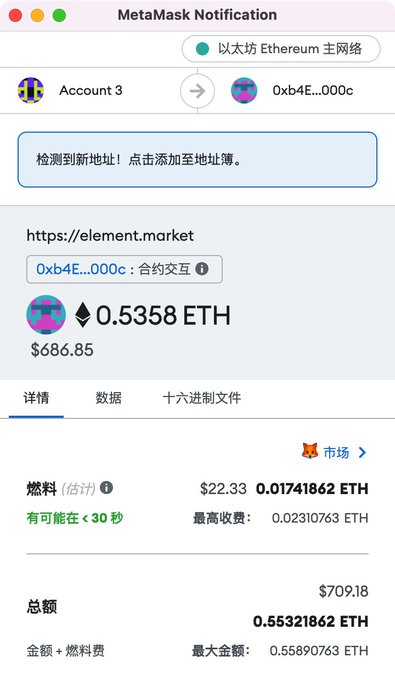
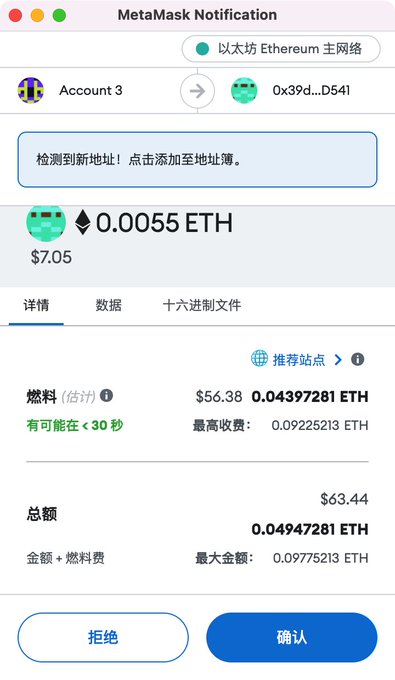
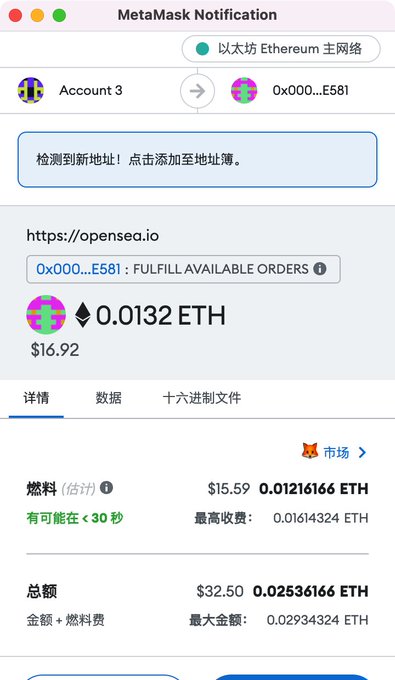
9) I tested the gas fees for 5 NFTs in bulk on Element, Opensea, and Blur. Element (native): 22.33, Element (aggregated): 17.77, Opensea (native): 15.59, Blur (aggregated): 56.38. Too expensive; although these are just estimated prices, I specifically bought NFTs for testing, and the results were indeed very expensive. Its aggregation contract logic is too complex.
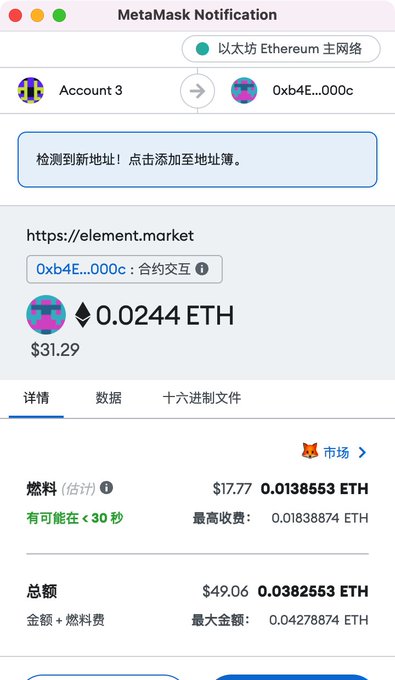
Currently, attention is on Opensea's pursuit of innovation, while Element and X2Y2 iterate products based on community users. The above is for your reference.
 Risk warning Risk warning


Popular articles





