








"What are the considerations behind BlackRock's 'covetous' Bitcoin spot ETF?"

 BlackRock does not hold Bitcoin directly; it simply manages clients' assets, providing them with a more cost-effective Bitcoin purchasing service.
Written by: huf, Co-founder of Pear Protocol
Compiled by: Frank, Foresight News
People do not really understand what Blackrock is or what they are doing.
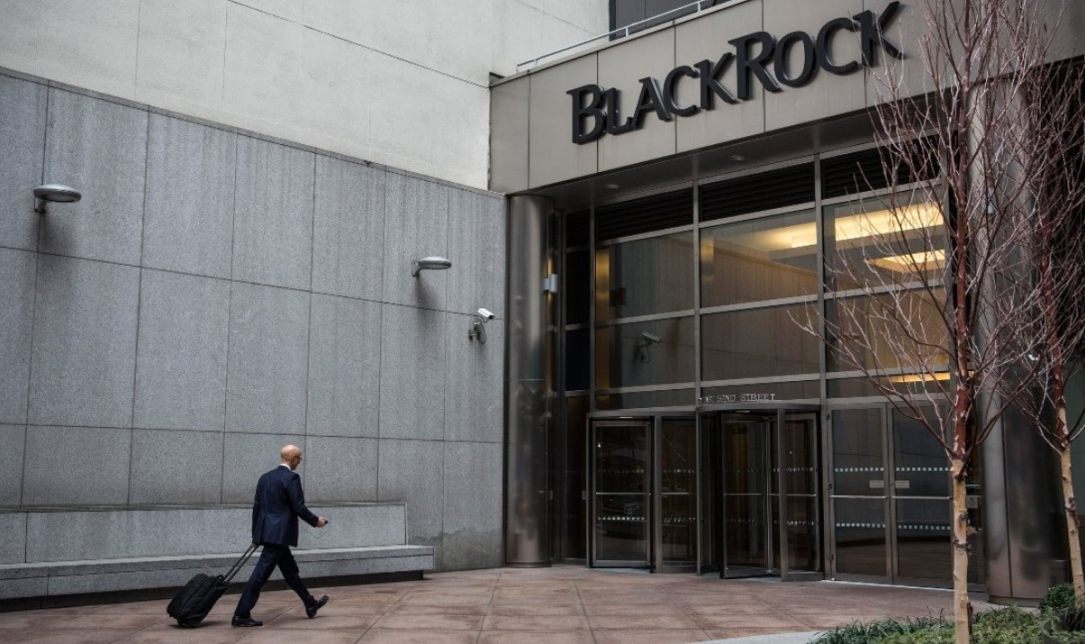
First, let’s briefly introduce Larry Fink, the founder and CEO of Blackrock, as this will become important later.

Larry Fink joined Wall Street in 1976; he is smart and made money. He was the first to propose the idea of debt securitization (packaging different loans into bonds). Then, he was responsible for managing the trading department of those mortgage-backed securities (MBS), yes, the very bonds that led to the global financial crisis in 2008.

Larry Fink subsequently made a mistake, losing over $90 million due to a wrong bet on interest rates, which made him realize: risk management is important, and client trust is important.
So the ambitious Larry Fink decided to start his own company, focusing on these two principles, that is, "Trust me, brother."
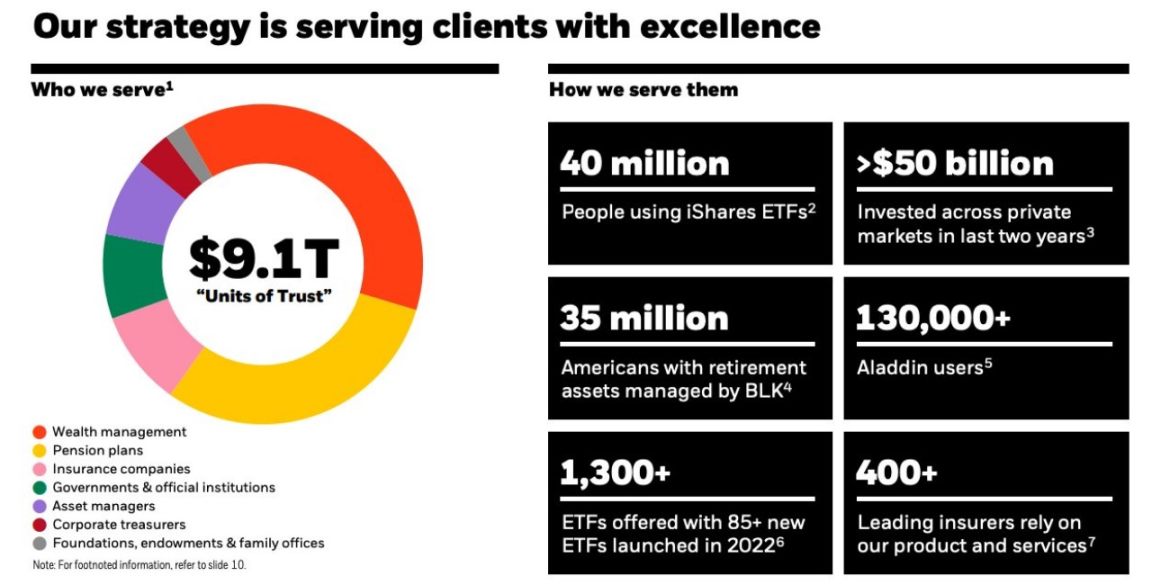
To start his venture, he approached colleagues at Blackstone Group and secured a $5 million line of credit. Thus, Blackstone Financial Management was born, which, after 20 years of numerous mergers and acquisitions, became Blackrock, now managing approximately $9 trillion in assets, making it the largest asset management company in the world.
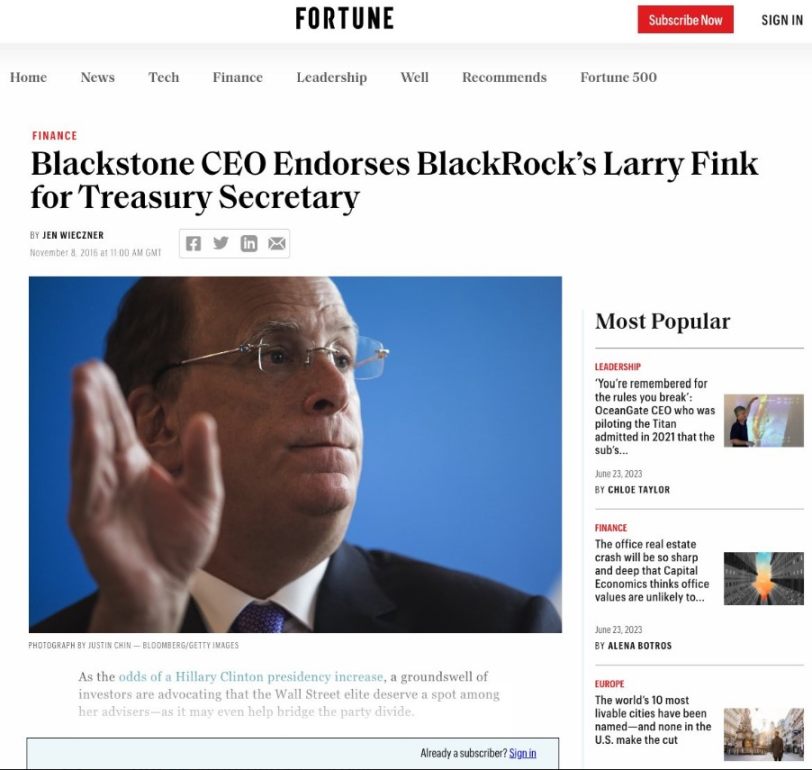
But for Larry Fink, simply building a great company was not enough; in 2016, he was widely regarded as the presumptive U.S. Treasury Secretary after Hillary Clinton was elected President of the United States.
He has deep political connections and background, and is an outspoken Democrat, often heard saying, "As I tell Washington…"
Now, let’s turn our attention back to Blackrock, the large asset management company, with some believing it will "own all your Bitcoin."
But in fact, Blackrock does not own anything; their clients are the true owners. Blackrock simply manages these assets and does not have custodial functions; it is not a bank.
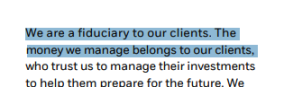
Don’t believe me? You can check the first page of their annual report: "We are a fiduciary to our clients. The money we manage belongs to our clients."
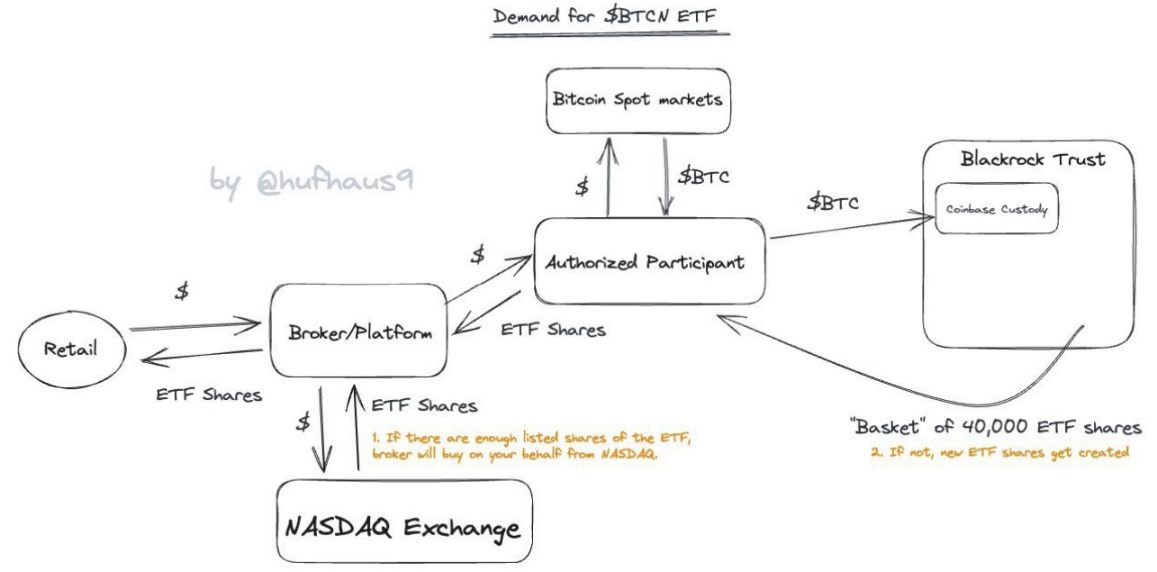
So how does Blackrock operate? It’s simple: suppose you want to invest in U.S. stocks; instead of buying all the stocks yourself and frequently rebalancing or paying taxes on each trade, you can buy a Blackrock ETF or a Blackrock actively managed fund and let them handle it for you.
You will receive a receipt confirming your ownership of that ETF or actively managed fund (calculated by percentage held), and then the ETF or fund will track the value and performance of those underlying assets. Blackrock cannot do much with these assets; they can only use a custodian bank to hold them (only engaging in repurchase under ISDA/CSA).
Similarly, Blackrock has no control over the spot Bitcoin in Coinbase's custody accounts because the Bitcoin does not belong to them; they are merely providing you with a more cost-effective purchasing service.
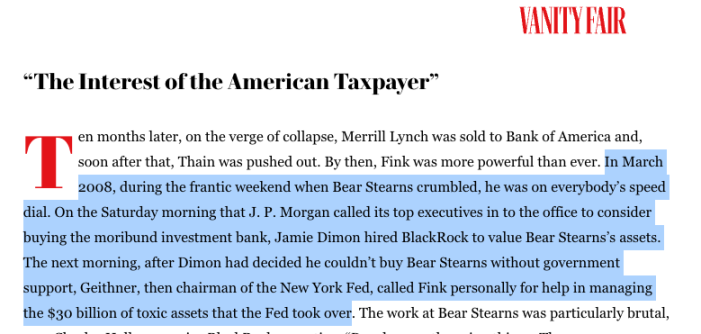
However, what’s really interesting is Blackrock's relationship with the U.S. government and the Federal Reserve. Do you know who managed the toxic assets that the Fed took over from Bear Stearns in 2008?
That's right, it was Blackrock.
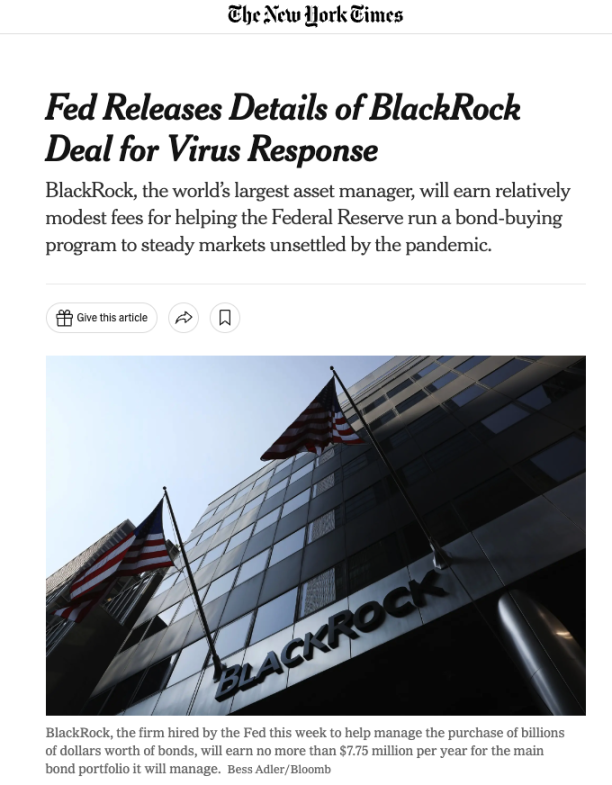
Moreover, in 2020, when Powell and the Fed wanted to start buying some corporate bonds to help support the economy, guess who they turned to?
That's right, Blackrock.
Here’s the interesting part: guess who the FDIC chose to handle the cleanup of Signature Bank and Silicon Valley Bank’s portfolios earlier this year?
That's right, Blackrock.
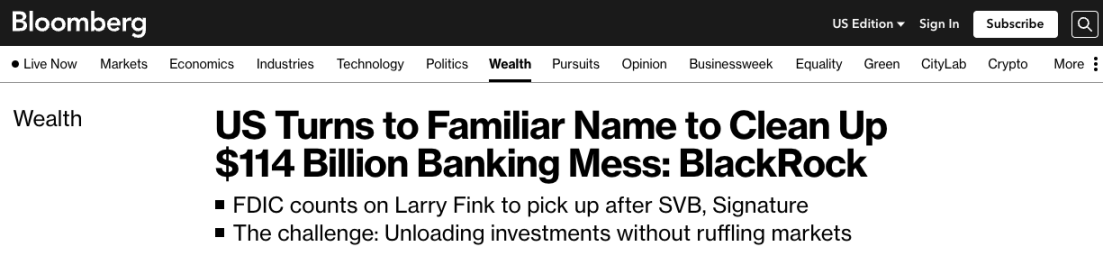
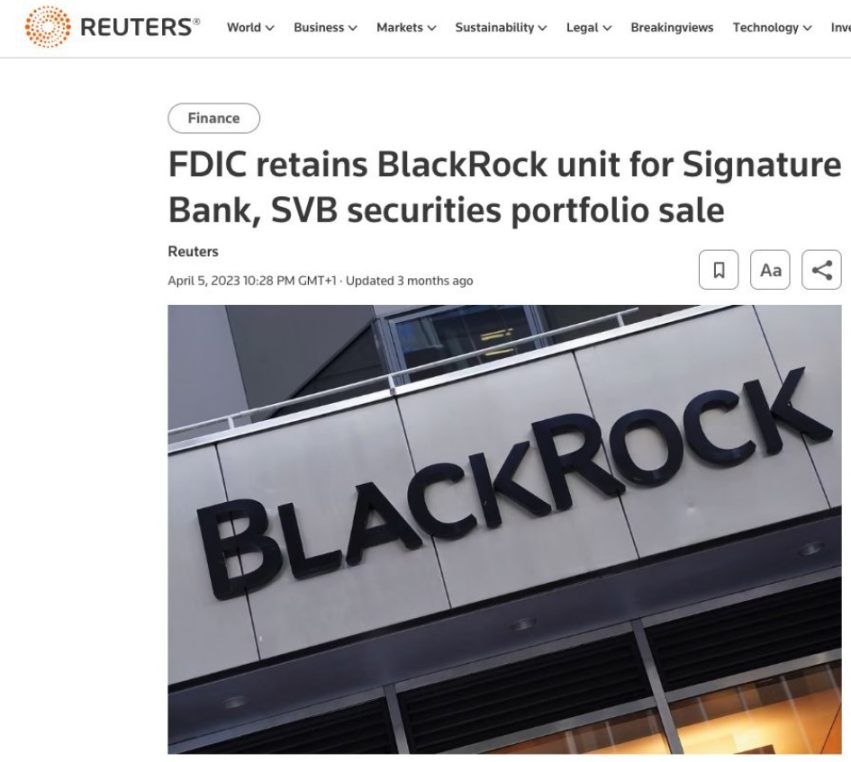
As Bloomberg senior ETF analyst Eric Balchunas pointed out, Blackrock's application for a Bitcoin spot ETF is indeed a big deal. So what is Blackrock's overall view on digital assets?
We can find the answer on page 19 of their annual report.
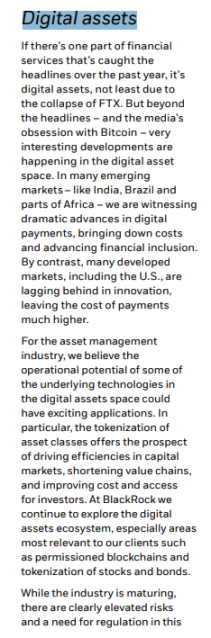
Blackrock has identified some things they are interested in, particularly the tokenization of real-world assets (RWA), including stocks and bonds.
Keep in mind that Larry Fink is someone who made a big bet on debt securitization and profited handsomely. This means he fully understands the power of financial innovation (especially asset packaging) and the potential it brings for new products, capital efficiency, cost advantages, and more.
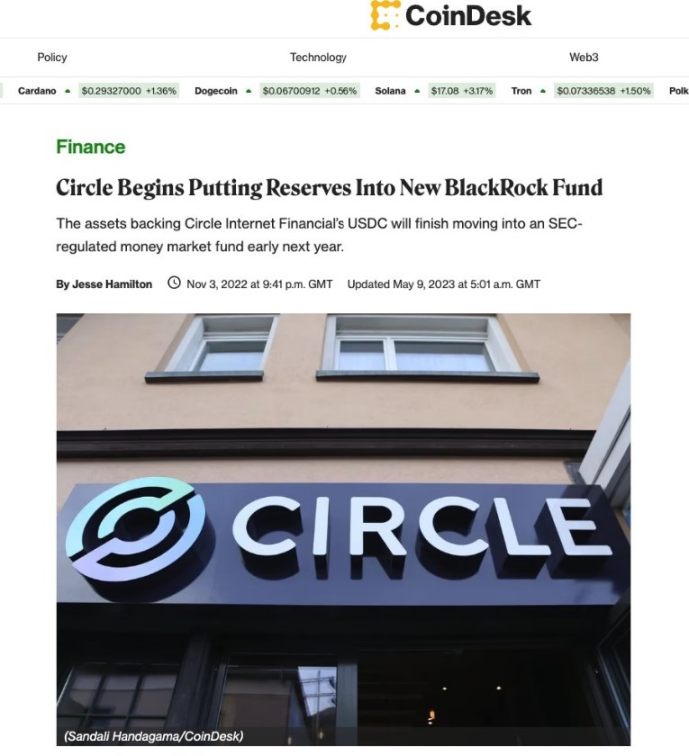
But this is not the only focus of Blackrock in the crypto space; they also put their money where their mouth is, investing $400 million in Circle, the issuer of the stablecoin USDC, alongside Fidelity and several other companies.
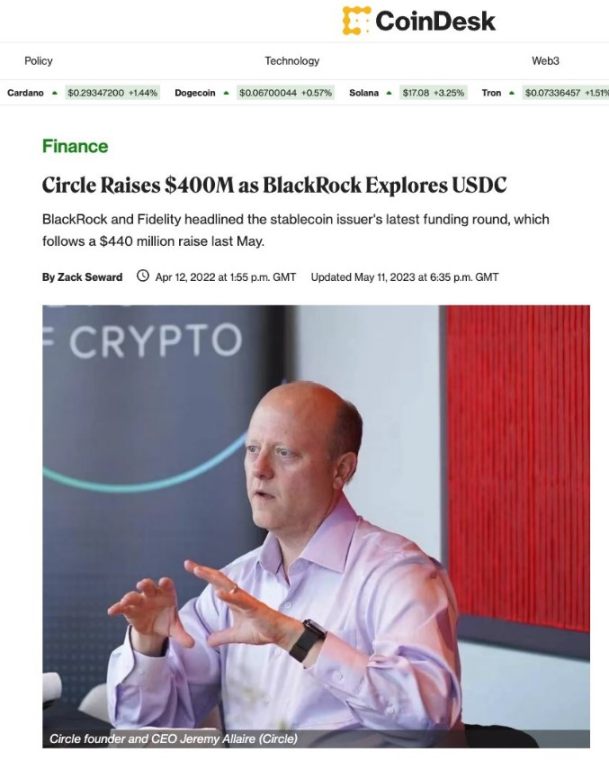
Circle co-founder and CEO Jeremy Allaire also appreciates him because Circle leverages Blackrock to help manage part of their reserve assets (albeit at a high cost).
What’s super interesting to me is that Blackrock chose to use Coinbase as the custodian for the spot Bitcoin ETF—meaning it chose a company that is under the watchful eye of the SEC.
It could have opted for BNY Mellon, the oldest and most trusted bank in America, as a safe choice, considering that the following news was big news at the time.
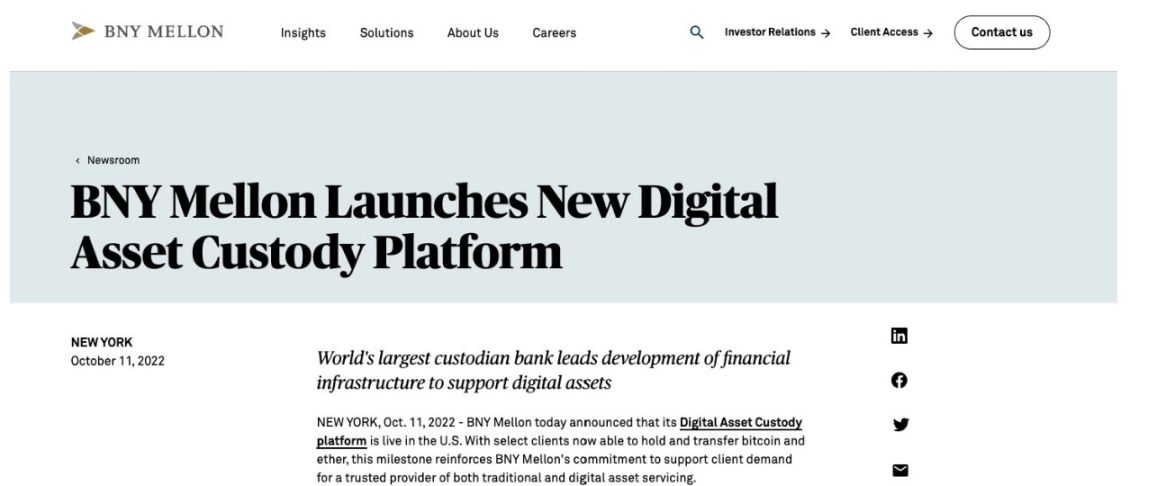
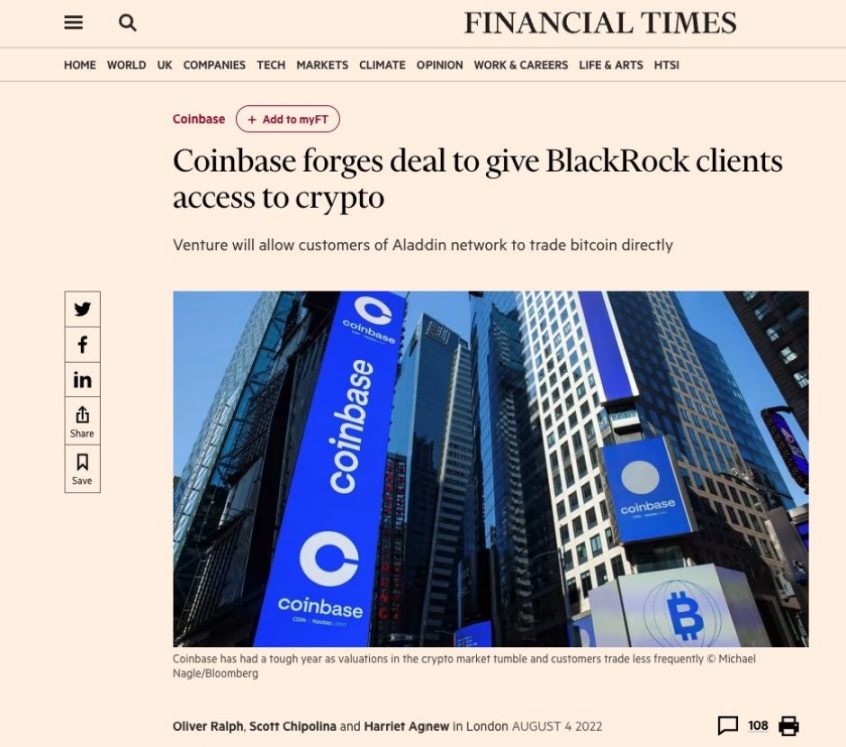
But then again, is this really a surprise? After all, Blackrock has already been involved in some of Coinbase's business, such as the partnership between Coinbase and Aladdin (Foresight News notes that Aladdin is an integrated platform that meets Blackrock's own and its institutional clients' operational and investment management needs).
You can quote me on this: Aladdin to Blackrock is like AWS to Amazon.
So what does this mean for us? Well, the SEC can still reject the ETF for two reasons:
- Spot Bitcoin can be manipulated;
- Currently, there is no "sufficient scale" of spot exchanges under the regulatory sharing agreement with Nasdaq;
Clearly, there are some parts that could change; Blackrock does not want spot Bitcoin to be dominated by Binance and Changpeng Zhao, or to have a powerful holder of U.S. Treasuries and Bitcoin like Tether.
The weak link in the entire trading chain of USDT is precisely the exchanges that use it for trading.
That’s why there is a systemic global attack trying to shut down Binance, and why the U.S. strongly favors a KYC-based USDC stablecoin system—Blackrock is certainly more frustrated with Tether than it is making money.
So after careful consideration, a Bitcoin spot ETF is a compromise—Blackrock aims to be the beneficiary of the traffic and fees generated in Bitcoin exchanges.
While the first application may be rejected and ETF approvals may be continually delayed, one thing is certain: Blackrock is already salivating.
 Risk warning
 Risk warning


Popular articles





