








The Pledge Boom on Wall Street
 The network effect has begun to emerge. As more institutions participate in staking, the network becomes more secure. As the network becomes more secure, it attracts more users and developers. With the increase in adoption, transaction fees will also rise, thereby enhancing staking rewards. This is a virtuous cycle that benefits all participants.
Author: Thejaswini M A
Compiled by: Block unicorn
Preface
In 1688, captains would gather at Edward Lloyd's coffee house in London, seeking those willing to insure their voyages. Wealthy merchants would sign their names under the details of the ships, becoming "underwriters," using their personal wealth to back these high-risk journeys.
The better the reputation of the underwriters, the safer it was for everyone. The safer the system, the more business it attracted. It was simple: provide capital, reduce risk for everyone, and then take a share of the profits.
Reading the new guidelines from the U.S. Securities and Exchange Commission (SEC), it is clear that cryptocurrency is merely a digitized version of the mechanism invented by coffee house underwriters—people earn returns by putting assets at risk, thereby making the entire system safer and more trustworthy.
Staking. Yes, it's back on the agenda.
On May 29, 2025, everything changed. On this day, the U.S. government made it clear that staking would not land you in legal trouble. First, let’s review why this is so important now.
In staking, you can lock up your tokens to help secure the network and earn stable rewards.
Validators use their staked tokens to verify transactions, propose new blocks, and maintain the smooth operation of the blockchain. In return, the network pays them with newly minted tokens and transaction fees.
Without stakers, proof-of-stake networks like Ethereum would collapse.
Of course, you can stake your tokens, but no one knows if the SEC will one day come knocking, claiming you are conducting an unregistered securities offering. This regulatory uncertainty has left many institutions on the sidelines, enviously watching retail stakers earn annualized returns of 3-8%.
The Great Staking Boom
On July 3, the Rex-Osprey Solana + Staking ETF launched, becoming the first fund in the U.S. to offer direct cryptocurrency investment while earning staking rewards. It holds SOL through a Cayman subsidiary and uses at least half of its holdings for staking.
"The first staking crypto ETF in the U.S.," announced Rex Shares.
And they are not alone.
Robinhood has just launched cryptocurrency staking services for U.S. customers, initially supporting Ethereum and Solana. Kraken has added Bitcoin staking through the Babylon protocol, allowing users to earn BTC rewards while maintaining the native chain.
VeChain has launched a $15 million StarGate staking program. Even Bit Digital has abandoned its entire Bitcoin mining business to focus on Ethereum staking.
What has changed now?
Two Regulatory Dominoes
First, the staking guidance issued by the SEC in May 2025.
It stated that if you stake your own cryptocurrency to help run the blockchain, that is perfectly fine and not considered a high-risk investment or security.
This covers individual staking, delegating your tokens to others, or staking through a trusted exchange, as long as your staking directly helps the network. This will exempt most staking activities from the "investment contract" definition under the Howey test. This means you no longer need to worry about accidentally violating complex investment laws just by staking and earning rewards.
The only danger signal here is if someone promises guaranteed profits, especially when mixing staking with lending, or issuing fancy terms like DeFi bundled products, guaranteed returns, or yield farming.
Secondly, there is the CLARITY Act.
This is a piece of legislation introduced in Congress aimed at clarifying which government agency is responsible for different digital assets. It is specifically designed to protect those who only run nodes, stake, or use self-custody wallets from being treated like Wall Street brokers.
It introduces the concept of "investment contract assets," a new category of digital commodities, and establishes standards to determine when digital assets are considered securities (regulated by the SEC) or commodities (regulated by the CFTC). The act sets procedures for determining when blockchain projects or tokens are "mature" and can shift from SEC to CFTC regulation, and it sets time limits for SEC reviews to prevent indefinite delays.
So, what does this mean for you?
Thanks to the SEC's guidance, you can now stake your cryptocurrency in the U.S. with greater confidence. If the CLARITY Act passes, everyone looking to stake or participate in cryptocurrency will have a more convenient and safer experience.
Staking rewards are still taxed as ordinary income when you gain "dominion and control," and if you later sell the rewards for a profit, you will owe capital gains tax. All staking income, regardless of the amount, must be reported to the IRS.
Who is in the Spotlight? Ethereum
No, still around $2,500.
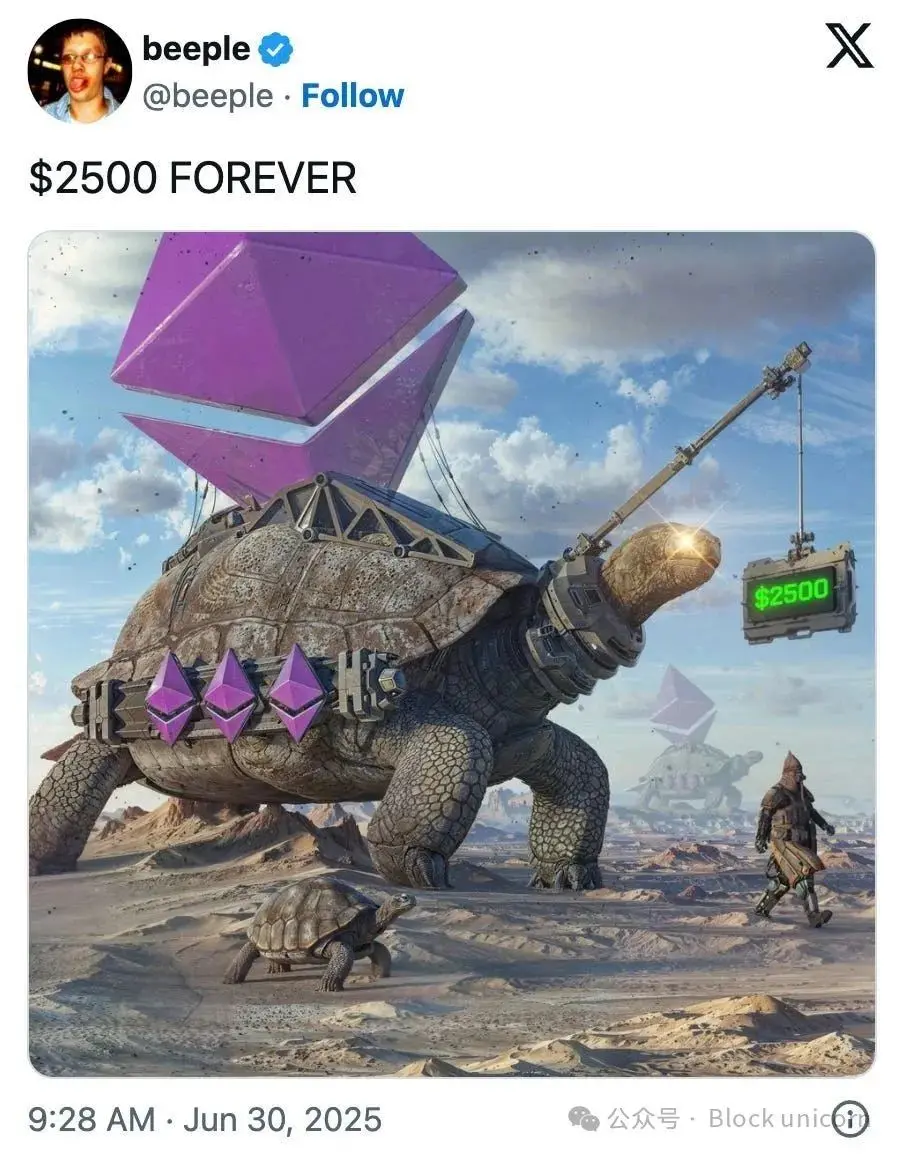
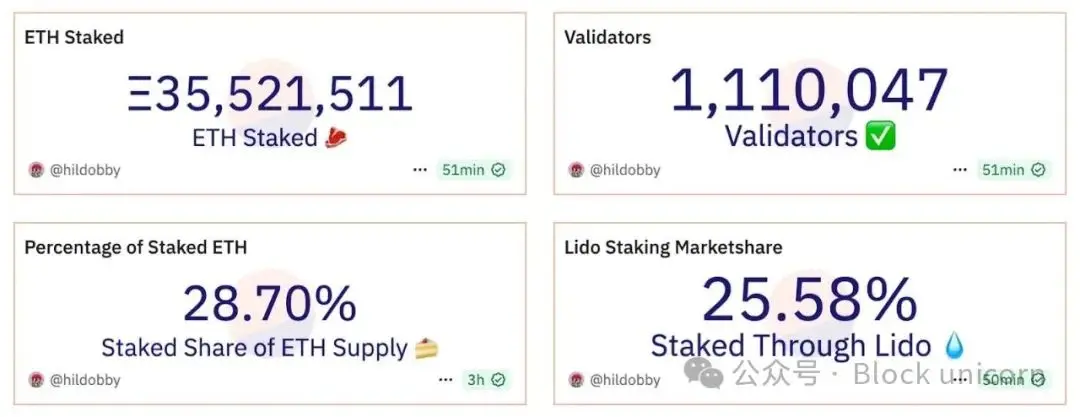
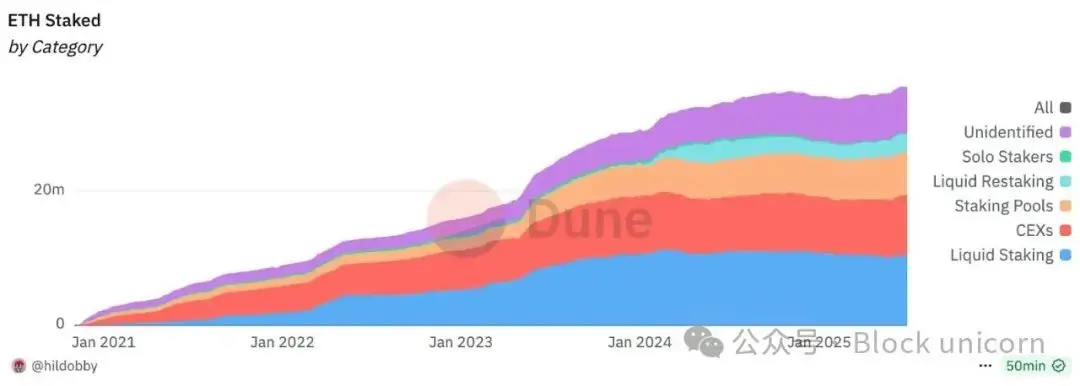
Price performance is mediocre, but Ethereum's staking metrics reflect change. The amount of staked ETH has just reached an all-time high, exceeding 35 million tokens, nearly 30% of the total circulating supply. Although this infrastructure has been in place for months, it has suddenly become particularly important.
What’s Happening in Corporate Boardrooms?
BitMine Immersion Technologies has just raised $250 million to purchase and stake Ethereum (ETH), with the company chaired by Tom Lee of Fundstrat. Their strategy is to bet that staking rewards combined with potential price increases will outperform traditional bond assets.
SharpLink Gaming has further deepened this strategy, expanding its ETH reserves to 198,167 tokens and staking its entire holdings. In just one week in June, they earned 102 ETH in staking rewards. Just locking up tokens can yield "free capital."
Meanwhile, Ethereum ETF issuers are lining up for staking approval. Bloomberg analysts predict a 95% chance of regulatory approval for staking ETFs in the coming months. BlackRock's head of digital assets called staking a "huge advancement" for Ethereum ETFs, and he may be right.
If approved, these staking ETFs could reverse the outflow of funds that has plagued Ethereum funds since their launch. Why settle for price exposure when you can have both price exposure and yield?
Cryptocurrency Speaks the Language of Wall Street
For years, traditional finance has struggled to understand the value proposition of cryptocurrency. Digital gold? Perhaps. Programmable money? Sounds complicated. Decentralized applications? What’s wrong with centralized applications?
But yields? Wall Street understands yields. Admittedly, bond yields have rebounded from near-zero lows in 2020, with one-year U.S. Treasury yields rising to around 4%. But a regulated cryptocurrency fund that can generate 3-5% annualized staking rewards while also providing potential upside in the underlying asset is incredibly enticing.
Legitimacy is crucial. When pension funds can buy Ethereum exposure through regulated ETFs and earn rewards by securing the network, that is a big deal.
Network effects are beginning to show. As more institutions participate in staking, the network becomes more secure. As the network becomes more secure, it attracts more users and developers. With increased adoption, transaction fees will rise, enhancing staking rewards. This is a virtuous cycle that benefits all participants.
You don’t need to understand blockchain technology or believe in decentralization to appreciate an asset that earns returns simply by holding it. You don’t need to believe in Austrian economics or distrust central banks to appreciate an asset that acts as productive capital. You just need to understand that the network needs security, and participants providing that security deserve to be rewarded.
Recommended Reading:
OpenAI "Fact-Checks" Robinhood: Unveiling the Four Major Controversies Behind Stock Tokenization
 Risk warning
 Risk warning



Popular articles





