








Romantic Turkey, stablecoins under the pillow

 Currently, it seems that Turkey's focus on cryptocurrency is still to hedge against the risk of fiat currency depreciation.
Author: Bright, Foresight News
On July 5, according to Financefeeds, the Turkish Capital Markets Board (CMB) has taken legal action to ban 46 cryptocurrency-related websites, including the decentralized exchange PancakeSwap. The reason given by the CMB is very simple: these platforms provide "unauthorized crypto asset services" to Turkish residents.
As the fourth largest cryptocurrency market in the world, with an annual trading volume close to $200 billion, Turkey, which has legalized cryptocurrency trading, has once again tightened the reins on the crypto market.
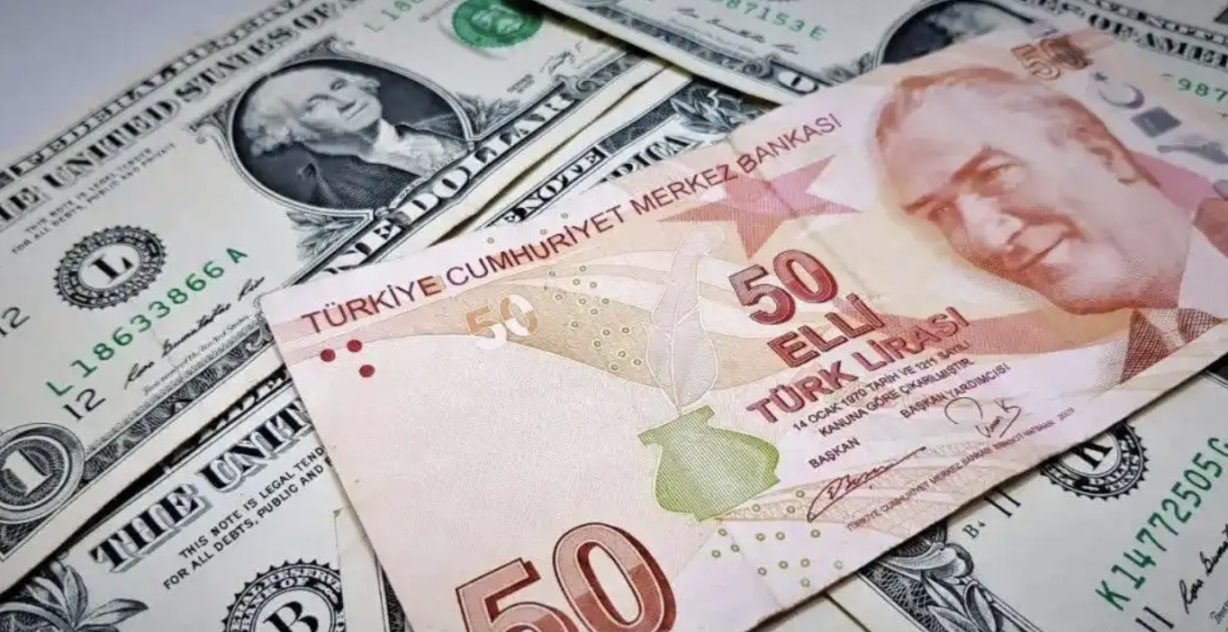
Starting from March 2025, the CMB began comprehensive regulation of crypto asset service providers operating in Turkey and established a new licensing and compliance framework. Meanwhile, the anti-money laundering regulations for cryptocurrencies issued by the Turkish government in December 2024 officially took effect in February, requiring users to submit complete identity information to service providers when executing cryptocurrency transactions exceeding 15,000 Turkish lira (approximately $425). Additionally, wallet addresses not registered on the platform are also subject to strict regulation, making it difficult to use crypto-native functions.
A Stone's Throw in High Inflation
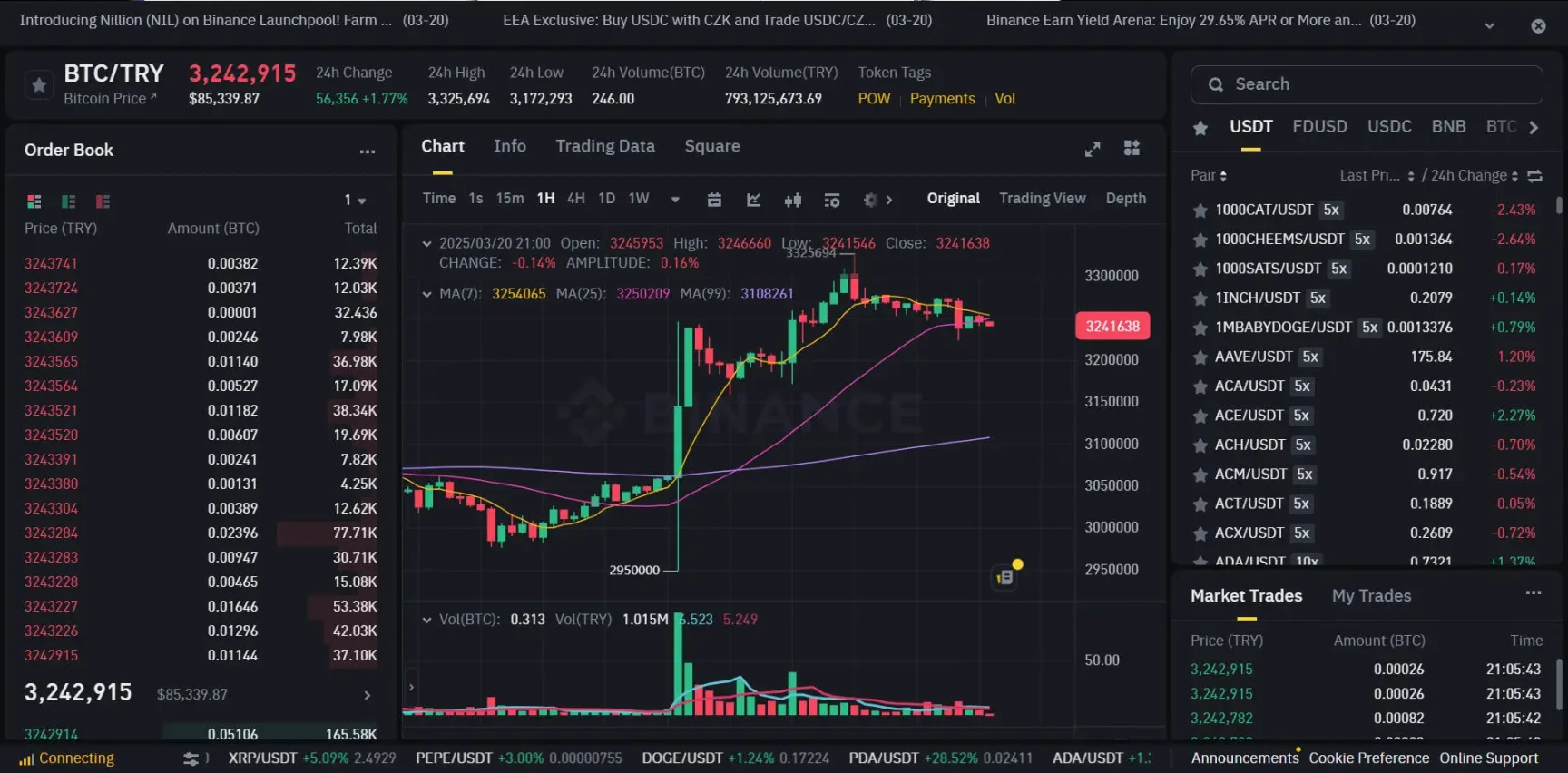
On March 19, 2025, Ekrem Imamoglu, the mayor of Istanbul and a competitor of President Erdogan, was arrested, triggering panic among local investors. The Turkish lira (TRY) plummeted by 10% around 4 PM, reaching a new historical low of 41:1 (TRY:USD). About an hour later, a flight to safety into cryptocurrencies occurred in the market, with a significant surge in BTC/TRY trading volume on Binance.
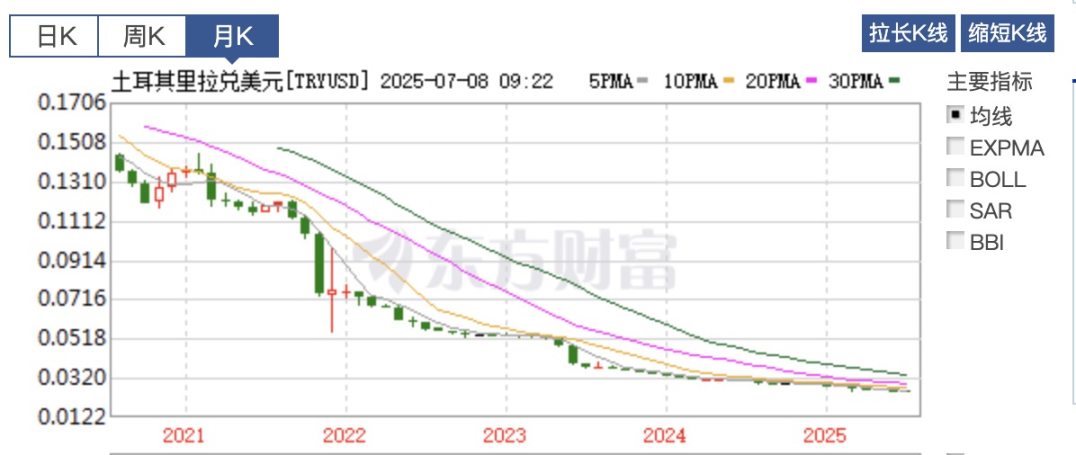
In fact, under Turkey's "Erdoganomics"—low interest rates to stimulate investment and currency depreciation to promote exports—the Turkish lira has depreciated by over 80% in five years; extreme inflation and the withdrawal of international capital have frequently battered the Turkish economy. In this regard, The Economist commented: "He (Erdogan) is trying to treat cancer with stimulants."
In response, the Turkish public has long had a coping strategy, namely "gold under the mattress." In the third quarter of 2024, the Turkish Central Bank estimated that Turkish households owned physical gold worth over $311 billion, compared to only $86.5 billion in gold reserves held by the Central Bank. From January to April 2025, Turkey's current account deficit was $20.3 billion, up from $14.5 billion a year earlier, with $6.27 billion attributable to gold trade. This gold disappears into private households after flowing into Turkey and is no longer circulated.
Since 2022, apart from gold, Turkish investors have rapidly turned to cryptocurrencies in search of a more stable and convenient store of value. Although Bitcoin fell into a bear market in 2022 due to factors such as the Federal Reserve's interest rate hikes and the collapse of FTX, with an annual decline of 64%, Turkish investors, discovering a new frontier, remained very active in the crypto market. DOGE became one of the most popular trading assets in Turkey, with its trading volume exceeding the combined total of BTC and ETH, reaching $380 million between October and November 2022. Despite early warnings from the Erdogan government for the public to stay away from cryptocurrencies, local residents have already viewed cryptocurrencies as a tool against inflation.
Subsequently, Turkish authorities also joined the wave of promoting the widespread use of cryptocurrencies to break free from dependence on external economies and SWIFT, seeking autonomy and stability in the financial system.
Embracing EU Compliance but Already Outdated
The background for Turkey's proposal to legalize cryptocurrencies is complex and varied. On one hand, the rapid growth of the cryptocurrency market and global regulatory trends have forced Turkey to confront the legitimacy and regulatory issues of this emerging financial tool. On the other hand, Turkey aims to enhance financial inclusion through cryptocurrencies, especially in areas lacking banking services, where financial tools like cryptocurrency debit cards can help users bypass traditional banking systems and access convenient financial services.
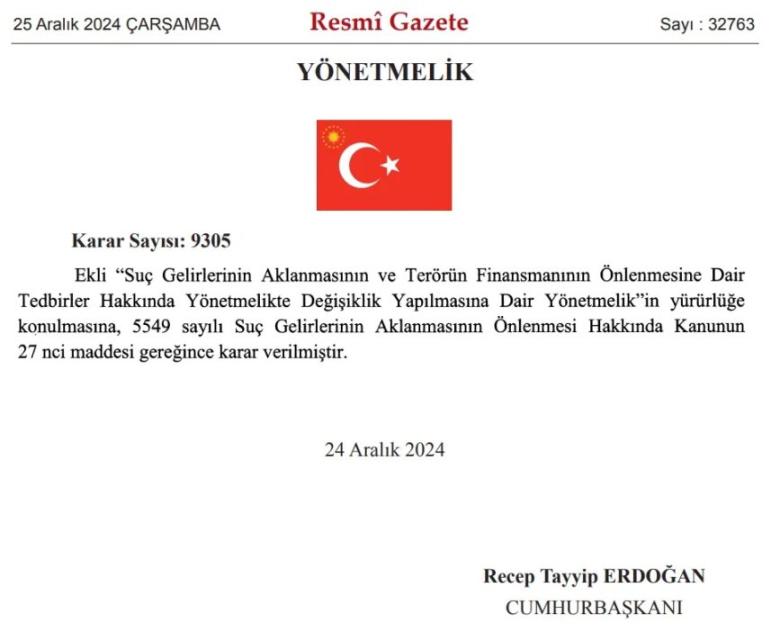
On December 25, 2024, the Turkish government issued a notice clarifying the main provisions of the new anti-money laundering regulations, focusing on transaction thresholds, risk transaction handling, and restrictions on unregistered wallets, aiming to enhance the transparency and security of cryptocurrency transactions.
The introduction of this regulation coincided with the European "Markets in Crypto-Assets Regulation" (MiCA) coming into effect on December 30, 2024, which is regarded as the world's first comprehensive regulatory framework covering crypto assets. It provides detailed regulations on the issuance of crypto assets, licensing of service providers, operation, reserve and redemption management, and anti-money laundering (AML) supervision. Additionally, MiCA integrates the travel rules of the "Funds Transfer Regulation" (TFR), requiring crypto asset service providers (CASPs) to include sender and receiver information in each transfer to enhance traceability.
Turkey's regulatory framework has been entirely copied. However, as the United States gradually becomes a high ground for crypto compliance and continues to "loosen" regulations for the crypto industry, Turkey's compliance process has clearly fallen behind the historical pace.
At least in the application of stablecoins, Turkey has yet to show any signs of "loosening." Since 2021, the Turkish government has recognized the trading attributes of cryptocurrencies, but the use of cryptocurrencies as a payment tool has remained prohibited. This means that while investors can trade freely, they cannot directly apply cryptocurrencies to daily consumption scenarios, leaving the trillion-dollar payment market for stablecoins still on hold.
However, although the new regulations impose restrictions on certain trading activities, the Turkish government remains open regarding crypto tax policies. The Turkish government does not tax profits from crypto assets but only levies a 0.03% transaction tax, which is quite friendly to traders.
In summary, like countries such as Argentina, where fiat currencies are rapidly depreciating, Turkey's focus on cryptocurrencies remains on hedging against fiat currency depreciation risks. The demand for cryptocurrencies among Turkish residents is primarily to exchange the visibly depreciating lira for on-chain stablecoins pegged to the dollar. After all, the foreign exchange reserves of the Turkish Central Bank have already turned negative. Compared to the high fees and low security of traditional black markets, on-chain stablecoins with high liquidity have become the preferred means of value storage. Compared to Turkey's traditional "gold under the mattress" reserves, "stablecoins under the pillow" have also begun to gain popularity. The extensive layout of Tron in payments, exchanges, and other areas in Turkey is enough to illustrate the broad market demand in Turkey.
However, regarding the application of stablecoins for cross-border payments and stock tokenization, Turkey has yet to become an innovative hub.
 Risk warning
 Risk warning




Popular articles





