After the SEC Chairman's launch of the "crypto project" initiative, Americans will also be able to receive airdrops

 Building the United States into a global crypto capital may not just be a slogan.
Author: TPan
Compiled by: Felix, PANews
The Chairman of the U.S. Securities and Exchange Commission (SEC) today launched the "Project Crypto" initiative aimed at supporting cryptocurrency innovation in the United States. Although there had been signs previously (for example: the reduction of lawsuits and investigations against numerous institutions such as ETP physical redemption, Binance, Coinbase, Crypto.com, Immutable, Yuga, Kraken, Gemini, Consensys, OpenSea, Uniswap), this move not only reverses the damage caused in recent years but also lays a solid foundation for the next phase of development in the U.S. cryptocurrency sector.
To be honest, when I read Chairman Paul Atkins' speech, I personally had not yet psychologically recovered from the SEC's crackdown on the crypto industry over the past few years.
The following image shares key points from Amal at Dragonfly, and the text below will elaborate on some of these points and their potential impacts.
Overview of the SEC's "Project Crypto":
- Most crypto assets are not securities.
- The SEC will establish rules to clearly define when crypto assets constitute securities.
- The SEC will cease penalizing early centralized or traditionally structured token issuers.
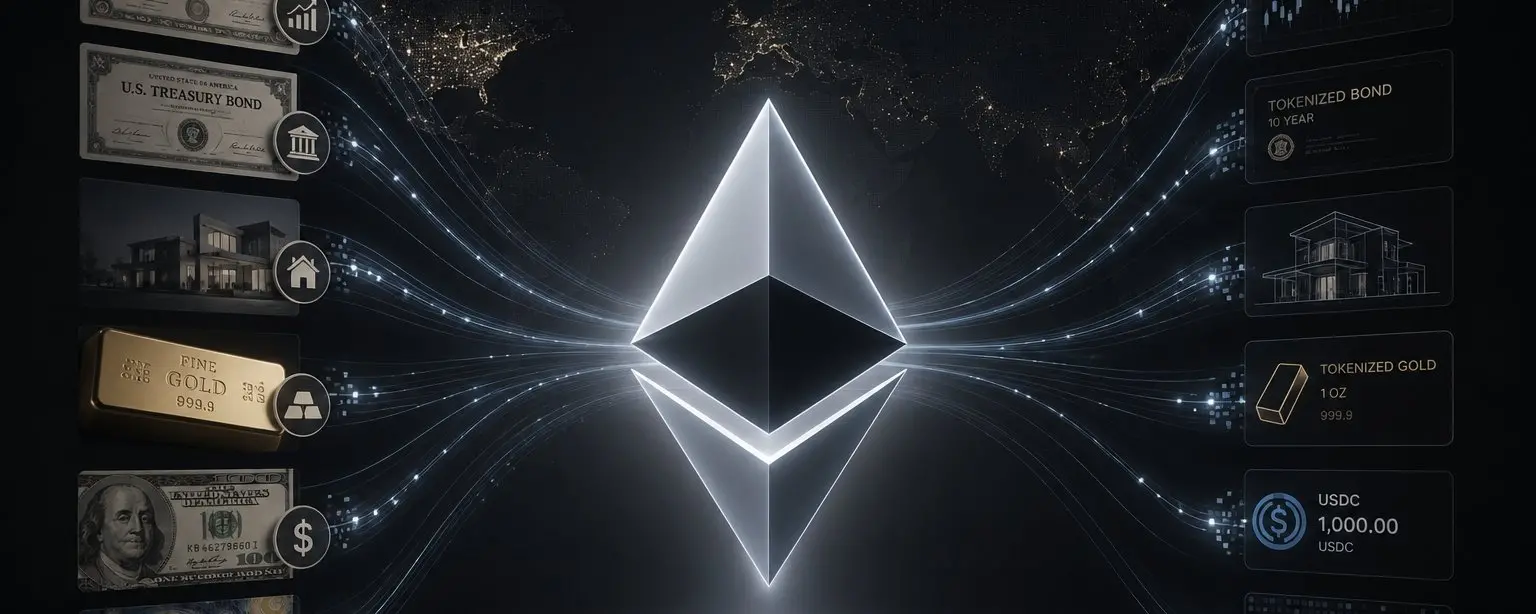
- A regulatory framework will be introduced to support tokenized securities such as stock and bond tokens within the U.S.
- Due to regulatory uncertainty, Americans will no longer be excluded from airdrops, ICOs, or network rewards.
- The SEC will protect the self-custody rights of crypto assets and update the custodial rules for registered companies.
- DeFi protocols and automated market makers (AMMs) will be allowed to operate without mandatory intermediaries.
- The SEC plans to launch a super application that integrates crypto trading, staking, lending, and securities on one platform.
- A new "innovation exemption" will allow crypto projects to enter the market without fully complying with traditional regulations.
- The SEC will, where appropriate, treat cryptocurrency developers as code publishers rather than intermediaries.
- The goal is to bring back cryptocurrency companies that fled due to the previous government's stringent regulations.

Classification of Crypto Assets
"I have instructed the Commission staff to develop clear guidelines so that market participants can determine whether a crypto asset is a security or constitutes an investment contract. Our goal is to help market participants classify crypto assets, such as digital collectibles, digital goods, or stablecoins, and assess the economic substance of transactions. This approach allows market participants to determine whether the issuer has ongoing commitments or obligations based on clear guidelines, thereby assessing whether the asset constitutes an investment contract."
This statement is noteworthy for the following reasons:
- The SEC recognizes the richness of the crypto ecosystem and supports the creation of various types of assets. When the average person hears the term "cryptocurrency," they think of Bitcoin or their favorite memecoin. However, the range of crypto assets goes far beyond these, and not every asset should be treated the same.
- Specifically, regarding NFTs ("digital collectibles"), the SEC filed a lawsuit against Stoner Cats in September 2023, accusing it of issuing NFTs without registration.
The SEC acknowledges that its past enforcement actions are now outdated and will establish reasonable guidelines (rather than relying on enforcement regulation) to provide builders and creators the space to excel.
Imagine if your Labubu collectibles had to be registered with the SEC; what a sight that would be!
Rules and guidelines cannot be one-size-fits-all and must recognize the nuances of each asset type.
Including Americans in Token Rewards
"I have asked the staff to propose specific disclosure, exemption provisions, and safe harbor systems, including those for so-called 'initial coin offerings,' 'airdrops,' and network rewards. For such transactions, our goal should be to ensure that issuers no longer exclude U.S. users from their allocations due to legal complexities and litigation risks, but instead choose to include Americans to enjoy legal certainty and a more lenient regulatory environment."
If you are in the U.S. (and a few other jurisdictions) and actively participate in different projects, platforms, and protocols, you may have encountered pages like this when trying to claim an airdrop:

Do these projects have something against Americans? No, they are just concerned that providing rewards to users in certain countries/regions could trigger legal or regulatory risks. The goal of crypto projects is to eliminate these restrictions, thus no longer "protecting" U.S. users.
The obvious beneficiaries of this regulation will be U.S. users, followed closely by the projects themselves and the builders.
Less legal risk and emotional burden, and most importantly, less friction. Users will no longer need to struggle with VPNs or other means to claim airdrops. Meanwhile, teams will be able to better understand the effectiveness of the activities they have been preparing for months and focus on more important matters.
Innovation Exemption
"Under my vision for the innovation exemption, innovators and visionaries will be able to enter the market immediately with new technologies and business models without having to comply with incompatible or cumbersome regulatory requirements that hinder economic activity. Instead, they will only need to adhere to certain principle-based conditions to achieve the core policy goals of federal securities law. These conditions may include commitments to regularly report to the Commission, adopting whitelist or 'verification pool' features, and allowing only securities tokens that meet compliance functionality standards (such as ERC3643) to circulate."
This part is interesting because it mentions ERC-3643, an open-source token standard for RWA tokenization. The SEC recognizes that the industry has been working to build a framework that can complement their forthcoming guidelines.

Unlike the past wait-and-see attitude, builders can continue to push the boundaries of on-chain applications without having to think outside the box, but rather build upon existing frameworks and further expand these frameworks.
Why Is This Important?
Clearly, this is crucial for legal professionals in the industry, but it is equally important for all types of operators and roles to closely monitor these developments.
The line between strictly prohibited actions and fair competition remains blurred, but it is shifting in favor of creativity. Many mechanisms that were once seen as risky will no longer be viewed as such but rather as strategies or tactics that can be optimized and expanded. Great ideas that were previously vetoed by legal departments can now be revisited with greater confidence.
Cheers to the SEC's transformation. Looking forward to a new chapter in the U.S. and globally, witnessing these ideas being licensed and potentially realized.
Related Reading: "Full Text of SEC Chairman's Speech on 'Crypto Plan'"
 Risk warning
 Risk warning