Stablecoins—Innovation, Infrastructure, and the Global Regulatory Landscape

 This article will explore the evolution of stablecoin types and the regulatory dynamics in different regions around the world.
Author: Jsquare Research Team
Stablecoins are transforming from tools for crypto speculation into a brand new category of digital financial infrastructure. As of August 2025, the total market capitalization of stablecoins has surpassed $271.4 billion, but more important than the scale is the differentiation in their composition, yield mechanisms, and application scenarios.
We believe the market is undergoing a decisive shift: from purely liquidity-seeking dollar tokens to composable, yield-bearing settlement assets that directly connect with real-world cash flows and enterprise systems. This article will delve into the evolution of stablecoin types and the regulatory dynamics across different regions of the world.
Stablecoin Market Size
Stablecoins have broken free from the confines of the crypto sandbox. The growth in supply is primarily driven by emerging institutional tokens such as USDT, USDC, and PayPal USD (PYUSD). Today, the annual settlement volume of stablecoins on-chain has exceeded that of Visa and Mastercard combined—reaching $27.6 trillion in 2024 alone. Initially designed as convenient tokens pegged to the dollar, they have now evolved into a mature, yield-bearing full-chain cash layer. Regulators, payment networks, and financial executives are increasingly treating stablecoins with the same standards as bank currencies. Circle successfully completed its IPO in June 2025, raising $624 million and achieving a valuation of $6.9 billion, highlighting market confidence in regulated stablecoin issuers.
As of August 2025, the total supply of circulating stablecoins is $269.5 billion. USDT dominates with $154.4 billion (57.3%), followed by USDC with $65.8 billion (24.4%). Other significant stablecoins include USDe ($10.5 billion), DAI ($4.1 billion), and USDS ($4.8 billion), while emerging or smaller stablecoins like FDUSD, PYUSD, and USDX each hold less than 1% market share. This concentration reflects the dominance of traditional issuers and indicates that emerging stablecoins face pressure to differentiate through compliance and financial infrastructure strategies.

Stablecoins are Evolving into Yield Engines
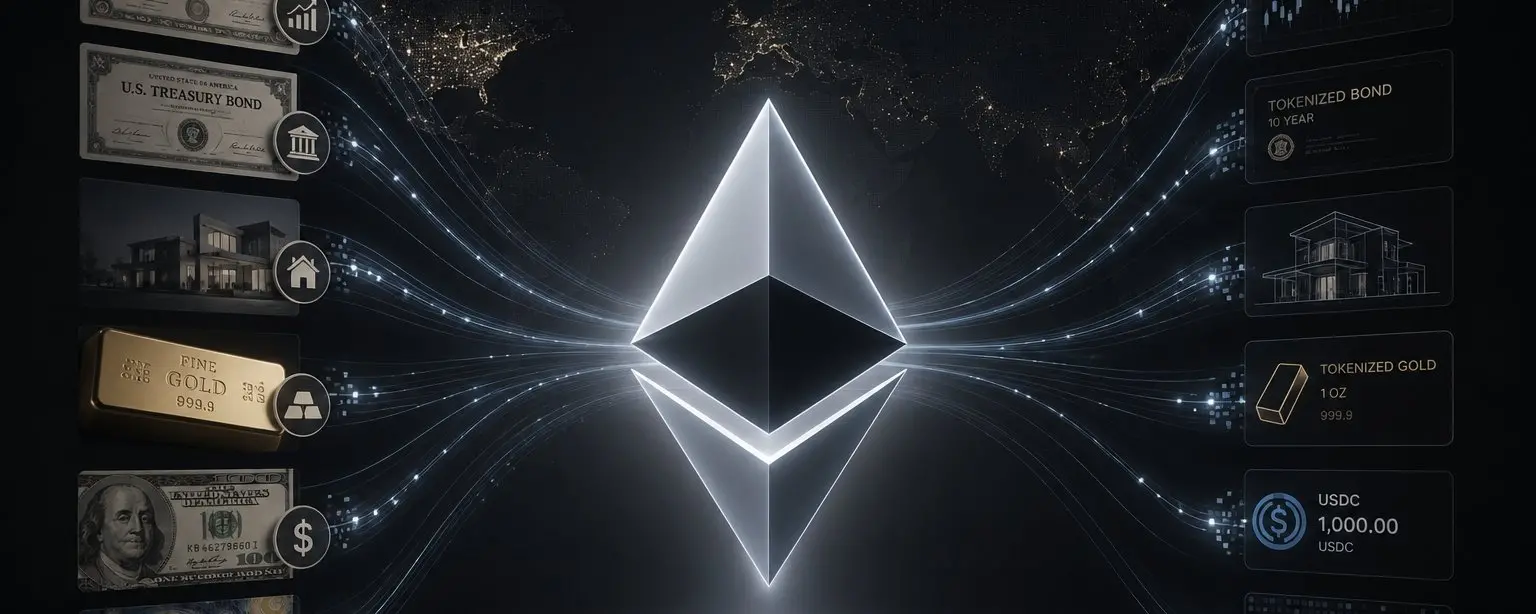
As monetary market rates surpassed 4% in 2024, issuers began tokenizing U.S. Treasury bonds and passing the coupon income to holders. Currently, the market value of tokenized Treasuries has exceeded $5.8 billion, and despite significant rate fluctuations, it maintains a quarterly growth rate of over 20%. A broader range of RWA (Real World Assets) tokens—including short-term credit, accounts receivable, and even real estate shares—has pushed the total market value of on-chain RWAs to $35 billion, with analysts expecting it to exceed $50 billion by year-end.
The difference in 2024 lies not only in scale growth but also in the direct linkage of on-chain yields to real-world assets (RWAs). A year ago, holding stablecoins was merely for capital preservation; now, annualized yields (APY) of 4-10% can be obtained through the following structures:
- sUSDe (Ethena): Generates yield through delta-neutral derivatives and basis trading, with a market cap of $3.49 billion.
- USDM (Mountain): Tokenized short-term Treasuries under Bermuda regulatory framework, with a market cap of $47.8 million.
- USDY (Ondo): Tokenized short-term government bonds, with a market cap of $636 million.
- Plume Yield Tokens: Cross-chain distribution of money market fund (MMF) yields, with a market cap of $235 million.
(Data source: CoinGecko, June 17, 2025)
We believe this area is worth close attention. Currently, over $5.8 billion of tokenized Treasuries are in circulation, and the scale of yield-bearing stablecoins is compounding at over 25% per quarter. These assets blur the lines between stablecoins, money market funds, and tokenized fixed-income products.
By the second quarter of 2026, yield-bearing stablecoins are expected to account for over 15% of the total supply of stablecoins (currently about 3.5%). They are no longer merely DeFi-native products but are becoming compliant-first, composable underlying assets deeply integrated into the RWA ecosystem.
Smart Money Trends: Three Major Trends Shaping the Next Generation of Stablecoin Leaders
- Enterprise-Level Integration
PYUSD is no marketing gimmick—this $952 million stablecoin is deeply integrated into the Venmo wallet, supporting merchant rewards. JPM Coin has achieved daily transaction settlements exceeding $1 billion in treasury systems. As stablecoins accelerate their integration into ERP systems, payroll, and digital banking architectures, we expect this sector to grow tenfold.
- Full-Chain Interoperability
Blockchain fragmentation has previously hindered industry development, but protocols like LayerZero, Axelar, and CCIP are solving this issue through full-chain functionality. Next-generation mainstream stablecoins will achieve "one mint, universally applicable" native full-chain characteristics.
- Regulatory Certification Building Moats
Qualifications such as "MAS certification" and "MiCA approval" have become key differentiators in the stablecoin market, particularly creating actual distribution advantages in B2B and corporate cash flows. Tokens from compliant issuers will gain trust premiums in secondary markets.
- Infrastructure Maturity Improvement
In the CeFi space, Stripe's $1.1 billion acquisition of Bridge Network signals traditional payment giants' commitment to establishing stablecoin channels. In the DeFi ecosystem, liquidity hubs like Curve, stablecoin exchange pools, and collateral lending platforms significantly enhance capital efficiency. As the ecosystem matures, stablecoins are becoming deeply embedded at all levels of the financial system, evolving into more trustworthy and feature-rich infrastructure.
The Regulatory Arbitrage Window is Closing
Until 2023, stablecoin issuance remained in a regulatory gray area. This window is now rapidly closing, with the latest regulatory landscape as follows:
United States (GENIUS Act) ------ On July 18, 2025, the "Corporate Guaranteed Notes and Regulatory Issuance Act" (GENIUS Act) officially took effect, marking a new era in U.S. dollar stablecoin regulation. This act, along with the 2025 "Digital Asset Market Clarity Act" (CLARITY Act), clearly defines compliant payment stablecoins as non-securities, aiming to provide regulatory certainty, enhance consumer protection, and maintain U.S. competitiveness in the global digital asset market. Key points of the act include:
- 100% Reserve Requirement: Stablecoins must be fully backed by cash and short-term U.S. Treasuries on a 1:1 basis. Reserve assets cannot include high-risk assets (prohibiting cryptocurrencies or credit assets) and cannot be re-collateralized except for specific liquidity needs.
- Transparency and Certification Mechanism: Issuers must publish audited reserve reports monthly; CEOs/CFOs must personally certify the accuracy of the reports.
- Bankruptcy Protection Clause: Stablecoin reserves must be independently custodied; holders' redemption rights take precedence over other creditors (similar to bank deposit protection mechanisms).
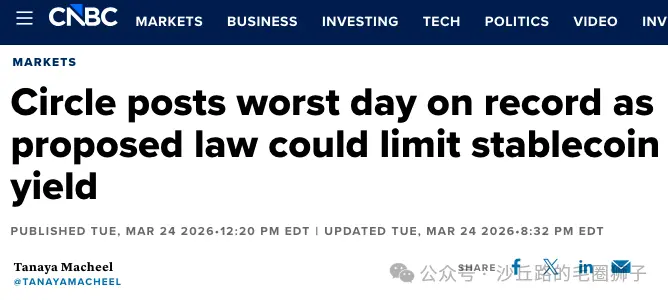
- Yield Prohibition: Prohibits algorithmic stablecoins (like UST) and certain fractional reserve models; only fully collateralized "payment stablecoins" are recognized; paying interest to holders is prohibited (to avoid being classified as securities).
The GENIUS Act, with its stringent reserve and transparency requirements, is expected to enhance consumer confidence and promote broader adoption of stablecoins. A clear regulatory framework will also attract more institutional participation, solidifying the U.S.'s global leadership in digital asset regulation.
European Union (MiCA Regulation) ------ The EU's "Markets in Crypto-Assets Regulation" (MiCA) implements the following provisions:
- Licensing and Regulatory Requirements: Only licensed electronic money institutions or credit institutions may issue fiat-pegged stablecoins (EMTs); the European Banking Authority (EBA) is responsible for regulating "significant" stablecoins; issuers of euro/dollar stablecoins must hold electronic money licenses or banking qualifications.
- Full Reserve Requirement: Reserves must be 1:1 pegged to circulation; over 60% of reserves must be held in EU banks (for major stablecoins); only low-risk assets (government bonds/bank deposits) are allowed.
- Usage Limits: When non-euro stablecoins exceed 1 million transactions or €200 million in a single day, issuers will be forced to stop expanding their usage scale.
- Algorithmic Stablecoin Ban: Completely prohibits algorithmic stablecoins without substantial reserves; only redeemable prudently-backed tokens are recognized.
As of July 2025, the EBA has received over 50 license applications from stablecoin issuers, including mainstream institutions like Circle (USDC issuer), which are adjusting their operations to comply with MiCA standards.
United Kingdom Regulatory Framework ------ The UK views stablecoins as regulated payment instruments, with core provisions including:
- Reserve Requirements: Only fiat-backed stablecoins are allowed; reserve assets must be high liquidity assets such as bank deposits/short-term Treasuries.
- Yield Prohibition: Prohibits paying interest to holders; reserve asset income belongs to the issuer (for operational costs).
- Licensing System: Issuers must obtain FCA authorization (new electronic money/payment institution licenses); must meet prudential standards for financial institutions: capital adequacy requirements; liquidity management mechanisms; T+1 rigid redemption commitments.
- Innovation Orientation: Encourages banks and licensed institutions to issue payment stablecoins; focuses on developing applications for cross-border remittances/micropayments.
Singapore (MAS Regulatory Framework) ------ The Monetary Authority of Singapore (MAS) has introduced a tiered regulatory scheme:
- Flexible Licensing System: Stablecoin issuers with volumes below SGD 5 million may opt for a standard Digital Payment Token License; those exceeding this threshold must apply for a Major Payment Institution License and comply with stablecoin-specific rules.
- Quality Asset 1:1 Pegging: Reserve assets are limited to cash, cash equivalents, or AAA-rated short-term sovereign bonds; bonds maturing within three months of the pegged currency's issuing country are accepted as reserves.
- Redemption Guarantee Mechanism: Users enjoy a 1:1 rigid redemption right (to be completed within five working days); unreasonable redemption fees are prohibited.
The newly introduced stablecoin issuance service license in March 2025 allows companies to focus on stablecoin business, exempting them from compliance burdens related to digital payment tokens. In Q2 2025, MAS clarified that stablecoin issuers must be banks or non-bank financial institutions registered in Singapore.
Hong Kong (Proposed Regulatory System) ------ The "Stablecoin Ordinance" in Hong Kong will take effect on August 1, 2025, with core content including:
- Full Reserve Requirement: The market value of reserve assets must be ≥ the face value of circulating stablecoins; only HKD cash, bank deposits, and Hong Kong/US government notes/bonds are permitted.
- HKMA Mandatory Licensing: All stablecoins issued/promoted in Hong Kong (including foreign currency-pegged ones) must be licensed; Ant Group has announced plans to apply for a license.
- Financial Institution-Level Standards: Reserve assets must be independently custodied by licensed custodians; regular operational audit reports must be submitted; a strict AML/CFT risk control system must be established.
Standard Chartered Bank, Animoca Brands, and Hong Kong Telecom (HKT) have formed a joint venture to issue HKD stablecoins for cross-border payments. This ordinance aims to connect with the digital yuan pilot, reinforcing Hong Kong's status as an international financial center.
United Arab Emirates (UAE) Regulatory Framework ------ The Central Bank of the UAE (CBUAE) established a stablecoin regulatory system with the "Payment Token Services Regulation" effective June 2025, classifying stablecoins as "payment tokens." The compliant stablecoin AE Coin, pegged to the dirham, serves as a representative case, emphasizing reserve protection and transparency. Core provisions include:
- Local Stablecoin Issuance: Only licensed institutions registered in the UAE may issue dirham-pegged stablecoins; they must maintain full reserves and undergo regular audits.
- Foreign Stablecoin Restrictions: Only allowed for use in virtual asset transactions; prohibited for local payments to maintain dirham sovereignty.
- Anti-Money Laundering Compliance: Issuers and custodians must implement strict KYC; establish transaction monitoring systems to meet AML/CFT requirements.
- Digital Dirham (CBDC) Plan: Central bank digital currency may reshape the payment ecosystem; a state-led digital payment system is prioritized.
This framework enhances confidence in local stablecoins like AE Coin through strict reserve requirements, but restrictions on foreign stablecoins may hinder the overall development of the crypto market.
Japan Stablecoin Policy ------ The 2025 amendment to Japan's "Payment Services Act" (PSA) establishes a globally leading stablecoin regulatory system, officially recognizing stablecoins as payment instruments starting May 2025. Key innovations include:
- Flexible Reserve Requirements: The reserve asset ratio for trust-type stablecoins is relaxed to 50%; low-risk assets such as short-term U.S. and Japanese government bonds are allowed.
- New Intermediary License: Establishes a category for "electronic payment tools/crypto asset service intermediaries"; exempts asset-custody intermediaries from capital requirements.
- Bankruptcy Protection Mechanism: Learns from the 2022 FTX Japan incident; requires exchanges to retain assets within Japan.
- Enhanced Transparency: Mandates issuers to complete registration with the Financial Services Agency; on-chain transaction data must meet AML/CFT scrutiny.
This policy is expected to promote the adoption of trust-type stablecoins, while the new intermediary model can reduce transaction costs, significantly enhancing user fund security through domestic asset retention requirements.
South Korea Stablecoin Policy
In 2025, South Korea is actively advancing stablecoin policy, focusing on legalizing and incorporating Korean won-pegged stablecoins into the regulatory framework to enhance economic autonomy and compete in the global digital finance market. Under President Lee Jae-myung's leadership, the ruling Democratic Party is pushing for the "Basic Digital Asset Law" and related bills to establish a legal framework for private enterprises to issue stablecoins, aiming to reduce reliance on dollar stablecoins like USDT and USDC. Key policy points include:
- Legalization of Won Stablecoins: Legislation to lift the ban on won-pegged stablecoins; allows private enterprises to issue them under strict regulation; aims to promote domestic digital transactions and reduce capital outflow.
- Capital Requirements: Issuers must maintain a minimum capital of 500 million to 1 billion won (approximately $360,000 to $720,000); to prevent undercapitalized operators from disrupting the market.
- Reserve and Transparency: 100% reserve requirement (1:1 pegging); regular public disclosure of reserve audit reports; aligns with the U.S. GENIUS Act and EU MiCA standards.
- Regulatory System: Dual regulation by the Financial Services Commission (FSC) and the Bank of Korea (BOK); strengthens coordination mechanisms for foreign exchange risk management.
- Support for Digital Asset Ecosystem: Accompanying legislation includes provisions for security token offerings (STOs) and crypto ETFs; aims to position South Korea as a digital finance hub in Asia.
This policy is expected to complete legislation by the end of 2025, potentially making South Korea the first country in Asia to establish a complete stablecoin regulatory system.
GENIUS Act------U.S. Stablecoin Standards
The GENIUS Act holds special significance as it may become a global regulatory standard. Key impacts include:
- Institutional Credibility
- Grants stablecoins the status of settlement assets through Federal Reserve oversight.
- Allows them to achieve credit ratings similar to bank deposits or Treasury bills (T-bills).
- Enterprise-Level Programmable Currency
- Promotes applications in corporate financial scenarios:
- Treasury fund management
- Real-time foreign exchange conversion (FX conversion)
- ERP system integrated payments.
- High-Risk Stablecoin Suppression
- Distinguishes regulated tokens (like PayPal USD, Circle USDC).
- May force offshore/algorithmic stablecoins (like USDT, crvUSD) out of U.S. exchanges.
- Yield Distribution Uncertainty
- Does not clarify whether issuers are allowed to distribute Treasury reserve yields (T-bill yield) to holders.
- This will become a key factor influencing institutional adoption.
Stablecoins: Digital Eurodollars
Stablecoins are quietly re-enacting the transformation of Eurodollars in the 1970s—they are becoming an offshore, yield-bearing, dollar-denominated settlement system not controlled by sovereign monetary authorities. However, unlike Eurodollars, stablecoins possess programmability, composability, and global interoperability.
This combination of technological innovation and regulatory clarity makes stablecoins a form of "light sovereignty," dollar-like programmable cash infrastructure. With appropriate regulatory design, stablecoins could become the most scalable form of financial globalization since SWIFT.
Evolution of Application Scenarios
Stablecoins were initially optimized for crypto-native functions: market-neutral trading, collateral staking, and cross-exchange arbitrage. This phase is coming to an end. The new era will focus on real-world applications:
- Emerging Market Savings and Payments: In high-inflation economies, dollar stablecoins are becoming a digital alternative to bank deposits. Obtaining dollars through stablecoins is often more reliable than relying on local banking systems.
- Cross-Border Remittances: Workers in the Philippines, Nigeria, and Mexico have begun using stablecoins to bypass traditional high-fee, slow-settlement remittance channels.
- Tokenized Cash Equivalents: In developed markets, regulated stablecoins like USDC and sUSDe will resemble tokenized money market funds, offering 4-8% annualized yields while maintaining intraday liquidity and programmable interfaces for fintech platforms.
The Future of Stablecoins
Future stablecoins will not only be crypto assets but also programmable, yield-bearing cash equivalents that support API interactions and can operate across blockchains and jurisdictions. Their functionality will resemble tokenized money market funds, designed to minimize trust and enable instant transfers. As regulatory frameworks improve and corporate adoption accelerates, we believe stablecoins will evolve from digital wrappers of dollars into globally interoperable cash infrastructure, potentially challenging SWIFT's position as the global settlement layer for internet-native currencies.
About Jsquare
Jsquare is an investment firm driven by research and technology, focused on promoting large-scale applications of blockchain and empowering future Alpha opportunities in the Web3 space. Currently, we manage over $200 million in assets and operate a dedicated $50 million LP fund. We place a high value on post-investment services, leveraging resources from both Web2 and Web3 to empower our portfolio.
Click to learn about job openings at ChainCatcher
Recommended Reading:
 Risk warning
 Risk warning