








Wall Street vs Cryptocurrency, the lobbying battle in the financial sector is heating up in Washington

 The conflict between Wall Street and cryptocurrency is intensifying, and the power struggle is about to reach a fever pitch.
Authors: Jasper Goodman, Michael Stratford, Declan Harty
Compiled by: Deep Tide TechFlow
Powerful Wall Street groups are trying to block some Republican proposals aimed at promoting the growth of the cryptocurrency industry.
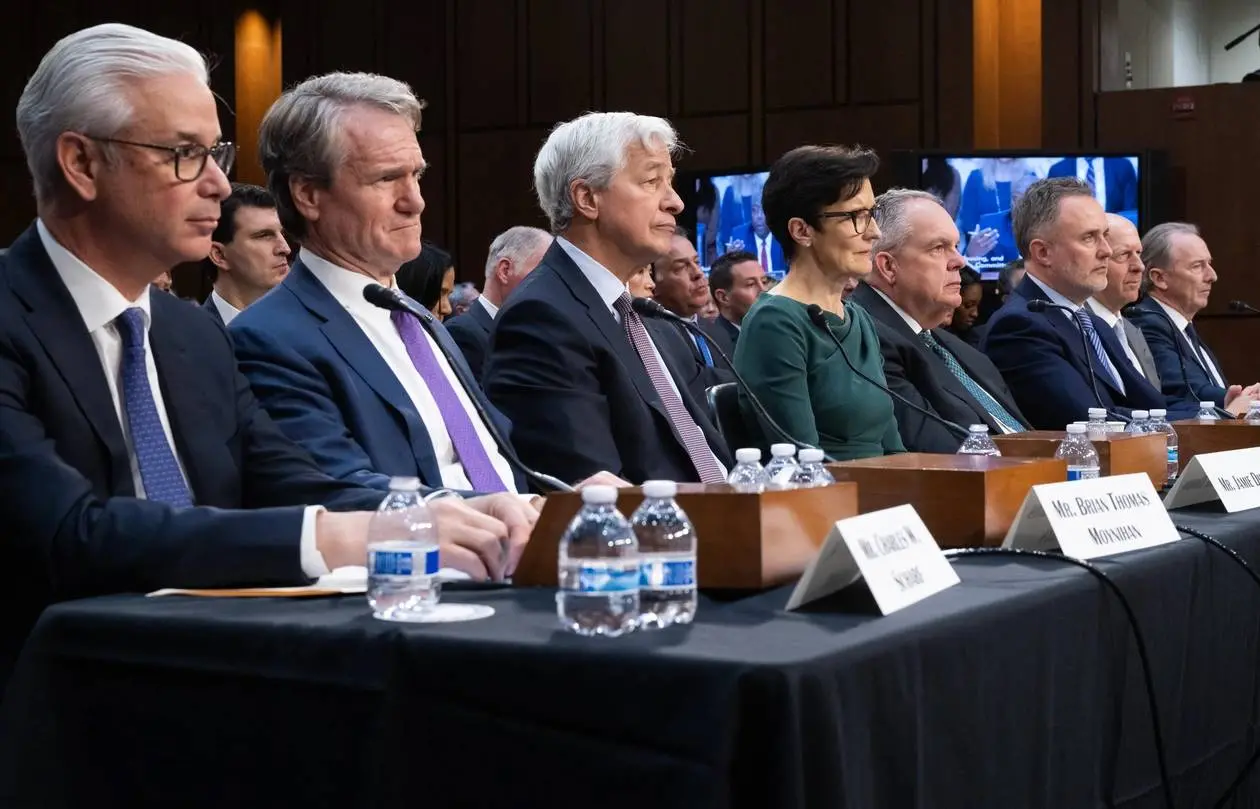
Cryptocurrency executives have made significant campaign contributions for the 2024 election, profoundly impacting the banking sector. | Saul Loeb/AFP via Getty Images
The financial sector is embroiled in a lobbying war in Washington.
The conflict between cryptocurrency companies and banks, along with other Wall Street firms, is intensifying, primarily centered around new digital asset regulations pushed by Republican leaders. This conflict is expected to reach a climax when Congress reconvenes after its August recess.
With former President Donald Trump returning to the White House, the cryptocurrency industry has achieved a series of lobbying victories, including the first legislative reforms on digital asset regulation. Now, Republicans in Congress are preparing to pass a second, larger bill to promote the growth of the cryptocurrency market, while Wall Street groups are beginning to slow down, warning that certain crypto-friendly reforms could disrupt their businesses and threaten financial stability.
Some banks are concerned that lending institutions may face deposit outflows as customers might turn to less-regulated cryptocurrency products.
But this struggle is not limited to Congress. It has also spread to some more obscure corners of financial policy. For example, banking groups are trying to block cryptocurrency companies from seeking national bank charters. Meanwhile, executives in the cryptocurrency industry are lobbying the White House to maintain a ban on banks charging fees for customer data access. At the same time, some traditional financial firms are warning Wall Street regulators that they are trying to make stock trading look more like cryptocurrency.
"Change is always difficult, especially for those who have already found success and are deeply entrenched in the organization; they will always feel a bit uneasy about upheaval," said Dan Zinn, general counsel of OTC Markets, which operates stock trading systems. "This will definitely keep everyone on their toes, whether out of a bit of fear or a bit of excitement."
This conflict highlights the significant changes in lobbying dynamics over financial policy issues in recent months as Washington begins to embrace the cryptocurrency industry. The right's enthusiasm for the cryptocurrency sector has poured hundreds of millions of dollars into influence efforts in Washington in recent years, in some cases surpassing the interests of traditional financial firms, which typically align with most of the Republican financial policy agenda.
This month, the lobbying struggle has entered a heated phase, with the banking industry association calling on lawmakers to retroactively amend a recently signed cryptocurrency law passed by Congress in July, triggering strong opposition from the cryptocurrency industry. (House Republicans are also pushing for retroactive amendments after opting to accept the Senate version of the bill.)
For a long time, bankers have been skeptical of cryptocurrencies. Industry leaders, including JPMorgan CEO Jamie Dimon, have previously scoffed at digital assets, and their Washington agenda has long diverged from the goals of digital asset companies.
"This has been a turf battle that has been going on for years, and frankly, so far, we have not been able to achieve any regulatory clarity," said Republican Congressman Warren Davidson of Ohio, a long-time ally of the cryptocurrency industry.
But for months, major industry associations representing the banking sector have only offered lukewarm public criticism of the rapidly developing Republican legislation aimed at legitimizing digital asset regulation.
After Trump signed a significant bill last month that established new rules for so-called stablecoins (a type of cryptocurrency pegged to the value of the dollar), they became more outspoken. Groups like the American Bankers Association are now urging senators to amend the stablecoin law when they consider a second, larger cryptocurrency market structure bill next month. They hope to block all cryptocurrency companies from paying yields to customers holding stablecoins and to repeal what they describe as legal provisions allowing state-chartered, uninsured deposit institutions to operate nationwide without proper oversight. Legal provisions.
This concern is particularly evident for small banks, which indicate that they may suffer losses as customers withdraw funds and place them in cryptocurrency products like stablecoins.
"It feels like there's a movement to replace us," said Christopher Williston, president and CEO of the Independent Bankers Association of Texas, the only major banking group to publicly oppose the stablecoin bill.
Williston stated that the stablecoin bill, known as the "Genius Act," poses a "fundamental threat to bank deposits" for small lending institutions. He added that this new legislation feels like the "thousand and first cut" after the 15 years of regulatory burdens brought on by reforms following the 2008 financial crisis.
Cryptocurrency companies that have long lobbied for the stablecoin bill insist that the matter has been resolved.
Sommer Messinger, CEO of the leading industry trade group Blockchain Association, stated that the Genius Act "is an established law." "Congress had a vigorous debate on this, and the passage of this bill was a compromise by policymakers. So we really shouldn't try to go back and revisit this issue."
Paige Pidano Paridon, executive vice president of the Bank Policy Institute representing large banks, stated that the organization hopes to work with the cryptocurrency industry to develop "clear and fair rules."
She said, "This is not a battle between banks and cryptocurrencies; it's about working together to create rules that apply to everyone while protecting consumers and the financial system. The U.S. financial system is built on trust, and when ordinary consumers cannot distinguish between safe and unsafe, the risks increase, and America's competitiveness is harmed."
At the U.S. Securities and Exchange Commission (SEC), traditional financial institutions have been calling on Wall Street regulators to proceed cautiously as the agency considers the cryptocurrency industry's request for "tokenization of U.S. stocks." Tokenization refers to placing such assets on the same blockchain as cryptocurrencies like Bitcoin and Ethereum.
Proponents argue that tokenization will help accelerate stock trading globally and reduce costs. However, organizations like the Securities Industry and Financial Markets Association and trading giant Citadel Securities, backed by Republican mega-donor Ken Griffin, believe that tokenized stocks should follow the same rules as the thousands of traditional stocks currently traded. Lobbyists expect the tokenization debate to play a role in the upcoming congressional discussions on a market structure bill that will delineate regulatory authority over cryptocurrencies. Senate Republicans have vowed to pass this bill this fall.
Indeed, the banking sector's influence in Washington remains undiminished, with CEOs of large banks still winning victories in Oval Office meetings, and lending institutions benefiting from the Republicans' comprehensive deregulation agenda. Some traditional financial industry figures are also beginning to favor the prospects of cryptocurrencies.
But at the same time, the banking sector is grappling with a political landscape shaped by the significant campaign contributions made by cryptocurrency executives in the last election—once again hopeful for the upcoming midterm elections. Cryptocurrencies are a top policy priority for the White House and Trump, whose family has invested in several cryptocurrency companies.
These dynamics make the industry a powerful force. At the Consumer Financial Protection Bureau, executives from the cryptocurrency industry successfully lobbied the Trump administration to abandon efforts to work with large banks to repeal the "open banking" rules established during the Biden era that govern consumer data sharing.
This policy prohibits banks from charging for access to this data, which fintech and cryptocurrency companies use to support their services and facilitate customer account openings and fund transfers. After interventions by cryptocurrency executives in collaboration with fintech companies, the CFPB is now reconsidering this rule rather than abolishing it outright.
"Banks are still respected," Davidson said, adding that Republicans have worked with the banking sector to roll back some regulatory measures enacted after 2008. "But frankly, banks have indeed enjoyed benefits in other areas that have, in many ways, protected them from market impacts."
Click to learn about job openings at ChainCatcher
Recommended Reading:
Pantera Capital Deep Dive: The Value Creation Logic of Digital Asset Treasuries (DATs)
Backroom: Tokenization of Information, a Solution to Data Overload in the AI Era? | CryptoSeed
 Risk warning
 Risk warning




Popular articles





