Shanzhai Season Starts? Investment Strategies, Risk Warnings, and Exit Guides for the Market After 2025

 This article believes that the current cryptocurrency market is experiencing a unique signal for the start of a "shanzhai season." However, unlike previous "bull markets," this round is characterized by more institutionalization, compliance, and fundamentals, showing structural rotation.
Introduction:
In the past two years, the crypto market has undergone a profound reshaping, from the deep adjustments of 2022-2023, to the gradual clarity of regulations in 2024, and then to the accelerated influx of institutional funds and compliant channels in 2025. Recently, signals of an "altcoin season" have begun to emerge, but unlike the previous "general rise" frenzy, this round is more inclined towards structured rotation: institutional funds are primarily flowing through compliant channels such as ETFs and DAT, with high-quality projects and narrative-driven sectors receiving more premiums.
This report will take a professional investment perspective, focusing on market signals, capital flows, core sectors, risks, and strategies, and will primarily address three questions: Has the altcoin season truly started? Where is the capital flowing? How should investors position themselves?
CoinEx Research believes that the altcoin season in 2025 will no longer be a "blind general rise" speculative feast, but rather a compliance-driven, institutional-driven, and fundamental-driven structural bull market. Understanding this evolution will not only help grasp short-term trading windows but also assist in long-term positioning. This report will provide a cross-cycle, executable investment framework based on data and logic, combined with macro policies, on-chain indicators, and project fundamentals, to capture true excess returns in a high-volatility, highly differentiated market.
1. Validation Signals and Market Characteristics of Altcoin Season
Recently, we have monitored three signals: BTC.D has declined for six consecutive weeks, the Altseason Index is approaching the critical threshold of 75, and the total market capitalization of altcoins has reached a two-year high. This is the first time since 2021 that all three core indicators have simultaneously shown "altcoin season initiation" signals. However, unlike before, investors need to shift from a "general rise" mindset to a "structured selection" mindset.
1.1 Core Altcoin Season Cycle Indicators: BTC.D, Altseason Index, and Total Market Capitalization
After multiple rounds of cycle testing, Bitcoin dominance (BTC.D), the Altseason Index, and changes in total market capitalization can serve as core cycle indicators to validate the initiation of the altcoin season. These indicators reflect the direction of capital flow and changes in market sentiment from different perspectives.
Bitcoin Dominance (BTC.D): The "Barometer" of Capital Flow
BTC.D reflects Bitcoin's market capitalization as a percentage of the overall crypto market, serving as the "first indicator" for assessing the rotation of capital between Bitcoin and altcoins. The cyclical fluctuations of BTC.D show a significant negative correlation with the altcoin season; when this indicator shows a sustained downward trend, it typically indicates that capital is shifting from Bitcoin to altcoins.

Historical data shows a clear threshold effect for BTC.D:
● In the 2017 altcoin season: BTC.D fell from 86% to 33%, a drop of over 50 percentage points, resulting in a highly fragmented market where capital generally flowed into altcoins, exhibiting "general rise" characteristics.
● In 2021: BTC.D dropped from 69% to 40%, a decline of nearly 30 percentage points.
● In 2025 (as of September), BTC.D has slowly decreased from 64% to 57%, a drop of about 7 percentage points. Although less severe than the previous two rounds, this is the first significant decline exceeding 7 percentage points since 2022.
We believe that when Bitcoin's price is range-bound and BTC.D continues to decline (i.e., the "Bitcoin range-bound + declining dominance" combination), it is a strong signal for the initiation of the altcoin season. This indicates that capital is flowing into altcoins without selling Bitcoin, reflecting an increase in market risk appetite. From August to September 2025, Bitcoin's price remained in the range of $110,000 to $120,000, while BTC.D decreased by 7 percentage points, consistent with the typical technical pattern of altcoin season initiation in history.
Altseason Index: The "Quantifier" of Market Sentiment
The Altseason Index is a comprehensive indicator specifically designed to measure the performance of altcoins relative to Bitcoin. Currently, there are two mainstream versions in the market—Blockchaincenter (top 50 coins) and CoinMarketCap (top 100 coins, excluding stablecoins). Although they differ in methodology, both agree that when 75% of non-Bitcoin coins have increased more than Bitcoin over 90 days, it enters "altcoin season."
From the current data, the Blockchaincenter index is at 73, and the CoinMarketCap index is at 69, both nearing the critical threshold of 75, indicating that the market has not fully entered the traditional sense of altcoin season, but its obvious upward trend shows clear initiation signals.

Changes in Total Market Capitalization: The "Measuring Stick" for Capital Inflow
The changes in total cryptocurrency market capitalization and segmented market capitalization provide funding validation for the altcoin season and serve as an important supplementary indicator for assessing market heat. From March to September 2025, the total market capitalization of the crypto market rose from $2.5 trillion to $4 trillion, a growth of 60%. The total market capitalization of altcoins (excluding BTC) exceeded $1.88 trillion in August, approaching historical highs. Notably, unlike the historical "straight-line rise," this round of altcoin market capitalization has shown a more "stair-step" growth pattern, consistent with the characteristic of institutional funds entering in batches. This structural growth, along with the decline in BTC.D, further enhances the probability of the altcoin season's initiation.

1.2 Capital Flows and Market Structure: Institutional Entry and Retail Sentiment Absence
If an altcoin season occurs in 2025, its dominant logic is likely to be "selective rise" rather than "general rise." The changes in capital flows and market structure are particularly prominent, mainly reflected in the following three points:
Historical Cycle Comparison: From Wild Growth to Structural Differentiation
Looking back at history, the 2017 altcoin season was driven primarily by ICOs, where regulatory gaps and the ERC-20 standard lowered issuance thresholds, leading to a surge in project numbers and widespread retail capital investment. The 2020-2021 period was driven by DeFi and liquidity mining, with institutional funds tentatively entering, favoring protocols with real product prototypes. By 2025, the altcoin market has entered the "compliance era":
● Regulatory clarity, such as the classification of utility tokens by the U.S. SEC and the EU MiCA regulations, has created a market environment where "compliance equals survival";
● Institutional dominance, with traditional financial institutions entering through compliant channels such as ETFs and digital asset treasury (DAT), changing the structure of market capital;
● Increased project quality differentiation, as the narrative-driven markets of the previous two rounds have significantly enhanced investor awareness, with current capital favoring projects with fundamentals and compliance capabilities.
Active Institutional Capital Entry
In 2025, the pathways for institutional capital to enter the cryptocurrency market are indeed more diversified and compliant than in previous cycles, primarily achieved through spot ETFs, DAT, and other means. Notably, current institutional capital allocation is highly focused on mainstream assets with clear compliance and strong liquidity (such as BTC and ETH). Even more flexible crypto asset treasury (DAT) strategies generally tend to choose mainstream assets (such as SOL, XRP, BNB, HYPE, ENA, etc.) to avoid regulatory uncertainties. This preference differentiation leads to significant structural rotation of capital within altcoins, rather than a uniform "flooding" of capital. This differentiation essentially reflects the dual consideration of compliance safety and growth potential by institutional investors, further exacerbating the internal performance disparities in the altcoin market.

Retail Sentiment Absence and Market Maturity
In stark contrast to the active entry of institutional capital, retail sentiment at the beginning of the altcoin season in 2025 appears relatively subdued. This phenomenon mainly stems from three aspects: First, after experiencing a deep bear market in 2022-2023, retail investors' risk appetite has generally declined, making them more inclined to allocate to lower-risk assets like Bitcoin; second, with the increase in global regulatory compliance requirements, KYC and other identity verification thresholds have led some retail investors to choose to exit the market or temporarily observe. Additionally, multiple market cycles have enhanced investor awareness, leading retail investors to prefer projects with fundamental support rather than blindly chasing highs.
1.3 Investment Strategies Under Differentiation: Compliance Thresholds and Project Quality Screening
In a highly differentiated market, blindly chasing hot spots will face greater volatility risks; instead, constructing an investment portfolio around "compliance + fundamentals" may truly allow for crossing cycles and capturing excess returns.
Compliance: The Precondition for Capital Inflow
As the regulatory frameworks of major jurisdictions (such as the U.S., EU, and Hong Kong) become increasingly clear, whether a project can meet local regulations becomes crucial. Institutional capital favors those projects that have passed strict regulatory scrutiny through compliant channels (such as ETFs, DAT) or operate in friendly jurisdictions, indicating higher safety and stability.
Project Fundamentals: The Core Competitiveness to Cross Market Cycles
Beyond "narrative-driven," the market is returning to "fundamentals-driven," where capital will further screen for projects with actual revenue (DeFi), technological innovation (such as the combination of AI and blockchain), clear application scenarios (such as RWA), sustainable token economic models, and active ecosystem development.
We believe this screening logic requires investors to shift from "story-driven" to "data-driven," deeply assessing team backgrounds and execution capabilities (whether they possess cross-cycle capabilities), technical feasibility and ecosystem activity (on-chain data, address growth, TVL changes), and revenue capabilities and token economic models (protocol revenue, dividend mechanisms, governance token incentives).
2. Core Investment Sectors and Quality Targets Recommendation
The capital flows and sector performances in this round of altcoin season indicate that institutionalization, compliance, and fundamentals are becoming the main themes of the market: the ETF/DAT track provides a stable capital inflow, DeFi blue chips and RWA tracks constitute medium to long-term growth value, while AI and meme narratives offer short-term high Beta speculative opportunities. In this context, investment strategies should shift from "chasing hot spots" to "multi-layer structural layouts," using core leading assets to stabilize the portfolio, capturing increments with growth-oriented DeFi or RWA projects, and seeking short-term Alpha through AI and meme sectors, thereby achieving sustainable excess returns in a high-volatility environment.
2.1 Institutional Dividend Track: ETF and DAT
Institutional capital is accelerating its entry into the cryptocurrency market through compliant channels, with BTC and ETH continuing to receive institutional favor as core assets. Their allocation logic emphasizes project compliance, technical fundamentals, and long-term application value, bringing significant "compliance premiums" to altcoins with strong institutional backing, clear business models, and proactive regulatory engagement.
In addition to BTC and ETH, some altcoins with good compliance prospects and innovative narratives have also begun to enter the institutional spotlight. Various altcoins have submitted applications for spot ETFs, covering mainstream altcoins such as XRP, SOL, ADA, LTC, DOGE, SUI, and APT.
In the DAT field, institutional capital is more inclined to allocate to assets with solid fundamentals and clear compliance prospects. Reserve assets are evolving from a single BTC to a diversified range of crypto assets, with ETH, SOL, BNB, HYPE, and ENA becoming new reserve hotspots. However, as the market saturates and regulatory pressures increase, the DAT model is facing sustainability challenges, and investors need to pay attention to related risks.

2.2 DeFi Blue Chips and Innovative Protocols: Income and Growth Opportunities
Hyperliquid: The Decentralized Perpetual Contract Leader Cutting into the Stablecoin Narrative with USDH
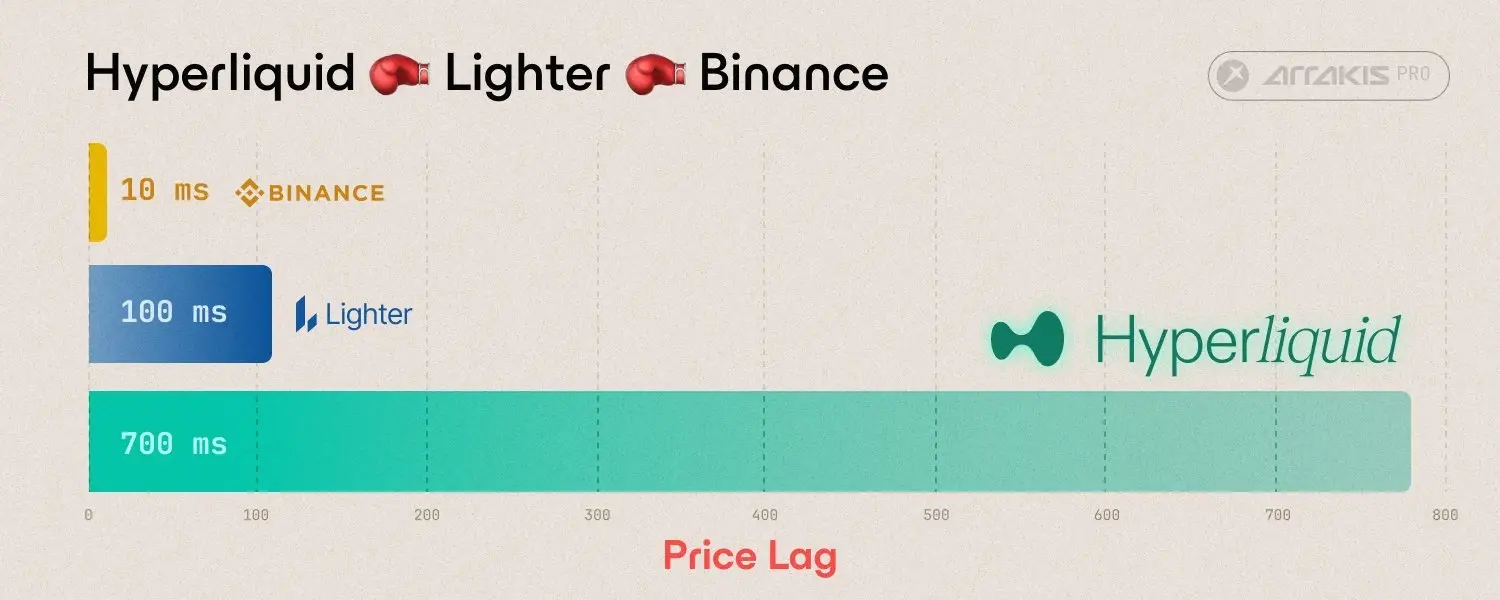
As a leader in the decentralized perpetual contract market, Hyperliquid's monthly trading volume has approached $400 billion, capturing about 70% of the decentralized perpetual contract market share, with monthly revenue reaching approximately $106 million. Notably, this trading volume data is gradually eroding the market share of centralized exchanges, with its monthly perpetual contract trading volume ratio with Binance rising from about 8% at the beginning of the year to a recent 13.6%. More importantly, Hyperliquid is attempting to reduce its reliance on USDC by launching its native stablecoin USDH, aiming to convert hundreds of millions of dollars in annual interest income into community revenue. This strategic transformation will determine its future revenue growth ceiling and is a key factor in assessing its long-term value.
We believe that USDH is not just a new stablecoin but also a strategic pivot for capturing Hyperliquid's ecological value. Its success or failure will determine the protocol's future revenue ceiling and governance distribution, constituting risks and opportunities that long-term investors need to closely monitor.

Ethena: Value Reconstruction with Synthetic Dollars and Fee Switch
Ethena's synthetic dollar USDe supply has doubled to $12 billion within a month, with cumulative protocol revenue exceeding $500 million and August's monthly revenue reaching $61 million. Its core mechanism, "Fee Switch," is about to be activated, which will directly distribute protocol profits to ENA token holders, with Arthur Hayes predicting it could lead to $500 million in token buybacks. Additionally, the publicly listed company Mega Matrix plans to raise $2 billion to establish an Ethena stablecoin governance treasury, with a strategy to directly purchase ENA governance tokens, marking a shift where traditional capital is no longer just holding crypto assets but actively participating in protocol governance to obtain long-term returns.
We believe that the activation of the Fee Switch will become a fundamental turning point for the ENA token, and the involvement of traditional institutions in governance signifies that the model of "protocol as an investment target" is taking shape.

Pendle: The Flywheel Effect of Yield Aggregators
Pendle's TVL has exceeded $12 billion, with an annualized revenue of approximately $75 million. Among these, Ethena's sUSDe+USDe contributes over 70% of the liquidity. Pendle played the role of a "cold start engine" in Ethena's early stages, driving its issuance from $500 million to $3.5 billion in just four months. Furthermore, Pendle is expanding into new derivative fields by launching the Boros platform, supporting funding rate trading and hedging.
We believe that Pendle acted as a "customer acquisition and liquidity guiding engine" during the initial phase of Ethena's launch, serving as an excellent example of the "flywheel effect." Its ecological binding with Ethena and expansion into the derivatives field exemplifies a typical "continuously growing DeFi blue chip."

ONDO: The On-chain New Journey of RWA Giants
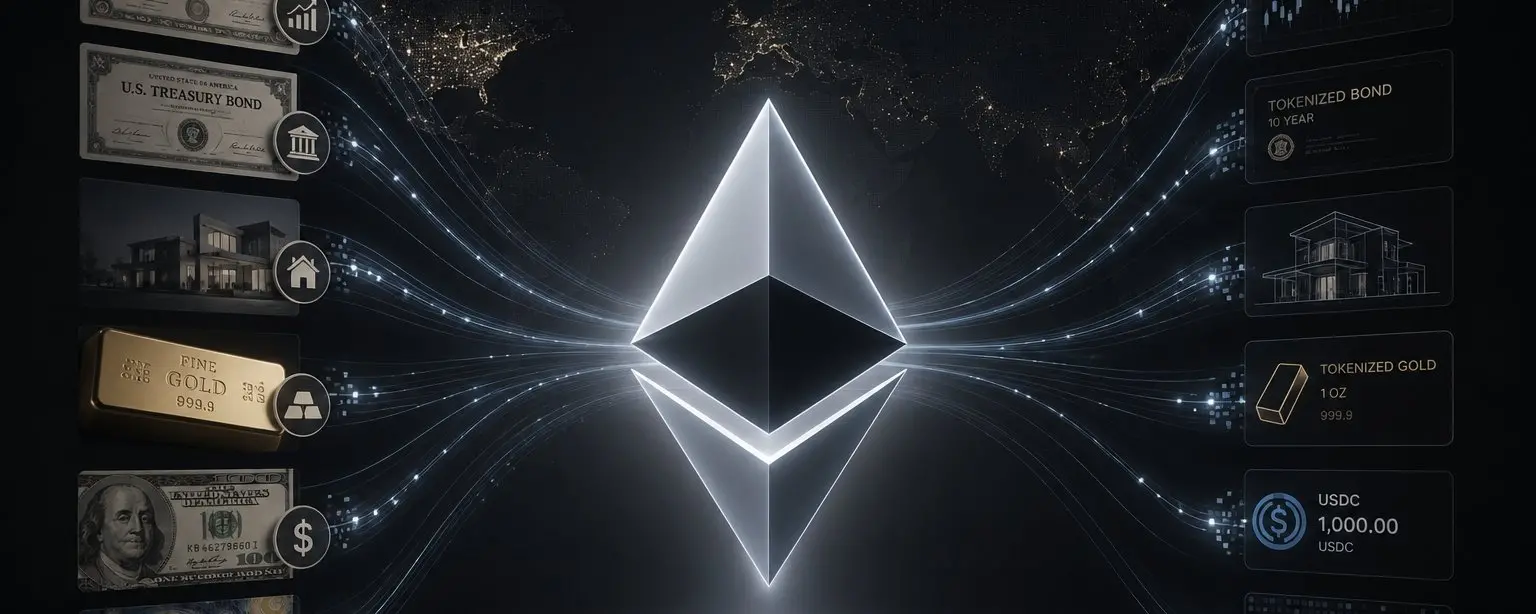
As a leader in the Real World Asset (RWA) sector, ONDO's total locked value (TVL) has reached $1.4 billion. Its recent launch of the "Ondo Global Markets" platform provides non-U.S. investors with over 100 tokenized U.S. stocks and ETFs, supported by multiple mainstream exchanges, with daily trading volumes exceeding $32 million and a total market capitalization of over $129 million.
We believe that ONDO's success is not only a technological breakthrough but also a compliance breakthrough. By collaborating with mainstream exchanges and focusing on institutional-grade solutions, ONDO is building a compliance bridge between TradFi and DeFi, attracting a large number of institutions and high-net-worth users seeking compliant investment channels, representing a new opportunity for growth in this round of DeFi blue chips.

2.3 Narrative-Driven Speculative Opportunities: AI and Meme Sectors
AI Track: Multi-layer Value Chain of Computing Power, Data, and Agents
The integration of AI and Web 3 is forming multi-layered investment narratives. The underlying decentralized computing power (such as Aethir) has delivered over 1.15 billion computing hours and achieved monthly revenue of $13 million; the data layer's Sapien addresses the quality of AI training data through token staking and reputation mechanisms, with over 1.8 million registered contributors; the intermediate layer, Kite AI, has processed over 640 million AI agent calls in its testnet, with user numbers exceeding 14.34 million; the top layer, Openmind, combines AI agents with real-world robots, attempting to build a "robotic version of iOS," extending the AI value chain into the physical layer.
We believe that the investment logic of AI narratives has shifted from "single-point explosion" to "multi-layer penetration," with the maturity of underlying computing power driving breakthroughs in data, agents, and physical robots layer by layer. This "narrative progression" can provide investors with multi-dimensional layout ideas from infrastructure to application layers.
Meme Narrative: From Speculation to Creative Capital Market
As one of the largest meme coin issuance platforms, Pump.fun distributes income to creators through "Project Ascend," with creator income reaching $15.5 million in just seven days, ten times the protocol's own revenue, marking its transformation from a speculative tool to a "Creative Capital Market (CCM)." Additionally, new narratives such as ICM (Internet Capital Market) and PM (Prediction Market) are also on the rise. Leaders like Polymarket and Kalshi are promoting the compliance of prediction markets, providing new imaginative space for meme sector narratives.
We believe that the structured transformation of the meme market may give rise to a new generation of "creator economy" platforms. Investors should pay attention to whether protocols have income distribution mechanisms, ecological incentive designs, and compliance layouts, as these factors will determine their sustainability.
3. Short-term Volatility Risk Warning: How to Avoid Pullback Traps
Although the altcoin season often starts with strong upward momentum, history shows that short-term risks are also high. Factors such as macro liquidity, geopolitical issues, market sentiment, technical vulnerabilities, and policy uncertainties intertwine, potentially triggering sharp declines of 20%-40% in altcoins within a short time, or even greater volatility. Investors need to flexibly utilize on-chain indicators, derivatives data, and compliance dynamics to grasp the rhythm and avoid chasing highs and excessive leverage.
3.1 Macro Liquidity and Geopolitical Risks: Fed Rate Cut Expectations and Sudden Events
The crypto market is extremely sensitive to global liquidity, especially the Fed's policies. Currently, the market widely expects a 25 basis point rate cut in September, with the CME FedWatch indicating a probability of over 90% (as of September 11). This expectation has already been priced into risk assets. If the results announced at the September 17 FOMC meeting fall short of market expectations, the evaporation of liquidity could quickly trigger sell-offs. If the dollar index rises above 105 (currently around 98), or if U.S. Treasury yields increase, funds will rapidly withdraw from high Beta altcoins and flow back into BTC and stablecoins.
Geopolitical situations further amplify uncertainty. Conflicts such as Israel-Iran, the U.S.-China tech rivalry, and extreme weather pushing up energy prices could disrupt market rhythms. If Brent crude oil breaks above $85 (currently around $68 as of September 11), inflation concerns will reignite, compressing the Fed's easing space. Geopolitical escalations can often trigger a 5%-10% pullback in BTC within a single day, while altcoins lacking the "digital gold" narrative typically face more severe declines. A VIX above 20 (currently around 15) can serve as one reference signal.
Regarding macro factors, we believe investors should focus on whether indicators such as DXY, VIX, and BTC market share show a sustained upward trend.
3.2 Market Sentiment and Technicals: Beware of Overbought Conditions and Leverage Risks
Altcoin trends are often driven by excessive leverage and euphoric sentiment, which also lays the groundwork for severe pullbacks. According to TradingView, most top market cap projects are currently in the 50-70 range, indicating strong bullish momentum. Investors should be wary of overbought zones (e.g., >70), and it is even more concerning if RSI and MACD show divergence—where prices reach new highs but momentum is unconfirmed, which is a typical signal of trend exhaustion.
The derivatives market is also worth monitoring. According to CoinGlass, the open interest in perpetual contracts has soared above $200 billion (as of September 11), with positive funding rates for top market cap assets, indicating that long leverage is dominant, putting the market in a "powder keg" state. Additionally, retail FOMO and whales applying 3-10x leverage on illiquid altcoins further exacerbate vulnerabilities.
From a technical perspective, we believe investors should closely monitor RSI, open interest, and funding rates for rapid surges as short-term risk warnings.

3.3 Regulatory and Policy Uncertainties: SEC Stance and MiCA Implementation Risks
Even as overall regulation becomes clearer, short-term uncertainties can still cause volatility, especially in an unclear macro environment. The U.S. SEC is transitioning from "enforcement priority" to "framework regulation," which is seen as a long-term positive, but various risks may arise during the transition period: lawsuits against staking businesses and compliance errors by exchanges could shake investor confidence; while the full implementation of the EU MiCA raises compliance thresholds for stablecoin issuers and service providers, smaller exchanges and projects may fail to meet standards, being forced to exit the market or suddenly dump tokens.
Before market participants complete the transition, short-term disturbances are almost inevitable. We believe investors should pay attention to SEC announcements, ESMA license updates, and enforcement news as information aids for medium to short-term investment decisions.

4. Practical Guide to Timing the Exit: How to Secure Profits Safely
In any round of altcoin season, market peaks are often accompanied by turning points in Bitcoin dominance and capital flows. When Bitcoin enters a downward cycle, it usually indicates that the altcoin season is nearing its end. By integrating technical indicators, on-chain data, and strategic frameworks, we help investors more confidently identify price warnings, assess market stages, and formulate exit strategies.
4.1 Technical Indicator Combination: Multi-dimensional Signals to Identify Peaks
AHR 999 Indicator: Long and Short Cycle Moving Average Validation of Overbought Risks
The AHR 999 indicator is constructed by combining long and short cycle moving averages of prices; the larger the value, the more it indicates that the market is currently overbought in the short term, necessitating attention to downside risks. When the indicator enters the warning zone, the altcoin market may be experiencing or about to experience an explosion, while when the indicator leaves the warning zone, the altcoin market is likely to enter a collapse zone, requiring gradual exit from positions. Currently, the indicator has not yet entered the warning zone.

RSI-22: Higher Sensitivity for Short-term Movements
The RSI-22 indicator is relatively shorter-term compared to other indicators in this report, with a general win rate, but it can respond more sensitively to current market changes. When its value significantly exceeds 70, the probability of price decline surges, suggesting a reduction in buying positions while paying closer attention to market changes. Currently, the RSI-22 value is around 50, indicating that there is still some distance from overheating (70), suggesting some upward space in the short term, allowing for low-price accumulation.

Bitcoin Funding Rate: A Thermometer for Monitoring Leverage
The Bitcoin funding rate is a long-term indicator; historically, when the 90-day rolling funding rate annualizes to 10%, it may indicate that BTC is gradually entering an overheated state, and the altcoin market will begin to accelerate, potentially presenting a buying opportunity. Based on the current indicators, the market is in a calm period, with average long-short competition. The market has not yet entered a period of unilateral high-leverage bets.

Pi Cycle Indicator: The Absolute Exit Signal of the Longest Cycle
The Pi cycle indicator is the longest-term indicator mentioned in this report. When the MA 111 line rises and crosses the 2x MA 350 line from below, the indicator suggests that the market has entered an overheated stage, indicating potential downside risks. It has only been triggered during the super altcoin season in April 2021. The Pi cycle indicator can be considered one of the absolute exit signals, and it is recommended to gradually exit when triggered.

4.2 On-chain Indicator Combination: Capital Behavior and Sentiment Turning Points
Short-term Bitcoin Hoarder Behavior: Observing the Temperature of Capital
The accelerated increase in Bitcoin holdings by short-term hoarders signifies the opening of a short-term market, while a subsequent rapid decrease indicates that the market is about to end. A good strategy is to accumulate altcoins when a rapid increase is observed and exit when a decrease occurs. Currently, no accelerated increase signals have been detected, suggesting that the market may still be in a warming phase.

BTC Net Unrealized Profit and Loss Index: Identifying "Holiday" Moments
When BTC net unrealized profits exceed the Warning Sign, it indicates that the market has entered an overheated stage, potentially signaling the start of the altcoin season. It is recommended to accelerate the accumulation of altcoins when the indicator exceeds the Warning Sign, betting on the initiation of the altcoin season. If the indicator is observed to remain above the Warning Sign for one week, then begin to close positions. If the indicator remains above the Warning Sign for less than a week, it can be considered that the altcoin season has not yet arrived, indicating a misjudgment in this bet, and it is advisable to close positions when the indicator falls below the Warning Sign, waiting for the next opportunity.

Stablecoin Inflow and Outflow Indicators: Leading Signals of Capital Exodus
During the last round of altcoin collapse, as BTC fell below $35,000, stablecoins began to flow out in large quantities (i.e., redeeming stablecoins for fiat, indicating capital exit). Similarly, in this round, if prices break key support levels and stablecoins begin to flow out that month, it indicates that mainstream market participants are capitulating and exiting, leading BTC to seek major cycle support levels, causing altcoins to start collapsing. We believe that if stablecoin outflow signals are detected, one should abandon any illusions and liquidate all altcoin positions.

4.3 Strategy Framework: Gradual Exit and Dynamic Profit Taking
In addition to data indicators, a gradual exit strategy in practical operations can better balance returns and risk management:
● Cost Recovery Method: When prices rise to a certain extent, first sell a portion to ensure that the remaining position's cost is zero.
● Time-based Gradual Profit Taking: Regardless of price movements, regularly sell a portion based on time cycles.
● Event-driven Profit Taking: Gradually reduce positions based on major event milestones (such as listing on major exchanges, successful ETF issuance, and other significant positive developments).
5. Conclusion and Outlook: Q4 Market Trends and Long-term Risk Alerts
5.1 Short-term Outlook: Tactical Windows in a Structured Bull Market
In the short term, the simultaneous signaling of three indicators (BTC.D, Altseason Index, total altcoin market capitalization) marks the first true characteristics of "altcoin season" initiation since 2021. However, unlike past general rise trends, this round is closer to a "structured bull market," placing higher demands on investors' tactical allocation capabilities:
● Market Structure: Bitcoin's range-bound behavior + declining dominance constitutes a strong signal, combined with the stair-step growth of altcoin market capitalization and the phased entry of institutional funds, indicating that capital rotation has entered the "selected targets" phase.
● Trading Strategy: In the short term, it is essential to strengthen sector rotation, indicator monitoring, and position management, with a focus on macro liquidity (FOMC, DXY, VIX), derivatives leverage data (OI, funding rates), and on-chain capital flows (stablecoin inflows and outflows).
● Defensive Points: Be wary of "fragile pullbacks" caused by excessive leverage and euphoric sentiment, avoid blindly chasing highs, maintain flexible positions, and appropriately utilize gradual accumulation and dynamic profit-taking strategies to lock in profits.
At this stage, capital is more focused on the dual moat of "compliance + fundamentals," with ETF/DAT tracks, DeFi blue chips (Hyperliquid, Ethena, Pendle), RWA (ONDO), and AI/Agent protocols with clear cash flows or unique narratives being the core layout directions; meme-type or high Beta projects still present trading opportunities but require stronger rhythm and risk control.
5.2 Long-term Perspective: From "Narrative-Driven" to "Structure-Driven"
In the long term, CoinEx Research believes that the altcoin season in 2025 may represent a landmark watershed:
● Structural Upgrade: The regulatory frameworks (SEC, MiCA, Hong Kong licenses, etc.) and institutional capital (ETF, DAT) together push altcoins into the "compliance era." Against this backdrop, the altcoin market transitions from "wild growth" to "survival of the fittest," with leading projects enjoying valuation and liquidity premiums.
● Capital Behavior Transformation: Traditional financial institutions are no longer just allocating BTC/ETH but are deeply embedding themselves in the Web 3 ecosystem through tokenized governance, participating in protocol dividends, and providing liquidity; the logic of "protocol as an investment target" is gradually maturing, with models connecting governance tokens, protocol cash flows, and external compliant capital taking shape.
● Industry Trend Progression: Multi-layer narratives such as AI + on-chain computing power, RWA, prediction markets, and the creator economy provide medium to long-term growth curves; narratives are shifting from "single-point explosions" to "multi-dimensional penetration," requiring investment portfolios to transition from thematic rotation to industry chain layouts.
● Investment Methodology Iteration: Moving from "investing in tracks" to "investing in execution capabilities," from "speculating on sentiment" to "speculating on cash flows," cross-cycle capabilities, ecological depth, and the sustainability of token economics will become valuation anchors.
In other words, future Alpha will come more from "structured selection" rather than "general rise arbitrage." For investment institutions, the most important factor is no longer whether to hit a hot spot, but whether to discover the fundamental support behind it before the hot spot matures, and to achieve sustained excess returns through compliant channels and in-depth research.
5.3 Risk Alerts and Strategy Recommendations
Although this round of altcoin season has multiple resonance signals, its inherent volatility and fragility remain significant, and investors should be wary of the following types of risks:
● Macro and Policy Risks: If the Fed's monetary policy is less accommodative than expected, or if macro indicators such as the dollar index, VIX, and oil prices undergo sudden changes, it could quickly trigger pullbacks in high Beta altcoins. If regulatory policies tighten temporarily (SEC enforcement, MiCA implementation, compliance errors by exchanges, etc.), it could also dampen market sentiment in the short term.
● Leverage and Liquidity Risks: The current high open interest and funding rates in perpetual contracts indicate a crowded long market; once faced with sudden negative news or liquidity reduction, it could trigger chain liquidations and cascading declines.
● Structural Differentiation and Project Risks: Capital is concentrated in a few leading projects, while tail-end altcoins lack fundamental and liquidity support, leading to greater price volatility and zero-risk.
In this context, we recommend:
● Maintain Dynamic Position Management: Utilize gradual accumulation, gradual profit-taking, and event-driven strategies to lock in profits and reduce the impact of volatility on net value.
● Strengthen Indicator and On-chain Monitoring: Focus on leading indicators such as BTC.D, Altseason Index, stablecoin flows, funding rates, and OI to grasp market rhythms and identify phase turning points.
● Enhance Portfolio Defensiveness and Diversification: Use BTC, ETH, or leading stablecoins as defensive bottom positions, with fundamentally solid and clearly compliant leading altcoins for incremental exposure, while retaining a small amount of capital to participate in high Beta narratives like AI and meme for short-term Alpha.
● Prioritize Compliance and Due Diligence: Verify the compliance status, token economic model, governance, and team execution capabilities of projects before any investment to avoid "story-driven" traps.
Disclaimer: This content is for reference only and does not constitute investment advice. The information may be incomplete or inaccurate. Please conduct your own research; the author bears no responsibility for losses.
 Risk warning Risk warning