








In the current situation where "even dogs don't play," how should the project team establish airdrop standards?
 Core Viewpoint

 The article points out that the reason most cryptocurrency projects' token airdrop plans fail is not because the concept of "tokens" itself is flawed, but because there are fundamental design flaws in their implementation. These plans typically reward superficial behaviors that can be easily manipulated by bots (such as trading volume and number of trades), attracting only "mercenaries" who will leave immediately after the rewards are exhausted, and failing to cultivate genuine, sticky users.
Original Author: Stacy Muur
Original Compilation: AididiaoJP, Foresight News
Point-based airdrops are easy to initiate but hard to sustain. While projects can gain a few weeks of activity, few manage to win over truly sticky users. What distinguishes short-term hype from lasting engagement? How can we design incentive systems that keep users from leaving?
The appearance of user activity often disguises participation that is merely mercenary score-farming. The concept of points itself is not the problem, but the way they are designed: shallow incentives, no switching costs, and zero connection to the long-term future of the product.
- The flaw lies in: They reward raw activity metrics: transaction volume, number of trades, number of wallet creations.
- The end result? Bots and wash trading.
Why Do Points Fail? Psychological Perspective
To be frank, point systems may attract users for a day or two, but they cannot sustain their engagement.
When design strays from its goals, the situation is as follows:
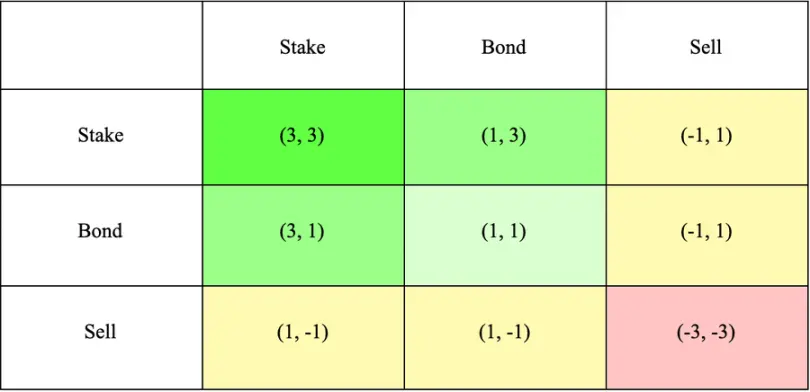
Only for score-farming, the mercenaries attracted by the project will leave the moment the rewards dry up.
Based on transaction volume rewards, it creates a wash trading casino where bots thrive, while real users churn.
Limited-time unlocks, retail investors waiting to sell.
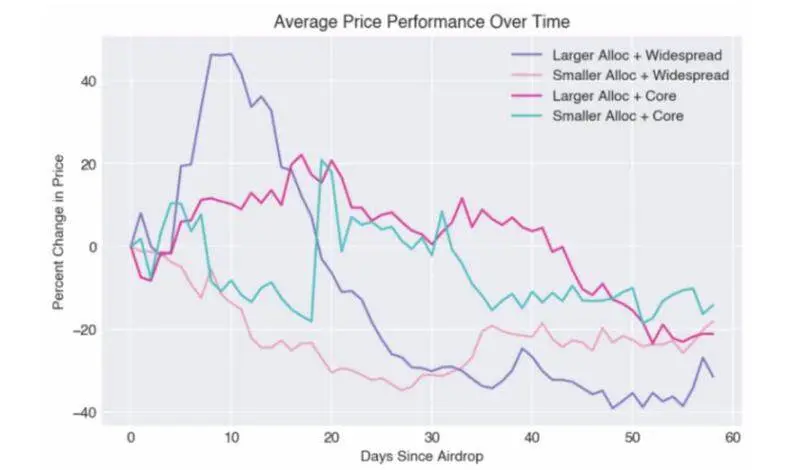
Source: \@chain_gpt
It does meet the metric of "engagement," no doubt, but what lies beneath the surface? It is hollow, driven by the wrong incentive mechanisms and built on flawed psychology.
What Makes a Points Program Sticky?
Not all points systems are created equal.
Some fade quickly, providing users with a quick dopamine hit under their own weight before collapsing. But the best systems have a design architecture that transcends short-term incentives.
This section will analyze what makes a points program truly sticky and why most get it wrong.
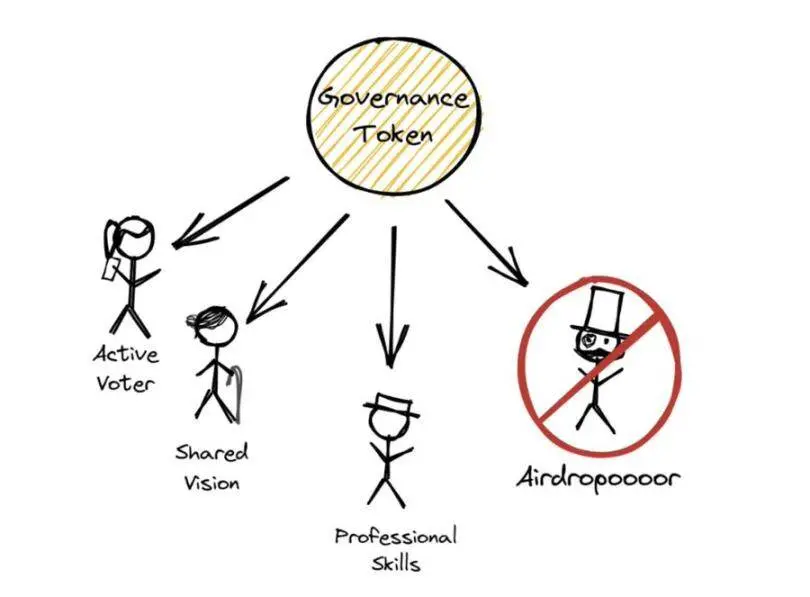
1. Behavior-Based Scoring (Not Transaction Volume-Based)
Too many programs fall into the same lazy formula:
Points = Transaction Volume × Time
This cannot build loyalty; it only attracts wash trading bots. The data looks impressive on the dashboard, but as soon as the airdrop slows down, the system collapses.
The shift is simple yet powerful:
Points = Skill Demonstration + Community Contribution + Product Mastery
At this point, points are no longer bait for mercenaries but begin to shape real users.
Textbook Example: @blur_io, 2024:
In Seasons 3-4, they stopped rewarding pure transaction volume and began rewarding high-quality trading behavior. A multiplier mechanism targeting rare NFT trades, market-making, and actual price discovery fundamentally changed the incentive design.
Result: Monthly active users increased by 40%, and churn rate decreased by 25%.
Users stayed because they became better traders, not because they were score-farming.
2. Progressive Mastery System
Once rewards are in place, the real work begins: building a progression system. Most systems fail because they assume users do not need to change; the same tasks, the same feedback, but engagement is not just about repetition.
I like to think of it as a role-playing game.
You start as a novice completing simple tasks, but over time, the challenges become increasingly difficult, the rewards more substantial, and the sense of achievement deeper.
So, what does a progression system look like in practice? It starts with how you welcome users and spans three different levels of engagement.
Level 1: Newcomer Onboarding (Weeks 1-2)
- Quick wins, teaching the basics of the product.
- Early high rewards for learning the ropes.
- Goal: Make the product feel intuitive and rewarding quickly.
Level 2: Skill Development (Weeks 3-8)
- Introduce complexity: advanced features, team tasks, deeper product usage.
- Social competition begins to intervene—leaderboards, streaks, collaboration.
- Goal: Transform curiosity into capability.
Level 3: Community Leadership (Week 9 and Beyond)
- Reward content creation, governance, helping others.
- Elevate contributors to visible community roles.
- Goal: Transform active users into advocates.
Textbook Example: @arbitrum:
Their governance model evolved through quadratic voting and retroactive funding. Highly engaged users gained influence by nominating and funding new projects. In 2024, the foundation approved 276 grants from 900 applicants, supporting builders in DeFi, gaming, infrastructure, and more.
The draw is simple: give them points, and why do they stay? They feel important.
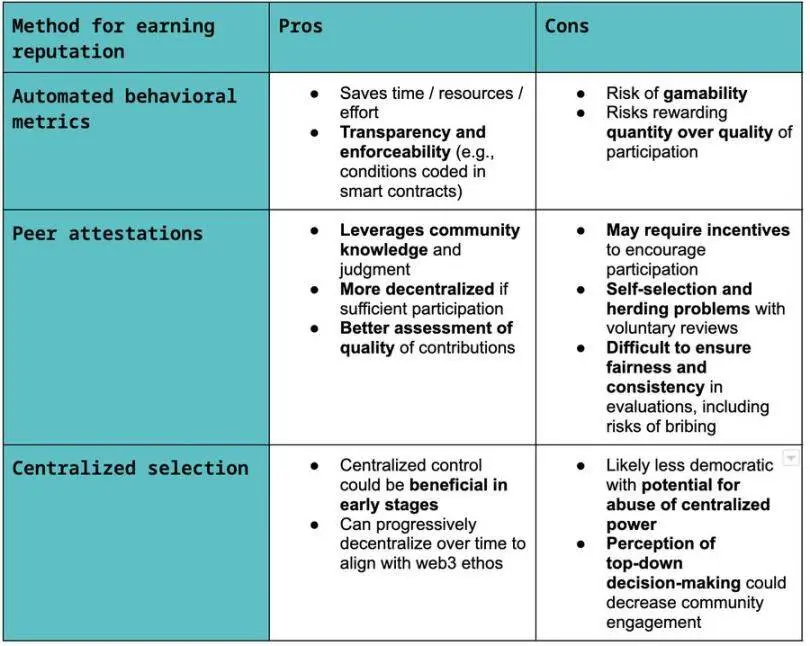
3. Social Graph Integration
Once individual mastery begins to take effect, the next unlock is a sense of collective belonging. Projects often stop at "you vs. the leaderboard," but this limits engagement. The real magic begins when users realize their progress is intertwined with others.
Flaw: Isolated points cannot build relationships; once the leaderboard resets, loyalty resets too.
Solution: Integrate team mechanisms, public visibility, and shared victories. When rewards depend on group outcomes, people build foundations rather than habits.
Textbook Example: @Optimism RetroPGF:
In addition to code, they reward contributors, including education, documentation, and ecosystem support. They also introduced badges for impact areas like sustainability and accessibility.
This increased the social amplification effect: sharing your work on X or Discord can earn additional visibility and recognition. The result is greater diversity among contributors and stronger engagement after the project ends.
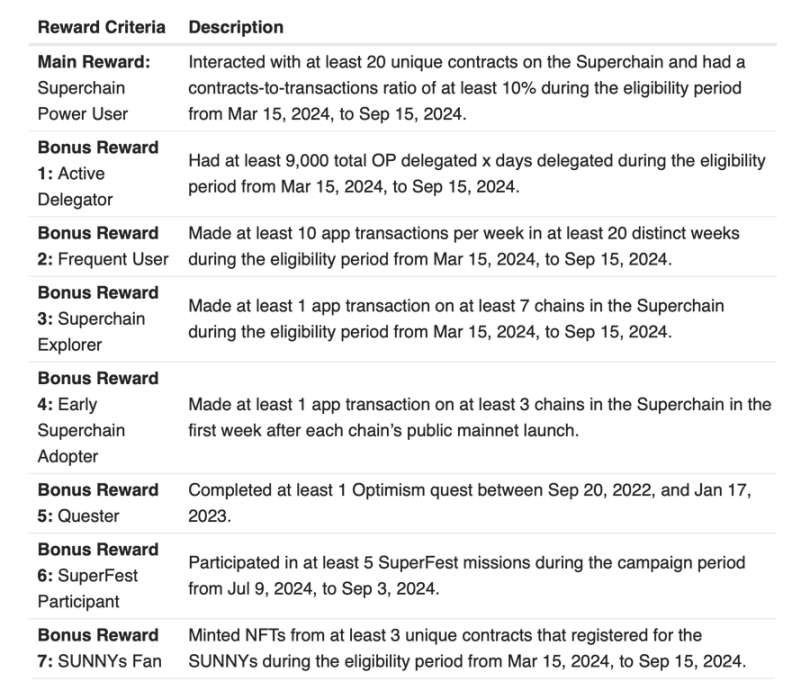
Insight: People want more than just rewards; they want a sense of belonging. When your points system reflects a social network rather than a scoreboard, retention is no longer a KPI but begins to be a culture.
4. Aligning with Real Economics
Points programs ultimately face real pressures; emissions deplete, attention wanes, and the only thing that can anchor users is real value.
Flaw:
Systems mistakenly equate token inflation with growth. They print rewards faster than the product generates revenue, turning "loyalty" into an accounting expense.
Solution:
Support points with real economic participation: fees, revenues, or governance rights, allowing holders to share something valuable.
Textbook Example: Curve, Convex, and Frax:
- @CurveFinance (veCRV): Lock CRV for up to 4 years to earn boosted rewards and trading fee shares.
- @ConvexFinance (CVX): A meta-governance layer controlling a large number of veCRV positions, making CVX holders power brokers in the Curve ecosystem.
- @fraxfinance (veFXS): Combines long-term locking with actual protocol revenue from its stablecoin business.
Lesson: These points programs are economic engines. When participation can generate real cash flow or influence, retention is no longer a marketing goal but becomes rational behavior.
The Engagement Loop That Truly Retains Users
Effective retention comes from rewarding users at the right moment for the right reasons, not just for more rewards.
If you notice, every sticky program follows the same rhythm: quick attraction, habit formation, mastery rewards, and transfer of ownership.
- Phase 1 ------ Attraction (Days 1-7): Quick wins, visible progress, social proof.
- Phase 2 ------ Habit (Days 8-30): Streaks, increasing challenges, team goals.
- Phase 3 ------ Mastery (Days 31-90): Skill tasks, leadership roles, status rewards.
- Phase 4 ------ Ownership (Day 90 and Beyond): Governance, content, ecosystem building.
When users reach Phase 4, they are already defending what they helped build.
Anti-Score-Farming Mechanisms
I have seen excellent systems perish because they rewarded the wrong people. You cannot crudely manufacture loyalty; you must design for honesty. Here are some of the most common patterns I have seen.
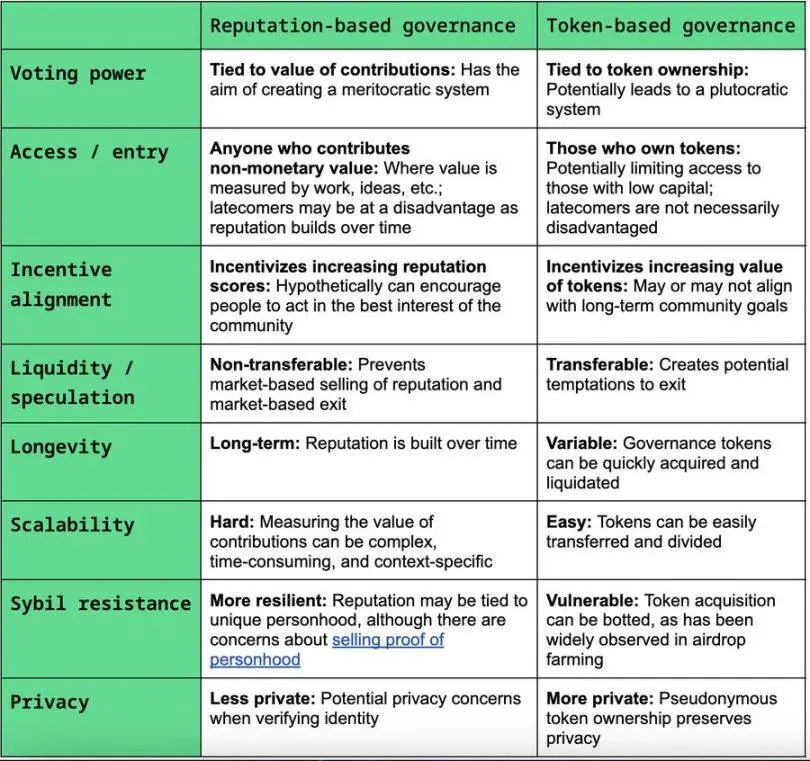
- Reputation Weighting: Not every wallet is equal. It is better to reward a verified real user than a thousand bots. Tools like Gitcoin Passport help filter.
- Diminishing Returns: Giant whales distort the data. The more someone trades, the fewer points they earn for each new action. Reducing rewards as transaction volume increases → fairer, less score-farming.
- Community Verification: The best systems allow users to supervise each other.
@Eigenlayer demonstrates this. Users join small groups to verify each other's behavior and report dishonest actions. It turns participation into a shared responsibility rather than a solo grind. This social accountability allows people to remain engaged long-term even after rewards decrease. People stay because the shared responsibility makes them care.
Core Truth: It is not the points that fail, but the poor design.
Gamifying Work
Points only work when they feel like progress rather than labor.
- Meaningful Progression: Skip hollow titles like "Bronze" or "Gold." Rank users by skill, such as market makers, liquidity providers, protocol experts. When levels reflect learning rather than luck, people stay.
- Collaborative Competition: Design challenges where users win together; think "guild tasks" or cross-community tasks. Leaving these means letting teammates down.
- Narrative Integration: Numbers fade, but stories do not. Optimism did this—framing points as impacts on public goods, turning an event into a collective mission. People stay because they believe in the story they are part of.
The goal is to ensure contributions stem from a sense of belonging.
Success Metrics
Metrics can lie; big numbers make dashboards look good, but if everyone disappears a month later, they are ultimately meaningless. So what should you do?
Track:
- Day 30 Retention Rate: Who is still here after the hype fades.
- Skill Progress: Are users genuinely improving.
- Contribution Rate: How much value are they creating for others.
- Post-Project Engagement: How many users remain active after points or activities end (e.g., still logging in, voting, contributing).
- High-Quality User Ratio: Of the users who stay, how many become core contributors or deep participants (e.g., builders, governance voters, content creators).
Ignore: Surface noise.
- Total Points
- Number of Registrations
- Social Mentions
The real victory is seeing the community remain engaged.
Implementation Roadmap
Excellent points programs are phased; build the foundation, test the loops, scale effective parts, and then transfer ownership.
- Months 1-2: Foundation → Behavior-based scoring, witch attack defenses, mastery paths, community setup.
- Months 3-4: Launch and Iterate → Soft launch, research patterns, rebalance points, add social graphs.
- Months 5-6: Scale → Open access, run team challenges, integrate governance.
- Month 7 and Beyond: Ownership → Gradually reduce rewards, increase governance weight, shift focus to remaining builders.
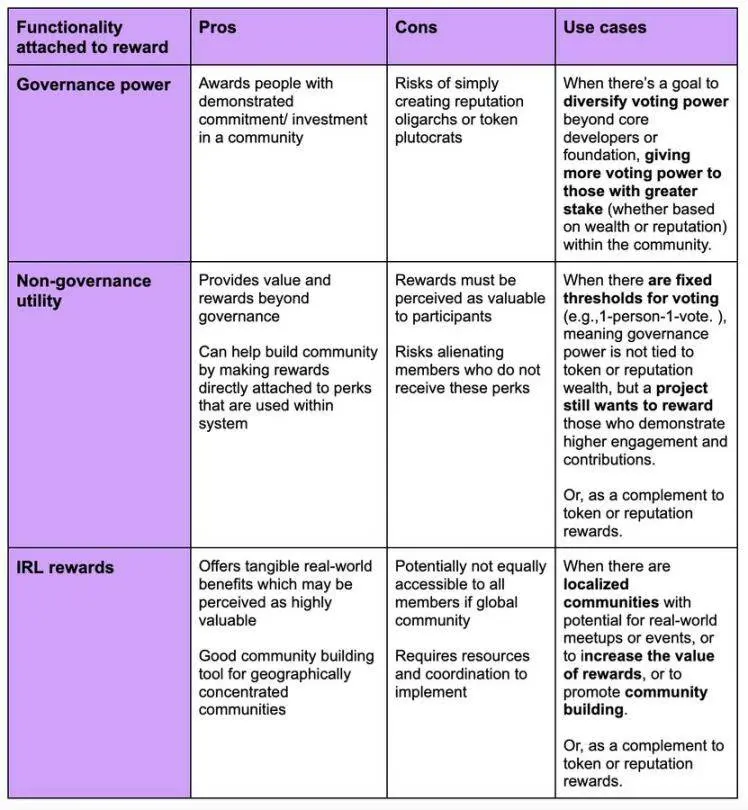
The goal is to establish a trend that transcends the activity itself.
Conclusion
What distinguishes a flash in the pan from long-term success? A genuine connection with users. Those programs that endure are somewhat different; they resource participation.
When points feel like progress rather than rewards, users stay. The best programs also help users learn, connect, and contribute, allowing the system to begin operating on belief. The best programs of 2024 will make "a sense of belonging" the reward. Users are no longer just chasing numbers; they are co-shaping something.
Moreover, a good points program first does not look like marketing; it feels like a community has found its rhythm. When done right, people will ride out the bear market with you, defend you during the project's quiet times, and help build the future. Mess it up, and all you have is a peak on a dashboard that disappears overnight. ```
 Risk warning Risk warning


Popular articles





