








Daily Observation of Cryptocurrency Concept Stocks: Shopify Activates Millions of Merchants' "Deposited Gold," Goldman Sachs Begins Enterprise-Level RWA Treasury Testing

 Released on April 6, 2026. The market focus over the weekend shifted from the "lone wolf buying coins" of individual companies to the "bulk empowerment" of ecosystem-level platforms. Shopify is enabling millions of e-commerce merchants worldwide to automatically monetize their income through plugins, while Goldman Sachs is allowing idle corporate funds to efficiently earn interest on-chain through RWA (real asset tokenization).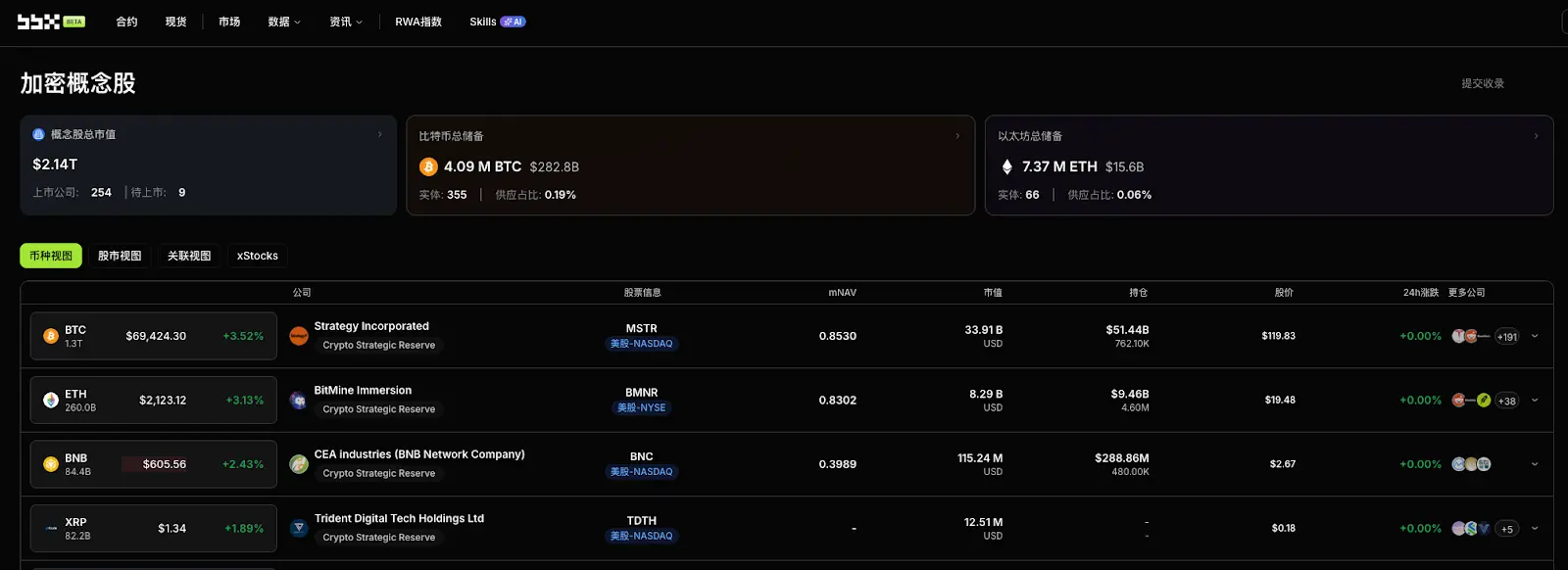
1. The Penetration of E-commerce Infrastructure: Shopify (NYSE: $SHOP) Tests Merchant-Level Automatic Investment
Last night (April 5), global e-commerce SaaS giant Shopify disclosed a new merchant-side testing plugin called "Treasury Auto-Pilot" in its developer community.
This feature is similar to previous actions by PayPal but goes deeper: it allows millions of small and medium-sized retailers using Shopify's checkout system to set a specific percentage of their daily net sales (for example, 2%) to be automatically converted into Bitcoin and deposited into their linked compliant cold wallets. Shopify's action yesterday directly decentralized the "Bitcoin treasury strategy" from the skyscrapers of Nasdaq to the cash registers of ordinary global merchants.
2. Asset Tokenization on Wall Street: Goldman Sachs (NYSE: $GS) Launches Enterprise-Level RWA Overnight Vault
As a top investment bank, Goldman Sachs also announced significant internal testing news targeting the treasury pain points of corporate CFOs.
It is reported that Goldman Sachs is inviting select Fortune 500 companies to test its "Tokenized MMF" (Tokenized Money Market Fund). Under this framework, publicly traded companies can not only purchase Bitcoin but also directly tokenize hundreds of millions of idle dollars sitting in banks and place them on Goldman Sachs' compliant private blockchain for overnight interest. More attractively, Goldman Sachs allows these companies to choose to settle the interest earnings of these tokenized funds in Bitcoin. This provides traditional enterprises with an excellent pathway to "earn BTC on interest without consuming fiat principal."
3. Physical-Level Consensus of Telecom Giants: Telefonica (BME: $TEF) and DePIN Treasury Logic
Spanish telecom giant Telefonica disclosed yesterday at a seminar on European Web3 infrastructure that the native token rewards obtained from several decentralized physical infrastructure networks (DePIN) it participates in have officially been recorded as "digital intangible assets" in the company's treasury.
This means that traditional heavy asset companies, such as telecom operators and broadband providers, are earning on-chain native assets by contributing their physical infrastructure (bandwidth, base stations) and retaining them on their balance sheets. This is a completely independent method of treasury expansion that is "physically generated" and not reliant on secondary market trading.
Weekend Review Summary: Infrastructure Empowerment Creates Hidden Buying Pressure
Looking back at yesterday's weekend dynamics, the real highlight is not who spent how much money to sweep the market, but how traffic funnels like Shopify and liquidity funnels like Goldman Sachs are laying down a continuous "automated buying pipeline" for the market. When every transaction in e-commerce and every overnight interest from large enterprises is automatically segmented and converted into Bitcoin, this highly decentralized and extremely stable buying pressure will build the most solid valuation base for cryptocurrencies and stocks in the second quarter of 2026.
Data source: https://bbx.com/ Cryptocurrency concept stock information database, compiled based on yesterday's announcements from global listed companies and SEC/TSE disclosure documents.
 Risk warning



Popular articles





