Scan to download
BTC $77,110.94 +2.84%
ETH $2,409.50 +3.12%
BNB $644.02 +2.37%
XRP $1.47 +2.76%
SOL $88.48 +0.33%
TRX $0.3274 +0.42%
DOGE $0.0988 +0.88%
ADA $0.2580 +1.05%
BCH $454.39 +1.20%
LINK $9.61 +1.91%
HYPE $44.74 +2.39%
AAVE $115.11 +1.31%
SUI $1.00 +1.78%
XLM $0.1744 +5.02%
ZEC $334.89 +0.29%
BTC $77,110.94 +2.84%
ETH $2,409.50 +3.12%
BNB $644.02 +2.37%
XRP $1.47 +2.76%
SOL $88.48 +0.33%
TRX $0.3274 +0.42%
DOGE $0.0988 +0.88%
ADA $0.2580 +1.05%
BCH $454.39 +1.20%
LINK $9.61 +1.91%
HYPE $44.74 +2.39%
AAVE $115.11 +1.31%
SUI $1.00 +1.78%
XLM $0.1744 +5.02%
ZEC $334.89 +0.29%

bip

Bitcoin developers proposed BIP-361 to combat potential future quantum attack risks

One of the Bitcoin contributors, Jameson Loop, along with other cryptographers, has proposed an initiative that may force Bitcoin holders to migrate their tokens to new quantum-resistant addresses, or else their tokens will be permanently frozen by the network itself. In this scenario, holders technically still own these coins but will lose the ability to transfer them. This is known as Bitcoin Improvement Proposal BIP-361, which was updated on Tuesday in Bitcoin's official proposal repository, titled "Post-Quantum Migration and Old Signature Retirement."BIP-361 builds on the BIP-360 proposal introduced in February. BIP-360 introduced a soft fork (a type of network upgrade) aimed at enabling a new transaction type called "Pay to Merkle Root" (P2MR). This approach draws on Bitcoin's Taproot (P2TR) framework but removes key-based spending paths, thereby eliminating an element widely considered to pose risks in the quantum era.The BIP-361 proposal divides the migration into three phases. Phase A starts three years after activation and prohibits anyone from sending new bitcoins to old, quantum-vulnerable addresses. You can still spend from these addresses, but you cannot receive any coins. Phase B starts five years after activation and will render old signatures (ECDSA and Schnorr) completely ineffective, with the network rejecting any attempts to spend coins from quantum-vulnerable wallets.Essentially, your coins will be frozen. Finally, there is Phase C, which is a rescue plan still under research: holders of frozen wallets may potentially prove ownership through zero-knowledge proofs (a method of proving knowledge of a secret without revealing the secret itself). If successful, the coins frozen in Phase B can be recovered.

The Bitcoin network has seen the first block supporting BIP-110, which has sparked controversy over the restriction of on-chain data usage

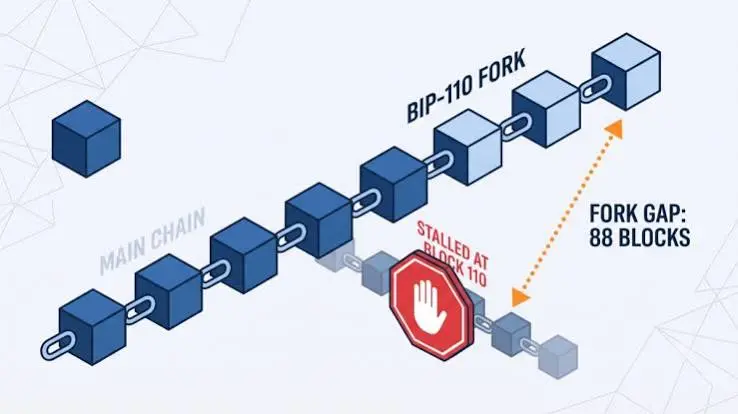
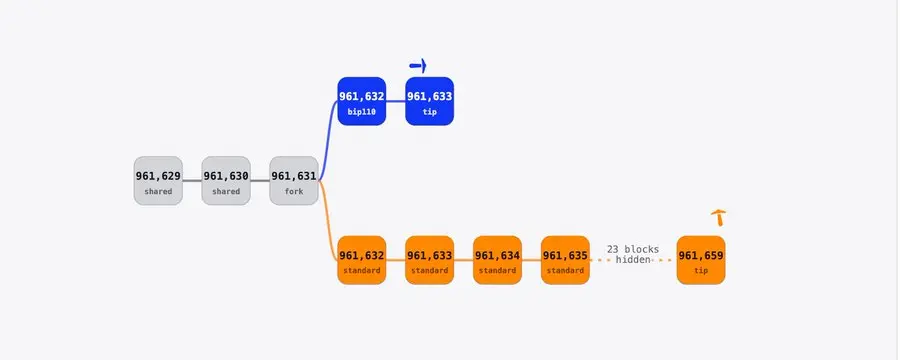
According to market news, the Bitcoin network has seen the first block supporting the BIP-110 proposal, mined by the Ocean pool. This proposal aims to limit arbitrary non-financial data in blockchain transactions through a temporary soft fork over approximately one year. Supporters believe this can curb "junk" data that occupies block space, protect Bitcoin's role as a robust monetary infrastructure, and alleviate the burden on node operators. The proposal has sparked intense controversy within the community.Critics, including Blockstream CEO Adam Back, warn that intervention at the consensus layer could undermine Bitcoin's credibility, lead to discriminatory treatment of transactions, and violate the principle of transaction capacity neutrality. He also questioned the actual support for the proposal, stating it could increase the risk of blockchain splits.The controversy escalated further when a developer embedded a 66KB image in a Bitcoin transaction to oppose the core claim of BIP-110, demonstrating that a large amount of data can be encoded even without relying on OP_RETURN. This debate highlights the long-standing ideological divide within the Bitcoin community: whether to staunchly defend Bitcoin's pure positioning as a currency or to maintain maximum neutrality regarding arbitrary uses at the base layer.

Galaxy Research Director: Key hearing on cryptocurrency market structure legislation next week, bipartisan lawmakers may propose amendments

Galaxy Research Director Alex Thorn posted on the X platform that a key hearing in the legislative process for cryptocurrency market structure will take place next week. Republican members of the Senate Agriculture Committee have released a discussion draft of the "Digital Commodities Consumer Protection Act." This bill is expected to be merged with related legislative content completed by the Senate Banking Committee to form a comprehensive "Cryptocurrency Market Structure Act."As the Senate Agriculture Committee is responsible for overseeing the U.S. Commodity Futures Trading Commission (CFTC), this draft primarily focuses on the digital commodities market, with the core content being to grant the CFTC exclusive regulatory authority over the spot cryptocurrency market, including cryptocurrency trading platforms, dealers, and brokers. The committee plans to hold a hearing on the bill's amendments on January 27 (Tuesday), during which bipartisan lawmakers may propose amendments. Although the commodity attributes section (including the CFTC's regulatory authority over the spot market) is generally considered less controversial than the securities attributes section in the cryptocurrency market structure discussions, this discussion draft still carries a noticeable partisan tone. It has not yet received the endorsement of key Democratic negotiators, although many provisions previously negotiated with Democrats have been included. Overall, the legislative text from the Senate Agriculture Committee aligns with market expectations, with its core being the establishment of a regulatory framework for the digital commodities spot market centered around the CFTC. Compared to the related topics being discussed by the Senate Banking Committee, this version has a narrower scope and is relatively less politically sensitive and controversial.
app_icon
ChainCatcher Building the Web3 world with innovations.