Former UK Prime Minister Johnson reiterated skepticism about Bitcoin, stating that no one is responsible for it
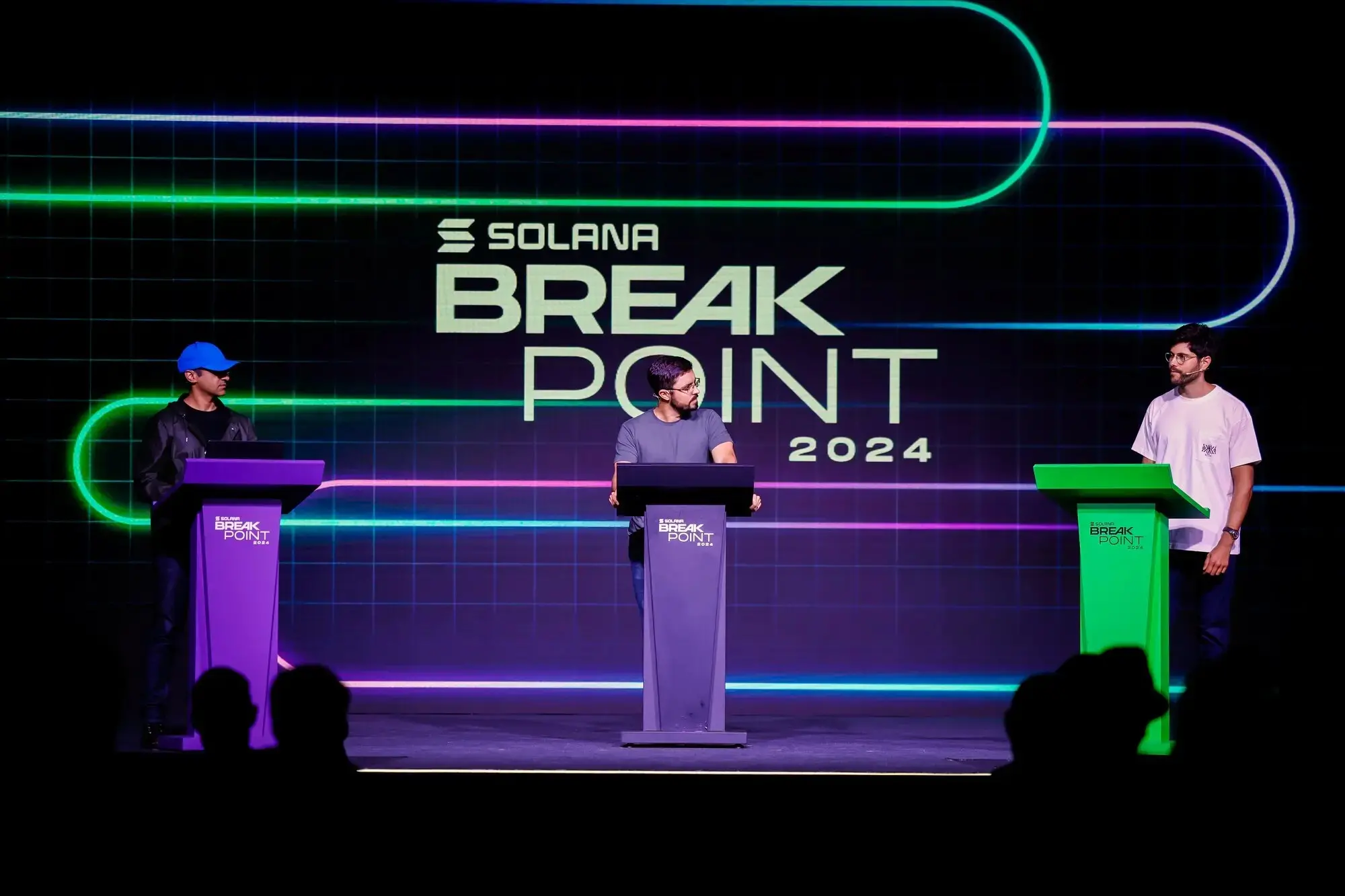
According to Decrypt, former UK Prime Minister Boris Johnson stated at the Solana Breakpoint conference held in London that he remains skeptical about Bitcoin, saying he cannot see who is responsible for the world's largest cryptocurrency. "As far as I know, no one knows who is in charge except Satoshi Nakamoto, and I don't know where to find him." He deliberately mispronounced Satoshi Nakamoto's name as "Yakimoto Nakasori" and expressed that if a large amount of funds were stolen from a cryptocurrency, he wouldn't know whom to approach or how to recover them.Johnson's remarks respond to his labeling Bitcoin as a "giant Ponzi scheme" in a Daily Mail column earlier this March. Strategy Executive Chairman Michael Saylor refuted on social media at the time, stating that a Ponzi scheme requires a central operator to promise returns and pay early investors with the funds of later investors, whereas Bitcoin has no issuer, no promoter, and no guaranteed returns. Johnson admitted on stage that he is "not a crypto enthusiast" and holds almost no crypto assets, influenced by a person from a village in Oxfordshire who keeps investing more to recover losses.Johnson also distinguished Bitcoin from the underlying blockchain technology, stating that his "Luddite anxiety" about Bitcoin does not mean he wishes to slow down blockchain development; London should take the lead in this technology, and the UK must be at the forefront of asset tokenization.Speaking at the same event, Conservative Member of the House of Lords Ross Kempsell stated that the UK is "on the eve of establishing a large number of regulatory rules," involving the regulatory boundaries of the Financial Conduct Authority (FCA) and the Bank of England's stablecoin framework. He cited an FCA survey indicating that currently about 8% of UK adults hold crypto assets, down from 12% in 2024, but there is still significant room for high-growth industries within the compliance boundaries.