








What is the role of NFTs in the Curation economy?

 I am thinking about the theme of the Curation economy.
Author: Fat Cat Library's Meow Biter
What is curation?
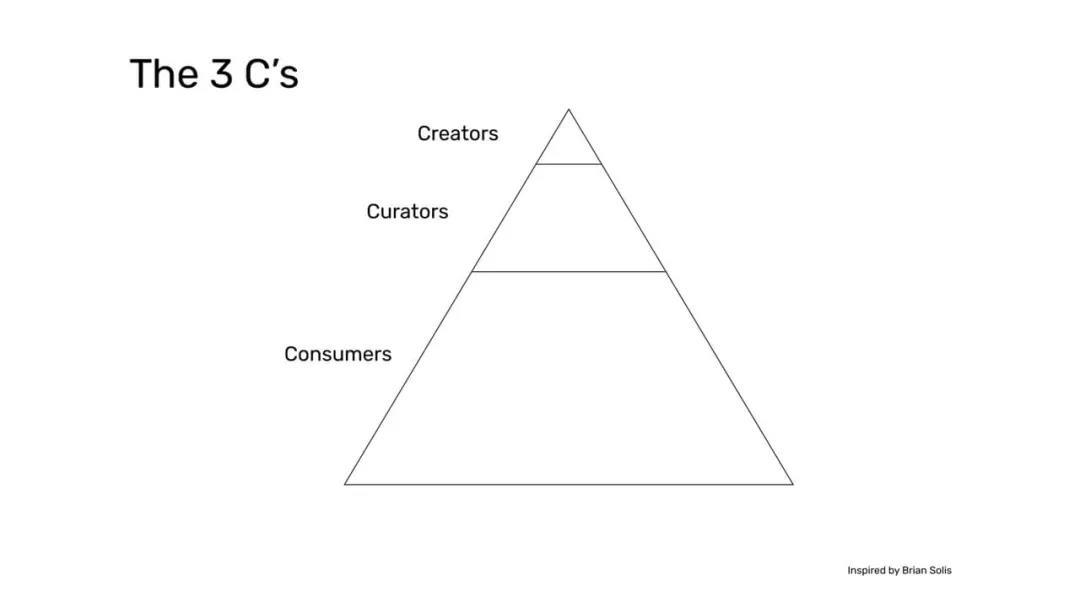
The term curator is not easy to explain; they exist between creators and consumers, much like the 3C pyramid shown in the image below. Curators are the ones who organize and weave information in the middle, and you can also understand them as "exhibitors" of information.
We can even trace back further—the classic examples of successful curation businesses are record stores and bookstores, or some current boutique stores. Examples in the tech field include Spotify (curation for music) and Netflix (curation for TV and movies).
In social media, curators are not new participants; they have existed for a long time. For example, when writing a thread on Twitter, you first introduce a topic and then select suitable information streams to explain your viewpoint, linking and citing various sources along the way. At this point, you are a curator.
In social media, curators are the maintainers of interest graphs; they are the filters of information. By discovering, liking, organizing, connecting, and sharing content online, curators invest in their interest graphs and define their relationships. The social capital of curators is gained by limiting, filtering, and refining relevant content.
Characteristics of the curator economy
Shifting from social graphs to interest graphs
When we like and evaluate interesting content, it serves as an expression of our interests while also advertising for the creators. Social graphs showcase personal network relationships (friends and family), but curators maintain an "interest graph" centered around popular topics. The establishment of interest graphs connects individuals with the most aligned people and information regarding their key topics of focus.
Ways of monetization
Although these curators who weave interest networks are not creators, their role is crucial in the network economy. Currently, there are no mechanics to incentivize them, so they generally sustain their curation work through paid newsletters or by creating paid communities (like Knowledge Planet, Little Honey Circle, etc.).
Why curate?—Three laws
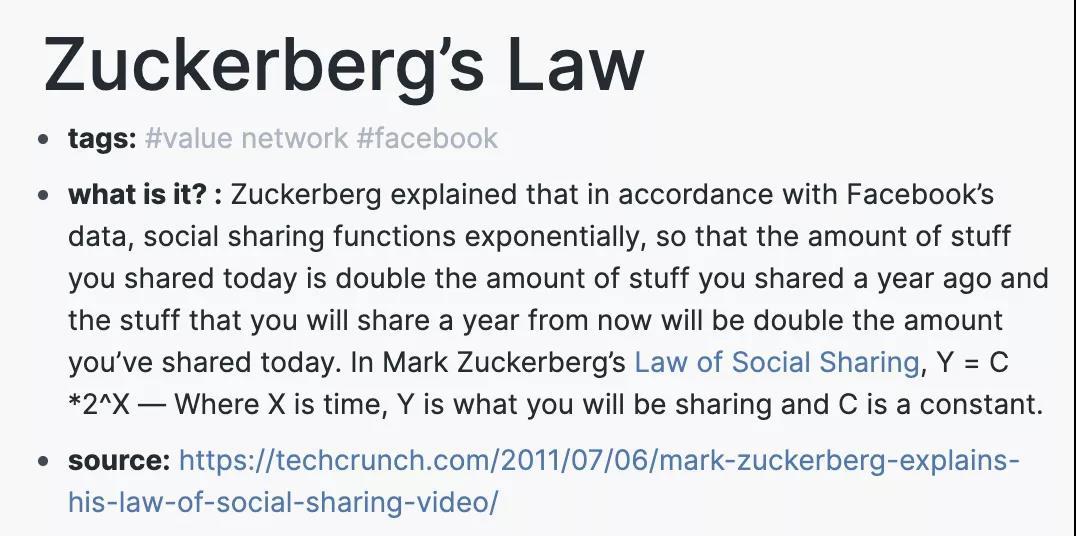
[[Zuckerberg's Law]]
According to Facebook data, Zuckerberg summarized a law of social sharing in 2011: the content you share today is twice that of last year, and similarly, a year from now, you will find that the content you share is double what you share today. People will share more and more content on social media.
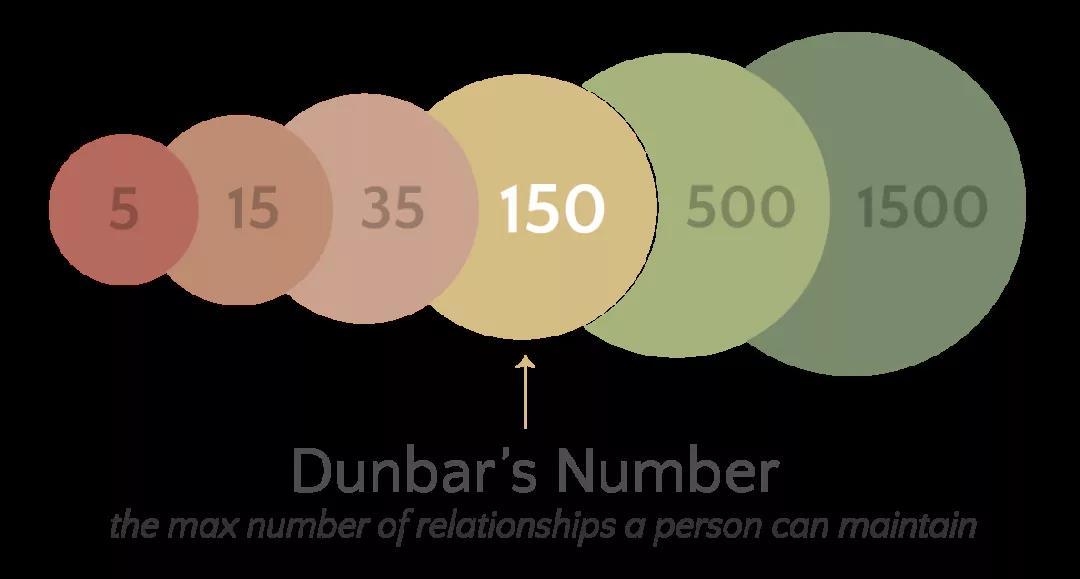
[[Dunbar's number]]
The average number of social relationships a person can manage over time is 150.
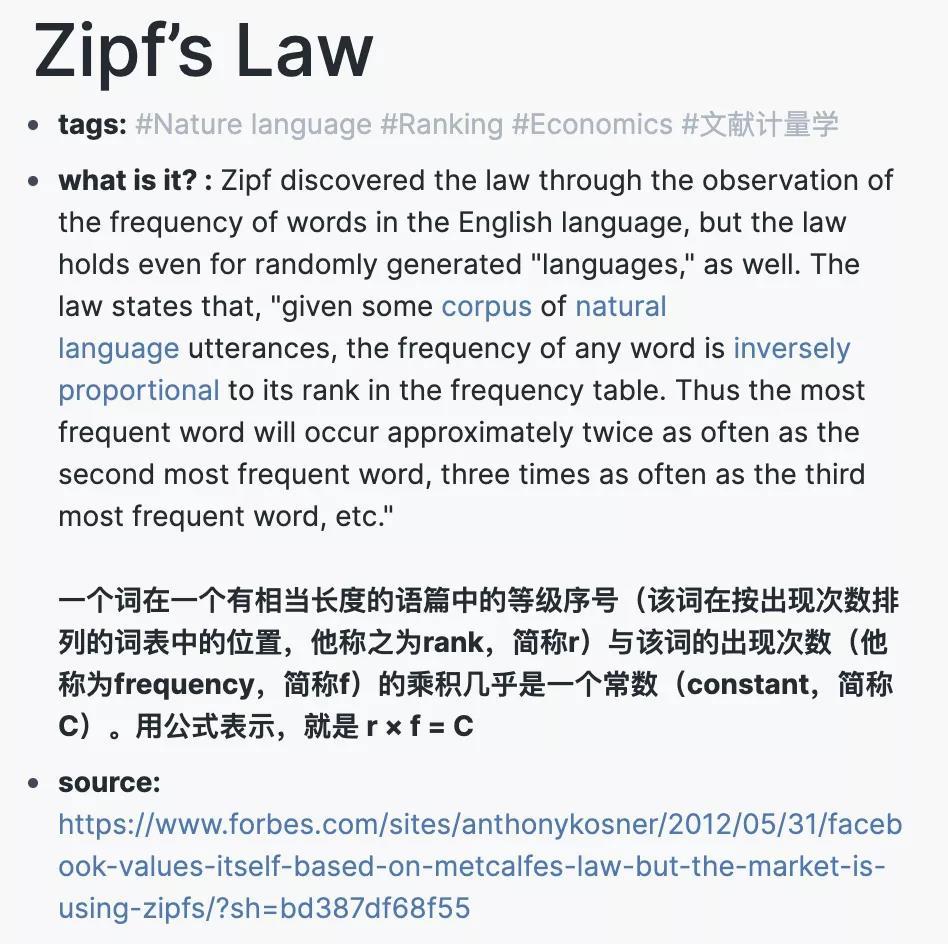
[[Zipf's Law]]
In any resource system, there are a few high-value items and many low-value "long tail" items. Content also needs its own merchants to sell it. For example, the internet currently follows the 20/80 rule, where 20% of the top content receives 80% of the traffic.
The trends reflected by these three laws will increasingly highlight the value of the curator group and necessitate the scaling of this group:
How do individuals cope with information overload? --> Curators are needed to filter information;
How can 80% of creators also be seen? --> Curators are needed to discover and activate them;
How to find interest-based social relationships? --> Curators are needed to weave interest networks centered around individuals.
Some attempts in the curation economy?
Decentralization
One way to scale curation is to decentralize it. Jack Dorsey mentioned in explaining his upcoming decentralized social media project Bluesky that it would allow Twitter to establish "open recommendation algorithms to promote healthy dialogue," thus relieving Twitter of responsibility for the content on its platform. At that time, content moderation/curation would be incentivized by some open protocols, allowing users to decide how to monetize their likes, ratings, or reports.
Why is this beneficial for Twitter? It will enable us to access and contribute to a larger public dialogue corpus, focus on building open recommendation algorithms that promote healthy dialogue, and force our innovation capabilities far beyond the past.
--Jack Dorsey
These companies are slowly learning what Wikipedia showed privately-owned encyclopedias: that the only way to scale curation is by decentralizing it.
Some protocols and products to incentivize curators
[[the graph]]
A radical example is GRT (the graph), where users stake GRT to subgraphs and earn rewards when those subgraphs are queried (accessed) and referenced.
[[YUP]]
Yup is a curation protocol that rewards curators for likes and evaluations on the web with $YUP. For example, each Twitter like is weighted based on the influencer's impact, granting a token value that is distributed to the tweet's author and all previous curators. This incentivizes users to accurately like and evaluate while distributing rewards to the most socially valuable content, with each user and URL corresponding to an impact score (out of 100). So far, the protocol has collected over 480,000 likes/ratings and distributed over $170,000 in YUP rewards.
This mechanism has now expanded to NFT art, allowing artists and their collectors to earn YUP rewards for their works. Specifically, the Yup protocol tracks all on-chain ownership data related to each NFT and links to them via URLs. In the future, when the NFT is liked on any site or platform, curators will receive rewards.
[[JPG]]
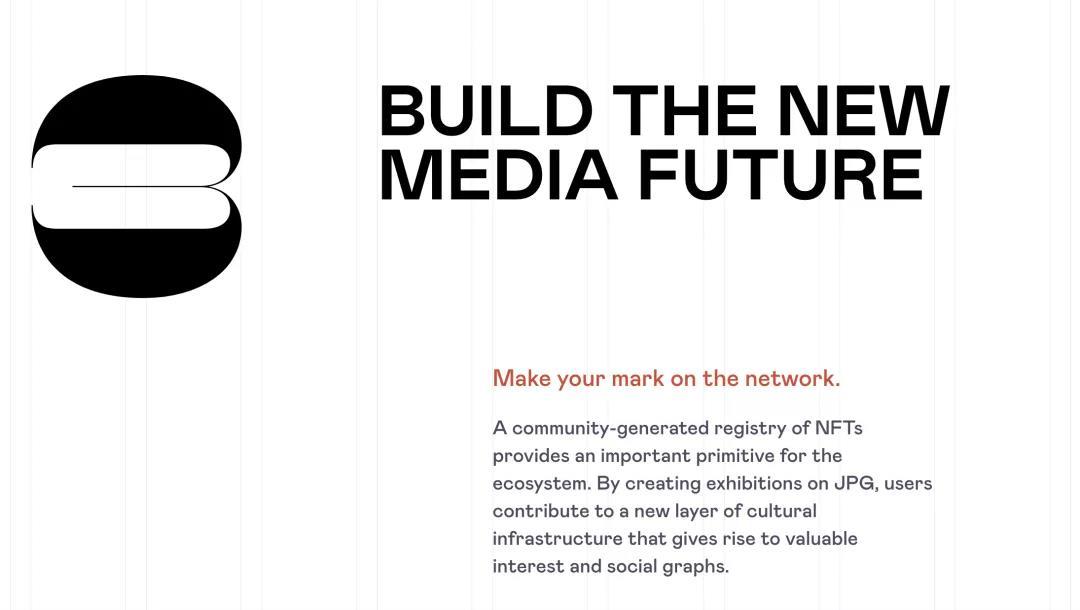
JPG is an NFT curation protocol. If NFTs are the registration entry for global media, then JPG aims to be the registration entry for curation, encouraging people to discover and curate NFTs. In other words, if you collect works or do joint exhibitions through the JPG protocol, it is recorded on-chain, forming an interest graph.
[[Konqr.audio]]
Not many people may know about the product Konqr.audio, but one point in its narrative caught my attention.
IMO Music in Web3 will still be infinite and free, but crypto allows us to re-create scarcity somewhere else: to licenses. ------Matlemad, founder of Konqr.audio
In the digital economy, what is scarce is never media, but licenses. As users, we can still enjoy music, images, and videos for free, while those curators who like, promote, transport, and share them will be compensated.
[[Dataverse]]
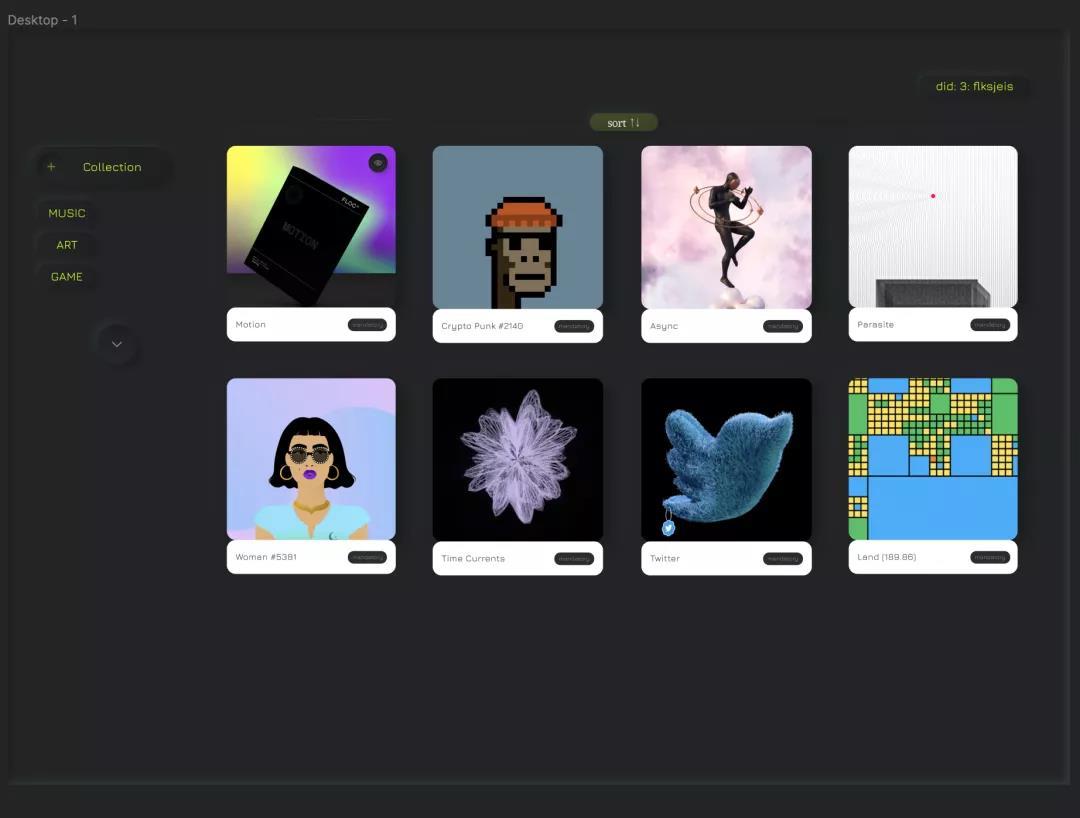
OwnershipLabs is developing a Google Chrome-based plugin called dataverse, which helps NFT enthusiasts collect various NFTs they favor into their personal space based on preferences, categorize them, and create albums for more curation activities within that space.
In summary, besides the networks formed by NFT owners, a community around a creator—a curation network—is forming. If every curation can be seen and traced, creators can purposefully design incentives around these two groups, thanking those who genuinely care about their work (curators and owners). The relationship among the three can be better integrated.
Flicka: Speaking of incentivizing the three parties, it reminds me of the "DADA Art Creation Social Network" - https://dada.nyc/home
Chain-style creation
Artists create a painting and then wait for others to respond, but the response can only be in the form of another painting. Moreover, the responding artwork must be inspired by the previous one, forming an interesting connection and dialogue.
A fairer art economy system
Users can earn DADA tokens based on valuable community behaviors (such as creating works, providing suggestions for others' works, time spent creating, etc.). Artists do not directly participate in the market; their work's revenue goes 100% into the DADA reserve fund, which will then redistribute income to users holding DADA tokens based on the upcoming intangible economic model initiated by DADA.
Jessie:
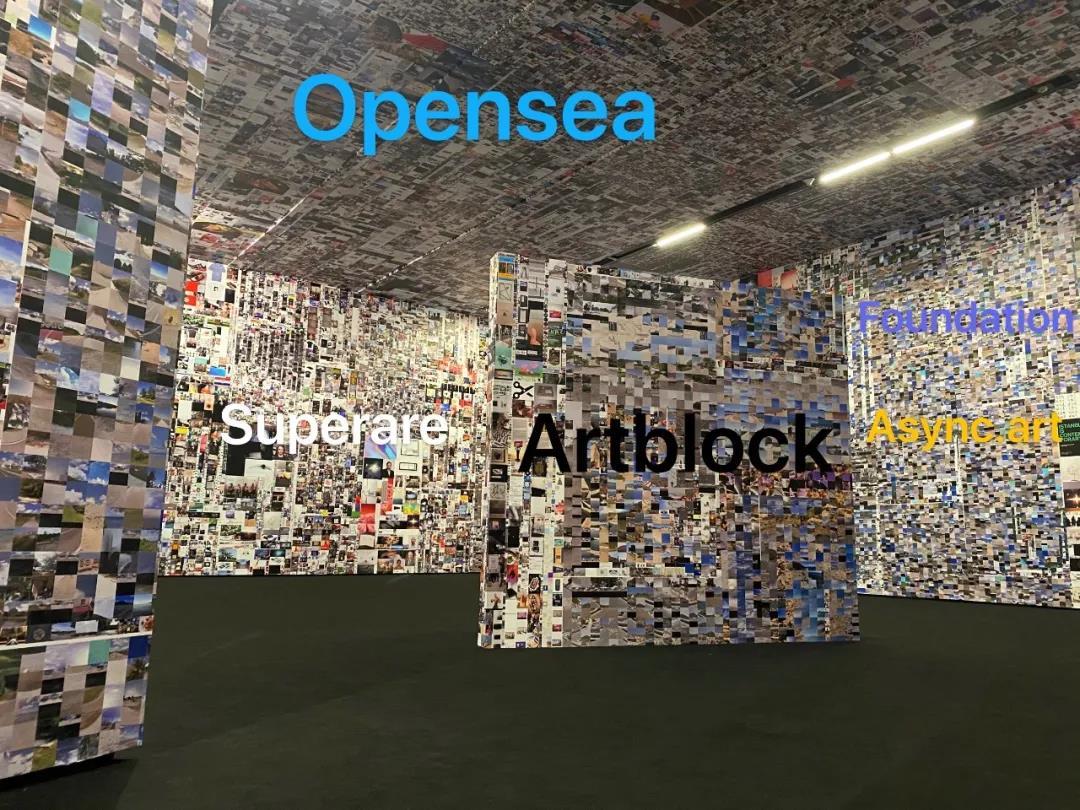
What role do NFTs play in the curation economy? We mentioned earlier that the scaling of curation relies on decentralization. If we assume that NFTs will serve as the global media registration entry itself, are they not playing the role of the decentralized social media that Jack Dorsey wants to create? If so, our curation of information would mean curating NFTs.
❝Public blockchains will be the title registries for everything of value. Ultimately, NFTs will authenticate the world. ------ naval❞
NFTs are not just financial assets; they are ideas and people, gathering those with similar interests/minds.
❝NFTs are first and foremost cultural, yet they've mostly been mediated as financial assets in the ecosystem to date.❞
--William M. Peaster from bankless
I believe the motivations for curating NFTs will be very diverse, not only driven by interest circles and speculation but also by knowledge management needs, among others. We need to design useful tools for these diverse needs and continuously pay attention to their combinability.
Sese:
I was thinking that if I were to visit your space, I would want to see your notes on NFTs, just like your analysis of Takensthereom's works and their potential value.
OwnershipLabs
Dataverse Curation Log: Is Curation More Than Just Collecting? What Does Jessie's Space Have? Follow Ownershiplabs and let's go treasure hunting in the #NFT world.
Video account
This becomes a space similar to a public account where everyone can publish their curation notes, a self-media space UGC (User Generated Content → User Generated Curation). There is no need to publish lengthy articles like in public accounts; it can be like literature notes, conceptual and inspirational, which everyone can achieve.
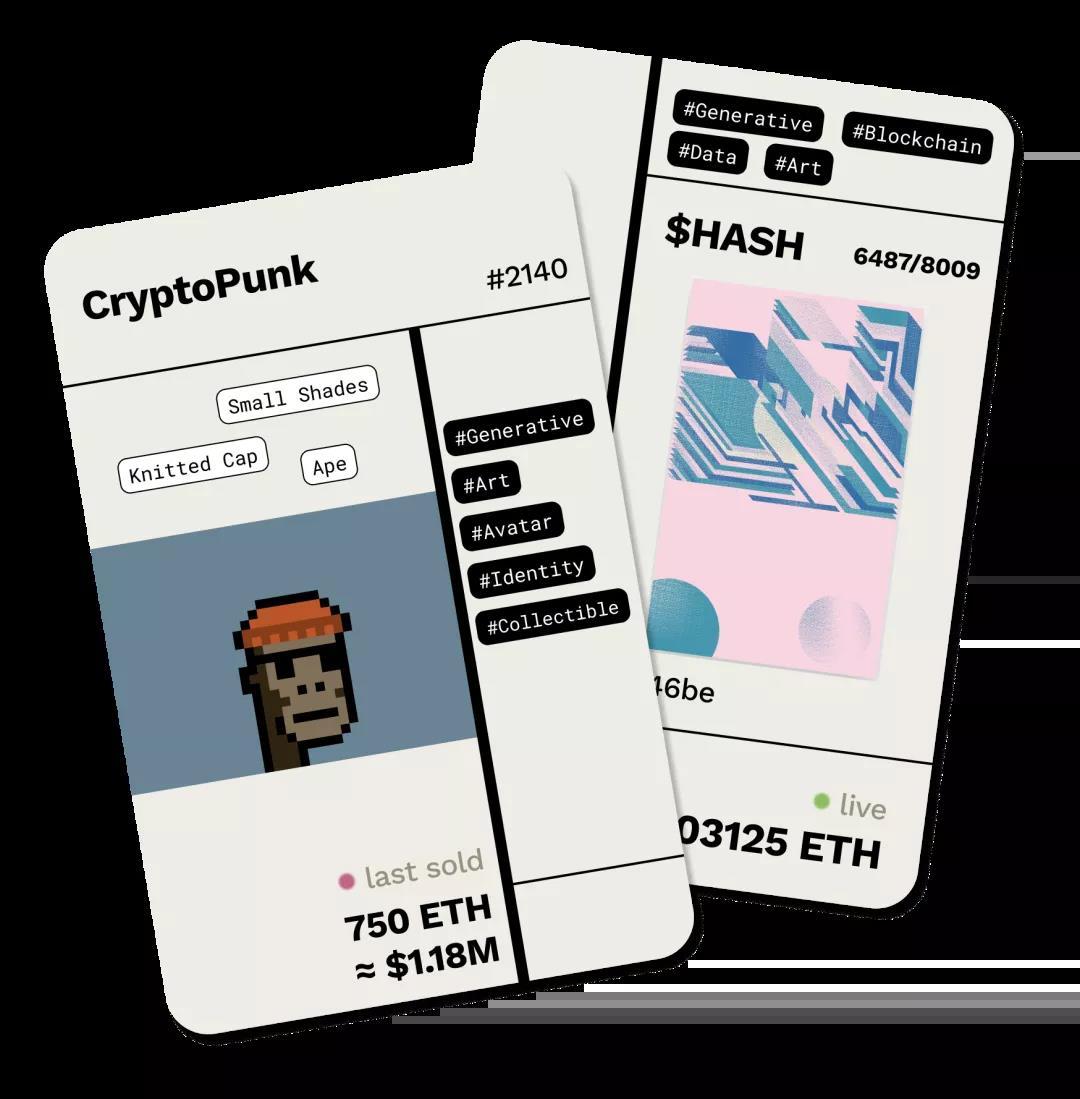
We need to break away from traditional (existing media forms that you are not interested in). I'm not sure if this narrative will interest everyone, but perhaps it has the potential to become: a distributed self-media space for NFT curation.
 Risk warning
 Risk warning


Popular articles





