IPOR: The leading interest rate swap protocol in DeFi, will it become the next "Pendle"?
 History does not simply repeat itself; it merely rhymes with the same endings.
Author: Deep Tide TechFlow
The approval of Bitcoin ETFs will bring the crypto market into the public eye more quickly. This not only attracts the attention of traditional finance (TradFi) but also brings unprecedented opportunities for DeFi — as the two worlds gradually merge, incremental funds and new market opportunities are waiting to be explored.
Among these, the opportunities in real-world assets (RWA) have already emerged. What other sectors are worth paying attention to? Interest rate swaps may be an overlooked opportunity.
Most crypto players are concerned about how to effectively manage the risks brought by volatility while pursuing high yields in DeFi; interest rate swaps are an effective financial tool that allows people to manage the uncertainty of borrowing rates.
A commonly overlooked hot knowledge is that the interest rate swap market is the second-largest financial derivatives market globally, operating quite maturely; however, in DeFi, this market remains a blue ocean.
And IPOR is currently the only interest rate swap protocol in the crypto market, bringing a crucial market mechanism from traditional finance into DeFi ; it provides the IPOR index and related interest rate derivatives, offering stability to participants in the fixed income market in DeFi, enabling them to effectively cope with the risks of interest rate changes.

Focusing on and participating in leading projects in a particular sector often allows for capturing more returns in advance; however, the professional financial concept of "interest rate swaps" has a certain understanding threshold, making it difficult for ordinary readers to grasp quickly, let alone engage in practical operations and research.
Therefore, in this issue, we will provide an accessible interpretation of IPOR and the role of interest rate swaps, comprehensively delving into this groundbreaking financial tool in the DeFi space and exploring its enormous untapped value.
The Interest Rate Swap Market Will Bring More Liquidity to DeFi
So, what exactly is an interest rate swap?
You can simply understand it as a risk management strategy that allows different parties to swap their borrowing rate conditions to cope with the uncertain changes in future market interest rates.
If this still seems confusing, consider the following more relatable example.
Alice and Bob are both coffee shop owners, but they pay their shop rent in completely different ways. Alice's rent fluctuates with the market, meaning it skyrockets during good economic times and may decrease during poor economic times; in contrast, Bob's rent is fixed, regardless of market changes.

Facing potential economic fluctuations, Alice worries that future rent increases will lead to higher costs, while Bob is concerned that he won't be able to reduce expenses when rent decreases.
To control the potential impact of future rent changes, they decide to make a "swap."
In this "swap," Alice agrees to pay Bob a fixed rent amount, while Bob agrees to pay a variable amount linked to market rent.
This way, if market rent rises, Alice does not need to pay extra because she has locked in a fixed lower price; similarly, if market rent falls, Bob's total payment will also decrease because he is now bearing the variable cost.

Now, let's relate this story to the interest rate swaps in the financial market:
Alice and Bob's "rent" is actually the "interest rate" in the financial market.
Their respective concerns about rising or falling costs reflect the worries of market participants about future interest rate fluctuations.
By "swapping" rents, they are essentially conducting an interest rate swap — fixing a stable payment flow to hedge against future interest rate uncertainties.
In fact, interest rate swaps in traditional financial markets allow borrowers with floating rate loans to swap rates with borrowers holding fixed rate loans. Such agreements enable each party to choose a more suitable interest rate model based on their predictions about future market developments and risk tolerance.
In traditional finance, this market operates maturely and is vast.
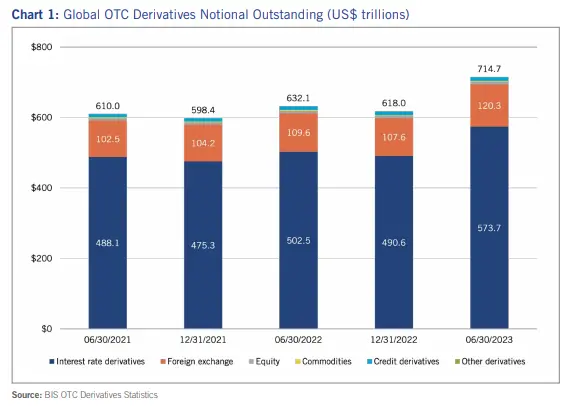
According to the Bank for International Settlements (BIS) report on the over-the-counter derivatives market data released at the end of 2023, as of the first half of 2023, the nominal total of outstanding interest rate derivatives was $573.7 trillion, making it the largest market in global financial derivatives, highlighting its prevalence.
However, in DeFi, the interest rate swap market currently faces a blue ocean.
According to DeFi Pulse statistics, the total TVL of all interest rate swap products in DeFi is only $600 million, a relatively small segment among DeFi products; currently, the vast majority of DeFi products primarily offer fixed income and cash markets (short-term lending).
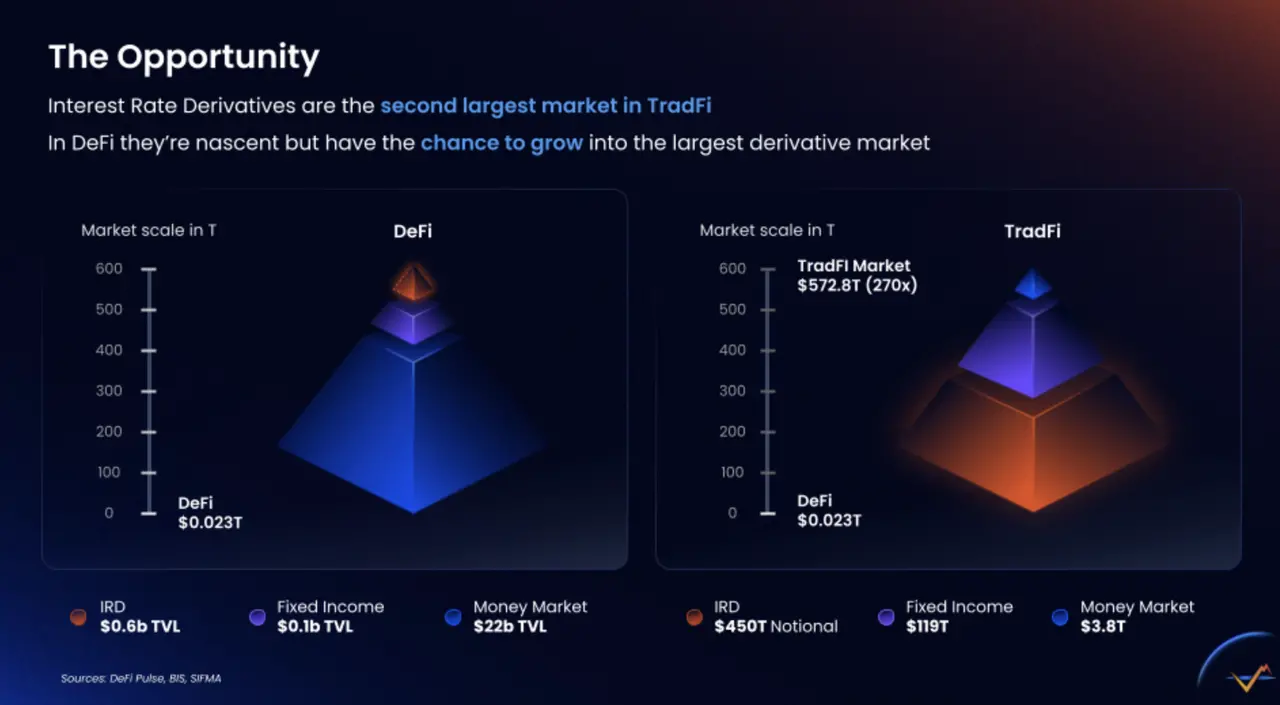
In other words, the interest rate derivatives market in DeFi is still in its infancy. A financial tool that operates on a fundamentally similar principle and is widely used in traditional financial markets has undoubtedly undergone market selection and testing; while the volatility of borrowing rates in DeFi is greater, capital utilization is more critical, and reasonable risk management and yield balancing tools are more necessary, the interest rate swap market undoubtedly has enormous potential in DeFi.
Therefore, IPOR aims to seize this opportunity to promote DeFi towards a new financial layer of evolution and maturity.
In the DeFi market, IPOR plays a similar role. It provides a transparent and trustworthy platform that allows the aforementioned Alice (users seeking stable borrowing costs) and Bob (users willing to take on some interest rate risk for potentially higher returns) to engage in interest rate swaps.
It is worth mentioning that the name IPOR actually reflects the ability and willingness to bring popular derivative tools from traditional financial markets into DeFi:
The name IPOR (Inter Protocol Over-block Rate) is inspired by traditional financial benchmarks such as LIBOR (London Interbank Offered Rate) and SOFR (Secured Overnight Financing Rate), adapting them to the DeFi environment.
The "Block" in the name signifies the collection of data block by block on the blockchain, reflecting market interest rates as close to real-time as possible.
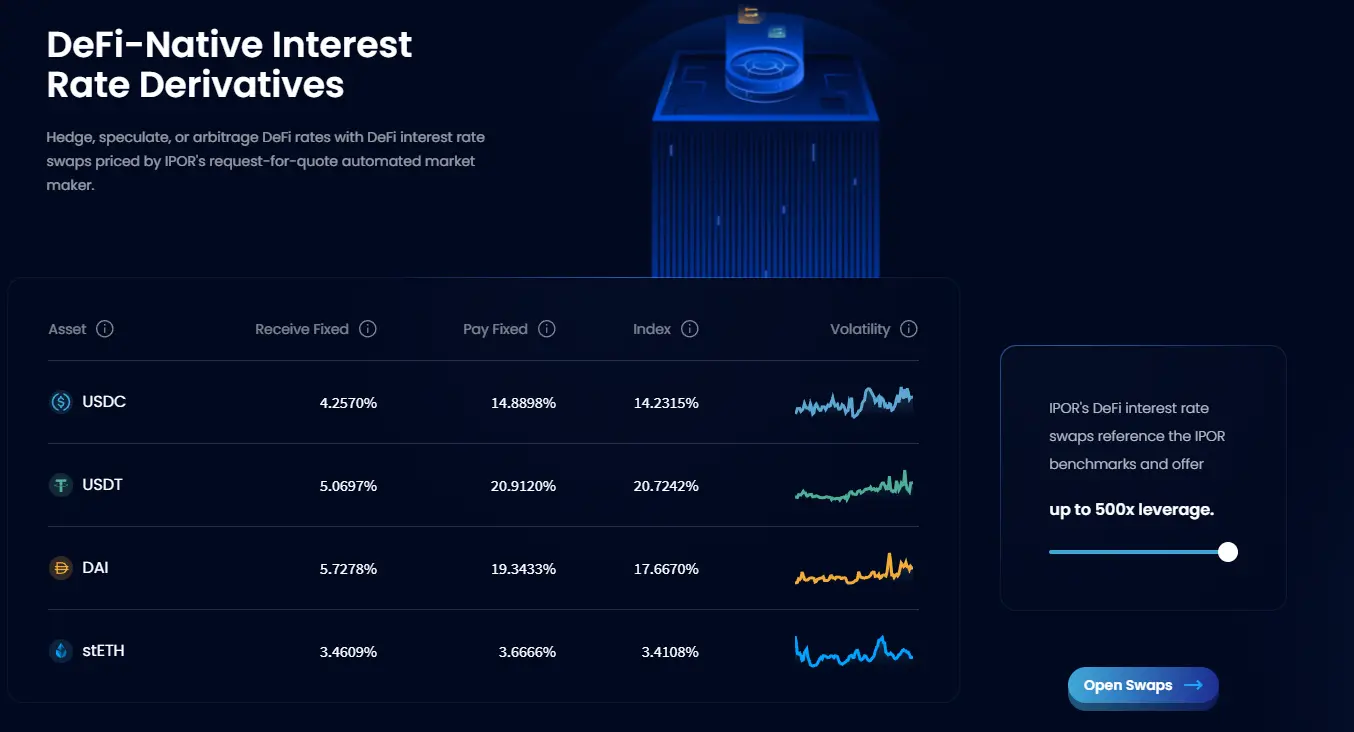
In IPOR, you can not only deposit, stake, and earn yields, but also use your crypto assets for borrowing, enjoying the optimal rate combinations from fixed rates to leveraged rates; at the same time, through the native DeFi interest rate derivatives trading methods provided by IPOR, you can effectively hedge, speculate, or arbitrage against DeFi's borrowing rates.
From Complexity to Simplicity: Quickly Understanding IPOR's Product Structure
However, interest rate swaps still seem quite complex for the average novice user.
IPOR simplifies the complex interest rate swap mechanism and forms three more easily understood and common elements for DeFi players: market index, AMM pool, and smart contracts.
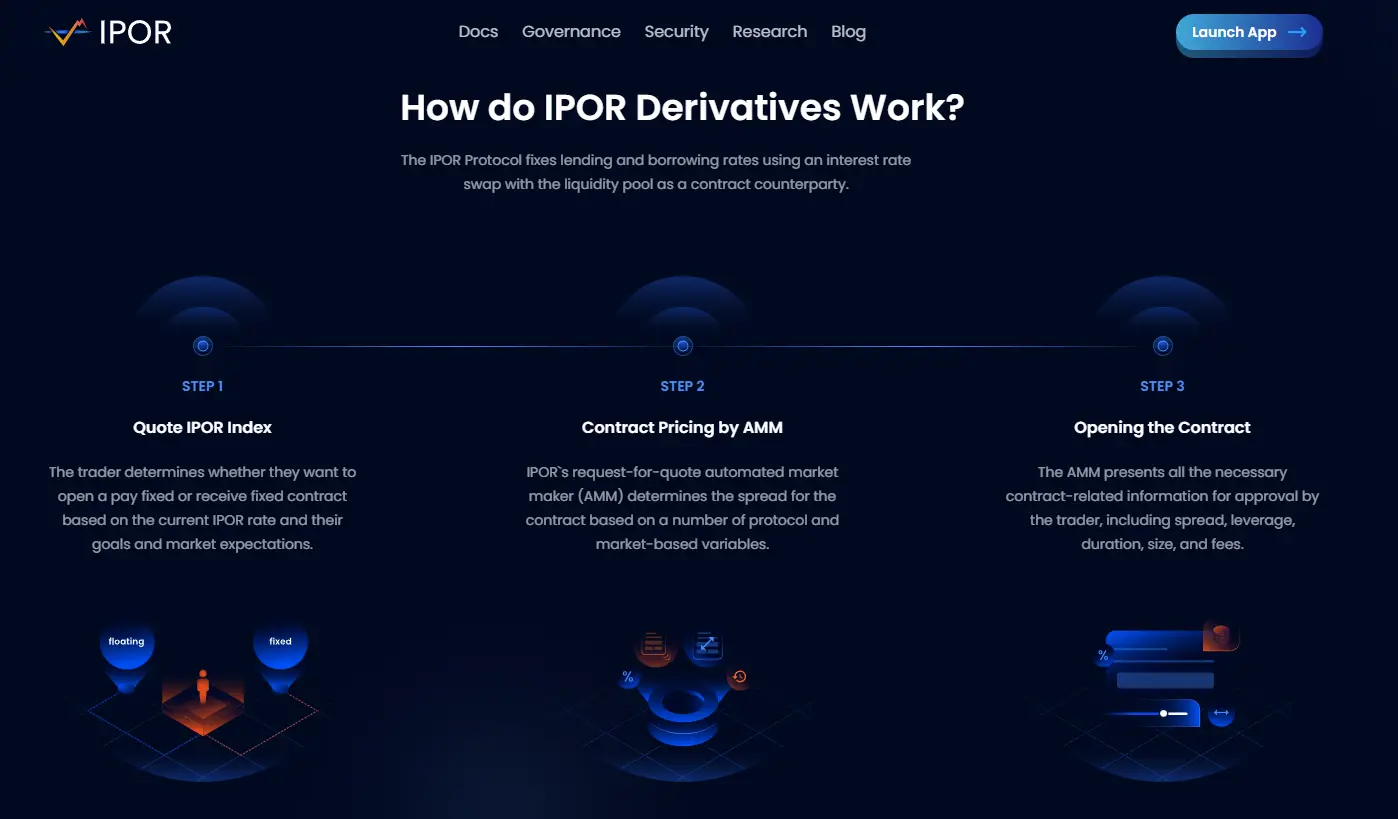
- IPOR Index: Creating a "Benchmark Rate" for Crypto Assets, Hearing the "Heartbeat" of DeFi
The premise of an interest rate swap is to have a "reference" as a comparative benchmark.
The IPOR index provides a transparent, on-chain data-based benchmark rate, offering users a reference when engaging in borrowing or derivatives trading. Similar to traditional financial benchmarks like LIBOR or SOFR, the IPOR index provides corresponding risk-free rates for various crypto assets (currently supporting stEth, USDT, USDC, and DAI), and these indices are updated regularly to reflect the latest market conditions.
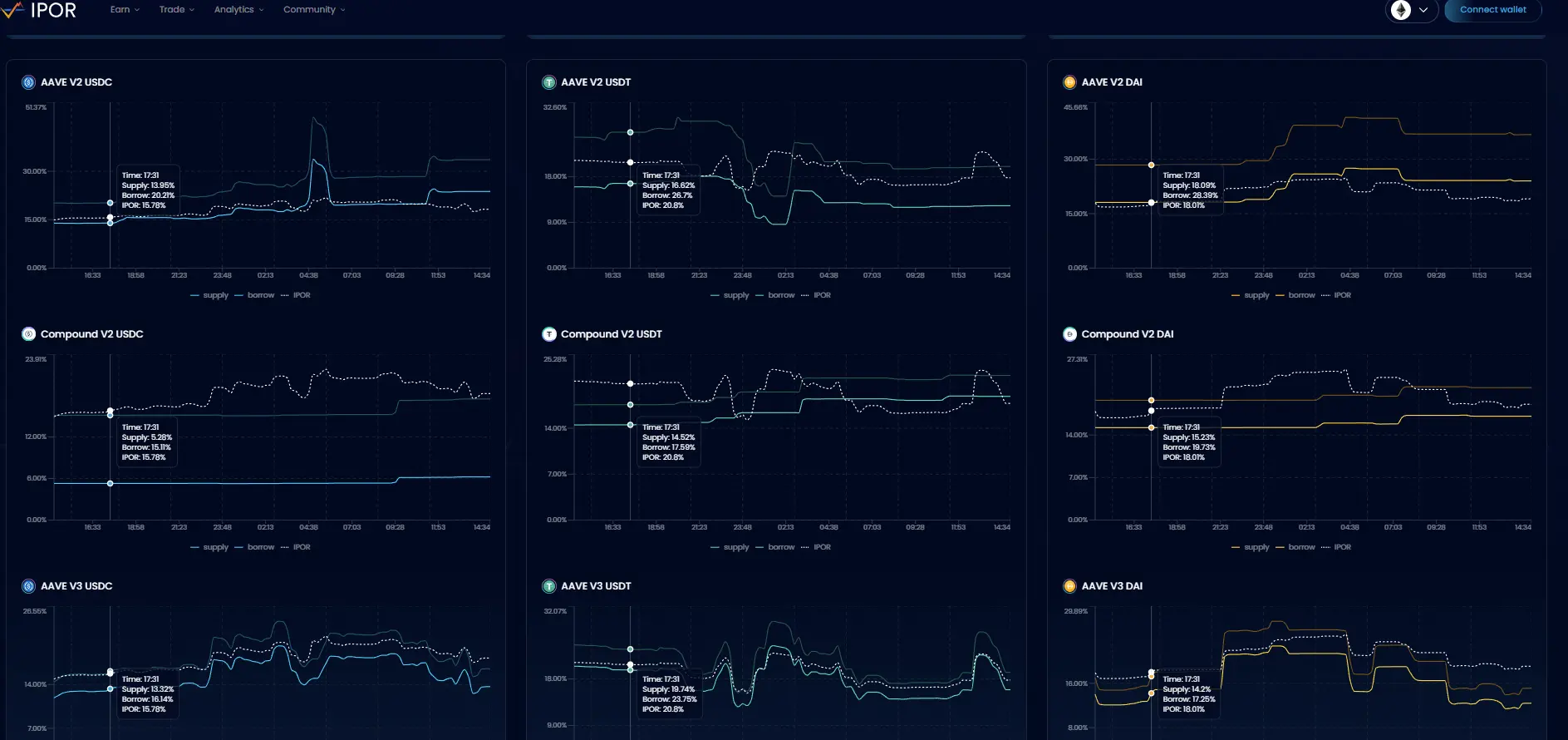
Since the IPOR index's interest rate data is sourced in real-time from different DeFi lending protocols like Compound and AAVE, its transparency can be guaranteed; the IPOR index, calculated based on various interest rate data, resembles a "heartbeat" of DeFi:
Just as a heartbeat is the foundation of life activities, the IPOR index, as a benchmark rate, reflects the real-time changes in the cost of funds in the DeFi market.
It aggregates data from various DeFi protocols, providing users with a clear and reliable reference point, enabling them to make borrowing and investment decisions based on real-time market conditions.
- Liquidity Pool: Providing a Venue for Interest Rate Swaps in an AMM Manner
With a benchmark index in place, the next step is to find a venue for interest rate swap trading based on market conditions, allowing you to earn returns and manage risks.
IPOR provides liquidity pools involving crypto assets such as stablecoins and liquid staking tokens to offer such venues.
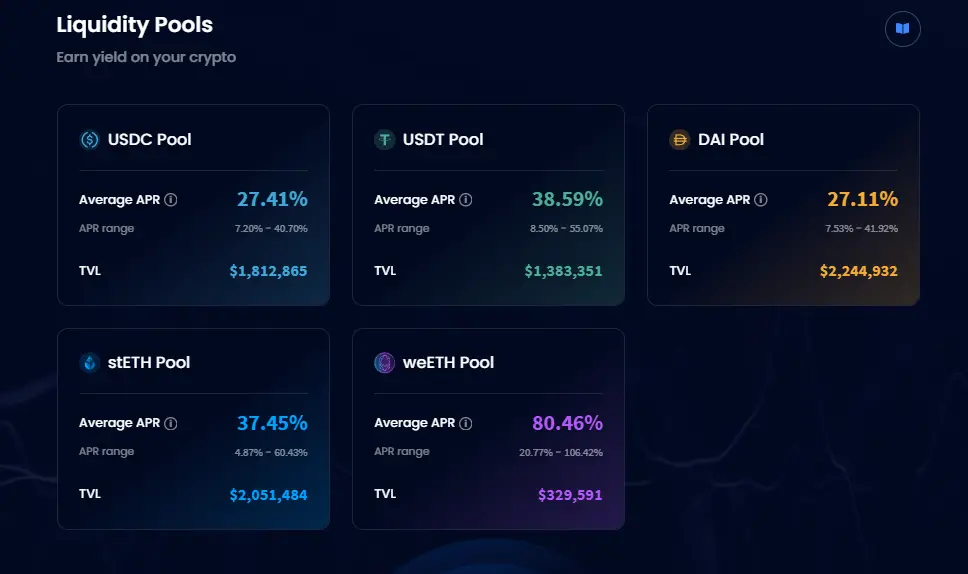
In different liquidity pools, understanding IPOR's "quote request" automated market maker (AMM) is key to grasping how it facilitates interest rate swaps.
Liquidity pools and AMMs together form a collective counterparty for trading. LP liquidity providers can earn returns through deposits and liquidity mining by providing trading counterparts for market participants;
Meanwhile, users can dynamically adjust quotes based on historical data using quantitative models and fair value pricing mechanisms in specific liquidity pools, choosing to receive a fixed interest rate or pay a fixed interest rate.
In interest rate swaps, "receive fixed" and "pay fixed" are two basic trading positions. If you choose "receive fixed," it means you will receive a fixed interest rate in the transaction while paying a floating interest rate; conversely, if you choose "pay fixed," it means you will pay a fixed interest rate while receiving a floating interest rate.
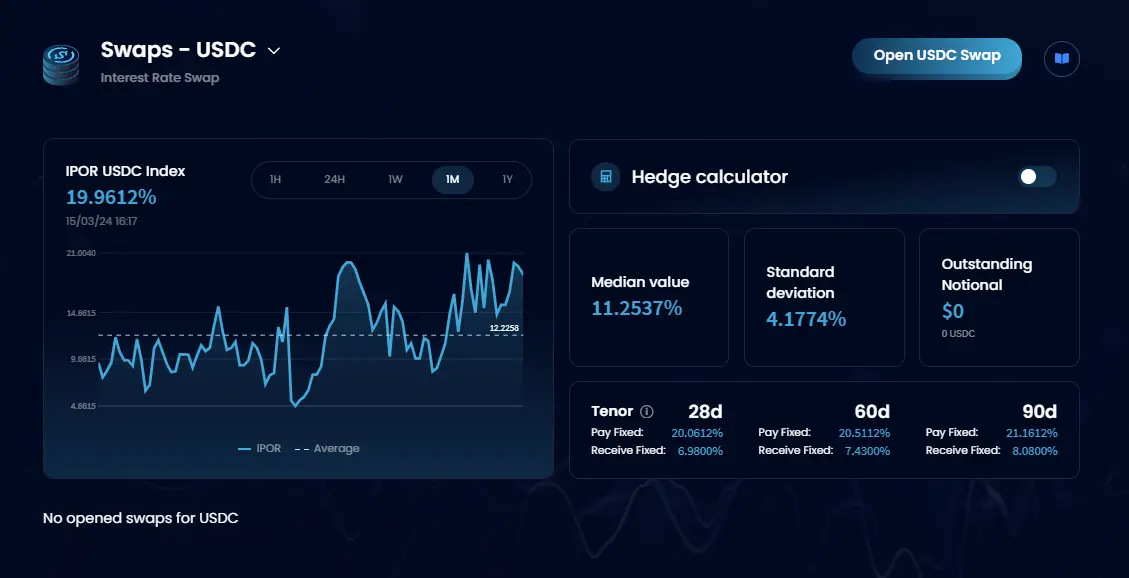
In this way, whether borrowers looking to lock in future costs or investors seeking high-yield opportunities can find suitable swap opportunities based on their needs to manage their risks or seek returns.
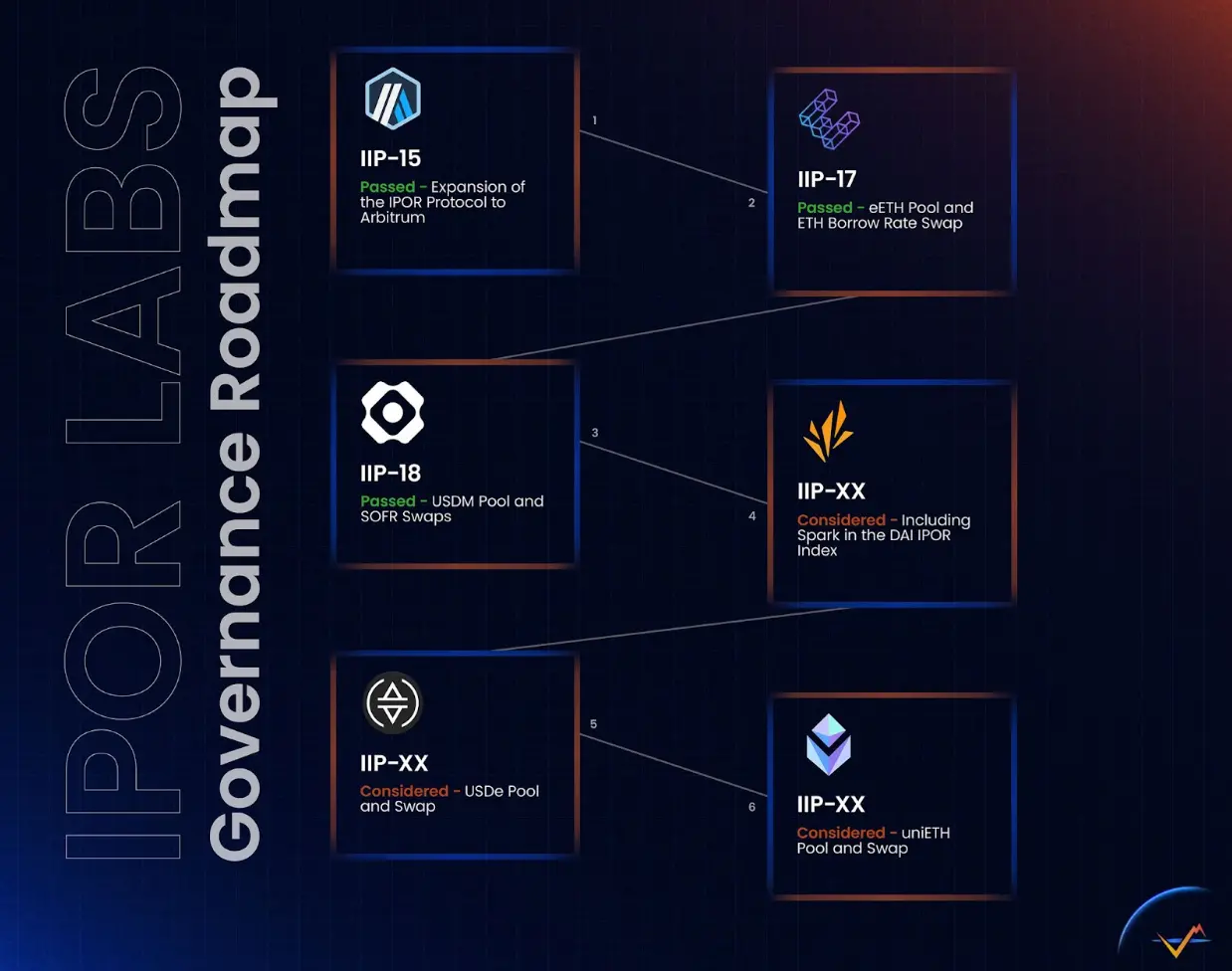
From the official governance roadmap and proposals of IPOR, it is noted that in March this year, it will also add liquidity pools for eETH and USDM, enriching the types of assets for interest rate swaps; meanwhile, USDe and uniETH are also under consideration for the project.
- Smart Contracts : Ensuring Automated and Transparent Execution of Interest Rate Swaps
The concept of smart contracts is relatively easier to understand, as they create derivative contracts between market participants and liquidity pools based on IPOR rates and AMM pricing, stipulating various rules such as fees, expiration times, stakeholders, etc., and distributing corresponding returns at the end of the contract.
Overall, the IPOR index provides benchmark rates, AMM liquidity pools provide counterparties and venues for interest rate swaps, and smart contracts ensure everything is executed automatically and orderly, thus a complete interest rate swap product in the DeFi world has been constructed.
Striving for Excellence: The Path of User Growth in Transformation
Our next concern is how well the IPOR product is currently operating. What measures are in place to attract user participation and usage?
- Attracting Liquidity: Liquidity Mining and Yield Acceleration
In rewarding liquidity supply, IPOR has also adopted the classic approach of DeFi protocols to attract liquidity — liquidity mining.
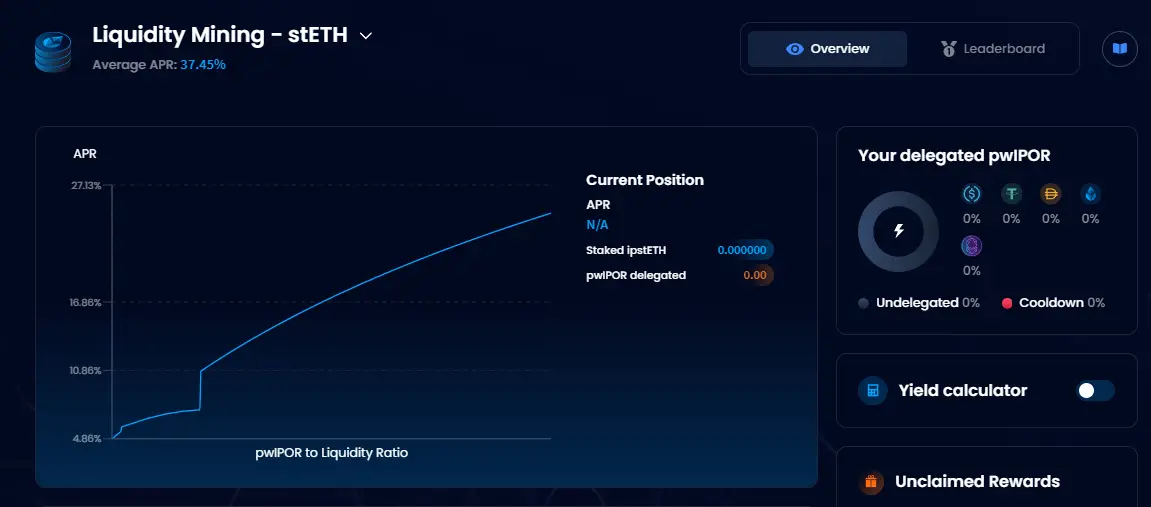
As early as January last year, IPOR's liquidity mining feature was launched.
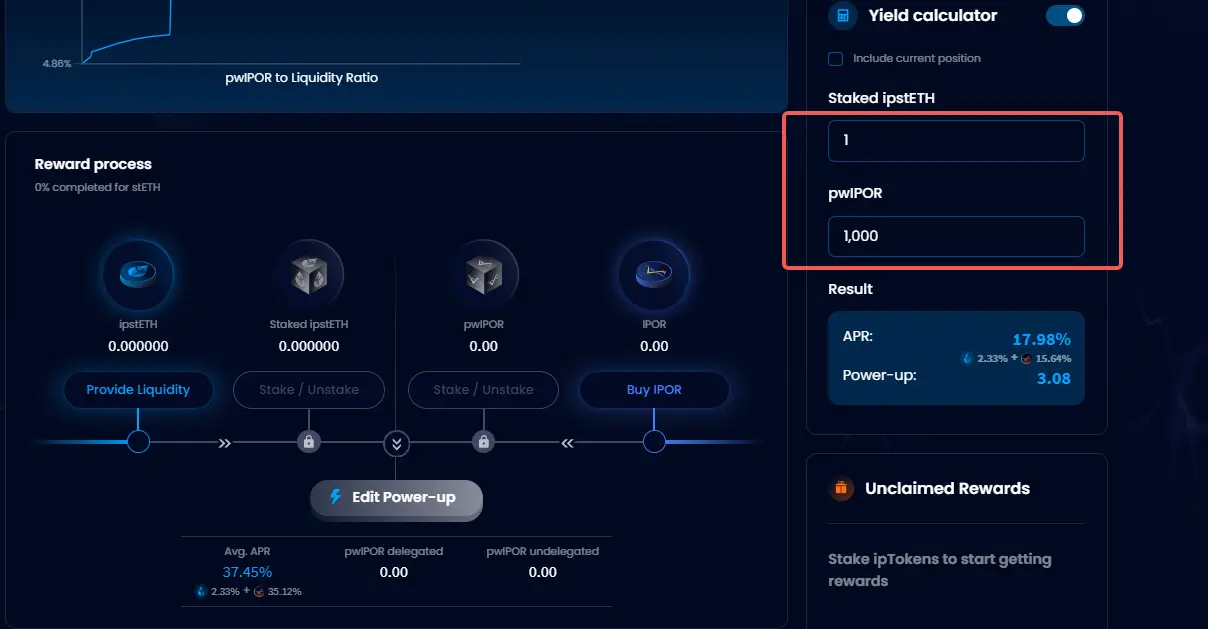
To increase the returns from providing liquidity, users can not only provide more crypto assets but also stake the project's native token $IPOR to earn pwIPOR for yield acceleration.
IPOR has also thoughtfully provided a yield calculator to quickly compute how much return can be obtained by holding different amounts of pwIPOR and crypto assets.
- Optimizing Experience: Transformations Brought by the V2 Version
After a major V2 upgrade in December last year, IPOR significantly optimized user experience.
As a user who has been paying attention to IPOR since its inception, the most noticeable change after the V2 upgrade is the "simplification."
The v2 version underwent a comprehensive update of the DApp interface. Now, users can quickly select annual interest rates that match their yield goals through simplified operations, making entry and operation more intuitive and convenient.
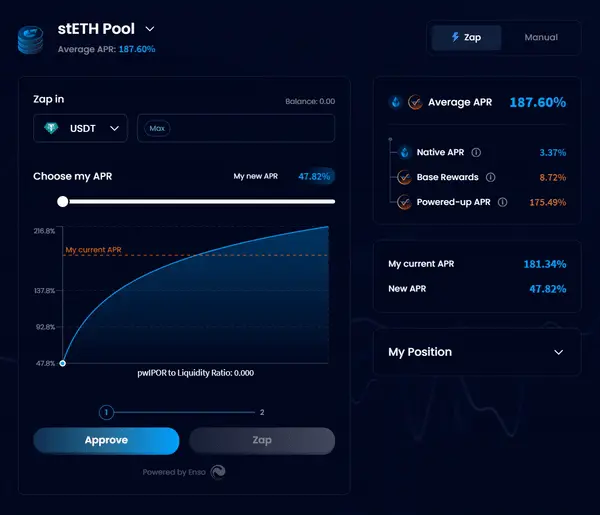
At the same time, behind the scenes, the introduction of a new risk engine, risk oracle, and AMM pricing mechanism based on pool risk upgrades has greatly improved the trading experience, providing more accurate pricing and higher trading efficiency.
Finally, from an overall perspective, the V2 version has completely reformed the smart contract architecture for interest rate swaps, improving gas efficiency and enhancing the product's composability, laying the groundwork for the composable structured products planned in IPOR's 2024 roadmap.
- Entering Arbitrum: Introducing Liquidity Staking Token Interest Rate Swaps
As we all know, Arbitrum has always been a paradise for DeFi products.
Thanks to lower gas fees and ample liquidity, Arbitrum hosts numerous derivative exchanges and DeFi users, such as GMX and GNS; the on-chain derivatives ecosystem has also rapidly developed.
IPOR has also chosen to enter Arbitrum, but its product business does not compete with GMX and others — it provides interest rate swap products while trading on-chain assets, completing the entire derivatives ecosystem.
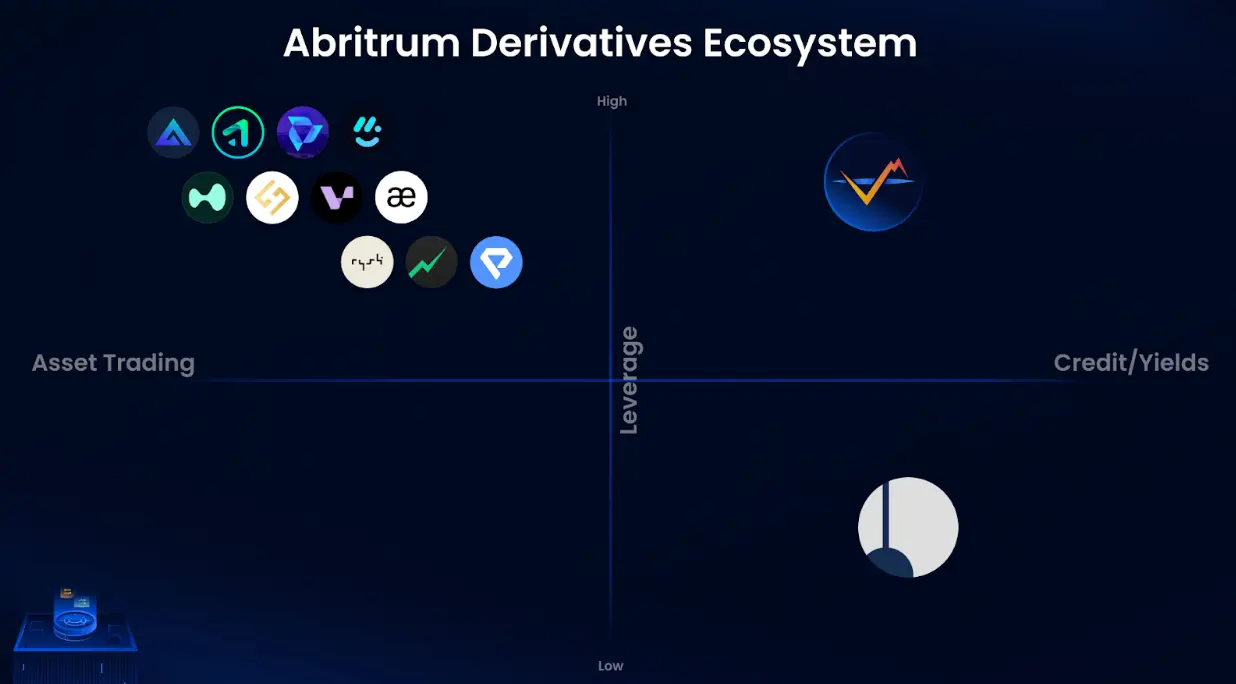
The composability of IPOR's interest rate derivatives allows them to be used to create pools with high annual percentage rates (APR) and fixed rates, where liquidity providers (LPs) can deposit and earn substantial returns, which also significantly differs from Pendle's product structure that adopts relatively lower leverage.
Thus, IPOR has cleverly found a unique ecological niche on Arbitrum, avoiding direct competition with mainstream DEXs while also finding its advantages in the credit field, benefiting from the liquidity dividends generated by the scale effects of DeFi projects on Arbitrum.
In specific products, if you hold stETH, you can provide liquidity on IPOR, and the corresponding pool allows users to choose a custom APR, quickly completing the liquidity provision operation with its zap-in feature through two quick clicks to enjoy returns.
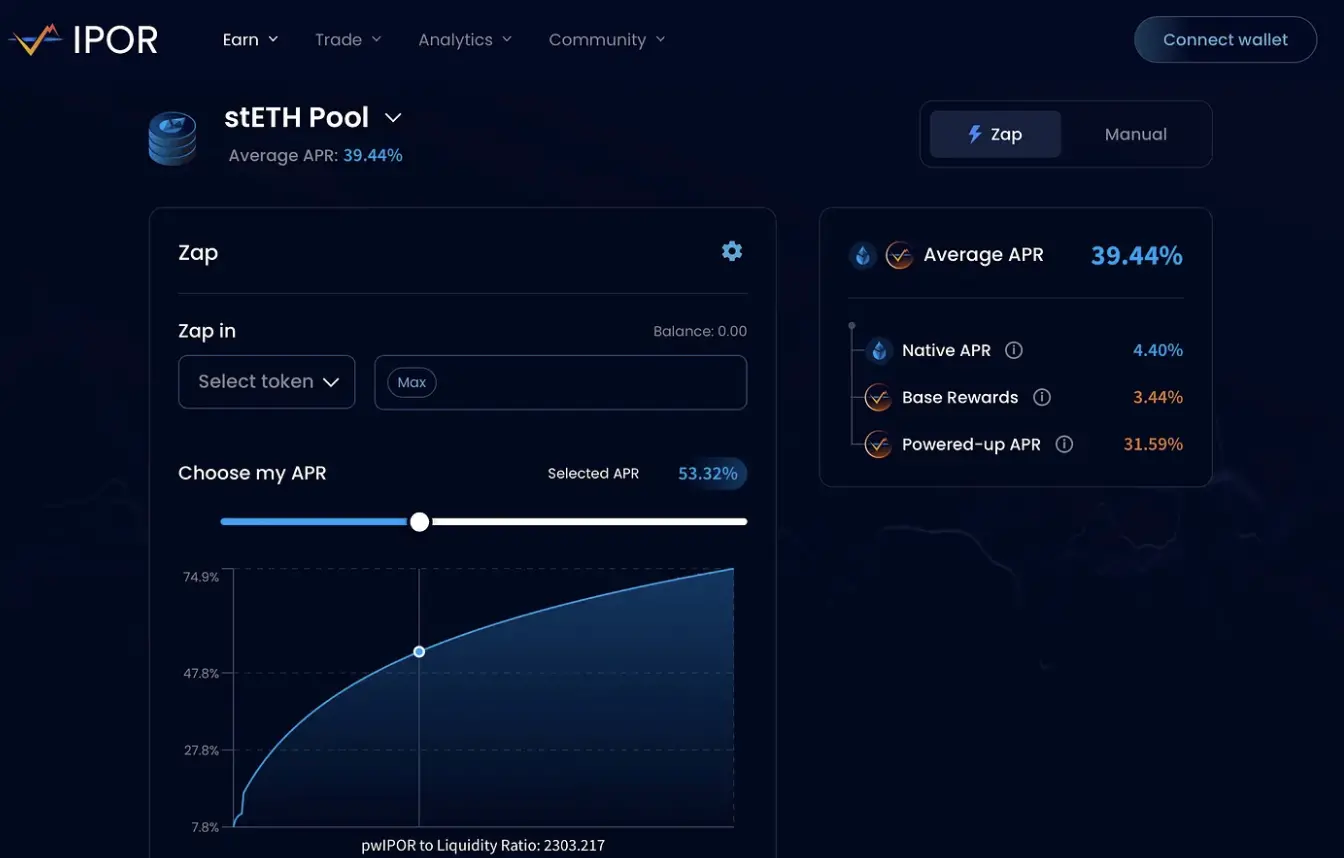
Unique products, combined with the ecological positioning in Arbitrum, have put IPOR on a fast track for user growth, while also attracting more attention to the value of its native token $IPOR.
By staking IPOR tokens, users can obtain an equivalent amount of pwIPOR, which not only significantly enhances the annualized yield (APR) for participating in liquidity mining positions but also grants users voting rights in IPOR Improvement Proposals (IIPs), allowing them to participate in project governance. This mechanism further enhances the vitality and sustainability of the IPOR ecosystem by incentivizing users to participate and provide liquidity.

Additionally, thanks to the flexible smart contract architecture of Power Tokens, the pwIPOR corresponding to $IPOR can be easily integrated into different modules; you can use it for liquidity mining, governance voting, or even create secondary markets similar to Convex or Penpie, further expanding the application scenarios and functions of the token.
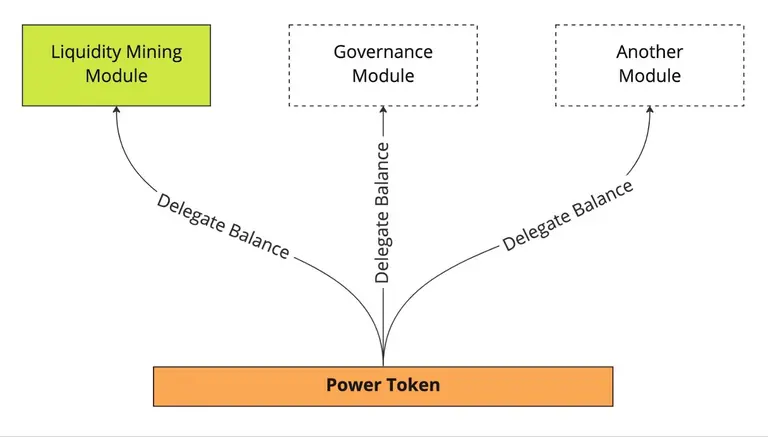
This not only provides new value appreciation paths for $IPOR token holders but also matches more opportunities for liquidity providers, thereby enhancing the interconnectivity and efficiency of the entire DeFi ecosystem.
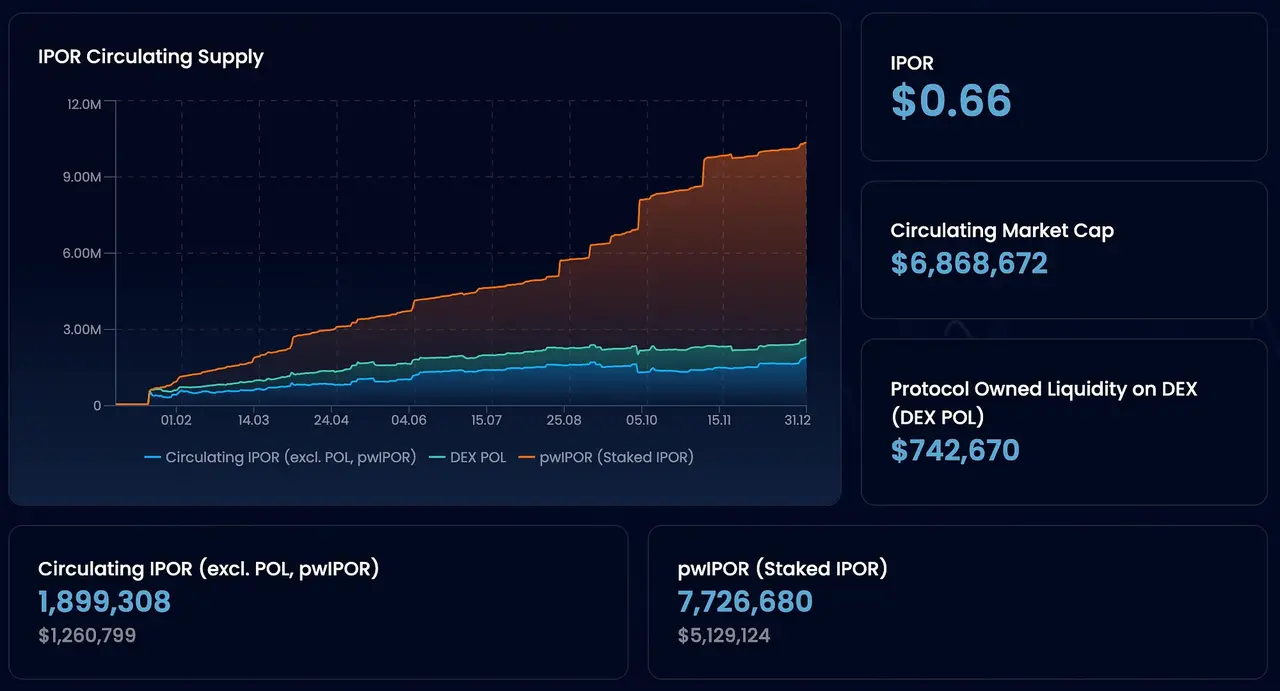
The market performance of the $IPOR token has already responded to its value. Major milestones in 2023 show that the $IPOR token's liquidity increased by 6.5 times, with trading volume exceeding $4 billion, and the token's price at the end of the year rose by 10% compared to the beginning of the year.
The Next "Pendle"? The Narrative Potential of IPOR
To reiterate, IPOR is currently the only protocol on-chain providing interest rate swaps, and its exhibited potential is closely related to the team behind it.
The project team consists of seasoned cryptocurrency natives, enterprise-level developers, and several PhDs with strong quantitative analysis backgrounds. Such a transparent and experienced team is key to IPOR's ability to stand out in the competitive DeFi market.

Beyond the team's foundational hard skills, we can sense the trajectory of IPOR's emerging potential bears some resemblance to the previously popular Pendle.
Pendle focuses on tokenizing future yields and interest rates in DeFi, allowing users to trade and manage long-term yields by separating asset ownership from future returns;
IPOR's innovation lies in providing interest rate swaps that enable users to hedge against interest rate fluctuations, similar to the future yield tokenization offered by Pendle.
When both create value and opportunities through relatively complex financial derivatives and serve a user base proficient in trading, it should not be forgotten that IPOR also offers interest rate swaps for LST assets on Ethereum and Arbitrum, aligning with this year's popular narrative of "liquidity (re)staking";
As long as the product is communicated effectively, with easy-to-understand and participatory features, combined with its relevance to "restaking," IPOR could potentially be rediscovered in this round of mainstream narratives and come to the forefront.
From publicly available information, IPOR is also expected to announce a new product in the coming weeks, which is anticipated to increase yields and reduce gas fees, while enabling "smart liquidity routing" and lightning-fast integration with any DeFi lending protocol, bringing the IPOR protocol closer to its vision of becoming a DeFi credit hub.
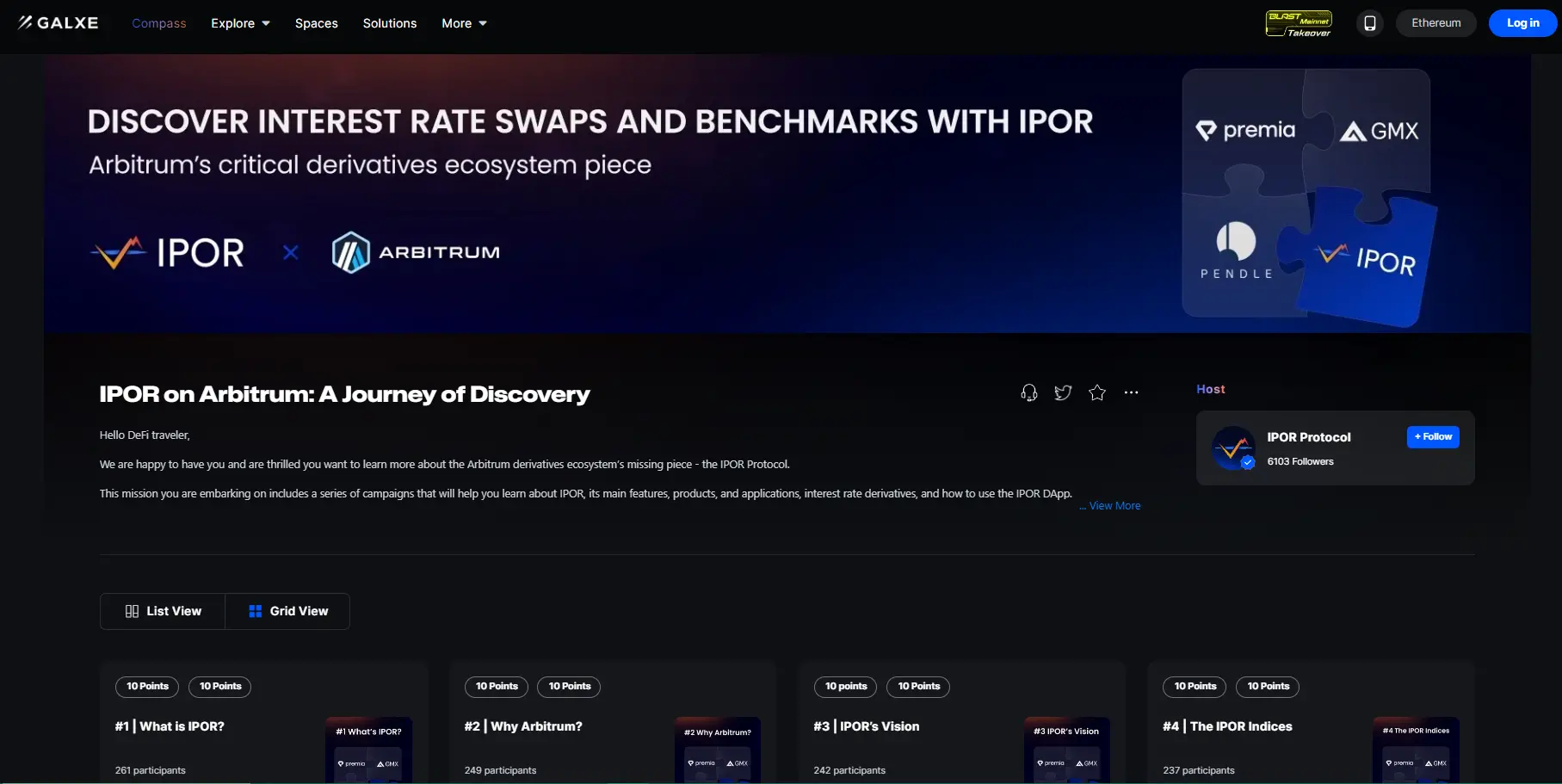
Finally, if you wish to further understand IPOR's interest rate swaps, you can click here to participate in the official event hosted on Galxe (ending on the 22nd).
This event consists of a series of educational quiz segments, and upon completing all tasks, participants can share in a pool of 6,000 IPOR tokens; currently, IPOR has also launched a trading competition, where actual interest rate swap trading can also share in a reward pool of 50,000 IPOR tokens.
History does not simply repeat itself; it merely rhymes.
Will IPOR replicate Pendle's success in a different way? Let's wait and see.
 Risk warning Risk warning