








Matrixport Research: A Brief Analysis of the Feasibility of BTC Strategic Reserves Implementation by the White House Crypto Summit

 The market needs new catalysts, and the structural weaknesses and macroeconomic headwinds remain key risks.
In the absence of strong and effective catalysts, the narrative driven by event expectations for BTC continues (e.g., BTC strategic reserves). As the White House cryptocurrency summit approaches, any positive headlines could drive short-term momentum, but the structural weaknesses in the market and macroeconomic headwinds remain key risks.
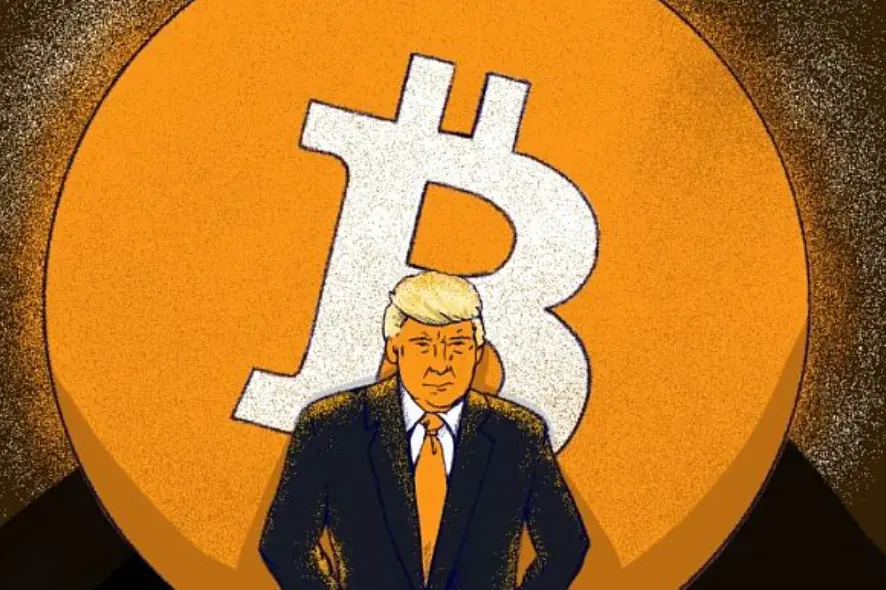
If Trump conveys a strong message of support for cryptocurrencies, it could inject new vitality into the market, but its sustainability will depend on the broader economic and policy environment. In this Matrixport research, we will briefly analyze the feasibility of the BTC strategic reserves and the potential impacts they may bring.
The Impact of the White House Cryptocurrency Summit on U.S. Crypto Policy for the Next Four Years
President Trump has positioned the upcoming White House cryptocurrency summit as a key step in making the U.S. the "world capital of crypto assets." The summit is scheduled for March 7, 2025 (Friday) in Washington, D.C., marking the first summit in White House history specifically focused on cryptocurrencies. This aligns with the Trump administration's efforts to promote a supportive cryptocurrency agenda, reversing the strict regulatory stance of the Biden era.
The White House cryptocurrency summit is crucial for Trump's cryptocurrency agenda and may influence U.S. crypto policy for the next four years. The summit reaffirms Trump's commitment to simplifying regulations, banning central bank digital currencies (CBDCs), and positioning the U.S. as a global leader in blockchain technology. However, with the 2026 midterm elections approaching, the window for significant legislative reform may be limited, making this summit potentially foundational for rapidly advancing related policies.
Is the U.S. Strategic Cryptocurrency Reserve a "Proactive" or "Passive" Holding of BTC?
A key focus of the White House crypto summit is expected to be Trump's proposed U.S. strategic cryptocurrency reserve. On March 2, 2025, Trump announced via his personal social media platform Truth Social that the reserve would include Bitcoin (BTC), Ethereum (ETH), Ripple (XRP), Solana (SOL), and Cardano (ADA), with BTC and ETH forming the "core" of the reserve. Trump's announcement on March 2 caused cryptocurrency prices to soar, with XRP, SOL, and ADA initially rising by as much as 60%, while BTC and ETH increased by over 10%. The market is currently closely monitoring the summit's outcome and anticipates further price fluctuations in the future.
Trump's social media post sparked speculation about establishing a BTC strategic reserve, but the distinctions are crucial.
The legislative process for establishing a cryptocurrency strategic reserve is lengthy and fraught with uncertainties. Additionally, the U.S. president does not have the authority to directly purchase cryptocurrency assets; related measures still require congressional approval and must follow legislative procedures. Moreover, before taking any substantial action, funding must be obtained through debt issuance by the Treasury.
"Reserves" imply proactive accumulation. In contrast, the executive order from January focused on assessing digital asset reserves, suggesting a more passive strategy—primarily holding $2 billion worth of seized cryptocurrencies (97.9% of which is BTC), rather than further purchases.
Will the U.S. Use Its Gold Reserves to Buy BTC?
The U.S. government may use its gold reserves to fund the purchase of BTC, especially if the strategic BTC reserve plan is advanced. Senator Cynthia Lummis's proposed "Bitcoin Bill" suggests leveraging the market value of gold—currently around $688 billion, significantly higher than its $11 billion book value—to acquire 1 million BTC over five years. This could imply the need to sell gold at market prices and reallocate the proceeds.
If the U.S. sells 15% of its gold reserves, it is expected to raise about $110 billion, which at current BTC prices could purchase approximately 1.05 million BTC. However, due to the significant buying demand in the market, such a large-scale BTC purchase would not be able to maintain stable prices and would inevitably have a significant impact on market prices.
Disclaimer: The market carries risks, and investment should be approached with caution. This article does not constitute investment advice. Trading in digital assets can involve significant risks and volatility. Investment decisions should be made after careful consideration of personal circumstances and consultation with financial professionals. Matrixport is not responsible for any investment decisions made based on the information provided herein.
 Risk warning
 Risk warning





Popular articles





