Forking Solana, the meme coin Gorbagana took only 48 hours to get going
 In the current dull market, active grassroots have never been absent; what may be lacking is just the spark to ignite their enthusiasm.
Author: Deep Tide TechFlow
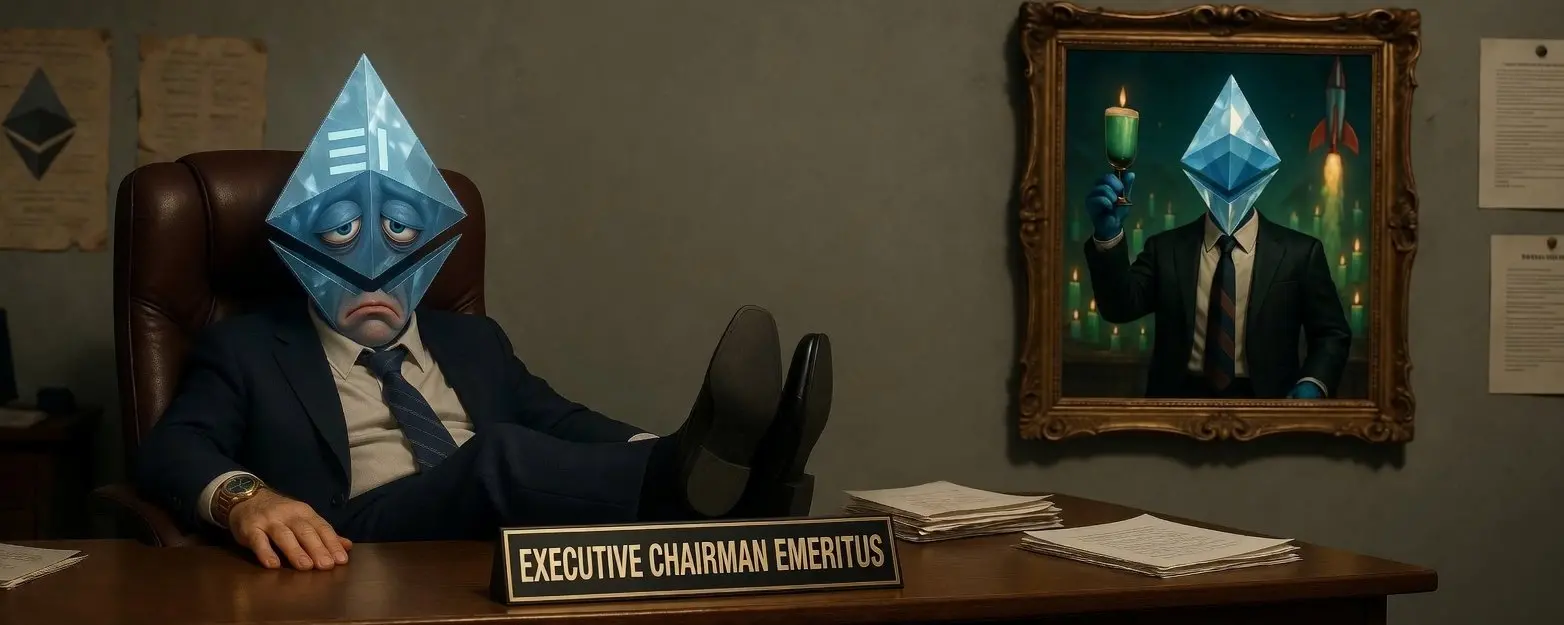
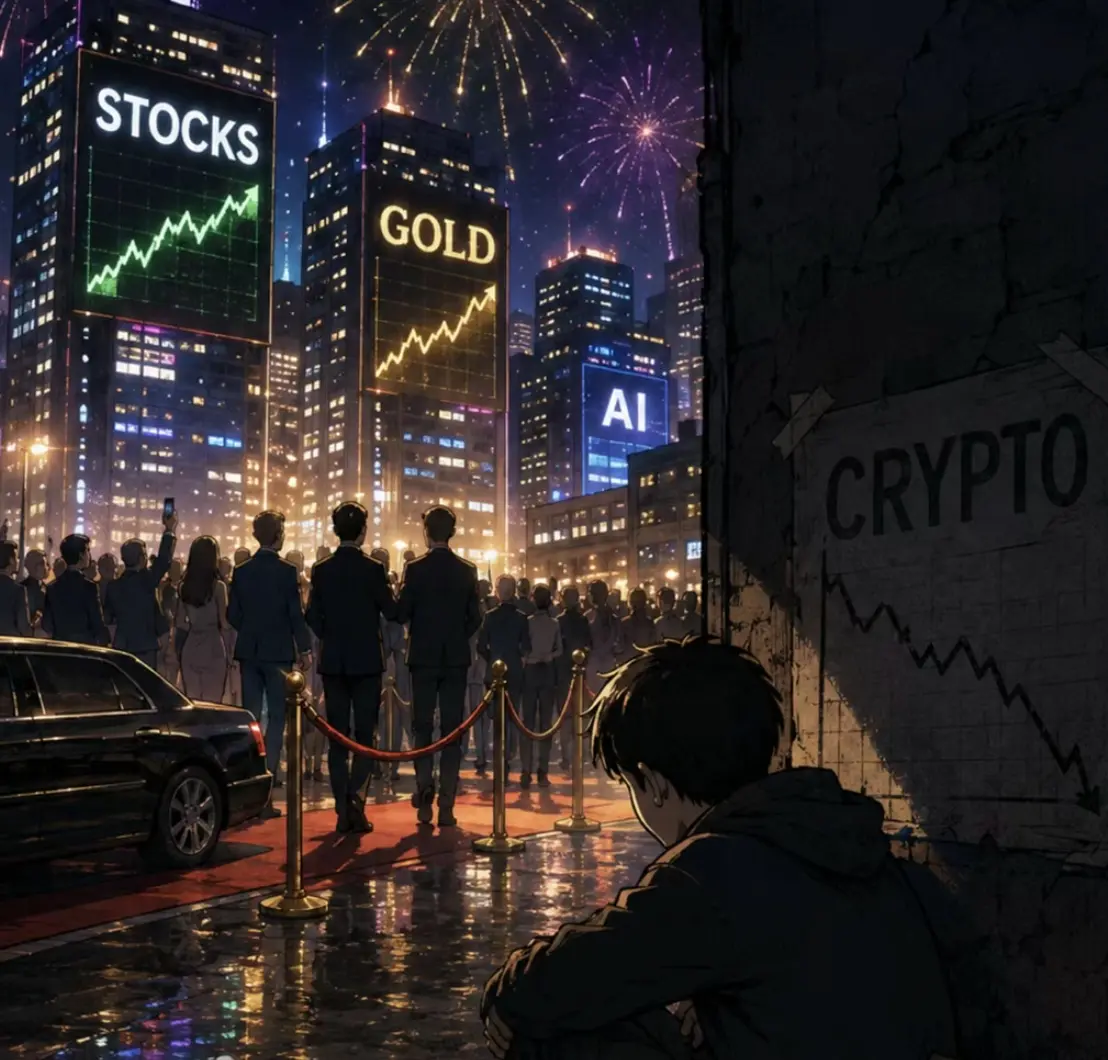
The current cryptocurrency market is gradually falling into fatigue.
Bitcoin and Ethereum prices are struggling with fluctuations, while the spotlight is dominated by crypto stocks and stablecoins. The once vibrant community spirit of the crypto industry—intertwining geeks and grassroots, playing memes, experimenting, and collective revelry—seems to have been flattened by market conditions and scams.
However, in the past two days, that long-lost community creativity has returned, accompanied by a faint sense of a crypto renaissance.
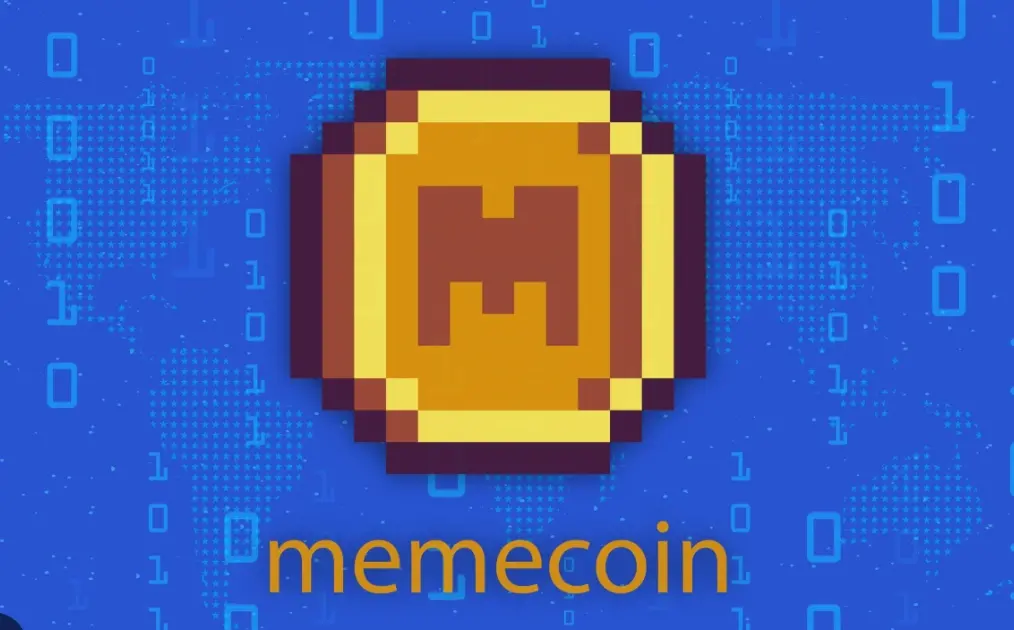
On June 19, Solana co-founder Anatoly Yakovenko (Toly) casually discussed on social media, giving rise to a meme coin called Gorbagana;
Interestingly, just 48 hours later, the L1 chain named Gorbagana Chain went live on the testnet, technically forking from Solana.
As of now, Gorbagana is running stably and has processed nearly 14 million transactions; the token $GOR market cap has reached 30 million USD within 4 days (peaking at 60 million USD).

A meme itself is certainly not surprising, but the interesting and ironic part is that it took only 2 days from a community meme to creating a chain; while the so-called top-tier L1 projects previously took 1-2 years from announcement to launching a testnet.
Without a roadmap, whitepaper, or marketing, this is not the typical, meticulously planned ICO, but an impromptu act driven by degens and developers in a Telegram group.
If you are not familiar with this event, we have summarized the Gorbagana incident as follows.
48 Hours: From a Joke Meme to a Serious L1
Similar to some classic memes from the past, the birth of Gorbagana also started with a joke.
On the 19th, while Toly was chatting on X about Solana's brand recognition with other users, netizen @lex_node casually fabricated a concept to refute Toly's claim that "brand names aren't that important":
If one chain is called Solana, another forked chain could be called Gorbagana, with similar technology, but obviously Solana would be more valuable.

Toly took the bait and replied, "If there isn't a chain called gorbagana within 48 hours, I would be quite disappointed."
Clearly, this gorbagana was just a name that sounded like Solana but was longer and more absurd, yet the community began to get creative:
Six hours after the discussion thread, @lex_node launched a token named $GOR and informed everyone that it was just a pure meme, advising not to invest heavily.
Indeed, posting a related meme is not a new thing, and up to this point, the situation was not particularly exciting.
However, this sentence in his post was thought-provoking:
"You will never get rich by trading memes like this because wealth must come from people truly creating something and uniting around it."

After this statement, the developers in the community began to take it seriously.
In 2022, there was an old joke about SQL Chain, where the community mocked Solana for its high performance, jokingly calling it the "SQL database chain," and there had always been the idea of forking Solana to create a "garbage version" SQL Chain.
With this Gorbagana joke, the action to fork Solana truly began.
User @Sarv_shaktiman, who had some development experience, saw Toly's discussion thread and the GOR token, bought a small amount, and gathered the developer team from the Milady project, deciding to turn this old joke into reality.
However, the speed from joke to reality was astonishing:
Six hours after the post, the token GOR was launched;
Eighteen hours after the post, these developers had already started reverse engineering Solana's code architecture, attempting to fork a new L1;
Twenty-four hours after the post, the testnet for Gorbagana Chain went live, equipped with custom RPC functionality and support for the Backpack wallet.
Forty-eight hours later, Gorbagana Chain's transaction volume surpassed 10 million, and although it was a testnet, it proved the technical prowess of the community developers. The market cap of $GOR also peaked at 60 million USD.
The entire process exuded a long-lost crypto entertainment vibe—community builders, from buying memes to studying blockchain architecture, to running a forked chain of Solana, acted decisively and in unity.

In addition to forking the entire Solana codebase to create a new L1, this chain also adopted the meme coin $GOR as its native token, supporting gas fee consumption and transfers.
No venture capital, no marketing, just the collective improvisation and collaboration of community members, turning a meme into a native token of an L1 in 48 hours.
This event may not be monumental, but it is certainly interesting.
It evokes the kind of excitement from years ago when various community projects were flourishing on-chain.
Community Collaboration vs. Institutional Incubation
Is it really that simple to copy a chain?
Forking Solana sounds easy, but there are many headaches involved, such as wallet compatibility.
Mainstream Solana wallets like Phantom and Solflare cannot support Gorbagana's custom chain functionality due to "hard coding" (preset programs only recognize Solana's mainnet and testnet), effectively isolating the new chain from the Solana ecosystem.
In other words, while forking Solana is possible, wallets may not necessarily support it.
The community developers faced not just simple copying, but breaking through these technical barriers within 48 hours.
One user named @armaniferrante utilized the custom functionality of the Backpack wallet's "Remote Procedure Call" (RPC, a protocol that allows wallets to communicate with chains) to connect Gorbagana to the Solana ecosystem within 24 hours, enabling the use of custom RPC functionality on the new chain.

Looking back, you could view this event as a "degen" version of a hackathon. There was no organization or planning for the event; it relied entirely on the real-time brainstorming and problem-solving provided by the developers in the group.
Although the leading developer may have been compelled to expand the project's influence due to purchasing GOR tokens, the entire approach was filled with that long-lost energy of tech geeks:
Filling technical gaps with enthusiasm, addressing issues through collaboration, and ultimately completing a significant project.
Although Gorbagana only launched a testnet, 48 hours is still remarkably fast. Considering that some institutional-backed, high-profile projects with luxurious teams and ample funding can take years to launch, Gorbagana's community collaboration is even more commendable.
At the same time, we can't help but ask, if moving at full speed, does it really take that long to launch a complete L1 testnet?
Grassroots have their own flexibility; community collaboration is merely for an entertaining project, without KPIs, marketing, or TGE rhythm considerations, making it inherently more pure;
On the other hand, the emergence of institutional-level L1s inherently involves the interests of different rounds of investors. Decisions on when to launch, when to announce the testnet, airdrop expectations, and interaction models are no longer as simple as just getting the technology right.
Not to mention, sometimes whether a top-tier project's token undergoes TGE depends on market conditions and sentiment. These infrastructure projects resemble a large ship, laden with countless interests, struggling to make quick decisions and turn around in turbulent waters.
Long ago, the interesting aspect of crypto was precisely due to grassroots creativity rather than capital accumulation.
Gorbagana may not maintain its popularity for long, but it at least proves one thing:
In this dull market, active grassroots have never been absent; perhaps what is lacking is just the spark to ignite their enthusiasm.
 Risk warning
 Risk warning