








Decoding the Hong Kong Monetary Authority Document: The "Strict" and "Dynamic" Behind Stablecoin Regulation
 Hong Kong welcomes responsible innovators, but be prepared for strict regulation.
Author: David, Deep Tide TechFlow
Hong Kong is accelerating the pace of stablecoin legislation.
On July 29, the Hong Kong Monetary Authority released the consultation summary and guidelines for the "Regulatory Framework for Licensed Stablecoin Issuers," the consultation summary and guidelines for the "Anti-Money Laundering and Counter-Terrorist Financing Guidelines (Applicable to Licensed Stablecoin Issuers)," as well as two explanatory documents, providing detailed implementation rules for the stablecoin regulatory framework that will take effect on August 1.
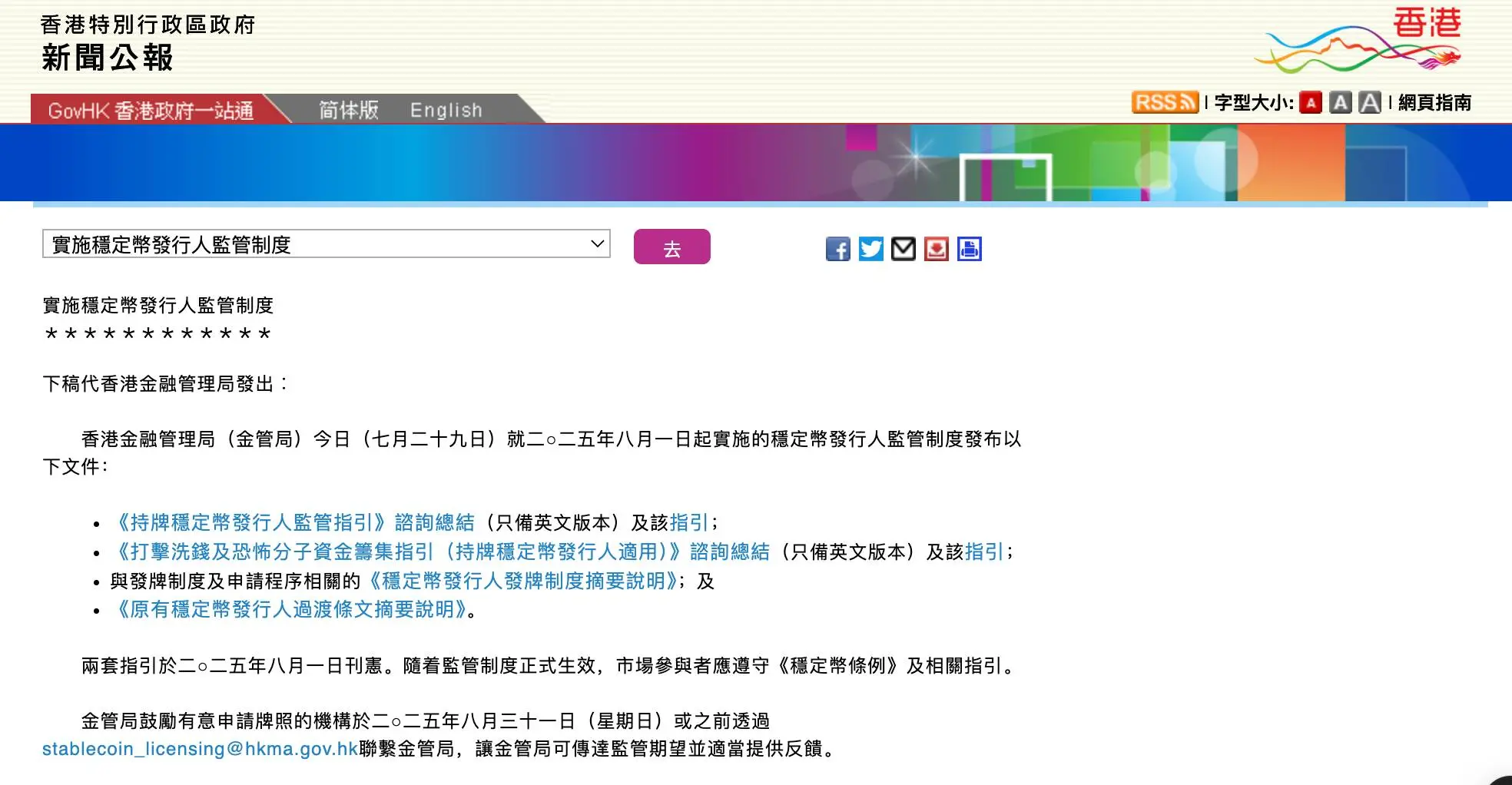
Previously, the Hong Kong Legislative Council officially passed the “Stablecoin Ordinance” on May 21, establishing a licensing system for fiat-backed stablecoin issuers.
From the passage of the ordinance to the release of supporting guidelines, and then to formal implementation, Hong Kong completed the "last mile" of the stablecoin regulatory framework in less than three months.
What is the relationship between all these documents?
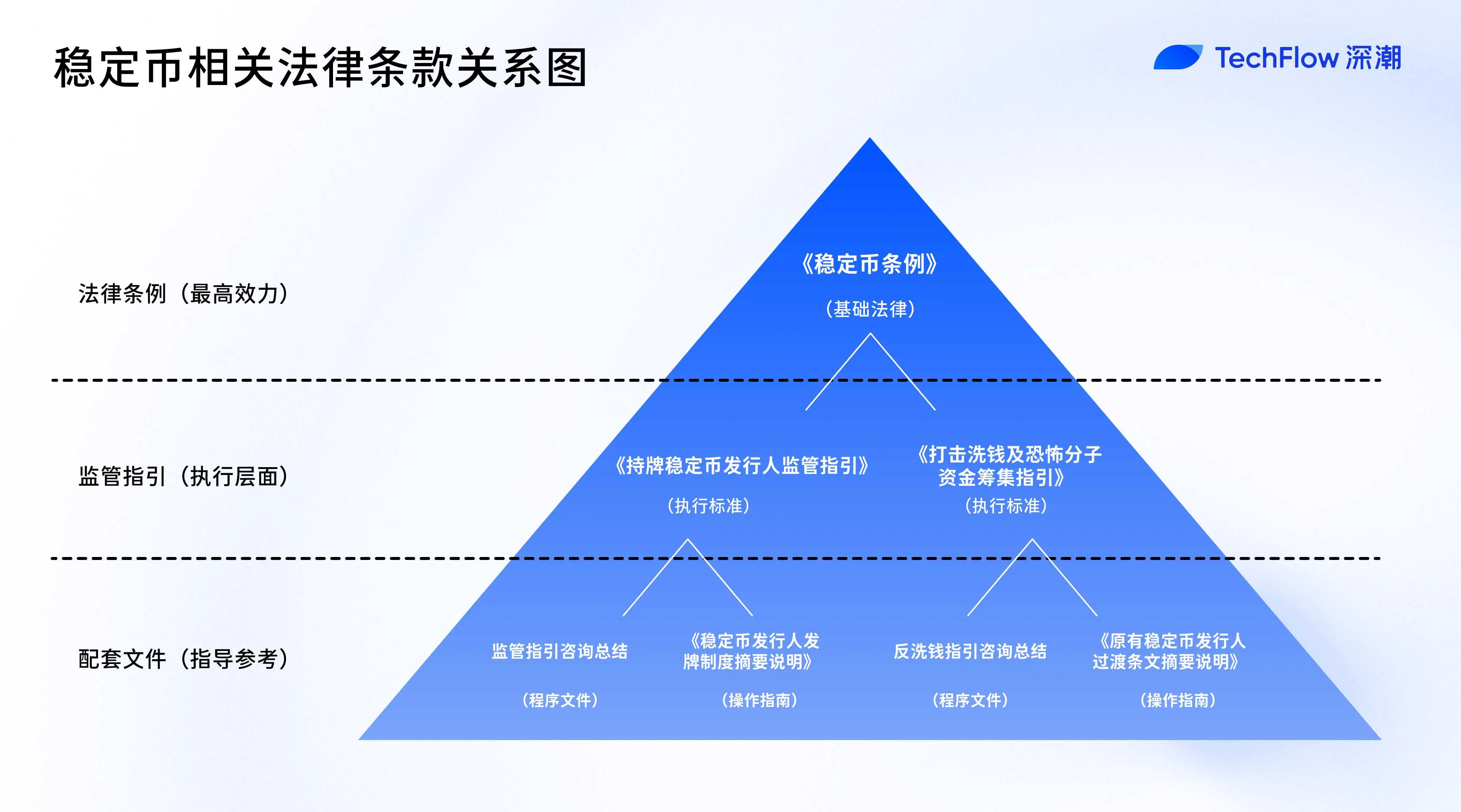
From the above, it can be seen that this complete regulatory system consists of one ordinance (Stablecoin Ordinance), two sets of guidelines (and their consultation summaries), and two explanatory documents, forming a complete chain from legal foundation to implementation details to operational guidelines.
Specifically, the entire document system includes:
1 foundational law: "Stablecoin Ordinance" (released in May)
2 sets of regulatory guidelines: "Regulatory Framework for Licensed Stablecoin Issuers," "Anti-Money Laundering and Counter-Terrorist Financing Guidelines"
2 consultation summaries: documenting the public consultation process for the above two sets of guidelines and the responses from the Monetary Authority
2 explanatory documents: "Summary of the Licensing System for Stablecoin Issuers," "Summary of Transitional Provisions for Existing Stablecoin Issuers"
Among them, the "Stablecoin Ordinance" is at the top of the pyramid, serving as the foundational law that establishes the legal status and basic framework of the stablecoin licensing system. The two sets of regulatory guidelines are at the implementation level, converting the principled provisions of the ordinance into specific operational standards and compliance requirements. These guidelines have quasi-legal effect, and licensed entities must strictly comply.
The consultation summaries, as procedural documents, do not have direct legal effect but record the regulatory agency's responses to market opinions, helping market participants understand regulatory intentions and considerations in guideline formulation;
The two explanatory documents are at the interpretative and guiding level, providing market participants with an understanding of the system and application guidelines, helping potential applicants better understand regulatory requirements and application processes.
In simple terms:
The ordinance is responsible for "setting the rules"------determining what constitutes a stablecoin, who can issue it, and the fundamental regulatory principles;
The regulatory guidelines are responsible for "setting the standards"------specific capital adequacy ratios, risk management requirements, information disclosure standards, and other technical provisions;
The explanatory documents are responsible for "providing the path"------how to apply for a license, how to arrange the transition period, how the regulatory agency enforces the rules, and other operational issues.
"Regulatory Framework for Licensed Stablecoin Issuers": The "strictness" and "vitality" behind the HKD 25 million threshold
This time, the Monetary Authority released six documents at once. Considering reading efficiency, we will focus on interpreting the most core implementation document: "Regulatory Framework for Licensed Stablecoin Issuers." Because it details the specific compliance requirements for issuers, which relate to the vital interests and operational paths of market participants.
If the "Stablecoin Ordinance" is the foundation built by Hong Kong for stablecoin issuance, then this 89-page "Regulatory Framework for Licensed Stablecoin Issuers" is more like the bricks and tiles that fill this building.
From the HKD 25 million capital threshold to the 12 specific requirements for private key management, the Monetary Authority outlines a regulatory framework that is both strict and pragmatic in an almost "meticulous" manner.
Access Threshold: Not a game for everyone
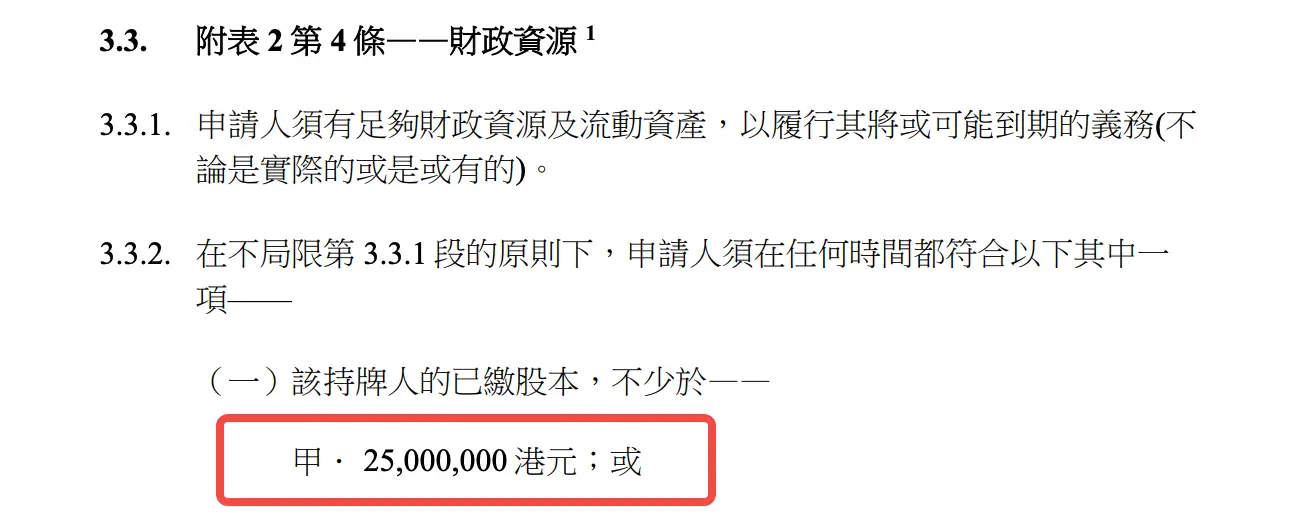
The minimum capital requirement of HKD 25 million (approximately USD 3.2 million) is relatively high in the global stablecoin regulatory landscape. In contrast, the EU's MiCA regulation sets a minimum capital requirement of EUR 350,000 for electronic money token issuers, while Japan requires JPY 10 million (approximately USD 75,000). Hong Kong's threshold has clearly been carefully considered------it must ensure that issuers have sufficient financial strength while not completely shutting out innovators.
But capital is just the first hurdle. More noteworthy is the "fit and proper person" requirement.
The regulatory guidelines dedicate an entire chapter to detail seven major considerations: from criminal records to business experience, from financial status to time commitment, even the "external positions" of directors must be considered… Particularly, the requirement that independent non-executive directors must account for at least one-third of the board directly aligns with the governance standards of listed companies.
This means that to issue stablecoins in Hong Kong, one must not only have money but also have the "right people." A Web3 startup composed of tech geeks may need to significantly adjust its governance structure and bring in professionals with traditional financial backgrounds to meet regulatory requirements.
Even stricter are the restrictions on business activities. Licensees must obtain written consent from the Monetary Authority before engaging in any "other business activities." This essentially positions stablecoin issuers as "specialized institutions," similar to traditional payment institutions or electronic money issuers. For those looking to build a "DeFi + stablecoin" ecosystem, this is undoubtedly a signal to reconsider their business models.
Reserve Management: 100% is just the starting point
In reserve asset management, Hong Kong adopts a "100% + over-collateralization" dual insurance model.
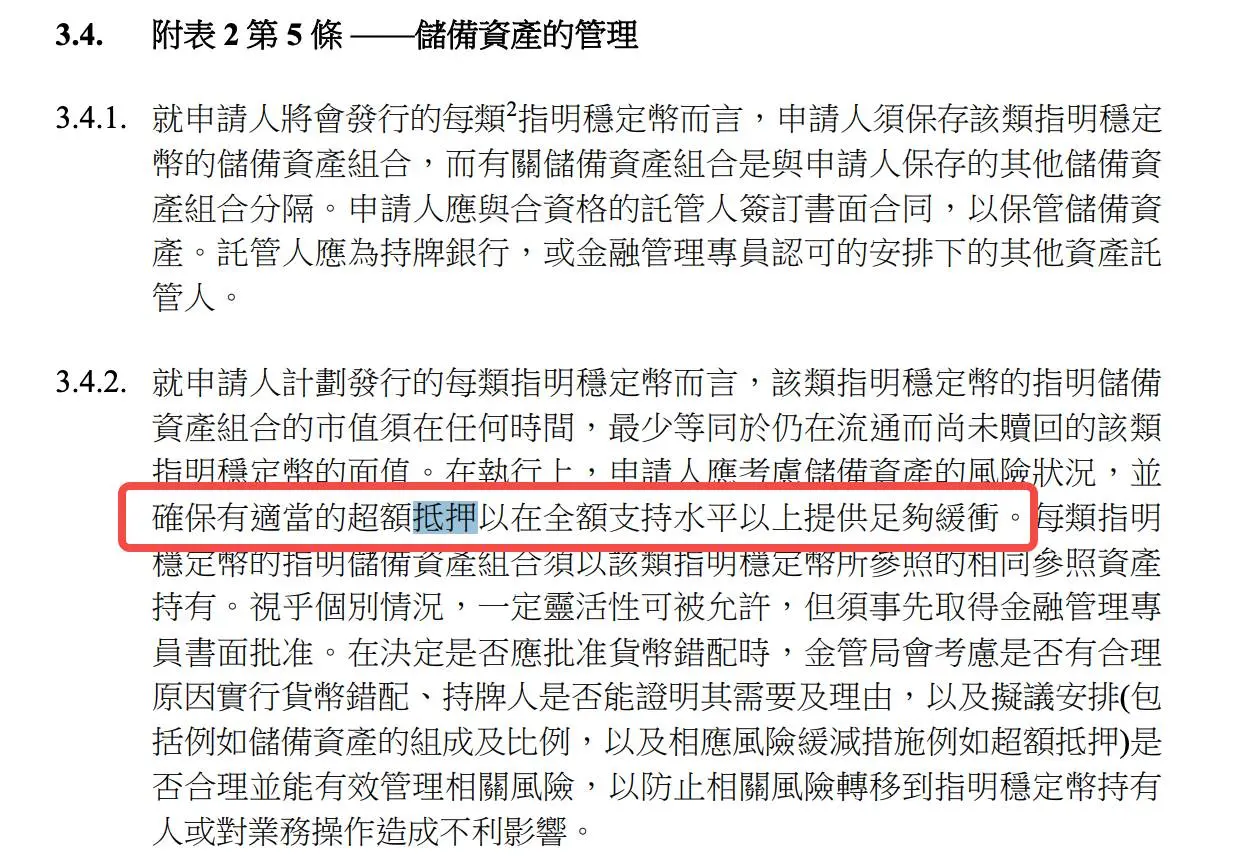
The regulatory guidelines clearly require that the market value of reserve assets must "at all times" be at least equal to the face value of the circulating stablecoins, while also "considering the risk profile of the reserve assets to ensure appropriate over-collateralization."
What exactly is this "appropriate"?
The guidelines do not provide specific numbers, but from the requirements for licensees to set internal limits for market risk indicators and conduct regular stress tests, it is evident that regulators expect issuers to dynamically adjust the over-collateralization ratio based on their own risk profiles.
This "principle-based" regulatory approach gives issuers some flexibility but also means higher compliance costs------you need to establish a complete risk assessment system to prove your "appropriateness."
In defining qualified reserve assets, Hong Kong demonstrates a prudent yet not conservative attitude.
In addition to traditional options like cash and short-term bank deposits, the regulatory guidelines also explicitly accept "tokenized forms of qualified assets." This leaves room for future innovations------theoretically, tokenized U.S. Treasury bonds and tokenized bank deposits could both qualify as reserve assets.
But the most striking aspect is the trust isolation arrangement.
For instance, licensees must establish "effective trust arrangements" to ensure that reserve assets are legally separated from their own assets, and they must obtain independent legal opinions to prove the effectiveness of such arrangements. This is not a simple accounting separation but ensures that even if the issuer goes bankrupt, the rights of stablecoin holders are protected.
In terms of transparency requirements, Hong Kong adopts a "high-frequency disclosure + regular audits" combination. Issuers must publish the market value and composition of reserve assets weekly, while independent auditors must verify them quarterly. In contrast, even the relatively compliant USDC currently only publishes reserve reports monthly. Hong Kong's requirements will undoubtedly significantly enhance the transparency of stablecoins.
Technical Requirements: Private Key Management is Professional
On the unique risk point of private key management in Web3, the regulatory guidelines exhibit surprising professionalism:
From key generation to destruction, from physical security to leak response, 12 specific requirements almost cover every aspect of the private key lifecycle.
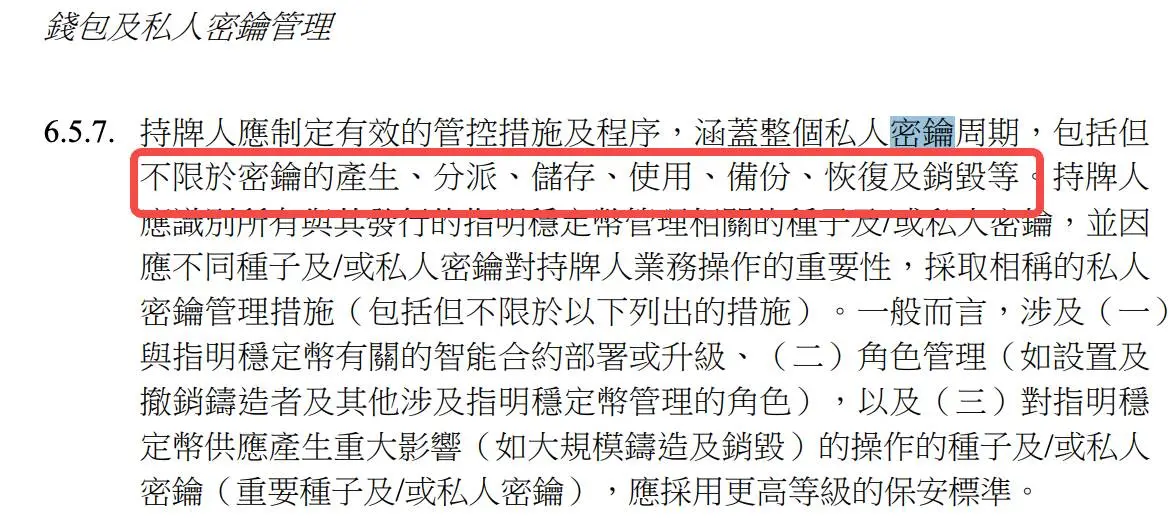
For example, "important private keys must be used in isolated environments"------this means that the private keys used for minting and destroying stablecoins cannot be exposed to the internet and must be operated in a completely offline environment;
"Key usage requires multiple authorizations"------no single individual can independently use critical private keys;
"The media storing keys must be located in Hong Kong or in places recognized by the Monetary Authority"------this directly rules out the possibility of hosting private keys overseas.
These requirements show that the Monetary Authority is not simply applying traditional financial regulation but genuinely understands the characteristics and risks of blockchain technology. To some extent, this guideline can be seen as a regulatory version of "best practices for enterprise-level private key management."
The requirements for smart contract audits are equally strict. Issuers must hire "qualified third-party entities" to conduct audits during the deployment, redeployment, or upgrade of smart contracts, ensuring that contracts "execute correctly," "align with expected functions," and "are highly assured to have no vulnerabilities or security flaws." Given that the smart contract auditing industry itself is still in its early stages, the definition of "qualified" may become a challenge in practice.
In customer identity verification, the regulatory requirements reflect a blend of Web3 and traditional KYC.
On one hand, issuers must complete "relevant customer due diligence" before providing services; on the other hand, they are required to "only transfer stablecoins to customer-registered wallet addresses." This design attempts to find a balance between anonymity and compliance.
Operational Standards: The "Banking" Path of Stablecoins
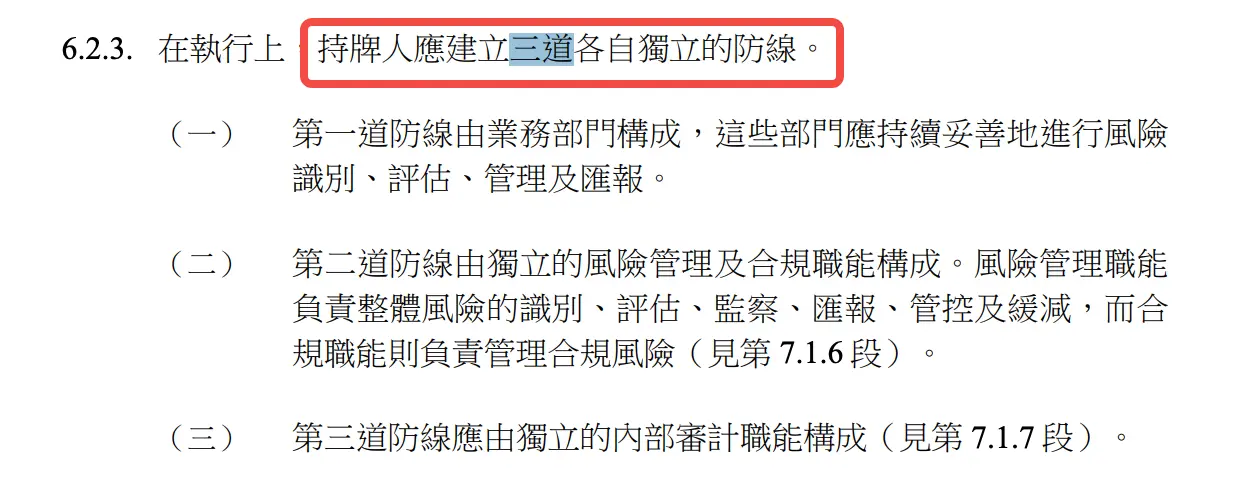
"T+1 redemption," "pre-registered accounts," "three lines of defense"------from these requirements in the original document, it is clear that Hong Kong hopes stablecoin issuers will align their operational standards with traditional financial institutions to maximize risk control.
First, let's look at the redemption time limit.
"Effective redemption requests should be processed within one business day of receipt"------this T+1 requirement is stricter than many existing stablecoins. Tether's terms of service reserve the right to delay or refuse redemptions, while Hong Kong's regulations elevate timely redemption to a legal obligation.
However, this "banking" approach is not a simple copy. The regulatory guidelines also allow for flexibility in "exceptional circumstances"------if a redemption delay is necessary, prior written consent from the Monetary Authority must be obtained. This mechanism is similar to the "pause withdrawal" clauses in banking, providing a buffer for system stability under extreme market conditions.
The three lines of defense risk management system directly borrows from mature practices in the banking sector:
The first line of defense is the business department, the second line is independent risk management and compliance functions, and the third line is internal audit. For many Web3-native teams, this means a fundamental change in organizational structure------you can no longer be a flat tech team but must establish a hierarchical and clearly defined organizational system.
Particularly noteworthy is the management of third-party risks.
Whether it is reserve asset custody, technology service outsourcing, or stablecoin distribution, all arrangements involving third parties must undergo strict due diligence and ongoing monitoring. The regulatory guidelines even require that if third-party service providers are located outside Hong Kong, issuers must assess the local regulatory authorities' data access rights and promptly notify the Monetary Authority when requested.
KYC Dilemma: Must Holders Be Real-Name Verified?
Currently, on social media, the most concerning issue is actually KYC.
Previous analyses have pointed out that the regulatory documents strictly require that any stablecoin holder must undergo identity verification, which also implies real-name verification.
We can take a look at the original wording of this document:
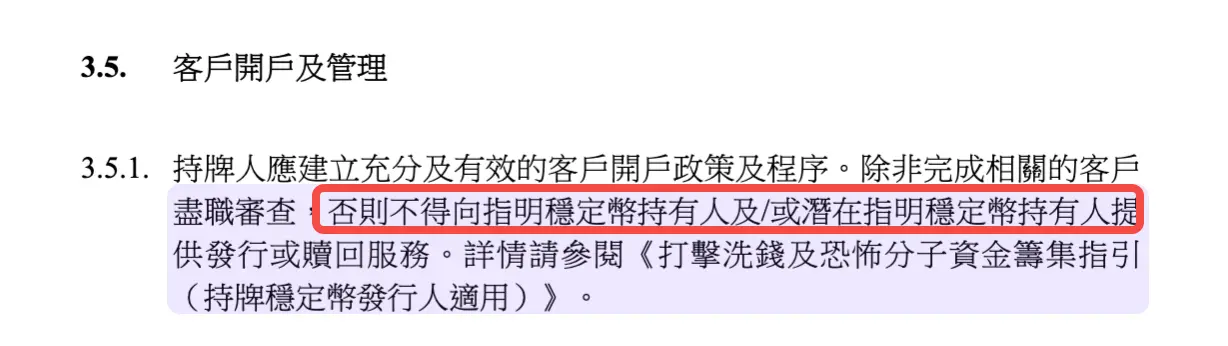
Although the regulatory guidelines distinguish between "customers" and "holders," a closer analysis reveals that this distinction is more like a "trap"------you can relatively freely obtain and hold stablecoins, but to realize its core value (redeeming fiat currency at any time), KYC is almost unavoidable.
The regulatory guidelines use seemingly lenient expressions in multiple places:
"Licensees should only issue designated stablecoins to their customers"
"Terms and conditions should apply to all designated stablecoin holders (regardless of whether they are customers of the licensee)"
This distinction suggests the existence of two groups: "customers" who need KYC and "holders" who do not. However, when we delve into the specific service provision process, we find that this distinction is more theoretical.
The key lies in the redemption service provisions: "No issuance or redemption services shall be provided to designated stablecoin holders and/or potential designated stablecoin holders unless relevant customer due diligence is completed."
This means: any holder wishing to exercise their redemption rights must first complete KYC to upgrade from "holder" to "customer."
The regulatory guidelines repeatedly emphasize that stablecoin holders enjoy the right to "redeem at face value," which is seen as the core guarantee of stablecoin "stability." But in reality, the exercise of this right is conditional------you must be willing and able to complete KYC.
For those holders who cannot complete KYC due to privacy concerns, geographical restrictions, or other reasons, this "right" is practically unenforceable.
In addition to identity verification, geographical restrictions may pose an even higher barrier.
The guidelines require issuers to "ensure that designated stablecoins are not issued or offered in jurisdictions where trading is prohibited," and they need to "take reasonable measures to identify and prevent the use of virtual private networks (VPNs)."
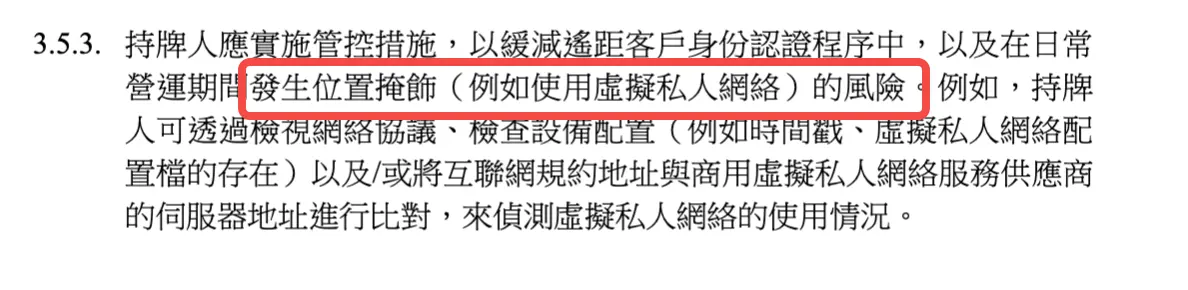
For global cryptocurrency users, such geographical fencing may be more restrictive than KYC itself.
However, for Hong Kong, this may be an acceptable trade-off: moderate restrictions in exchange for regulatory certainty and financial stability. But whether this model will become mainstream in the global cryptocurrency ecosystem remains to be seen.
Exit Mechanism: A "Safety Valve" for Future Contingencies
Among all regulatory requirements, the "business exit plan" may be the most easily overlooked yet most important aspect.
The regulatory guidelines require each issuer to prepare a detailed exit plan, including how to sell reserve assets, how to handle redemption requests, and how to arrange the handover of third-party services.
The rationale behind this requirement is the regulators' deep consideration of systemic risk.
Stablecoins differ from other crypto assets; their commitment to "stability" makes them more prone to large-scale adoption, but it also means that once problems arise, the impact will be broader. By requiring issuers to plan exit paths in advance, regulators aim to ensure that even in the worst-case scenario, the market can orderly absorb the shock.
The exit plan must cover asset sale strategies "under normal and stressed conditions." This means issuers need to consider:
If market liquidity dries up, how to liquidate reserve assets without causing a run? If banking partners terminate services, how to ensure redemption channels remain open?
The answers to these questions will directly determine the survival capability of a stablecoin project in times of crisis.
The Deep Logic of Hong Kong's Regulatory Path
Looking at this regulatory guideline, it is clear that Hong Kong has carved out a unique path in stablecoin regulation: neither the U.S. "enforcement-oriented" approach (forcing compliance through enforcement actions) nor the European "rules-oriented" approach (detailed written regulations), but a hybrid model of "principles + rules."
In key risk areas such as reserve management and private key security, the regulatory guidelines provide detailed rules; in specific implementations such as over-collateralization ratios and risk indicator settings, they retain principled flexibility.
This design reflects the pragmatic attitude of Hong Kong regulators, recognizing that the stablecoin industry is still rapidly evolving, and overly rigid rules may quickly become outdated.
The HKD 25 million licensing threshold is not low, but compared to the USD 5 million capital requirement for virtual asset trading platforms in Hong Kong, it is relatively reasonable; the technical requirements are detailed but also clearly accept innovations like "tokenized assets"; the operational standards are strict but also leave room for emergency mechanisms in market fluctuations.
More importantly, this regulatory framework demonstrates Hong Kong's understanding of the essence of stablecoins: they are not simply "cryptocurrencies," but key infrastructure connecting traditional finance and the digital economy. Therefore, regulatory standards must be high enough to maintain financial stability; but they must also be flexible enough to adapt to technological innovation.
For market participants, the signal conveyed by this guideline is clear:
Hong Kong welcomes responsible innovators, but be prepared to accept strict regulation.
Those wishing to issue stablecoins in Hong Kong need to carefully assess whether they possess the necessary financial strength, technical capabilities, and compliance resources.
And for the entire industry, Hong Kong's practice provides an important reference: stablecoin regulation is not about stifling innovation but about providing a sustainable development soil for innovation.
When regulatory rules are clear and enforcement standards are explicit, compliance costs are predictable, and the boundaries of innovation are explorative.
This may very well be the key to Hong Kong's continued competitiveness as an international financial center in the era of digital assets.
Recommended Reading:
The Fall Trilogy of Pump.fun: Legal Hunting, Price Halving, Trust Collapse
 Risk warning
 Risk warning



Popular articles





