








4E Labs | U Card Revolution: A Comprehensive Review of Global Digital Assets in 2025

 Only by balancing technology and compliance can we build a secure, open, and sustainable cryptocurrency payment ecosystem, truly achieving the seamless circulation and value release of digital assets.
1. Industry Overview
1.1 Market Size and Growth Trends
With the continuous maturation of blockchain technology and the rapid popularization of digital assets, crypto payments have become one of the most active innovation directions in the global fintech sector. According to data from Chainanalysis and Statista, the global crypto payment market size surpassed $70 billion in 2024 and is expected to reach $250 billion by 2027, with a compound annual growth rate (CAGR) exceeding 40%. In 2024, the number of global crypto payment users exceeded 100 million, with over 40% having tried crypto payment cards. The Asia-Pacific region (especially Southeast Asia), Latin America, and Europe are the fastest-growing areas for crypto payments, driven by cross-border e-commerce and international tourism.
1.2 Driving Factors
- Rise of Stablecoins: Stablecoins like USDT and USDC have increased the price volatility risk of crypto payments while enhancing the payment experience.
- Integration of Payment Platforms: Platforms like Apple Pay, Google Pay, and PayPal support crypto asset payments, facilitating the connection between on-chain assets and offline scenarios.
- Clarification of Regulatory Environment: Compliance guidelines for crypto payments have been established in multiple countries and regions, enhancing confidence among users and merchants.
- Shift in User Payment Habits: The younger digital-native generation is more willing to try and accept digital asset payments, driving industry growth.
2. Core Technologies and Models of Crypto Payments
2.1 Technical Architecture
Crypto payment systems typically consist of wallet management, payment gateways, on-chain smart contracts, and fiat currency exchange modules. The core focus is on achieving fast transfers and instant exchanges of stablecoins, ensuring users can seamlessly consume in a multi-currency environment.
2.2 Main Payment Models
- Real-time Balance Payments: Directly use the stablecoin balance in the wallet for payments, consuming pre-loaded funds and improving usage efficiency.
- Automatic Currency Exchange: Automatically convert multiple currencies based on real-time exchange rates, reducing exchange losses and minimizing user costs for cross-border consumption.
- Consumption of Liquid Investment Balances: Funds continue to earn interest in liquid investments while retaining flexible payment capabilities, maximizing asset liquidity.
3. Current Status and Competitive Landscape of the Global Crypto Card Market
3.1 Major Competitor Analysis
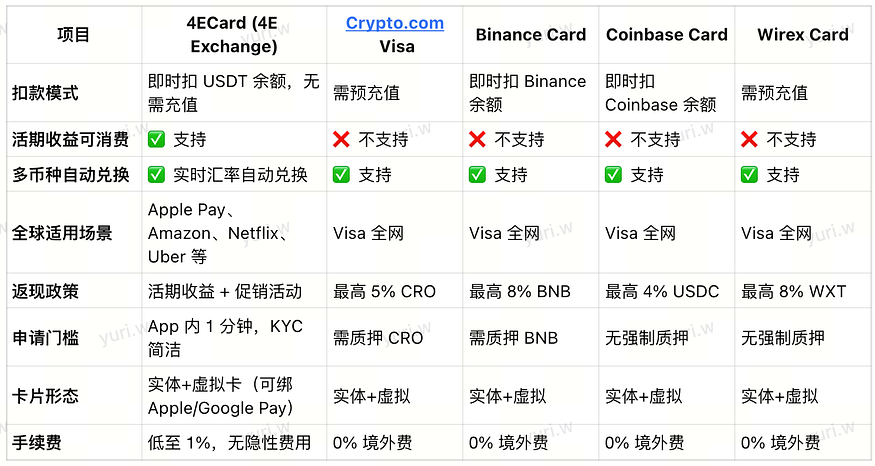
Current major competitors in the market include:
- Binance Card: Covers over 50 countries, supports multi-currency consumption, and has transparent fees.
- Crypto.com Card: Known for high cashback and VIP benefits, with a large user base.
- BlockFi Card: Focuses on cashback for crypto assets, emphasizing security and compliance.
- Wirex Card: Integrates multi-currency wallets and a global payment network.
3.2 User Profile and Needs
Users are primarily digital asset holders, aged between 25-40, valuing low fees, global usability, and asset security. Additionally, asset appreciation and fund safety are important considerations.
3.3 Typical Application Scenarios
- Cross-border Consumption: Airbnb, Booking, Uber
- Digital Subscriptions: Netflix, Spotify, YouTube
- E-commerce Shopping: Amazon, Shopee, Taobao
- Tool Services: AWS, Notion, Zoom
4. Case Study: In-depth Analysis of the 4ECard Product
4.1 Product Overview
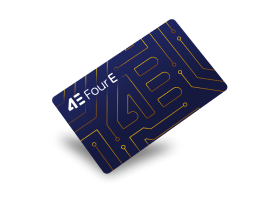
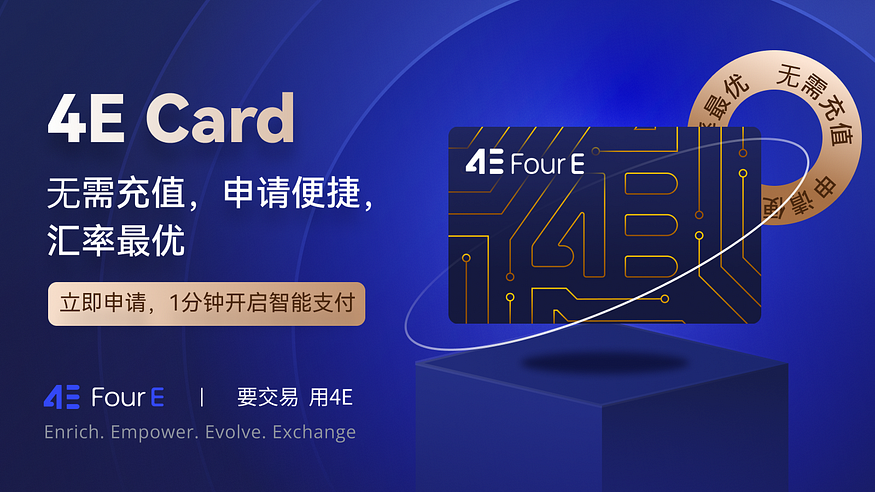
The 4E Card was officially launched in August 2025, aiming to break traditional recharge barriers and realize a new model of crypto payments where "balance is spent while earning." It is priced in USD, allowing direct consumption using the USDT balance in the 4E account, and supports instant payments from liquid investment balances, truly achieving a win-win for fund interest and payments. Fees start as low as 1%, with no hidden costs.
4.2 Core Function Highlights
- Consume Pre-loaded Funds, Real-time Settlement: Automatically deducts from account balance during consumption, utilizing pre-loaded funds.
- Liquid Investment Balance Payments: Funds earn interest while being available for payment at any time, maximizing fund efficiency.
- Easy Application: Quick online navigation in 1 minute, simplifying the KYC process.
- Multi-currency Automatic Exchange: The system matches optimal exchange rates in real-time, reducing exchange losses.
- Global Usability Across Multiple Scenarios: Supports various consumption scenarios including payments, shopping, travel, entertainment, and business.
4.3 Global Consumption Coverage Scenarios
The 4ECard supports the following major platforms and services:
- Payments and Subscriptions: WeChat, Alipay, Google Pay, PayPal
- E-commerce Shopping: Amazon, Taobao, JD.com, Ctrip, eBay, Shopee
- Transportation and Travel: Uber, Grab, Gojek, Tada, Bolt, Airbnb, Booking.com, Expedia, Skyscanner
- Entertainment Services: Netflix, Spotify, TikTok, YouTube
- Business and Tools: AWS, Notion, Zoom
5. Comparison of Mainstream Global Crypto Cards (2025 Edition)
6. Industry Trends and Future Outlook
6.1 Trend Forecast
With the continuous development of the digital economy and the maturation of blockchain technology, the global crypto payment industry is ushering in an exciting development landscape. Payment methods are showing a trend of diversification, with various technological forms such as digital wallets, QR code payments, and near-field communication (NFC) coexisting to meet different user habits and needs. Consumers can not only make payments through traditional consumption methods but are increasingly using mobile apps, QR code payments, and contactless payments, providing a technological foundation for the popularization of crypto payments.
At the same time, the integration of blockchain technology with traditional financial systems is deepening. As regulatory agencies around the world gradually improve compliance frameworks, compliance has become an important driver for the healthy development of the crypto payment industry. Technological innovation not only enhances payment efficiency and security but also promotes cooperation between more mainstream financial institutions and blockchain companies, facilitating the penetration of digital assets into a broader user base.
Moreover, cross-chain asset payments are gradually emerging, and supporting the free flow of multi-chain assets has become a new direction for industry development. Enhanced interoperability between different blockchains allows users to manage and use their digital assets more flexibly, achieving a richer and more convenient payment experience. The development of cross-chain technology further expands the ecological scope of crypto payments, promoting the global payment system towards a more open and diversified direction.
6.2 Ongoing Challenges
Despite the rapid development of the crypto payment industry, it still faces urgent issues that need to be addressed. First, exchange rate risk remains a key concern for users and merchants. Due to the increased volatility of crypto asset prices, effectively managing users' exchange rate risks during payments and avoiding negative user experiences has become a focal point for technology and operators. The industry needs to introduce more risk management tools and dynamic exchange rate locking mechanisms in the future to ensure transaction stability.
Secondly, insufficient user awareness and education equate to a denial of the popularization of crypto payments. The technical complexity and novelty involved in crypto payments mean that many consumers and merchants have not fully understood the operational processes, security, and advantages. Therefore, strengthening educational outreach to enhance users' digital asset management capabilities and security awareness is key to promoting acceptance of crypto payments among mainstream merchants and consumers. Companies and regulatory bodies in the industry need to conduct multi-level and multi-channel educational promotion activities to lower the barriers for user adoption.
Finally, the differences in regulatory policies across countries pose significant challenges for industry compliance. Variations in legal regulations, compliance requirements, and enforcement intensity regarding crypto asset regulation in different countries and regions have created a complex compliance environment for cross-border crypto payment businesses. Crypto payment platforms need to closely monitor global policy dynamics, flexibly adjust compliance strategies, and ensure legal and compliant operations within the crypto asset regulatory framework while promoting the gradual unification of industry standards to facilitate healthy and sustainable industry development.
7. Conclusion and Recommendations
The 4ECard is an innovative product in the industry, successfully addressing traditional recharge and fund issues with its innovative real-time fund settlement and liquid investment balance consumption model, providing users with a more efficient and flexible crypto asset consumption experience.
In the future, the forefront of the crypto payment industry needs to drive technological advancements, particularly in achieving breakthroughs in multi-currency automatic exchange, risk management, and user experience optimization. Additionally, strengthening ongoing user education and compliance construction will become key driving forces for the industry's move towards large-scale popularization. Only by balancing technology and compliance can a secure, open, and sustainable crypto payment ecosystem be built, truly realizing the seamless circulation and value release of digital assets.
 Risk warning Risk warning


Popular articles





