Hyperliquid Stablecoin War: In-Depth Analysis of Ecology, Technology, Market, and Regulation

 The biggest challenge of the USDH project does not come from external market competition, but rather from the lethal combination of its internal platform risks and aggressive financial innovation. The outcome of this battle will not only determine the future of Hyperliquid but will also serve as a decisive case for the entire DeFi industry on how to price risks in the face of high growth temptations.
Hyperliquid platform has recently staged a "stablecoin war" for the issuance rights of its USDH, attracting industry giants like Paxos, Frax, and Ethena to invest billions, creating an unprecedented spectacle. Behind this is Hyperliquid's monthly trading volume of up to $400 billion and its immense ecological appeal. However, beneath this capital feast lies a more severe issue: the combination of known historical security vulnerabilities on the Hyperliquid platform with the high-risk, high-reward stablecoin model is brewing a systemic risk that could jeopardize the entire ecosystem.
This report deeply analyzes this battle. We believe that the essence of this competition is not merely a commercial bidding process, but a gamble between "compliance and stability" (represented by Paxos) and "high-yield temptation" (represented by Ethena). The core contradiction lies in the fact that regardless of which glamorous proposal is chosen, USDH will be built on a historically flawed technical foundation—issues such as validator centralization and oracle manipulation (the XPL incident) are the "original sins" that cannot be circumvented in any discussion.
This report argues that the greatest challenge for the USDH project does not come from external market competition, but from the lethal combination of internal platform risks and aggressive financial innovation. The outcome of this battle will not only determine the future of Hyperliquid but will also serve as a decisive case for the entire DeFi industry on how to price risks in the face of high-growth temptations.
Chapter 1: Introduction
1.1 The Core Role of Stablecoins in the Crypto Economy
Stablecoins are cryptocurrencies that are pegged to a stable asset (usually fiat currency), playing a key role in linking the fiat and digital asset worlds in the crypto economy. Depending on the collateral and mechanisms, stablecoins can be divided into three categories: fiat-collateralized stablecoins (like USDT and USDC), which are backed 1:1 by reserves of fiat currencies; crypto-collateralized stablecoins (like DAI), which are issued through over-collateralization of crypto assets; and algorithmic stablecoins, which rely on algorithms and arbitrage mechanisms to maintain their peg, carrying higher risks. Stablecoins have become the core medium of exchange and store of value in the crypto market, playing an indispensable role in trading settlements, decentralized finance (DeFi), and cross-border payments. By mid-2025, the total market capitalization of global stablecoins is expected to exceed $250 billion.
1.2 Hyperliquid Platform
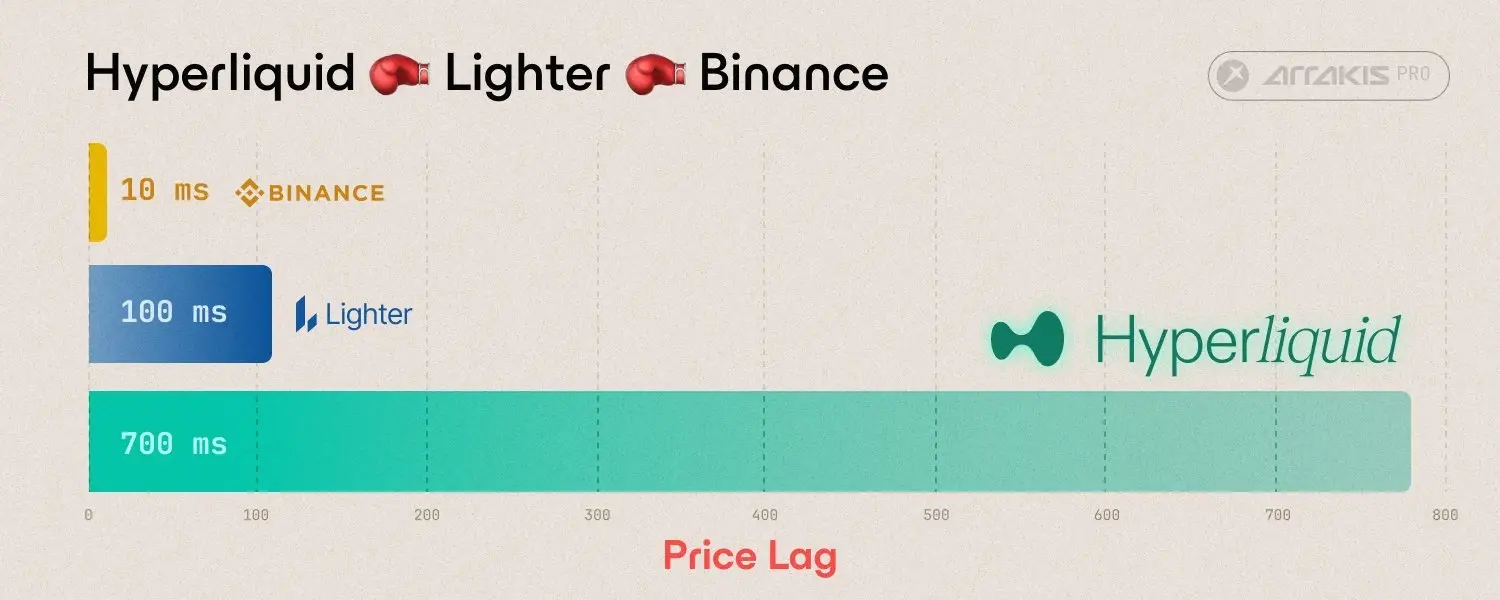
Hyperliquid is a vertically integrated high-performance Layer-1 public chain and decentralized exchange (DEX) focused on on-chain derivatives trading. Its core advantage lies in adopting an on-chain order book model, combined with its self-developed HyperBFT consensus mechanism, achieving a processing capacity of up to 200,000 orders per second and sub-second transaction confirmation delays, providing performance and experience comparable to centralized exchanges. As of August 2025, Hyperliquid's perpetual contract monthly trading volume has approached $400 billion, firmly holding the top position in the DeFi derivatives market. Its development vision is to create a high-throughput, low-latency, and fully functional on-chain financial system.

1.3 The Origin of the Hyperliquid Stablecoin War
Hyperliquid decided to launch its native stablecoin USDH to reduce reliance on external stablecoins (especially USDC), enhance ecological autonomy, and share the enormous profits generated by stablecoin reserve assets. Instead of issuing it independently, the platform chose to invite top global institutions to submit proposals through a public bidding process. This move quickly triggered a seismic shift in the industry, with six well-known organizations, including Paxos, Frax Finance, Sky (MakerDAO entity), Agora, Native Markets, and Ethena Labs, participating in the competition, each proposing unique designs and attractive conditions. The core criterion for bidding is to bring maximum value to the Hyperliquid ecosystem, with the final winner to be determined by a vote from network validators on September 14, 2025.
This competition brings together top players from both centralized and decentralized fields, referred to in the industry as the "Hyperliquid Stablecoin War." However, it is not only related to the financial cornerstone of Hyperliquid's ecological future but also directly pushes this rapidly growing yet shallow-rooted platform to the limits of financial stability and security stress testing. The real highlight of the event lies in whether the community and validators will lean towards short-term high yields or long-term safety and stability—this choice will directly collide with the platform's own technical risks.
Chapter 2: In-Depth Analysis of Hyperliquid Stablecoin (USDH)
2.1 USDH Proposal: A Route Struggle Between "Wall Street" and "Crypto Enthusiasts"
The six proposals for USDH appear to be a competition of business plans, but in reality, they are a confrontation of two distinctly different development philosophies. One side, represented by Paxos, follows the "Wall Street route," emphasizing compliance, transparency, and regulatory friendliness, promising a safe but limited stablecoin. The other side, represented by Ethena, follows the "crypto-native route," offering a highly attractive yet potentially riskier future through aggressive profit-sharing models and substantial ecological incentives. The outcome of this confrontation will profoundly define the ecological temperament of Hyperliquid.
The core of all proposals lies in how to manage USDH's reserves and how to allocate the interest income generated. The main proposal mechanisms are as follows:

2.2 The Technical Architecture of USDH: A Double-Edged Sword of Efficiency and Risk
USDH will be natively issued on the Hyperliquid chain, fully enjoying its technical advantages:
● Unified State Architecture: The trading layer (HyperCore) and the smart contract layer (HyperEVM) share the same state, allowing USDH's issuance, trading, and DeFi application interactions without cross-chain or cross-layer, fundamentally eliminating bridging risks and achieving atomic operations.
● HyperBFT High-Performance Consensus: Provides sub-second transaction confirmations and extremely high throughput, ensuring that USDH's transfer and trading experience is as instantaneous as internet payments.
● Dual-Block Architecture: By running "fast blocks" for 2 seconds and "slow blocks" for 60 seconds in parallel, it meets the needs of USDH for high-frequency small payments and complex DeFi operations.
● Deep Integration with Ecological Protocols: USDH will become the base currency for native applications such as HLP Vault (liquidity pool) and Hyperlend (lending protocol), constructing an internal value closed loop of "minting-trading-lending-payment."

In summary, Hyperliquid's architecture is a finely crafted double-edged sword. The unified state and high-performance consensus provide USDH with unparalleled efficiency and native advantages. However, this high degree of coupling also means "one prospers, all prosper; one suffers, all suffer." Any underlying security lapse or performance issue will be transmitted to USDH's stability and value without buffer, resulting in catastrophic consequences.
2.3 Potential Risks of USDH: The Unignorable "Historical Original Sin"
Among all the risks faced by USDH, the most fatal and fundamental risks stem from the Hyperliquid platform itself. These historically known vulnerabilities, which have not been thoroughly resolved, are the premise for assessing all other risks.
Core Risks: Historical "Original Sins" of the Platform
Validator Centralization: Reports have indicated that the network was maintained by only a handful of validator nodes in its early stages, constituting potential single points of failure and collusion risks. The issuance and governance of USDH are likely to be controlled by a few key players.
Oracle Manipulation Incident (XPL Incident): Attackers previously threatened the HLP treasury by manipulating the prices of low liquidity tokens. This proves that the platform's oracle mechanism is susceptible to attacks under extreme market conditions, posing a fatal threat to any stablecoin relying on price oracles (especially its liquidation mechanism).
Security Reputation Incident (Lazarus Group Allegations): The platform previously triggered community panic and massive capital outflows due to wallet activities related to the North Korean hacker group Lazarus Group. This indicates that the market's trust in the platform remains fragile, and any minor disturbance could trigger a run.
These "historical original sins" loom like ghosts over the USDH project, amplifying all other risks several times:
● Reserve Management Risk (Platform Risk Amplification): Even if reserves are 100% secure, if the platform's oracle can be manipulated, the liquidation mechanism could be attacked, indirectly threatening the entire stablecoin system.
● Competition Risk (Amplification of Internal Challenges): On a platform with historical vulnerabilities, any rumors about poor USDH operations will be exploited by competitors, quickly evolving into a trust crisis.
● Regulatory Risk (Passive Trigger): If the platform experiences a major incident due to security issues, it will undoubtedly attract severe scrutiny from regulatory agencies, potentially leading to the direct prohibition of related stablecoin operations.
Chapter 3: The Landscape of Mainstream Stablecoins and the Competition of USDH
3.1 Review of Similarities and Differences Among Mainstream Stablecoins (USDT, USDC, DAI)
● Similarities: All are pegged to the US dollar, widely applicable, meeting the market's demand for a stable value medium.
● Differences: Significant differences exist in collateral mechanisms (centralized fiat vs. decentralized crypto assets), degree of centralization and regulation (corporate operation vs. DAO governance), and risk exposure (custodial risk vs. smart contract and collateral volatility risk).

3.2 Positioning of USDH in the Existing Stablecoin Landscape
● Ecosystem Native Stablecoin: Possesses a strong endogenous demand market in Hyperliquid, providing a cold start advantage.
● Compliance and Institutional-Friendly Potential: By choosing regulated entities like Paxos as issuers, it is expected to attract traditional institutional funds.
● Innovative Profit-Sharing Model: Returning reserve profits to the community constitutes a dimensional attack on the traditional "issuer-exclusive profit" model, potentially leading a new wave of stablecoin innovation.
3.3 Competitive Landscape Faced by USDH
USDH faces market competition from mainstream stablecoins, fierce competition from internal bidders within Hyperliquid, and indirect competition from other ecosystem native stablecoins. More importantly, the experiences of Aave's GHO and Curve's crvUSD serve as a severe warning: launching a native stablecoin even in a relatively mature and secure ecosystem is fraught with challenges. Moreover, USDH not only has to face all these challenges but also bears the unique historical risk burden of the Hyperliquid platform, making its path to breakthrough exceptionally arduous.
Chapter 4: Latest Development Trends and Regulatory Policies in the Stablecoin Sector
4.1 Latest Development Trends in the Stablecoin Sector
● Continuous Growth and Diversification of Market Size: Total market capitalization has surpassed $250 billion, with new issuers (such as payment giant PayPal) and new types continuously emerging.
● Compliance and Transparency as Core Competitiveness: Publicizing reserves and conducting regular audits have become industry standards.
● Expansion and Deepening of Application Scenarios: Expanding from trading mediums to cross-border payments, retail settlements, and on-chain asset tokenization.
● Rise of Yield-Generating Stablecoins: Represented by Ethena's USDe, sharing reserve profits has become key to attracting users.
● Potential Interaction with CBDCs: In the long term, private stablecoins and central bank digital currencies may form a complementary coexistence relationship.
4.2 Stablecoin Regulatory Policies
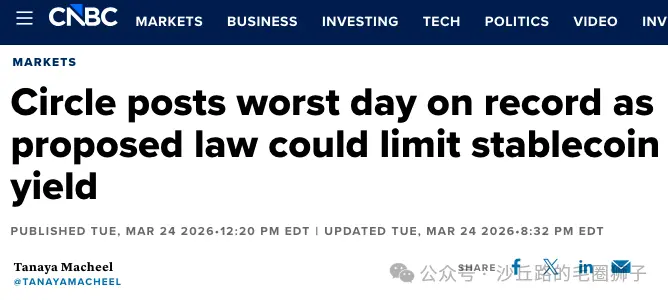
● United States (GENIUS Act): Establishes a regulatory framework of "federal license + full high-quality reserves + prohibition of interest," bringing stablecoins under the banking regulatory system.
● European Union (MiCA Regulation): Effective from June 2024, it provides detailed regulations on issuer qualifications, reserve management, consumer rights, etc.
● Global Trends: Emphasizing reserve quality, consumer protection, and anti-money laundering (AML/CFT), regulatory convergence is evident.
Chapter 5: Conclusion and Outlook
5.1 The Far-Reaching Significance of the Hyperliquid Stablecoin War
The true significance of this battle is not to showcase the prosperity of DeFi but to reveal how risks are systematically underestimated in the high-growth frenzy of a bull market. It is a perfect case that demonstrates the potential conflicts that may arise when innovative financial models (high-yield stablecoins) meet a technology platform that has not yet undergone sufficient time testing. Hyperliquid's choices will become a litmus test for the industry in balancing "growth speed" and "safety baseline."
5.2 Future Outlook for USDH and Predictions for the Final Winner
Predictions for the Final Winner and Key Variables
Based on the crypto community's inherent preference for high yields and the substantial incentives provided by the Ethena proposal, we predict that Ethena Labs' proposal has the highest likelihood of ultimately winning. However, this is also the choice with the highest risk. The aggressive model of Ethena combined with Hyperliquid's historical vulnerabilities will create an extremely unstable "pressure cooker." The final outcome will depend on two key variables:
Can Hyperliquid present a strong, verifiable plan to address its historical security issues before USDH goes live?
Is the winning bidder (especially Ethena) willing to transfer part of its governance and risk control authority to a more decentralized and independent community oversight body in an immutable manner?
If the answers to these two questions are negative, then the future of USDH will be filled with uncertainty.
5.3 Future Development Directions of the Stablecoin Sector
The future stablecoin sector will evolve in four major directions: diversification, compliance, innovation, and deep integration with traditional finance. Stablecoins will become smarter, more widespread, and gradually blur the boundaries with traditional finance.
5.4 Recommendations
● For the Hyperliquid Community: The historical security vulnerabilities of the platform must be prioritized as the highest priority issue for inquiry. When voting, do not be blinded by short-term gains; instead, demand that all candidates submit detailed mitigation plans addressing the platform's specific risks.
● For USDH Issuers: They must confront the underlying risks of Hyperliquid and proactively establish additional risk reserves and emergency plans beyond the commitments of the proposals. Transparency should not be limited to reserves but should also include real-time monitoring reports on the platform's security status.
● For Regulatory Agencies: They must recognize that regulation of such projects should not only focus on the issuer level but should extend to the underlying platform on which they operate. Platform-level risks are a blind spot in the current regulatory framework.
● For Market Participants: They must understand that potential high yields always come with commensurate high risks. When participating in USDH, it should be viewed as a high-risk financial experiment rather than a risk-free stable asset.
Appendix
Glossary
● Hyperliquid: A next-generation high-performance Layer-1 public chain decentralized trading platform.
● USDH: The native stablecoin planned for issuance by Hyperliquid.
● HYPE: The native token of the Hyperliquid platform.
● HyperBFT: The customized Byzantine fault-tolerant consensus protocol adopted by Hyperliquid.
● Unified State Architecture: A core technical feature of Hyperliquid that eliminates cross-layer communication delays.
● GENIUS Act: The federal stablecoin legislation passed in the United States in 2025.
● MiCA: The EU Regulation on Markets in Crypto-Assets.
● GHO / crvUSD: Native stablecoins issued by Aave and Curve protocols, which can serve as reference cases for USDH.
 Risk warning
 Risk warning