








The top signal has appeared, is the market trend about to reverse?

 After the Federal Reserve meeting, the probability of a market correction is very high, and it is recommended to lock in existing profits first.
Original Author: arndxt
Original Compilation: Saoirse, Foresight News
Editor's Note: The market is at a delicate turning point. The author believes that the strange balance of rising assets amid high interest rates is about to be broken. The author specifically points out that the current open interest in altcoins has surpassed Bitcoin for the first time, which has historically corresponded to local tops, serving as a signal of a market peak; at the same time, there is an 88% probability of a pullback after the Federal Reserve meeting, severely skewing the risk-reward ratio. Based on this, the author suggests that locking in profits or avoiding pullbacks is the best strategy at this time, and investors need to remain vigilant and adjust their investment layout in a timely manner.
The current trend is nearing its end.
Currently, our established research model shows that the market is approaching a trend reversal point. From the perspective of risk and reward, the current pattern is clearly unbalanced: after the Federal Open Market Committee (FOMC) meeting, the probability of a market pullback is extremely high.
It is recommended to lock in existing profits before the final wave of the market arrives.
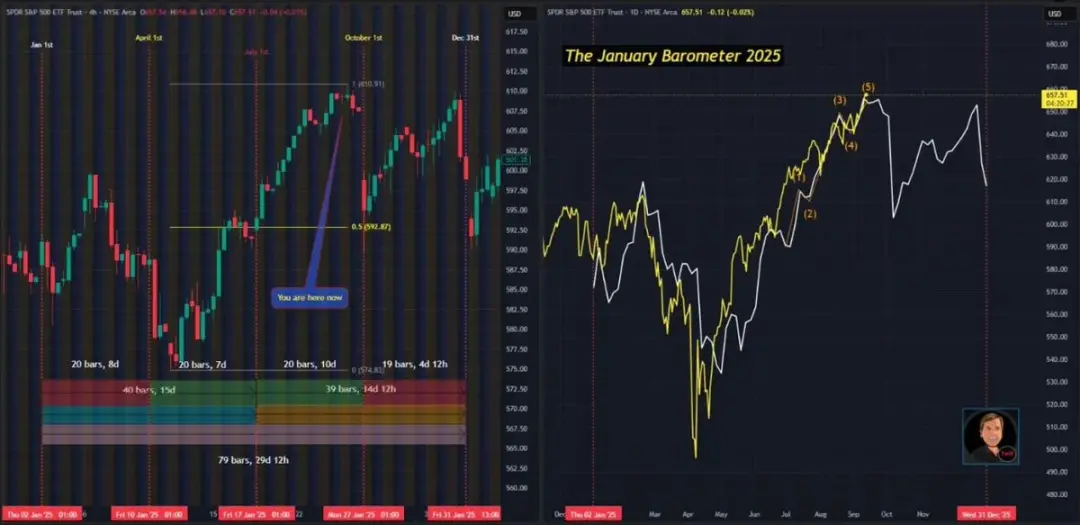
Image Source: @RamboJackson 5
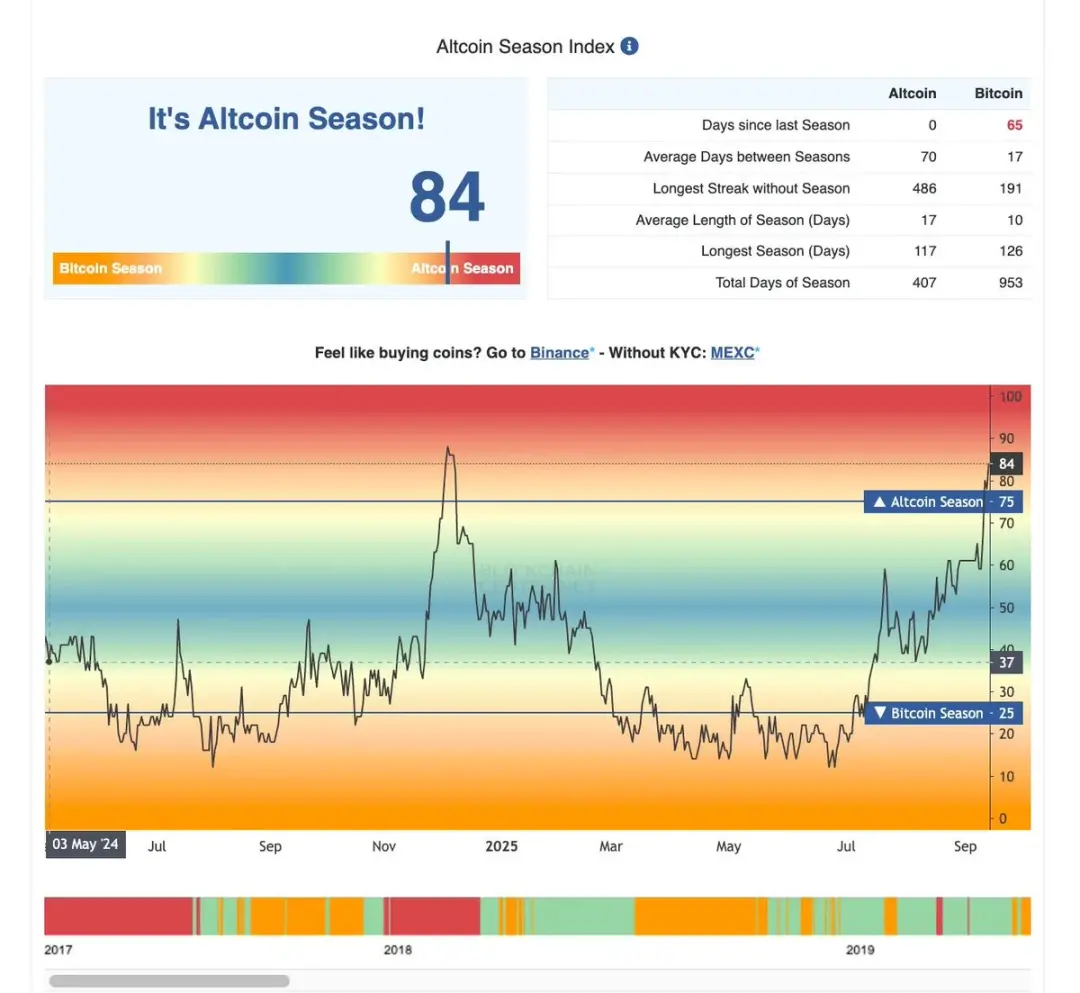
Since last December, the open interest in alternative investments (cryptocurrencies other than Bitcoin) has surpassed Bitcoin for the first time; historically, the last two occurrences of this phenomenon coincided with local tops in the market.
Today, perhaps only 1% of market participants can feel the real market frenzy. For the remaining participants, the true winners will be those investors who strategically position themselves around "assets that can continuously attract market attention" during periods of liquidity tightening.
The core characteristics of the current market are: liquidity is showing a "selective concentration" trend, the macro environment is generally bearish, and fiat currencies are continuously depreciating. Even in such an unfavorable environment, asset prices are still rising against the trend.
The biggest difference in this cycle compared to previous ones is: the market cycle of 2021 was driven by liquidity—credit costs were low, and liquidity was abundant, benefiting risk assets across the board from the easing environment;
The market in 2025 is completely different: current interest rates are high, liquidity is tight, yet risk assets (Bitcoin, stocks, and even gold) are still gradually rising.
Why does this contradiction exist? The core driving force is the depreciation of fiat currency—investors are allocating assets to hedge against the risk of cash depreciation.
This trend has fundamentally changed the market rhythm: the previous "broad-based bullish" risk appetite is being replaced by a structural trend of "capital concentrating on quality, resilient assets." The market logic has shifted from "blindly chasing all assets" to "precisely timing, maintaining patience, and strictly adhering to discipline."
Ultimately, the depreciation of fiat currency itself is key. Today, investors allocate assets not only to pursue profit growth but also to hedge against the risk of cash depreciation.
- 2021: Liquidity expansion drives growth → Risk assets outperform;
- 2025: Fiat currency depreciation drives growth → Hard assets (gold, commodities, etc.) and quality targets perform strongly.
This shift in market logic has significantly increased the difficulty of investing—you can no longer rely on an environment of "flooding capital and abundant opportunities." But for investors who can adapt to the new logic, it also means clearer structural opportunities.
Liquidity Reality Check
Despite numerous bullish signals in the market (Bitcoin's market cap share declining, open interest in alternative investments exceeding Bitcoin, CEX tokens rotating upward), overall liquidity remains scarce. In recent years, "pump-and-dump projects" spawned by meme coins and tokens endorsed by celebrities have left many investors suffering from "investment post-traumatic stress disorder (PTSD)."
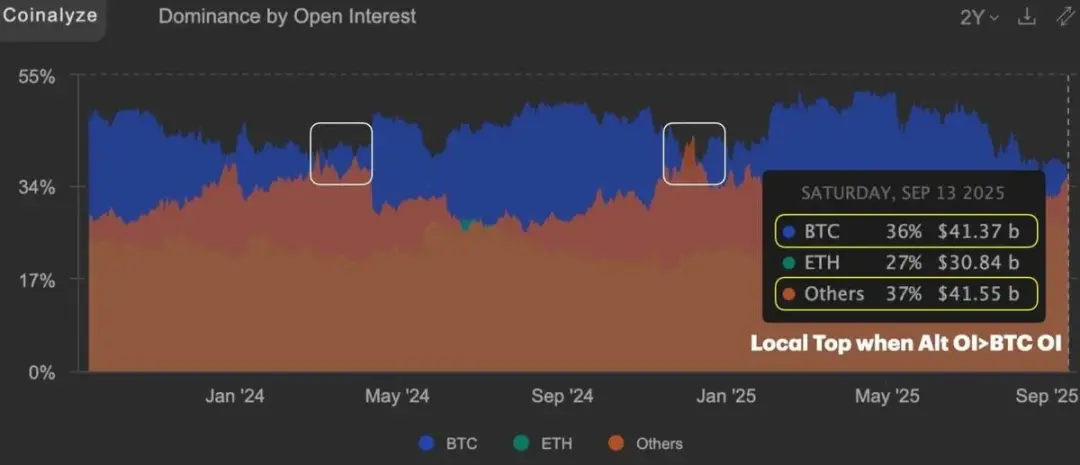
Image Source: @JukovCrypto
Affected by "investment PTSD," many traders are keen to chase "newly launched hot projects" for short-term thrills, but they have provided almost no sustained funding support for genuine project developers.
As a result, market liquidity is increasingly concentrating on "high market cap assets with loyal communities"—these assets can continuously attract market attention and capital inflows.
Federal Reserve and Bond Market
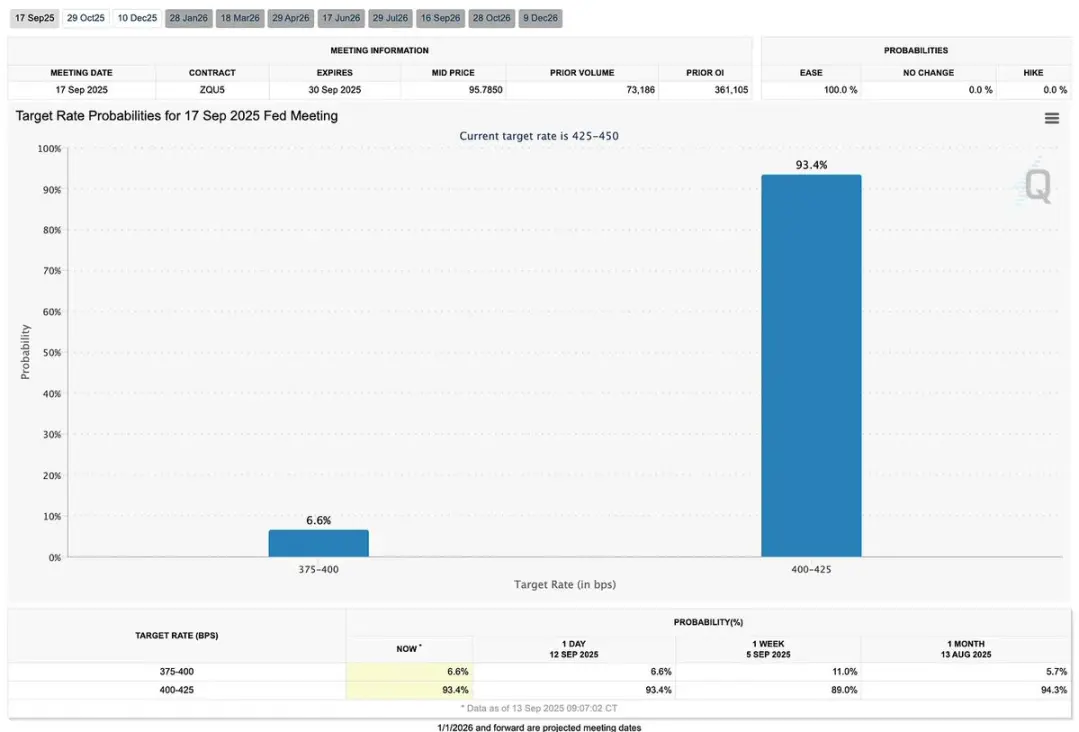
The bond market has already priced in expectations of a "market downturn." According to FedWatch tool data, the market estimates the probability of a 25 basis point rate cut by the Federal Reserve at about 88%, while the probability of a 50 basis point cut is only 12%. It is important to note:
- Historically, a "first 50 basis point rate cut" is often seen as a signal of economic recession, typically leading to a "slow bleed" in the market;
- In contrast, a "first 25 basis point rate cut" is more often interpreted as a signal of "economic soft landing," supporting economic growth.
The current market is at a critical turning point. Considering seasonal indicators, the risk of increased market volatility after the Federal Open Market Committee meeting has gradually become apparent.
Core Conclusions
"Continuous stability" beats "short-term speculation";
"Patient positioning" beats "FOMO (fear of missing out)";
"Precise timing" beats "pursuing Alpha (excess returns)."
The following will provide a detailed analysis from the perspectives of macro event outlook, Bitcoin heat indicators, market panorama review, and core economic data interpretation, with data as of September 14, 2025.
Macro Event Outlook
Last Week Review
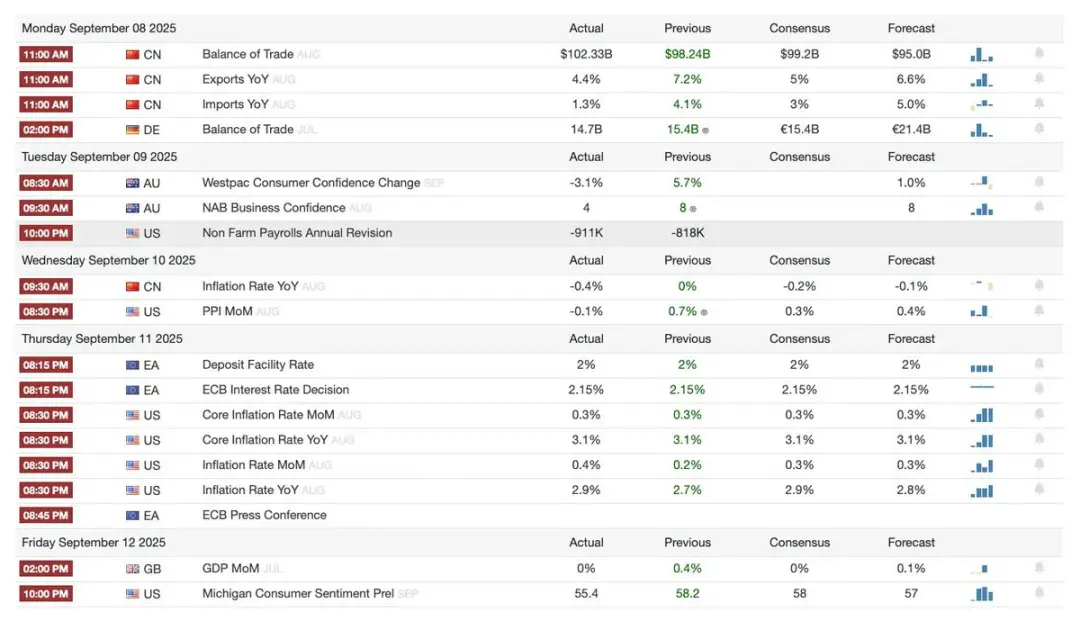
Next Week Preview
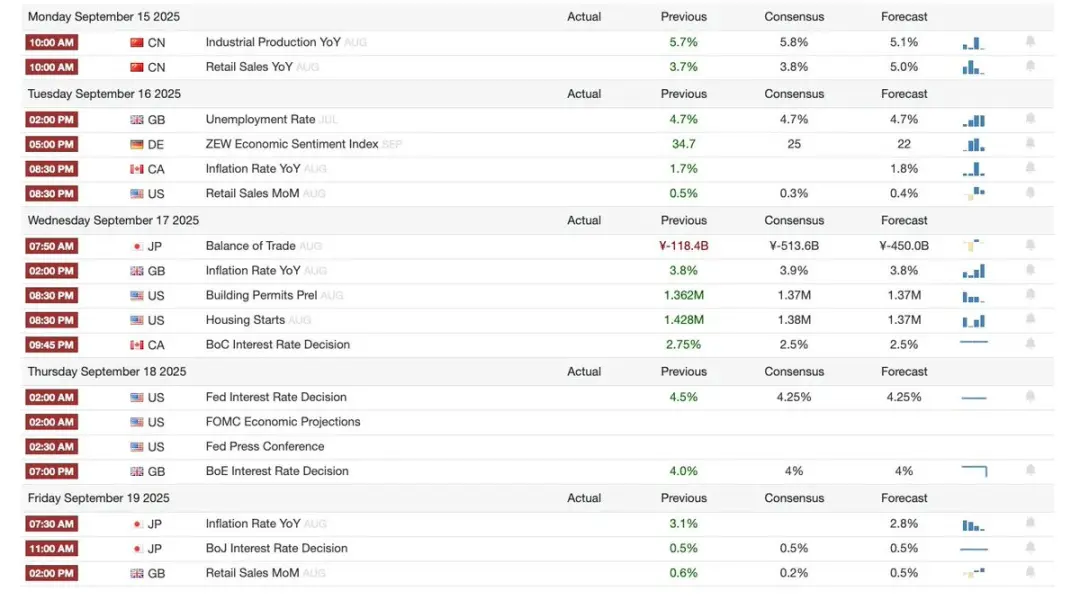

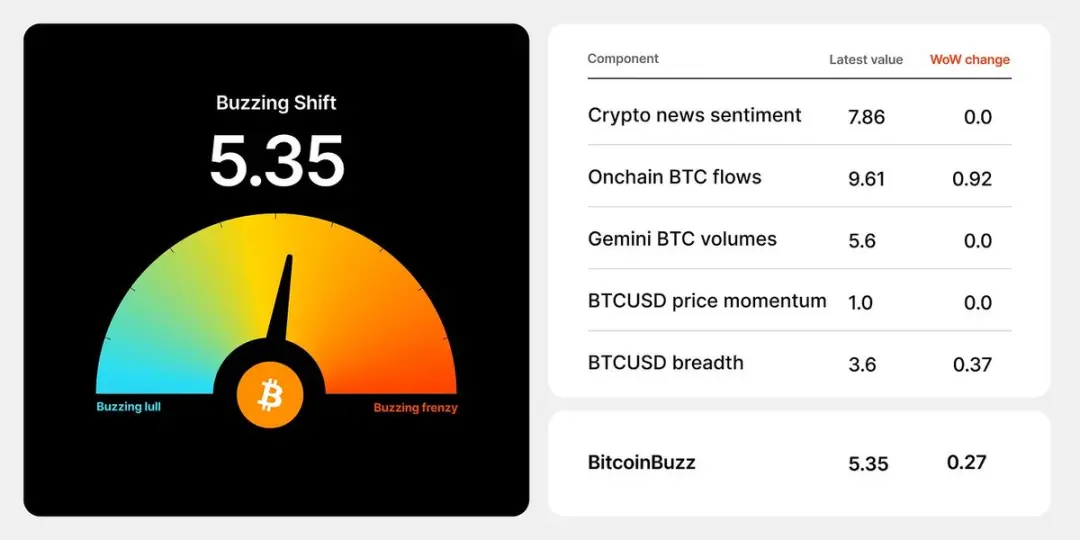
Bitcoin Heat Indicators
Market Panorama Review
- Dogecoin ETF Milestone: The DOJE ETF, jointly launched by REX Shares and Osprey Funds, becomes the first fund in the U.S. to directly track the price of Dogecoin. This event marks a certain recognition of "meme coins" in traditional financial markets, but due to the lack of practical application scenarios for Dogecoin, its demand is expected to remain primarily retail-driven.
- Cboe's Perpetual Futures Plan: The proposed Bitcoin and Ethereum futures contracts could have a maximum duration of 10 years, using a daily cash settlement mechanism. If this plan receives regulatory approval, it is expected to reduce rollover costs for investors, enrich institutional investors' derivative strategies, and enhance market liquidity.
- Ant Digital Asset Tokenization: Ant Digital has linked $8.4 billion in renewable energy assets with AntChain, achieving "real-time production data tracking" and "automated profit distribution." This "institution-first" model highlights the application value of blockchain technology in large-scale infrastructure financing.
- Forward Company's Solana Vault Layout: A $1.65 billion private equity investment (PIPE) led by Galaxy and Jump Crypto has made Forward Industries one of the core holding institutions in the Solana ecosystem. This marks the first large-scale allocation of institutional funds into "cryptocurrency assets beyond Bitcoin and Ethereum," potentially reshaping Solana's capital market narrative.
Core Economic Data Interpretation
Core Insights for Ordinary Users
- Tightening Job Market: Employment opportunities, especially in traditional industries, are decreasing. It is recommended to shift towards more resilient fields such as healthcare and services through skill enhancement.
- Short-term Improvement in Purchasing Power, but Risks Remain: Current wage purchasing power has improved, but inflation driven by tariffs may quickly erode this benefit, so caution is advised for large purchases.
- Debt Relief Opportunities Approaching: If interest rates are lowered, debt pressure may ease, but current household financial stress is rising. It is advisable to maintain a conservative budget and prepare for debt refinancing.
- Increased Investment Volatility: Rate cuts may provide short-term boosts to the market, but inflation risks could lead to rapid profit reversals, necessitating vigilance against volatility risks.
Labor Market Dynamics
- New Job Creation Continues to Decline → Increased Competition for Positions, especially in Low-Skill Jobs;
- Significant Industry Divergence: Demand remains strong in healthcare (+46,800 jobs) and hospitality (+28,000 jobs); however, hiring activity in manufacturing, construction, and business services has noticeably slowed;
- Job Growth Has Significantly Cooled: New jobs fell from 868,000 in Q4 2024 to 491,000 in Q1 2025 and 107,000 in Q2 2025; only 22,000 new jobs were added in August 2025, nearing stagnation;
- Reasons Behind Industry Divergence: Tariff pressures, investment uncertainty, and immigration policies limiting labor supply have led to contractions in cyclical industries (manufacturing, construction, etc.).
Wage and Labor Participation Rate Trends
- Wages Increased by 3.7% Year-on-Year: Although the growth rate is lower than before, it still exceeds the inflation rate, indicating a slight improvement in real purchasing power—this is one of the few positive signals in the current economic environment;
- Caution Against Tariff-Induced Inflation Risks: If tariffs lead to rising commodity prices, the purchasing power gains from wage growth may quickly disappear;
- Income Growth Rate: Increased by 3.7% year-on-year, the lowest level since mid-2021, alleviating some pressure from the "wage-inflation spiral," but still above inflation, providing a net benefit to consumer purchasing power;
- Labor Market Structure: The labor participation rate is slowly rising, but the unemployment rate has risen to 4.3% (the highest since 2021), with employment pressure primarily concentrated in low-skill labor groups, while high-skill, highly educated groups remain stable.
Macroeconomic Impacts
- Rate Cut Window Approaching: If the Federal Reserve cuts rates as expected, financing costs for mortgages, consumer loans, and credit cards are likely to decrease;
- Rising Household Debt Pressure: Current default rates on credit cards, auto loans, and student loans continue to climb. If you are facing debt pressure, it is advisable to plan ahead—refinancing conditions may improve later this year;
- Bond Market Dynamics: The yield on 10-year U.S. Treasury bonds has fallen to 4.1% (the lowest in 10 months), reflecting that the market has already priced in expectations of "economic slowdown + Federal Reserve rate cuts";
- Federal Reserve Policy Outlook: Futures markets indicate a 90% probability of a rate cut in September, with expectations of 2-3 cuts by the end of the year—despite persistent inflation, the market is still betting on aggressive easing policies from the Federal Reserve;
- Financial Pressure Divergence: The household sector faces dual pressures from rising credit defaults and the resumption of student loan repayments, while the corporate sector's financing environment remains loose.
Strategic Insights
- The economy is showing a "divergent pattern": Institutions (enterprises, financial markets) enjoy a loose financing environment, while the household sector faces rising financial pressures;
- Policy is caught in a "dilemma": If the Federal Reserve cuts rates, it may exacerbate inflation; but if it does not cut rates, the pressures from slowing employment and rising debt defaults will intensify;
- Investment Layout Recommendations:
- Resilient Sectors: Healthcare, hospitality—benefiting from demographic trends and experiential consumption demands;
- High-Risk Sectors: Trade-sensitive industries (manufacturing, construction)—significantly affected by tariffs and labor supply bottlenecks;
- Macroeconomic Environment Summary: Rate cut expectations + labor market slowdown may drive asset prices to rebound, but inflation risks will lead to "asymmetric volatility" in assets such as stocks, credit, and commodities.
Eurozone Policy Outlook
- Current Inflation Status: Although significantly down from the 2022 peak, it remains above target levels and exhibits "plateau" characteristics, limiting the European Central Bank's (ECB) easing space;
- Policy Divergence Risks: The Federal Reserve leans towards easing due to "slowing employment," while the ECB remains cautious due to "sticky inflation"—this divergence may exacerbate fluctuations in the euro to dollar exchange rate;
- Investor Perspective:
- Interest Rates: The ECB has limited room for rate cuts, and eurozone bond yields may remain relatively high;
- Stocks: The decline in service sector inflation is beneficial for corporate profits, but cost shocks from global tariffs may compress profit margins;
- Macroeconomic Risks: Economic growth momentum is weak, but the ECB finds it difficult to ease, potentially leading to a "mild stagflation" scenario;
- ECB Position: Current inflation remains above the 2% target, with a low probability of a rate cut in September, and uncertainty remains regarding a potential cut in December;
- Market Expectations: Futures markets indicate about a 50% probability of a rate cut by the end of the year—while the market leans towards easing expectations, the signals released by the ECB remain cautious;
- Lagarde's (ECB President) Statement: Adopting a "wait-and-see strategy," leaning towards maintaining current rates to avoid premature easing.
Global Interconnectedness Impact
- Tariff Spillover Risks: U.S. tariffs may push up input costs through global supply chains, with ECB officials (Schnabel) identifying this as an "upside risk" for eurozone inflation;
- Transmission Mechanism: Even with weak domestic demand in the eurozone, "imported inflation (high-cost imports)" may still limit the ECB's policy flexibility.
Focus on the Chinese Market
Currently, China is adopting a "dual-track strategy": politically, strengthening cooperation with India to respond to external shocks, and economically, injecting liquidity and guiding market expectations to alleviate economic vulnerabilities.
- Core Logic: Hoping to leverage its leading position in technology to compensate for shortcomings in economic growth;
- Potential Risks: If the real economy continues to stagnate while the market relies solely on liquidity to maintain high levels, it may lead to structural vulnerabilities beneath a facade of prosperity.
Current Tariff Impact Status
- CICC data shows: Chinese export enterprises bear only 9% of U.S. tariff costs, far lower than the burden on European and Southeast Asian companies;
- Implications: U.S. importers are currently absorbing tariff costs themselves, compressing their profit margins. This model is unsustainable—ultimately, U.S. consumers will face rising prices, further exacerbating inflation risks;
- Export Pressure on China: China's exports to the U.S. continue to decline, with rising factory idle rates potentially posing latent pressure on domestic stability. This vulnerability, while not obvious, has significant implications.
Geopolitical Landscape Restructuring
- U.S. "Containment" Strategy Towards China Faces Setbacks: The U.S. has imposed a 50% tariff on India due to its imports of Russian oil, weakening its own "containment alliance" against China;
- China's Strategic Response: Quickly seizing this rift to facilitate the first trilateral talks between India and Russia in years in Beijing;
- Key Insight: If China and India deepen cooperation, the U.S.-led "Quad Security Dialogue" (comprising the U.S., Japan, Australia, and India) may face strategic hollowing risks.
Capital Market as a "Safety Valve"
- Divergence Between Market and Economy: Despite the weak fundamentals of the Chinese economy, the stock market has reached a 10-year high—this rise is not driven by corporate profits but by "liquidity injections" and "the transfer of $22 trillion in household savings from deposits (yielding about 1%) to the stock market";
- Attractiveness Logic: With a 10-year Treasury yield of only 1.7%, stocks possess structural attractiveness in terms of "relative returns"; simultaneously, global investors are also chasing Chinese assets with technological advantages;
- Core Insight: The current market optimism is a bet on "liquidity easing + technology narrative," rather than confidence in a recovery of the real economy.
Macroeconomic Risk Warning
- Bubble Risks: If the real economy fails to achieve a genuine recovery, the current stock market rise may evolve into another round of "liquidity-driven bubbles";
- Increased Policy Dependency: If exports continue to decline and household consumption demand remains weak, China may need to further increase monetary easing efforts and employ more capital market regulatory measures to maintain market stability.
Click to learn about job openings at ChainCatcher
Recommended Reading:
Pantera Capital Deep Dive: The Value Creation Logic of Digital Asset Treasury (DATs)
Backroom: Tokenization of Information, a Solution for Data Redundancy in the AI Era? | CryptoSeed
 Risk warning
 Risk warning

Popular articles





