








155 types of altcoin ETFs pending approval: Can institutional funds awaken the "sleeping bull market"?
 Core Viewpoint

 The fourth quarter may be quickly dominated by the ETF narrative, boosting related areas such as DeFi.
Original Author: Dami-Defi
Original Compilation: AididiaoJP, Foresight News
Bloomberg predicts that following the Bitcoin and Ethereum ETFs, more than 200 cryptocurrency ETFs will be launched in the future. Will altcoins receive the same favor, or will they face more volatility? Let's analyze in depth:
- Historical Background
- DATs: Collateral Risks and MNAV Observations
- Bullish and Bearish Arguments for Altcoin ETFs
- How Did We Get Here? Key Catalysts
- Macro Impact: $300 Billion Stablecoin Liquidity Will Drive DeFi Bull Market
- Contrarian Signals
- What to Watch During ETF Launch
- Three Major Influential ETFs to Watch
Historical Background
Since the launch of the first ETFs, the cryptocurrency ETF space has undergone significant changes. The total net assets of U.S. spot Bitcoin ETFs have exceeded $146 billion, solidifying Bitcoin's dominant position with a 59% share in the crypto market. Ethereum ETFs rank second, holding about $25 billion in assets. Cumulative net inflows into spot Bitcoin ETFs have now surpassed $50 billion, and the market continues to see daily inflows.
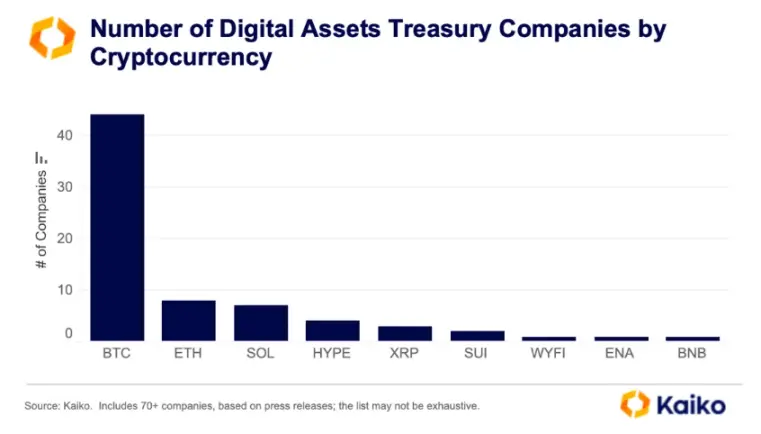
Before the emergence of cryptocurrency ETFs, traditional finance held digital asset exposure through vehicles like GBTC and MSTR. This approach gave rise to Digital Asset Treasury companies (DATs), which accumulate specific altcoins like ETH, SOL, XRP, etc., allowing investors to gain exposure through stocks. DATs serve as a bridge between the pre-ETF era and the altcoin ETFs awaiting approval today, and they are also where risks emerge.
DATs: Collateral Risks and MNAV Observations
Market capitalization to Net Asset Value (MNAV) multiples are important because they indicate how easily a DAT can raise funds. When this multiple is above 1, it is easier to obtain debt and purchase more tokens. If it remains below 1, financing will dry up, and the sale of reserves becomes a real risk.
Pay close attention to the MNAV and premiums of top DATs, PIPE unlock dates, liquidity, and any balance sheet information in 10-Q reports or operational updates. Pressure may also spread; troubles in smaller DATs could affect larger DATs, or issues at the top could create ripple effects downward.
Bullish and Bearish Arguments for Altcoin ETFs
Bullish Arguments
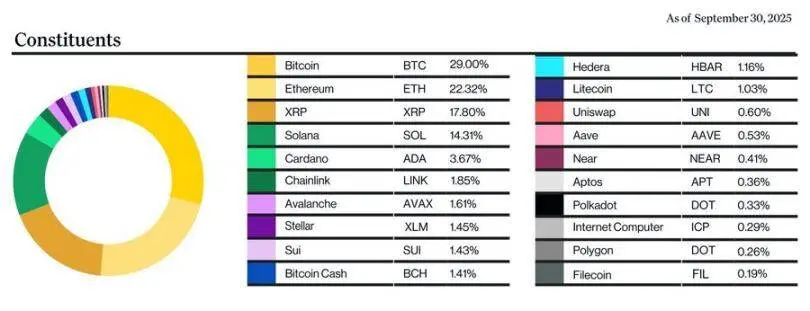
The rise of altcoin ETFs could soon bring significant liquidity boosts to the market. Take the ProShares CoinDesk 20 ETF as an example; it includes key assets like HBAR, ICP, XRP, and SOL. A total of 155 ETPs tracking 35 cryptocurrencies are awaiting approval. A large influx of liquidity into these ETFs will drive up the prices of related altcoins, continuing the upward momentum of Bitcoin and Ethereum ETFs.
Additionally, the inflow of funds into ETFs drives market attention to the underlying tokens, prompting some allocators to purchase higher beta DATs. DATs then raise funds and accumulate more tokens, which could further strengthen the narrative around altcoins. More importantly, issuers like BlackRock, Fidelity, VanEck, and Grayscale provide a credible gateway. This could unleash larger and more stable investments than just accessing through exchanges.
Bearish Arguments
On the other hand, altcoins may struggle to regain their typical bull market hype, and this weak demand could limit their performance. The CoinDesk 20 index highlights this issue: BTC and ETH dominate with weights of 29% and 22%, while altcoins like ICP and FIL account for only 0.2% of the basket. This concentration means more funds will flow into mainstream coins, benefiting them more.
Moreover, if funds shift from DAT stocks to altcoin ETFs, the net asset value (MNAV) of DATs could fall below 1, leading to a depletion of funds. This could force the sale of reserves, thereby exerting direct selling pressure on those altcoins.
Microstructure at Launch: Even with a mid-term bullish outlook, expect 24-72 hours of "buy the rumor, sell the news" volatility around the ETF listing.
How Did We Get Here? Key Catalysts
The growing interest in altcoin ETFs is driven by several factors:
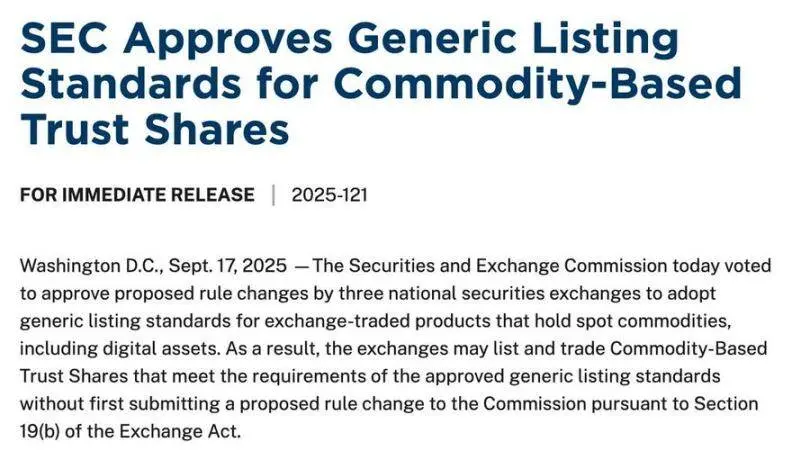
On September 17, the U.S. Securities and Exchange Commission (SEC) introduced "General Listing Standards for Commodity Trust Shares." This standard shortens the approval time for new ETFs and makes the process more predictable. Thanks to the SEC's general listing standards, we may see multiple ETFs approved shortly after the government reopens.
Earlier, in July, the SEC allowed non-Bitcoin cryptocurrency ETFs to conduct physical redemptions, aligning them with traditional commodity ETFs. This reduced liquidity friction and attracted more institutional funds.
The success of spot Bitcoin and Ethereum ETFs has also driven broader adoption, with 59% of institutions expected to allocate more than 10% of their portfolios to digital assets by mid-2025.
Rule of Thumb (Strict Standards): Spot trading venues regulated by ISG, or at least six months of regulated futures trading with data sharing, or tracking existing listed ETFs with over 40% correlation. This has cleared the way for many major and mid-cap tokens.
Macro Impact: $300 Billion Stablecoin Liquidity Will Drive DeFi Bull Market
As of October 2025, nearly $300 billion in stablecoin liquidity is circulating globally. This vast infrastructure lays the groundwork for ETF-driven capital catalysts, bringing institutional funds into the DeFi ecosystem and amplifying returns.
The synergy between $300 billion in stablecoin liquidity and anticipated inflows into altcoin ETFs could create a multiplier effect. For example, the inflows observed in Bitcoin ETFs relative to market cap suggest that every $1 of ETF capital could inflate market cap by several dollars. If altcoin ETFs gain attention, this could unleash tens of billions, pushing total crypto market cap to new highs by the end of 2025.
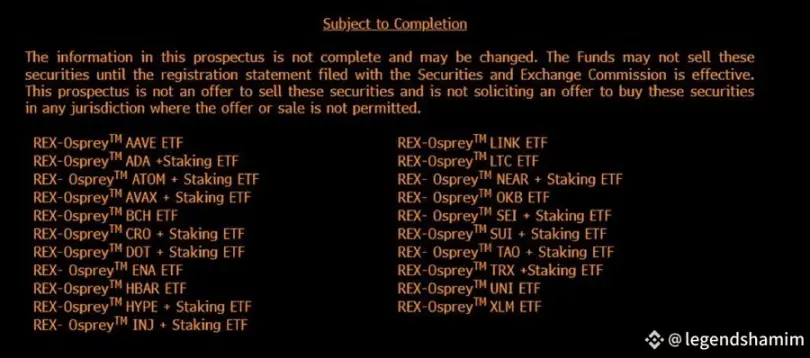
With increased regulatory clarity under Trump-era policies, the influx of institutional capital could significantly boost DeFi protocols, especially those integrating assets like LINK and HBAR, which connect traditional finance and blockchain, or staking ETFs for altcoins like TAO and INJ proposed by REX-Osprey.
Additionally, against the backdrop of a weakening dollar and risk assets nearing historical highs, ETFs provide a convenient path for institutions to rotate along the risk curve from BTC to large-cap altcoins, then to mid-cap stocks and DeFi.
Multiplier Warning: The impact of inflows on valuations depends on sustained net creation and healthy funding basis. DAT pressure (MNAV < 1 or unlock events) could temporarily suppress this multiplier.
Contrarian Signals
As a consistent contrarian investor, Jim Cramer recently urged investors to sell cryptocurrencies and shift to stocks. Given his history of being wrong at key turning points, I believe now is the time to hold onto crypto assets more firmly.
Concerns that ETFs will cannibalize DATs and trigger liquidations coexist with unprecedented strong market access and clarity, ETF channels, and approval queues. If inflows remain strong in the first week, this mismatch could create a bullish scenario. Historically, high concerns about DAT pressure have coincided with improved market access, often marking accumulation phases rather than market tops.
What to Watch During ETF Launch
- Days 0-3: Expect pre-trading and the risk of "buy the rumor, sell the news." Monitor net creation versus redemption volumes and the bid-ask spreads displayed on screens.
- Weeks 1-4: If net inflows remain strong and spot prices align with perpetual contract prices, the bias toward buying on dips may continue.
- Rotation Signals: Higher weekly highs/lows of other coins relative to BTC indicate expanding altcoin demand. If this signal fails to appear, the tendency will be to maintain a heavy BTC position.
- Cross-Asset Clues: DAT premiums improving with ETF inflows will create a positive feedback loop.
Three Major Influential ETFs to Watch
- Solana: SOL is the most promising altcoin likely to benefit from diversification, aside from BTC and ETH ETFs. Among the 155 cryptocurrency ETFs awaiting approval, 23 target Solana. This strong institutional demand signals potential fund flows. Therefore, ETFs tracking SOL are among the most important to watch and could yield significant investment returns.
- ProShares CoinDesk 20 ETF: Tracking 20 top cryptocurrencies, including BTC, ETH, and altcoins like XRP, this can diversify institutional exposure.
- REX-Osprey 21-Asset ETF: Aims to provide exposure to specific cryptocurrencies and offers staking capabilities for tokens like ADA, AVAX, DOT, NEAR, SEI, SUI, TAO, and HYPE.
The fourth quarter may quickly be dominated by the ETF narrative, boosting related sectors like DeFi. Whether altcoins can capture the same demand as BTC remains to be seen, but this momentum is undeniable. Stay confident and prepare for the upcoming altcoin ETF narrative. ```
 Risk warning Risk warning



Popular articles





