Executives Discuss Investment Strategies: Why Do Founders Want to Sell to Coinbase for an Exit?
 Core Viewpoint
 This acquisition is highly aligned with Coinbase's mission, as we have always been committed to creating more economic freedom for the world.
整理 & 编译:Deep Tide TechFlow
Guest: Shan Aggarwal, Coinbase CBO
Host: Yano
Podcast Source: Empire
Original Title: Inside Coinbase's $375m Acquisition of Echo | Shan Aggarwal
Release Date: October 21, 2025
Key Takeaways
Coinbase Chief Business Officer Shan Aggarwal discusses the acquisition of Echo. This episode features Shan Aggarwal, the Chief Business Officer of Coinbase, who explores the details surrounding Coinbase's acquisition of Echo. The discussion delves into Coinbase's strategy to move capital markets on-chain, Echo's role in compliant on-chain financing, team integration post-acquisition, tokenized stocks, prediction markets, and Coinbase's grand vision of becoming a comprehensive financial platform.
Highlights
Coinbase's ultimate goal is to fully migrate capital markets on-chain.
When seeking partnerships, Coinbase takes the initiative and directly expresses interest. Overall, I believe about 75% is proactive outreach, while 25% is passive contact.
Although Echo is currently not profitable, we are more focused on future potential rather than current performance. Often, acquisitions are primarily for technology and teams, and we look at these deals with a forward-looking perspective.
In the future, once tokens are issued, they can be listed for trading directly on the Coinbase exchange or launched on the Base platform and traded on blockchain infrastructure. This effectively fills the "pre-IPO" gap in existing capital markets.
If you ask me which agreements I regret not acquiring, Phantom is a great example. They are very successful now, and the team is excellent. We were very interested in acquiring Phantom at the time, but ultimately, the deal did not go through.
We were also early investors in Polymarket and simultaneously invested in both Polymarket and Calcium, both of which are outstanding companies but have taken different approaches. Polymarket focuses more on international markets and has been on-chain from the start, while Calcium targets the U.S. market and strives to make regulatory breakthroughs.
Choosing both on-chain and traditional IPOs might be a better strategy, like Galaxy. This way, it can cater to on-chain users while also reaching mainstream audiences interested in crypto assets.
Coinbase aims to provide users with comprehensive asset services, whether it's cryptocurrencies, stocks, prediction markets, or potentially tokenized private securities and presale tokens in the future.
As for whether another bear market will occur in the future, I think it's possible, but compared to the bear markets of 2018 or 2022, the next one may not be as severe or painful.
Shan's Background
Yano: Many people may know Coinbase's executive team, such as Emily, Paul, or Brian, but I feel you, as a behind-the-scenes contributor, have led many important efforts regarding venture capital, M&A and corporate development. Today, I particularly want to understand your career background and your experiences over the past few years.
Shan:
I joined Coinbase in May 2018 when the company was still small, with about 150 employees, and the office was quite simple, located in San Francisco. I had been very interested in the cryptocurrency space even before joining Coinbase. At that time, I was working at an early-stage venture capital firm called Greycroft, focusing primarily on investments in fintech and media. I have always been sensitive to emerging technologies, and in early 2017, I read the Ethereum white paper for the first time, which opened my eyes because it reminded me of the early App Store era—when developers could leverage a brand new platform to create various innovative applications. Ethereum coincidentally opened the ICO era, so I spent a lot of time participating in related community activities.
In 2018, I decided to fully immerse myself in the cryptocurrency industry and joined Coinbase. At that time, the company did not have a dedicated corporate development team; Emily had just joined and was starting to build our M&A capabilities. I helped launch the Coinbase Ventures project and gradually expanded its scale.
The first significant event I participated in was leading the Series E funding round in 2018. We successfully raised funds at an $8 billion valuation. This was my first real experience with the volatility of the cryptocurrency market—during the fundraising period, Bitcoin's price was around $20,000, but soon after, it plummeted to about $3,000. I saw many investors trying to retract their commitments; this experience was very special for me, but we ultimately completed the fundraising successfully. Afterward, I was responsible for investor relations until the company's IPO. I was involved in most of the writing of our S1 document and experienced the entire process of a direct listing firsthand. Interestingly, at the time of the listing, we attempted to tokenize Coinbase's stock and designed a dual-track plan, but due to regulatory hurdles, we ultimately had to abandon that plan to ensure the smooth execution of the traditional listing process. This experience was very special because we became the first publicly listed cryptocurrency company and completed the writing of the S1 document before the AI era.
It was entirely a traditional process starting from scratch. Recently, I have primarily been responsible for the company's partnerships, investments, and business operations and strategy. Overall, my role is to help shape the company's strategic direction and ensure we can execute efficiently.
Yano: You mentioned trying to tokenize Coinbase's stock, which I was not aware of before. Can you elaborate on that?
Shan:
Yes, we did attempt it. Internally, we had a plan called the Clementine project. Our goal was to hope that Coinbase could achieve a digital version (i.e., "digital twin") while listing on Nasdaq, allowing stocks to be traded on-chain on the Coinbase platform. However, the regulatory environment and market education level at that time were vastly different from now. We had many in-depth discussions and healthy debates to push this project forward, but ultimately we could not find a viable regulatory path. To avoid delaying the traditional direct listing process, we ultimately chose to go public in April 2021 in the traditional way.
Acquisition of Echo
Yano: You are acquiring Echo; can you provide details about this transaction?
Shan:
We are very pleased to complete the acquisition of Echo, and the core goal of this transaction is to make capital markets more open and accessible. Through Echo, we can provide a complete solution for developers, blockchain protocols, and asset issuers to offer compliant on-chain financing services, with funds coming directly from their most loyal and active user base—those who actually use their products, rather than relying solely on traditional institutional investors.
I believe this acquisition aligns closely with Coinbase's mission; we have always been committed to creating more economic freedom globally. We believe that blockchain and cryptocurrency can provide more open and inclusive financial services, and Echo provides us with the key tools to achieve compliant on-chain financing, helping capital connect better with investment opportunities.
Yano: How was this deal facilitated? Echo was founded by Cobie; did Cobie reach out to you, or did you approach him? What was the process like?
Shan:
This was actually the result of long-term interaction between both parties; we have collaborated with Echo for a long time, and their project initially launched on the Base platform. Earlier this year, we supported the development of Echo Group through the Base ecosystem fund. The fund's investors wanted to support the companies we invested in while helping to further grow the Base ecosystem. Many companies in the Base ecosystem were also seeking more financing opportunities. This collaboration was a great starting point, and as we gained deeper insights into Echo, we realized it was a larger opportunity to help projects in the ecosystem conduct community sales and public token sales, driving the development of the entire ecosystem.
The total value of this transaction is not yet fully determined, estimated to be between $350 million and $400 million, depending on Coinbase's stock price. It is a mixed cash and stock transaction, and due to stock price fluctuations, the specific amount may vary, but it generally falls within this range.
Yano: I remember when you acquired Deribit, the initial valuation was $2 billion, but a week later it rose to $3 billion and then to $4 billion. Clearly, the founders chose Coinbase stock, which was a good choice for them. As the acquirer, how do you reach these deals? I believe many entrepreneurs hope to be acquired by Coinbase one day. Can you share some insights?
Shan:
That's a great question. Since I joined Coinbase, we have completed 40 acquisitions, so we are quite active in M&A, and this acquisition of Echo is our eighth deal this year. When considering acquisitions, we typically develop plans based on product strategy and long-term priorities. These directions are based on customer feedback and the needs of investors and developers. Once we have clear goals, we evaluate the best ways to achieve our strategy. While we could build products from scratch with a team, this often faces delays and a lack of expertise.
Therefore, we scan the market for excellent companies that have already made progress in relevant fields. If we find a company that not only excels in technology and products but also has a team culture that aligns closely with ours, we will not hesitate to acquire them and integrate them into Coinbase, providing them with greater opportunities for development on a larger platform.
The initial starting point is still the strategic goals we want to achieve. Many entrepreneurs reach out to me proactively, hoping to sell their companies, but Coinbase has already established a presence in multiple areas of the market, so we must focus our efforts to ensure that every acquisition investment and integration work aligns with our long-term direction. If the goals are unclear, it can lead to resource dilution, making things complex and difficult to manage.
Yano: How do you determine the acquisition price? This acquisition is valued between $3 million and $4 million, clearly related to Coinbase's stock price. But how do you arrive at this price? I guess it's not based on revenue multiples since Echo is currently not profitable.
Shan:
It does depend on the specific situation. For mature companies like Deribit that have stable revenue and profits, we can assess their valuation through traditional financial analysis. But for companies like Echo, we focus more on future potential rather than current performance. Often, we acquire primarily for technology and teams because we believe these resources can help us achieve faster growth and greater success. We look at these deals with a forward-looking perspective, evaluating potential outcomes over the next 12 to 24 months and the revenue growth they can ultimately bring, and based on that, we determine the acquisition price.
Yano: One of the most impressive aspects of Coinbase's M&A is your integration capabilities, especially in retaining founders even after the earn-out period ends. Your custody business comes from Zapo, your main brokerage business from Tagomi, your derivatives business from FedEx, and your staking business transitioned to Bison Trails. This list seems to keep growing.
How do you integrate these businesses while retaining founders and teams? Can you talk about the integration process?
Shan:
This is something I am very proud of. In fact, three key members of our management team joined Coinbase through acquisitions. For example, Greg Tusar, the founder of Tagomi, now leads our institutional business; Rob Witoff is an early engineering leader at Coinbase who participated in the development of Unit 410; and Jesse Pollak, who is currently responsible for the Base project, also joined through an acquisition.
In the integration process, we focus not only on the combination of products and technology but, more importantly, on cultural integration and team fit. We want the team to embrace Coinbase's mission and become true "evangelists," rather than simply "mercenaries" motivated by short-term gains. In traditional M&A, many teams focus only on the earn-out period and compensation, which is not wrong, but it may affect the long-term retention of the team and the achievement of goals.
We place great emphasis on long-term cultural fit during the selection process. If the team aligns with our culture, they are more likely to choose to stay long-term and grow with us. That is why we can achieve the effect you mentioned, where team members often work here for three, five, or even longer years after joining Coinbase. Therefore, we invest a lot of energy to ensure cultural integration and team collaboration, which I believe is key to successful acquisitions.
Coinbase's Ultimate Goal
Yano: You recently acquired a company that may not be very well-known— Liquifi . With this acquisition, it seems you are working to build the company's capital structure? Over the past decade, Coinbase's main business has been focused on traders and investors, and now you seem to be moving into the realm of corporate financial services. Can you talk about the combination of Liquifi and Echo? What is your ultimate goal? What are you specifically doing?
Shan:
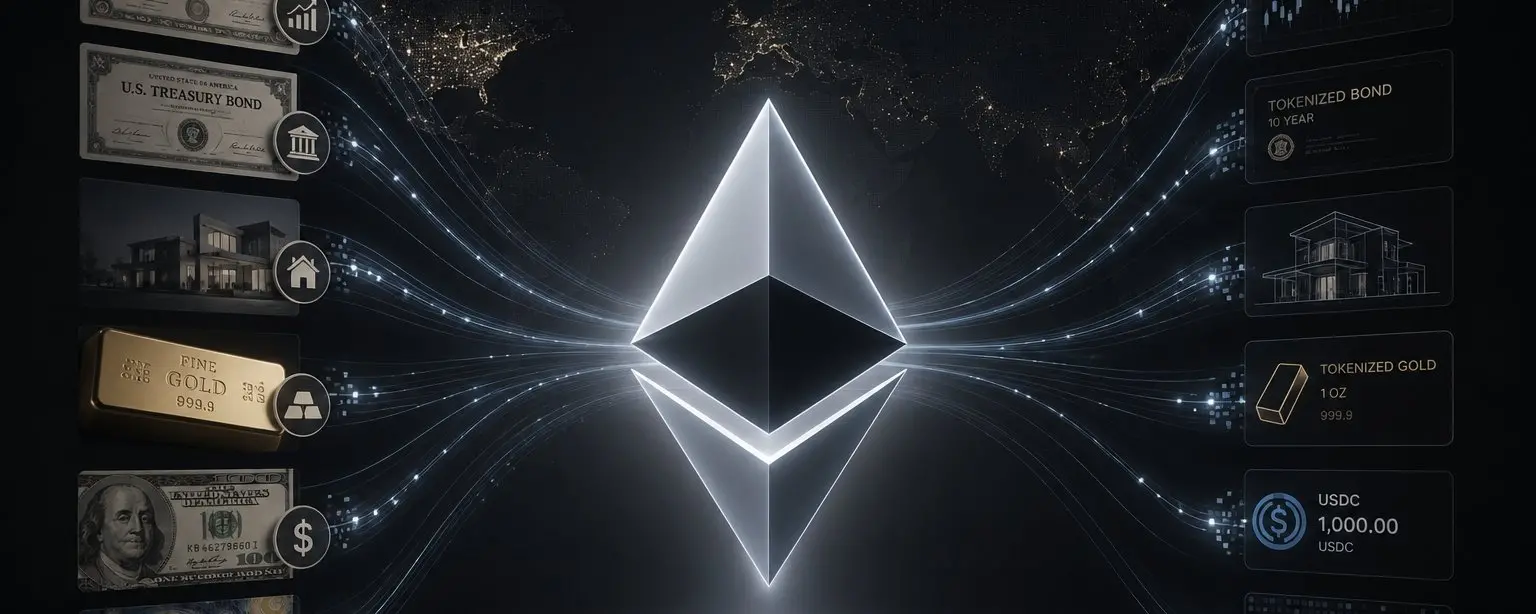
Our ultimate goal is to fully migrate capital markets on-chain. Currently, Coinbase's primary role is as a secondary trading market for crypto tokens, and through Liquifi and Echo, we can provide a complete end-to-end solution for token issuers, helping them complete the entire process from company creation, token management to financing, ultimately driving project launch and growth. While our initial focus is on crypto tokens and blockchain projects, from a broader perspective, we see traditional finance and crypto technology gradually merging, and tokenization is the bridge. Through tokenization, traditional assets can be digitized and migrated to the blockchain. The infrastructure provided by Liquifi and Echo can support not only crypto tokens but also other types of assets. Therefore, these modular components allow us to rebuild the architecture of capital markets from the ground up and integrate these capabilities into Coinbase's product system.
Yano: So what is the core goal of Echo? Is it the scale of project financing? Is it attracting more issuers? Or is it enhancing secondary market liquidity and community participation? How do you evaluate these?
Shan:
Currently, our focus is on driving capital flow through project financing. This not only provides a source of funding for companies in need of financing but also allows ordinary investors to participate in investment opportunities they previously could not access.
Yano: So your vision is that my Coinbase account will not only hold Bitcoin, Ethereum, and Solana but also a new option, such as participating in a company's Series A financing or directly joining a public token sale project. Users can invest directly from their dollar balance in the account, is that correct?
Shan:
In the future, once these tokens are issued, they can be listed for trading directly on the Coinbase exchange or launched on the Base platform and traded on blockchain infrastructure. This effectively fills the "pre-IPO" gap in existing capital markets.
Yano: In this capital structure, what else do you need? For example, Liquifi provides capital table management, Echo provides financing support, what else is currently missing?
Shan:
I think the next key module is the regulatory compliance part. The on-chain infrastructure provided by Liquifi and Echo can support any type of token, but the question is, which tokens can be legally issued? Are they commodity tokens or security tokens? What are the differences between the two? These questions need time to clarify to make this vision a reality.
Additionally, we need to consider the trading venues for these tokens. While they can be traded on Coinbase's centralized exchange, we believe that over time, they should also be able to circulate on decentralized exchanges (DEX) on-chain. Ensuring permission management and compliance in these trades is also an important challenge.
We have laid the groundwork in many areas, such as the Coinbase Verifications project you may have heard of. This project allows users to tokenize their KYC information and store it in their wallets, so we can verify who is trading on-chain on DEX. Through these underlying tools, we hope to operate securities and capital markets efficiently on-chain, providing users with more open and transparent financial services.
Coinbase's Listing Strategy
Yano: How do you view the final form of these token listings? What do you think the future of token listings will look like? Additionally, I noticed you initiated "The Blue Carpet" initiative; can you talk about your understanding of the final state of token listings?
Shan:
I believe many tokens will be created. Historically, listings have typically been very large marketing events, and we believe that as many crypto tokens as possible should be listed and supported. The real question is how to filter or curate quality. We do not want to impose our judgment and tell everyone what is a good asset and what is a bad asset, as that would be like a big brother watching over. So, we prefer to provide comprehensive disclosures and in-depth research, allowing people to find accurate information, trust and rely on it to make their own decisions.
There is indeed a lot of misinformation and misleading content in this field. Therefore, I believe institutions like Blockworks play a very important role in enhancing industry transparency and authenticity. Additionally, we are exploring whether we can introduce some prediction market mechanisms to further enhance the accuracy and credibility of information.
In the future, you will see more and more tokens available for users to choose from. We are also continuously working to provide better education and information support to help them make informed investment decisions.
Yano: Let's talk about launchpads. You acquired Echo, and another major player is Legion . I know Legion has a partnership with Kraken and may also collaborate with other exchanges. How do you view the development of this field? Will every exchange launch its own launchpad and ICO services? Will this become a standard product for exchanges?
Shan:
I cannot speak for other exchanges, but for us, this is indeed a logical strategic choice. I think other exchanges may adopt similar strategies. We are very optimistic about Echo because we believe they are leading in the field of on-chain capital formation. To date, Echo has helped projects raise over $200 million, involving more than 300 investment cases, including some very well-known and successful projects like Plasma and MegaETH. We believe Echo has a clear competitive advantage in attracting high-quality issuers and supporting protocol development, while also having a very broad investor base.
Yano: Is there any acquisition you regret passing on?
Shan:
That's a good question; Phantom is a great example. They are very successful now, and the team is excellent. We were very interested in acquiring Phantom at the time, but ultimately the deal did not go through. They seized the market opportunity and rose quickly; it is truly admirable to see their achievements since then.
Coinbase Ventures
Yano: Next, let's talk about Coinbase's venture capital layout. The Coinbase Ventures team has clearly performed exceptionally well; I believe you are one of the most active venture capital firms in the industry, possibly even one of the companies completing the most deals. Are you currently ranked first or in the top three in the industry? I believe you must have this data. Can you talk about your venture capital strategy and how it integrates with marketing and advertising (MMA)?
Shan:
That's a good question. Since 2018, we have completed over 500 investments in the crypto space, making us one of the most active venture capital firms in the industry. Our portfolio is also continuously expanding, especially with the launch of the Base ecosystem fund. We have always adhered to maintaining continuity in investments across different market cycles. For example, during market booms, many people rush in and actively participate, but during bear markets, capital acquisition often becomes more challenging.
The initial motivation for launching venture capital was that we observed many excellent developers wanting to build protocols and applications outside of Coinbase, while there was a lack of investors focused on the crypto space in the market. So we thought, can Coinbase support the growth of the entire ecosystem in some way? This was the starting point for the ecosystem fund. Initially, we supported some promising founders with small investments, especially those working in areas we believed had great potential. Over time, this fund has gradually expanded and is now more focused on investing in the best companies in the industry while also hoping to achieve substantial financial returns through these investments.
This not only allows us to support industry innovation but also provides us with an excellent opportunity to observe the development of the entire ecosystem. In the crypto industry, predicting future trends is often very difficult, but I always believe that observing what the best people in the industry are doing is usually a good way to anticipate trends. For example, in certain areas (like social applications or stablecoin issuance), we often find two or three companies launching almost simultaneously, with one potentially being the leader and the others quickly following. These phenomena often signal future industry trends. Through such observations, we can provide references for Coinbase's long-term strategic direction. Once the direction is clear, we decide whether to develop in-house, acquire, or collaborate with suitable partners. In the past, we have had successful attempts in all these areas.
Yano: So what is the core goal of Coinbase Ventures? Is it purely to pursue financial returns, or do you hope to bring strategic value to Coinbase through these investments?
Shan:
Currently, our primary goal is to pursue financial returns. Of course, we also hope to build good relationships with top founders in the industry through our investments.
Yano: Is there anything particularly unique about your venture capital approach? For example, do others directly contact you saying, "Hey, Sean, this company has great potential; should we consider acquiring it?"
Shan:
Indeed, such situations do occur, and I usually participate in these discussions, which allows me to clearly understand the performance of our portfolio, which companies are doing well, and which may be facing challenges. However, more often, we start from Coinbase's strategic needs, focusing on the best companies in the industry and seeing who is doing something truly interesting. For me, this approach gives me confidence because our success rate in venture capital is quite good. Many companies that ultimately make it onto our acquisition target list were actually part of our investment portfolio. Of course, this is not a hard rule; we have also acquired companies we did not invest in. But if we have already established a trusting relationship with the founders, it indeed makes the entire acquisition process smoother.
Advice for Entrepreneurs
Yano: We know many founders in the crypto industry, and I think at least half of them are thinking, "One day, I will sell my company to Coinbase." This seems to have become the exit plan for many founders. If you were to give direct advice to these people, what would you say?
Shan:
First, I think it is very important to understand Coinbase and build key relationships. Whether through Coinbase's venture capital department or business development team, establishing contact with us early on can be very helpful for the future.
Second, I advise founders to seriously consider the strategic fit with Coinbase in the future. Many founders might say, "This is the product we developed," or "This is what we have achieved." These are certainly important, but from our perspective, the more critical question is: "If we were to proceed with an acquisition, what value could our collaboration create?" In other words, can the combination of our resources and capabilities unlock new opportunities?
History and past achievements are important, but our most successful acquisition cases often involve integrating external innovations with Coinbase's resources to create entirely new value. For example, Tagomi, which you mentioned earlier, is a great example. Tagomi is a company focused on institutional trading; they developed top-notch trading infrastructure and successfully established an independent crypto brokerage business. Meanwhile, Coinbase was expanding its asset custody business, and we had a strong asset base and balance sheet.
To truly scale a quality brokerage business, several conditions need to be met: top-notch trading infrastructure, an asset balance sheet that can support loans and large transactions, and reliable custody services to ensure the safe storage and efficient trading of funds.
Therefore, integrating Tagomi's technology with Coinbase's resources was a logical choice. After the integration, we found that there was a huge demand in the market for such services. For example, in 2021, many companies approached us looking to purchase $1 billion worth of Bitcoin, but at that time, there were no other solutions in the market that could meet such large transaction needs. Through Tagomi's trading technology and Coinbase's brand strength and custody capabilities, we created Coinbase Prime, which has become a leading quality brokerage platform in the crypto industry—a typical case of achieving success through strategic integration.
Acquisition Process
Yano: You have completed 40 transactions. What is the ratio of proactive to passive contact in these transactions? In other words, how many were initiated by the other party, and how many were you proactively reaching out to?
Shan:
That's a good question; I haven't specifically tracked that data. Sometimes it's hard to define because the relationship between both parties often builds up over time, making it difficult to distinguish who initiated contact first; it's like a "long-term two-way interaction."
Yano: For example, in the investment in Echo, you had already established contact with the team. But eventually, there will be a clear moment when someone asks, "Are you interested in acquiring us?" or "Would you consider collaborating?"
Shan:
In most cases, we take the initiative and directly express interest in the other party. Because we are very clear about Coinbase's long-term development plans, when we decide to seek collaboration in a certain area, we usually reach out proactively to leading companies in that field. Of course, there are some exceptions, such as discovering an opportunity by chance and realizing its importance, even if it may not have been our primary focus at the time. Overall, I believe about 75% is proactive outreach, and 25% is passive contact.
Yano: There is an old saying: "Companies are bought, not sold." When it comes to investment banking, in acquiring companies like Tagomi, Zapo, Liquifi, and Echo, do you rely on traditional investment banks, crypto-focused investment banks, or do you not need investment banks at all?
Shan:
We do appreciate the professionalism of investment banks, but in most cases, we find that not going through banks is more efficient and preferred. Our transactions are usually completed through direct conversations with founders. You could say that the number of transactions involving investment banks is very few, almost countable on one hand. As for buy-side advisors, we have never used them because Coinbase has already built a professional team internally capable of handling this work. However, in recent years, some quality investment banking services focused on the crypto space have emerged.
Typically, we have a clear understanding of the needs and positioning of target companies and have already established relationships with them. These transactions are more like brainstorming sessions between Coinbase and the founders, discussing how to create future value through collaboration. Additionally, we place great importance on cultural integration because these founders are likely to play significant leadership roles at Coinbase in the future, potentially for five to ten years. Therefore, ensuring cultural fit is key in our acquisition process.
Yano: Do you have a fixed pattern when structuring deals? For example, some are all-stock transactions, some are all-cash transactions, and others involve performance commitments or other metrics. How do you balance these factors?
Shan:
We do not have a fixed pattern or strict script; I think that is the art of the deal. The various tools and methods you mentioned are merely means to achieve goals. The key is that we need to clarify what we want to achieve, what aspects we are confident in, and how to assess the associated risks.
In most cases, we tend to avoid adding too many complex structures to the deal. I do not want complicated performance commitments and multiple milestones, as this may lead to misalignment of incentives between Coinbase and the acquired company. The acquired company may focus on meeting the committed metrics, while Coinbase needs to focus on broader strategic goals. Therefore, we prefer that both companies can work collaboratively toward a common direction rather than each fighting their own battles. Of course, there are some special cases where performance commitments need to be set, but I believe the premise is to allow the team to maintain independence and autonomy so they can focus on driving their goals.
Yano: How long do you talk to founders before you can determine whether to acquire them?
Shan:
Generally speaking, I can quickly determine whether there are sufficient reasons to proceed with an acquisition. Of course, finalizing a deal requires multiple conditions to align. The founders need to have the willingness to sell, and we also need sufficient motivation and urgency to facilitate the transaction. As you mentioned, it is indeed "companies are bought," not "companies are sold." Many factors need to be coordinated, and whether it can succeed often depends on timing.
Sometimes, I might feel that a certain company is an ideal acquisition target for Coinbase, but if the timing is not right, it can be difficult to finalize the deal. For example, if they have just completed a funding round and their valuation exceeds what we can accept, then we can only regretfully miss out. Sometimes I think, "If only it had been six months earlier." But that's the reality of business; once you miss it, you can only look forward.
Yano: Has there ever been a situation where a deal went through due diligence, your team was very optimistic, and the higher-ups approved it, but it was ultimately vetoed by Brian?
Shan:
That situation has not occurred. However, we have encountered situations where issues were discovered during due diligence that overturned our previous judgments. That is precisely the purpose of due diligence. We hope everything goes smoothly, but after signing the term sheet, we conduct a deep dive into the company's core operations. This includes not only financials and the team but also compliance, legal risks, and how the company manages employees throughout their lifecycle.
Additionally, the crypto market itself is highly volatile, making accurate pricing assessments challenging, especially in the short term. We typically evaluate a company over a three to five-year time horizon, sometimes even longer, without focusing too much on short-term 12-month performance. However, 2022 was a typical example when the global market underwent drastic changes, and everyone had to adapt to the new reality.
Views on Prediction Markets
Yano: Let's talk about prediction markets; you recently invested in Calcium. What role do prediction markets play in Coinbase's strategy? How do you view Polymarket and Calcium?
Shan:
In fact, we were also early investors in Polymarket, and we are very interested in prediction markets. We have always believed that one of the core values of cryptocurrency is to inject liquidity into illiquid assets, thereby creating new markets. Prediction markets are a great example of this, showing how people can bet on significant events in life, such as sports games or elections. From a broader trend perspective, the "financialization" of daily life is accelerating, and people want to gain more engagement through these markets.
We believe prediction markets have strong synergies with Coinbase's business, so we plan to integrate them into our products to provide users with related services. We invested in both Polymarket and Calcium, both of which are outstanding companies but have taken different approaches. Polymarket focuses more on international markets and has been on-chain from the start, while Calcium targets the U.S. market and strives to make regulatory breakthroughs. Especially in the sports betting sector, we expect more legal rulings to drive the development of this market in the coming year.
Yano: Is it possible that in a year, we could participate in sports betting through the Coinbase platform?**
Shan:
It's possible; we expect that within 12 months, users will be able to participate in sports betting through Coinbase.
Yano: Do you think Polymarket and Calcium will form a competitive relationship, or is the market large enough to accommodate both? Have you considered ultimately acquiring one of them?
Shan:
I believe there is enough market space for both to succeed. Just like in traditional finance with futures and options markets, different exchanges have their own specialties. I expect prediction markets will exhibit a similar pattern, with some platforms focusing on live events while others delve into specific sports, providing specialized services for NFL, NBA, or soccer events. Although the market is still in its early stages, we believe there is tremendous growth potential in this area as the regulatory environment gradually clarifies.
Yano: How much discussion time did prediction markets occupy in your recent executive meeting?
Shan:
We have listed it as one of our priorities for the end of this year and next year because we believe prediction markets can attract a broader user base than traditional crypto trading, which is very meaningful for our business development. At the same time, this is also significant for crypto as an asset class. Prediction markets have the potential to attract many people who have never interacted with crypto into this space. For instance, some may find cryptocurrencies too avant-garde or niche, but they are willing to bet on NFL games.
Yano: When I think of Coinbase and prediction markets, I associate it with your investment in Calcium. I wonder if there is a viewpoint that every startup's competition with established companies ultimately comes down to whether the startup can gain distribution capabilities before the established company launches similar innovations. In this case, I see Coinbase as the "established company," while companies like Polymarket and Calcium are the "startups."
**While you are investing in these companies and collaborating with them, why not directly develop prediction markets yourself? After all, as an established company, you have greater resource advantages to quickly launch your own prediction market and directly reach over 100 million users, rather than letting *startups* compete for that market.**
Shan:
You are right; we do have the capability to do so, but I believe some of the core capabilities that these companies are building are not so easily replicable. For example, Polymarket and Calcium have some key licenses that cannot be easily obtained in a short time. Additionally, they have a very unique ability to address market issues through a certain degree of discretion without real-time data sources. So, this is indeed an option we need to weigh.
We already have a designated contract market, which is a derivatives exchange regulated by the CFTC and was approved in 2022. In the future, we will choose between "build, acquire, or collaborate" to provide our users with the best products while continuously optimizing our business.
Yano: Can we return to the topic of tokenized stocks and your equity tokenization issues? I would love to hear your views on this market, such as tokenizing your own equity, tokenized stocks, and the possibility of putting them on-chain.
Shan:
I believe we are still in the early stages of this field. Currently, the biggest obstacle is regulatory issues, not technical ones. In fact, the technological conditions for tokenized stocks are already mature. I believe that in the future, most equity capital markets, and even the entire capital market, could potentially go on-chain. But all of this must be done in compliance with regulatory requirements. The traditional equity market is generally functioning well, although not everyone can participate fairly. For example, some people in certain regions cannot access capital markets equally. Mechanisms like T+2 settlement, if implemented on-chain, could greatly enhance efficiency.
However, there is still much work to be done, such as enhancing market transparency and integrity to give users enough confidence in the safety of on-chain markets and participants. I think some of the most promising companies right now are those that can connect traditional financial markets with on-chain capital markets. For example, Superstate is a very interesting company because it can achieve interchangeability between exchange-traded securities and on-chain securities. I am optimistic about the future and believe that such markets will emerge.
But for now, the practical use of on-chain securities remains limited. For instance, how to transfer them, where to trade them, and whether a lending market can be built around them—these questions still do not have clear answers.
Yano: You can see that compared to Galaxy 's stock, this market is not really functioning at the moment. I hope it opens up, but the current results are not ideal.
Shan:
Indeed, but I think this is an important step forward. I appreciate their efforts; what they are doing is very similar to our attempts in 2021. They have set a precedent for many companies, and in the future, traditional markets and on-chain markets can coexist. I believe we will see more markets go on-chain, especially some innovative applications like stock perpetual contracts. Since the stock spot market does not trade around the clock, it is currently challenging to achieve 24/7 trading, but once assets are on-chain, it can support year-round market trading, thus launching stock perpetual contracts. Similar applications may also extend to private securities, although these securities may not be freely tradable. I noticed that Hyperliquid has recently conducted interesting experiments in this area, especially after the launch of HIP 3, where their vision is to support perpetual contracts for all assets, which is very appealing. However, the premise of all this is that the underlying assets must be tokenized and held on-chain to reduce market imbalances caused by price discrepancies.
Yano: I want to ask a hypothetical question. I think Blockworks is a traditional equity business without tokens and does not operate on-chain like protocols. So by traditional paths, we would choose to IPO on Nasdaq, which has been the typical practice for startups over the past few decades. But our audience is mostly on-chain, and they hold a significant amount of capital on-chain.
When we see Superstate's attempts, we wonder whether Blockworks should choose an on-chain IPO instead of a traditional IPO? If we were to go public on-chain, would that mean we need to issue tokens? If you were us, how would you view this?
Shan:
I think an on-chain IPO is a great choice because it aligns more closely with your core audience. If you choose an on-chain IPO, you can use tools like Liquifi to manage the capital table and achieve on-chain financing through Echo or Sonar; this direction is definitely worth exploring. However, you need to weigh that while an on-chain IPO is more suitable for your audience, the scale of the on-chain capital market is still much smaller than that of traditional markets, especially from the perspective of the capital pool and available capital. So while the on-chain market may better fit your business, its overall scale is smaller.
I think in the transitional phase, choosing both on-chain and traditional IPOs might be a better strategy, like Galaxy. This way, it can cater to on-chain users while also reaching mainstream audiences interested in crypto assets.
Yano: That's a good idea; we should explore this further. So in the Coinbase executive meeting, what topics surprisingly took up a lot of time? Besides prediction markets and perpetual contracts, are there any other noteworthy discussions?
Shan:
Yes, we did spend a lot of time thinking about the speed of the transition from off-chain to on-chain, as this directly impacts our decision-making. You know, in the early days of Coinbase, we needed to apply for regulatory licenses in each market, open bank accounts, etc., to provide users with a bridge to crypto assets. This was a very cumbersome and complex task. But once assets are on-chain, they become more flexible and portable, making it easier to create new financial markets. We have invested a lot of energy in our future layout on-chain to ensure that there is a solid infrastructure supporting this transition, such as Base and the Base application, and even integrating on-chain protocols into the Coinbase platform.
Based on our expectations for the speed of the transition, if this change accelerates, we need to adjust our resource allocation strategy to prioritize the construction of on-chain markets; if the change is slower, we need to balance resources and continue supporting off-chain market operations. Therefore, we are always looking for this balance when setting priorities and resource allocation plans.
Yano: Shan, is there anything we haven't discussed, especially regarding Coinbase's vision of becoming a "universal exchange"?
Shan:
I think we have covered a lot. The vision of a "universal exchange" can actually be seen as a summary of the tokenization process. In the past, people typically distinguished between crypto assets and traditional financial assets, but as financial assets become tokenized, those boundaries begin to blur. We hope to provide users with comprehensive asset services, whether it's cryptocurrencies, stocks, prediction markets, or potentially tokenized private securities and presale tokens in the future. The acquisition of Echo is an important step toward this goal. More broadly, it marks significant progress in our efforts to drive capital markets on-chain.
Do Market Cycles Still Exist?
Yano: Before we wrap up, Shan, I want to hear your thoughts on market cycles. What stage do you think we are currently in? Do market cycles still exist? I look forward to your latest insights.
Shan:
That's a great question and one of the topics we just discussed in-depth at the executive meeting. I believe market cycles do still exist, but their volatility and extremes have diminished compared to the past. Today, the cycles in the crypto market are influenced not only by internal industry factors but also significantly by the macroeconomic environment.
As for whether another bear market will occur in the future, I think it's possible, but compared to the bear markets of 2018 or 2022, the next one may not be as severe or painful. The reason is that we are beginning to see some more stable real-world use cases developing that are less correlated with the price volatility of crypto assets. For example, stablecoins are a typical case. You could say that stablecoins are the early representatives of tokenized assets. Since 2018, the market size of stablecoins has experienced astonishing growth, with a total market capitalization exceeding $300 billion.
Additionally, we are seeing a plethora of innovations surrounding stablecoins. Globally, many emerging stablecoin banks are rising rapidly, providing users with a more efficient and convenient financial service experience. These services often required substantial capital and time to achieve in the past. Therefore, I believe these innovations are gradually reducing the overall volatility of the market and lessening the impact of crypto asset price fluctuations on the market.
Yano: If you feel the market is nearing the "top" of the cycle, would you choose to slow down investments or acquisitions ?
Shan:
We do not deliberately slow down our pace; our focus is always on finding the best investment opportunities that align closely with the company's strategy. Of course, when evaluating pricing and valuations, we consider market trends over the next three to four years, which inevitably involves the impact of cycles. After all, most crypto businesses rely to some extent on the overall market performance.
However, we do not have a clear plan to adjust our investment pace based on market cycles. However, when the market pulls back, new investment opportunities typically tend to decrease naturally, which is a pattern we have observed in past cycles.
 Risk warning Risk warning