The Crypto Market Under the Shadow of War: How the US-Iran Conflict Reshapes the Narrative of "Digital Safe-Haven Assets"

 Geopolitical conflicts trigger a global rush for safe havens: Bitcoin's "digital safe haven" attribute is highlighted, Huobi HTX launches TradFi perpetual contracts and a $500,000 cashback plan to help users hedge against macro volatility risks.
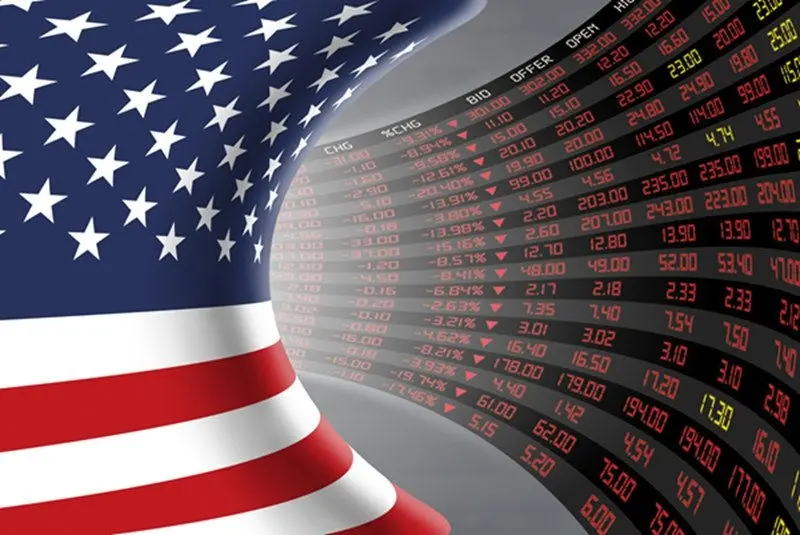
The geopolitical tensions are once again overshadowing the Middle East, and the global financial markets are the first to feel the tremors. Since 2026, the ongoing escalation of the U.S.-Iran conflict has rapidly heightened market risk aversion: crude oil prices have surged, gold has risen strongly, and global stock markets have shown significant volatility. In the face of uncertainty, capital instinctively seeks a "safe haven," and a risk-off trading structure has quickly formed, with funds beginning to flow back into traditional safe-haven assets like the U.S. dollar and gold.
After the escalation of the conflict, the cryptocurrency market also found it difficult to remain unscathed: Bitcoin's price quickly fell from around $66,000 to about $63,000, with most mainstream crypto assets experiencing even larger declines, and the derivatives market saw a significant wave of leveraged liquidations. The market's initial reaction seems to reaffirm that, in the early stages of extreme risk events, crypto assets are still viewed as high-risk assets. However, from a longer-term perspective, wars and geopolitical conflicts do not weaken the value logic of crypto assets; rather, they often reinforce their narrative as "digital safe-haven assets."
War Shocks Global Markets: Risk Aversion Quickly Spreads
Historical experience shows that wars essentially impact financial markets through three pathways: the spread of panic, temporary liquidity tightening, and a surge in demand for safe-haven assets.
When military conflicts break out, investors often quickly reduce their risk exposure, selling off high-volatility assets and reallocating to more certain asset classes. This is why, during the escalation of conflicts in the Middle East, global stock markets generally experienced severe volatility, while gold and the U.S. dollar index saw significant increases.
As an important component of global liquidity, the cryptocurrency market is also affected by this macro sentiment. Due to the highly globalized nature of the crypto asset market, 24-hour trading, and high leverage, its response to sudden events is often more rapid and intense.
During the escalation of the Middle East situation in 2026, Bitcoin experienced fluctuations of several thousand dollars in a short period, with multiple mainstream tokens also retracing simultaneously, and the scale of forced liquidations in the derivatives market significantly increased. This phenomenon once again illustrates that the crypto market remains highly sensitive to geopolitical risks.
Early Stages of War: Why BTC Often "Falls First"
Many investors intuitively believe that Bitcoin should rise immediately when war breaks out due to its characteristics of decentralization and anonymity. However, the reality of market performance is often more complex.
In the first phase of a war or major crisis, the primary issue facing the market is not asset allocation but liquidity pressure. Institutional investors typically need to quickly complete several operations: selling off risk assets to reduce overall risk exposure; replenishing U.S. dollar liquidity; and meeting margin demands in the stock or bond markets.
In this situation, Bitcoin, tech stocks, and other high-volatility assets often decline simultaneously. This pattern has been observed in several historical events, including the early stages of the Russia-Ukraine conflict, the market crash during the pandemic in 2020, and certain banking crisis events.
A similar situation occurred recently during the heightened tensions in the Middle East. For example, after the U.S. conducted military strikes on Iranian nuclear facilities, Bitcoin briefly dropped by about 3%, with mainstream assets like Ethereum also retracing, and market sentiment clearly shifted towards panic trading.
This means that at the "first moment" of extreme risk events, Bitcoin is often still classified as a risk asset rather than a safe-haven asset.
Second Phase: BTC Begins to Form the "Digital Safe Haven" Narrative
As the market gradually digests the initial shocks from the conflict, the logic of capital allocation often enters a second phase: seeking new safe-haven channels.
In a geopolitically tense environment, many countries may face pressure on their banking systems, currency depreciation, or even capital controls. In this context, Bitcoin demonstrates its unique value—an asset that does not rely on traditional financial systems for cross-border transactions.
Recent on-chain data shows that, against the backdrop of escalating U.S.-Iran conflict, some residents in Iran have begun transferring funds to the Bitcoin network. On-chain data recorded an outflow of approximately $10.3 million in BTC, indicating that some investors are using crypto assets as a tool for capital protection. According to exchange data, ++BTC++ reached a new high of over $73,000 on March 5, before adjusting back to the current price of $69,000.

Traditional safe-haven assets mainly include gold and the U.S. dollar, but they have a clear limitation: limited cross-border transferability. In situations of capital controls or restricted financial systems, individuals find it difficult to quickly transfer assets overseas. In contrast, Bitcoin has three unique advantages: borderless circulation, the ability to transfer assets without a banking system, and inherent resistance to capital controls. For this reason, wars and financial turmoil often reinforce Bitcoin's long-term narrative as a "digital safe-haven asset."
Three Structural Impacts of Geopolitical Conflicts on the Crypto Industry
From an industry structural perspective, geopolitical events like the U.S.-Iran conflict often drive three long-term changes in the crypto market.
First, the dominance of Bitcoin is strengthened. When market panic rises, funds typically flow back from high-risk assets like meme coins and altcoins to Bitcoin, leading to an increase in BTC Dominance (BTC.D). As the core asset of the crypto market, Bitcoin's positioning as "digital gold" is often further reinforced during crises.
Second, demand for stablecoins significantly increases. During wars, funds often need to be quickly transferred, temporarily sheltered, or used for cross-border settlements. Stablecoins like USDT and USDC gradually become important supplementary tools in the real financial system, providing global users with low-friction digital dollar channels.
Third, the importance of centralized trading platforms increases. In high-volatility environments, users typically prioritize trading depth, system stability, and asset liquidity. Large trading platforms with global liquidity networks often play a key role during such times.
Platform Value in Macroeconomic Turbulence
In a macro environment characterized by frequent wars and geopolitical risks, the role of crypto exchanges is also evolving.
First, large trading platforms are becoming hubs of global crypto liquidity. Leading exchanges like Huobi HTX play important roles in digital asset trading, cross-border capital channels, and market price discovery.
Second, in highly uncertain markets, the two core issues that users are most concerned about are often asset security and liquidity assurance. Huobi HTX is viewed by many users as one of the safe havens for managing market volatility due to its continuously transparent asset reserves, comprehensive security systems, and mature risk management mechanisms.
Additionally, geopolitical conflicts are usually accompanied by higher market volatility and increased trading volumes. Platforms like Huobi HTX, with sufficient liquidity depth, a rich array of derivatives tools, and comprehensive risk hedging mechanisms, can help users better manage risks in complex market environments.
According to official announcements, Huobi has launched a TradFi perpetual contract section aimed at bridging traditional finance and crypto derivatives trading, providing users with a one-stop opportunity to efficiently layout in global markets. At the same time, from now until March 19, 18:00 (UTC+8), the "++TradFi Excess Cashback Program++" will be launched, during which users who complete registration and participate in designated contract trading, including gold (XAU, XAUT, PAXG), silver (XAG), platinum (XPT), palladium (XPD), and crude oil (USOIL) USDT perpetual contracts (including contract copy trading), will have the chance to receive up to 120% in fee rebates, airdrop rewards, and other gifts, sharing a high prize pool of $500,000.
In a Special Macroeconomic Environment, the Characteristics of Crypto Assets Are More Pronounced
From a long-term perspective, wars and geopolitical conflicts often expose the structural limitations of traditional financial systems, while crypto assets provide a new solution—a global financial network that does not require borders or permissions.
In the short term, wars do bring about severe market volatility. However, in the long term, they tend to highlight three core values of crypto assets: censorship resistance, cross-border liquidity, and digital safe-haven properties. In regions where financial systems are restricted and capital flows are obstructed, these characteristics provide individuals and institutions with alternative choices for asset allocation and capital transfer. Therefore, during periods of rising geopolitical uncertainty, the role of crypto assets is continually being reinterpreted and redefined by the market.
In this trend, trading platforms that connect global liquidity are gradually becoming important infrastructure for the digital financial system. Global trading platforms like Huobi HTX are also providing safer and more efficient digital asset services for global users through stable trading environments, deep liquidity, and comprehensive risk control systems.
In the complex and ever-changing macro environment, the crypto market may still experience volatility, but its openness and global liquidity characteristics are increasingly attracting the attention of more market participants.
 Risk warning