A Brief History of Web3 Airdrops: A Review of Twelve Iconic Anti-Dump Projects

 From "Wealth Creation Myth" to "Cyber Myanmar"
Once, airdrops in the crypto space were an exhilarating "get-rich-quick myth," a time when early users and project teams mutually achieved success during the Uniswap, ENS, and Arbitrum eras, where evangelists and builders shared the dividends, forming a brief yet real "golden honeymoon."
However, fast forward to 2023-2026, with massive capital influx, extreme competition among professional studios, and the insatiable appetite of project teams, the airdrop landscape has completely changed.
"Interaction brings rewards" has devolved into a "cyber harvesting ground," where the early benefits have turned into a systematic reverse harvesting.
Retail investors have been redefined: free testers, low-cost liquidity providers, and endless data producers.
In an environment of long-term opaque rules and repeatedly rewritten expectations, what often awaits is not rewards, but being wiped out, diluted, or even directly eliminated.
In this article, we review 12 iconic "reverse harvesting" projects in airdrop history, reflecting on how trust has been gradually eroded.
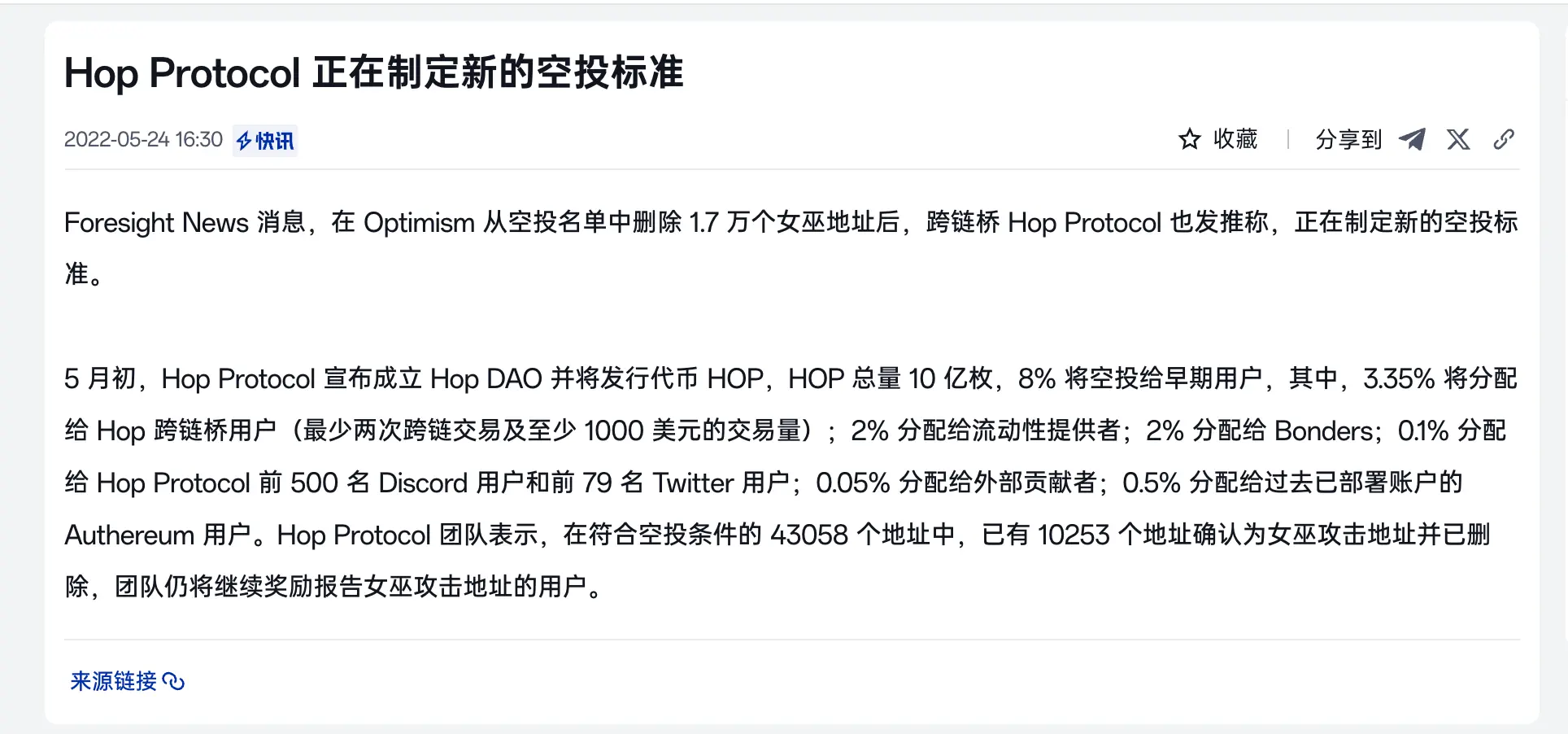
1. Hop Protocol (HOP): The Beginning of the "Witch" Era.
Reverse harvesting process: The cross-chain bridge star HOP pioneered the chilling "community reporting witch (Sybil)" mechanism. The rules are extremely enticing: reporters can share the rewards of the reported address. One might think that Shang Yang, who implemented collective punishment thousands of years ago, has traveled to Web3.
Reverse harvesting characteristics: Mutual harm among the masses. The project team offloaded the dirty work of on-chain address correlation checks to users, inciting community infighting through human greed, even uploading the list of reported addresses directly to GitHub for the entire industry to "reuse."
Far-reaching impact: After HOP, witch hunting became "politically correct" for all token issuance projects, turning on-chain interactions from "experiencing decentralized products" into an extreme cat-and-mouse game. While there is a necessity to combat witches, completely shifting the responsibility of scrutiny to the community and even encouraging mutual harm severely undermined the community ecosystem.
2. Blast: The Evil Father of the "Points System"
Reverse harvesting process: With the top-tier endorsement of Paradigm, Blast abandoned traditional interaction models, requiring users to lock ETH or stablecoins in exchange for "points." The rules changed frequently, benefiting large holders and top NFT players, while ordinary users found that after locking their assets for months, their token earnings couldn't even keep up with the interest from risk-free investments during the same period.
Reverse harvesting characteristics: Financial pyramid and blind box gambling. Users were swept up in endless FOMO, becoming a free ATM for the project's TVL data.
Far-reaching impact: Since Blast, the "points nesting doll" has become an industry standard. The original intention of the points system was to encourage long-term user participation, but frequent rule changes and severe imbalances in rewards ultimately led users to lose trust in the project. Web3 harvesters have become Web2 workers, and the decentralized spirit that Web3 prides itself on has completely died under capital's calculations.

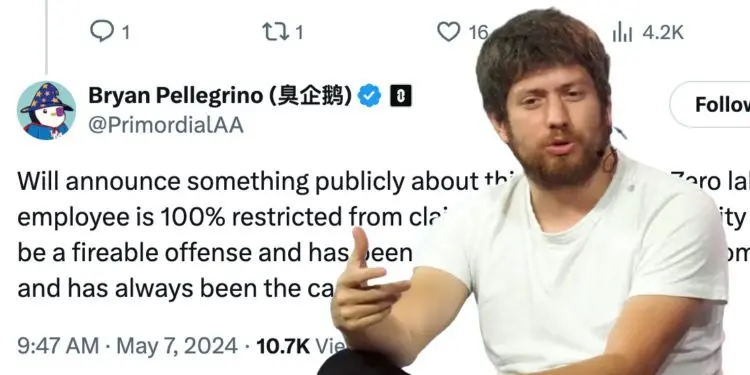
3. LayerZero (ZRO): The Critical Point of Trust Collapse
Reverse harvesting process: After 18 months of cross-chain interactions that cost users huge amounts in gas fees, the project team introduced the strictest witch scrutiny just before the token launch, even requiring users to "voluntarily confess" to retain a portion of their share, or face complete zeroing out. Many genuine active users and small studios were wiped out.
Reverse harvesting characteristics: An extremely arrogant "presumption of guilt." The project team pocketed exorbitant fees from user contributions, only to treat users like thieves, preventing and humiliating them.
Far-reaching impact: LayerZero personally destroyed the grand narrative of "multi-chain interaction." While scrutiny of witches is necessary, the brutal execution of "presumption of guilt + confession mechanism" further accelerated the collapse of trust. From then on, the stench of the foul penguin lingered, and "reverse harvesting" became the sword of Damocles hanging over all harvesters. Retail investors fully understood: in the face of absolute interpretative power, your efforts are worth nothing.
4. zkSync (ZK): The Complete End of the L2 Interaction Airdrop Era
Reverse harvesting process: Once one of the four L2 kings, zkSync kept the community waiting for years. After absorbing over a hundred million dollars in gas fee contributions, its airdrop rules revealed a shocking black box: significantly reducing the weight of transaction counts and activity, instead using "fund retention at a specific time" as the core threshold. This led to a massive loss for long-term interactive users who accompanied the project’s growth, while internal insiders and new accounts that suddenly deposited funds reaped huge shares.
Reverse harvesting characteristics: Using "activity" to deceive gas fees, then using "fund amount" to kick people out.
Far-reaching impact: zkSync's extremely unappealing behavior left the entire market utterly hopeless about L2 airdrops. While controlling witches and volume-farming armies is necessary, the opaque rules left true early contributors disheartened. New L2s launched thereafter faced the dilemma of "no one cares," as retail investors were no longer willing to be free on-chain laborers.
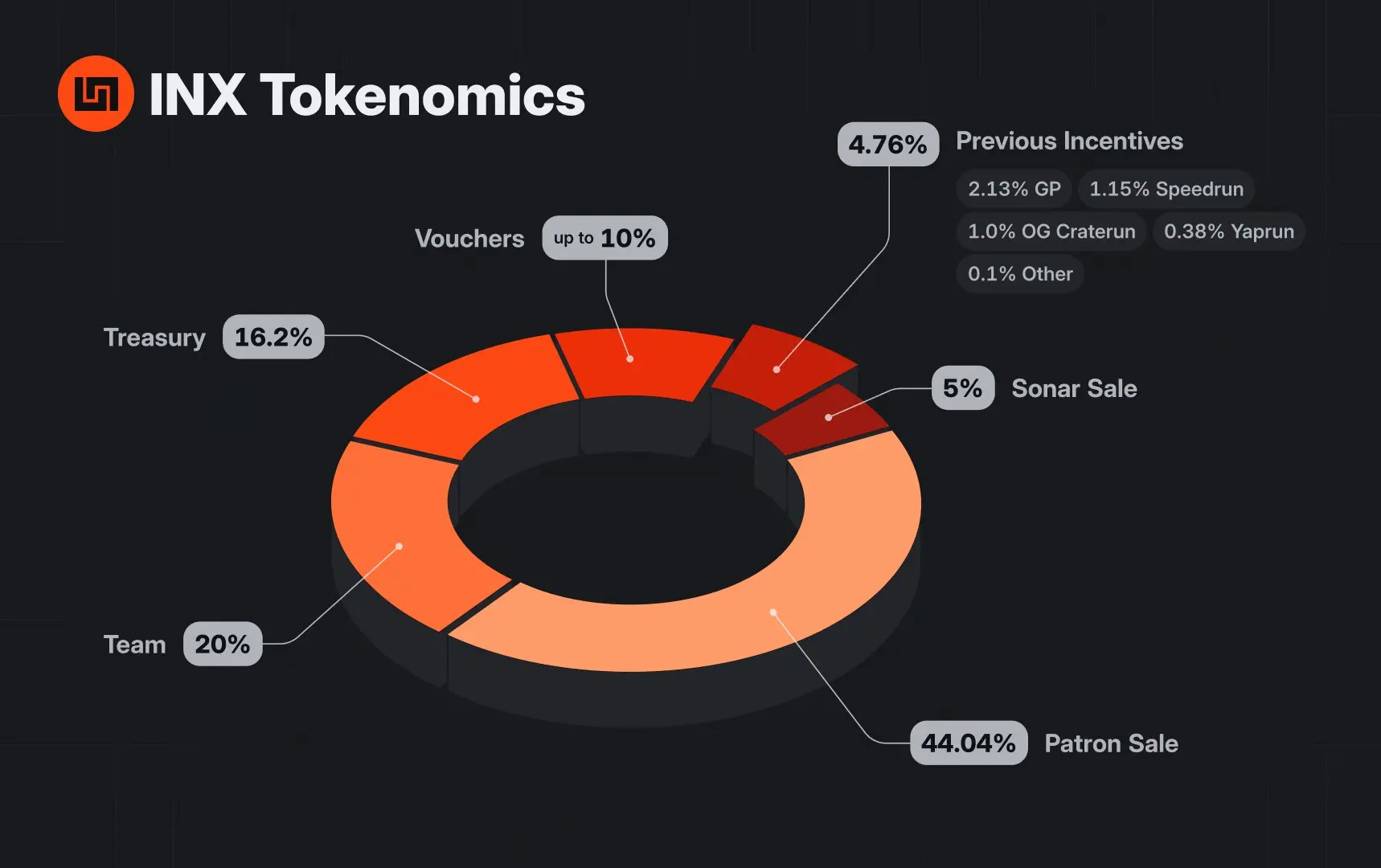
5. Infinex: The Collapse of the Public Sale Mechanism
Reverse harvesting process: Backed by Synthetix founder Kain Warwick, Infinex was seen as a representative of "legitimacy" in the community. It lured users to invest significant funds and energy through Patron NFTs and months-long points activities. However, when the public sale began in January 2026, the community was met with an extremely high FDV valuation, an outrageous "mandatory one-year lock-up," and chaotic distribution logic. Participation on the first day of the public sale suffered a disastrous setback, forcing the project team to urgently "patch" the rules multiple times amid public outcry.
Reverse harvesting characteristics: "Public sale reversal" under high expectations. This operation of first using NFT narratives to entice, then suddenly changing the public sale mechanism, turned long-term supporters' investments into locked-in sunk costs.
Far-reaching impact: The Infinex incident exposed the risks of the "NFT + points for public sale" model, earning the project team endless criticism from the community.
6. Linea: The Origin of the Term "Black Slave"
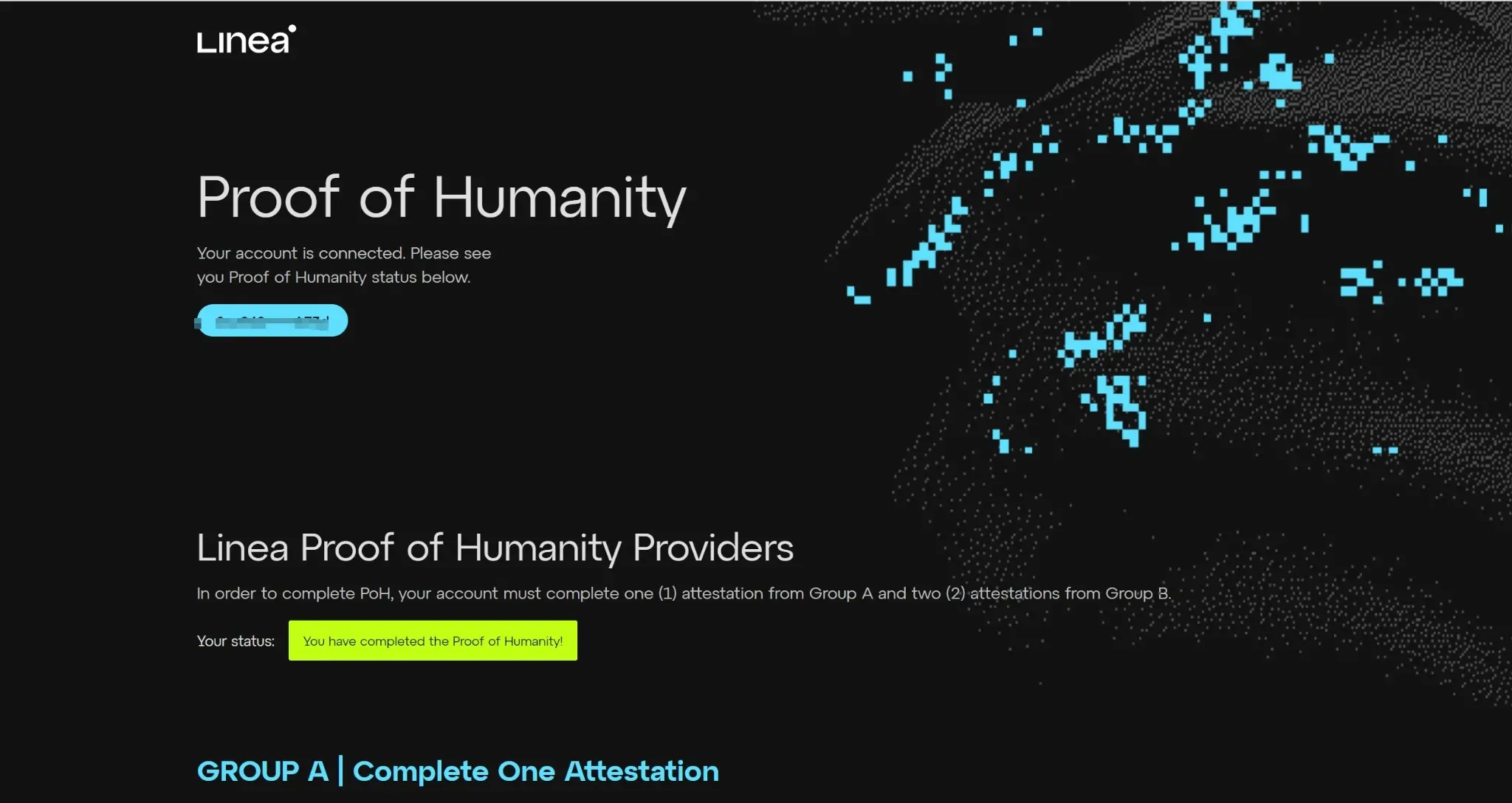
Reverse harvesting process: The art of PUA was taken to an outrageous level: launching a Galxe Odyssey task that lasted two years with an absurd number of phases. Users had to continuously answer questions, cross-chain, swap, mint illiquid junk NFTs, and were ultimately forced to comply with extremely tedious KYC.
Reverse harvesting characteristics: An indefinitely prolonged war of fatigue. Always doing tasks, always accumulating LXP points, always being PUA'd, while the mainnet token launch remained perpetually out of reach.
Far-reaching impact: Linea turned "doing tasks for airdrops" into a low-paying, mentally exhausting full-time job. Many users became exhausted and directly exited the space, marking the complete bankruptcy of the OAT (on-chain achievement token) narrative.
7. Grass: The Free Generator of DePIN
Reverse harvesting process: As a star in the DePIN space, it encouraged users to contribute idle bandwidth. Countless people kept their computers running 24/7 to boost their scores, even spending their own money to purchase overseas clean IPs. As a result, when the token was launched, the project team retained or allocated the vast majority of shares to VCs, while retail investors who worked hard for months found that the money from selling their tokens couldn't even cover their electricity bills and proxy IP costs.
Reverse harvesting characteristics: A classic case of "playing the fool." Cloaked in the guise of Web3 construction, it blatantly exploited Web2 users' physical resources.
Far-reaching impact: Grass's reverse harvesting made the market acutely aware that many so-called DePIN projects are essentially "free-riding software," leading to a sharp decline in retail participation in subsequent similar projects.

8. Monad: The Terminator of L1 Airdrops
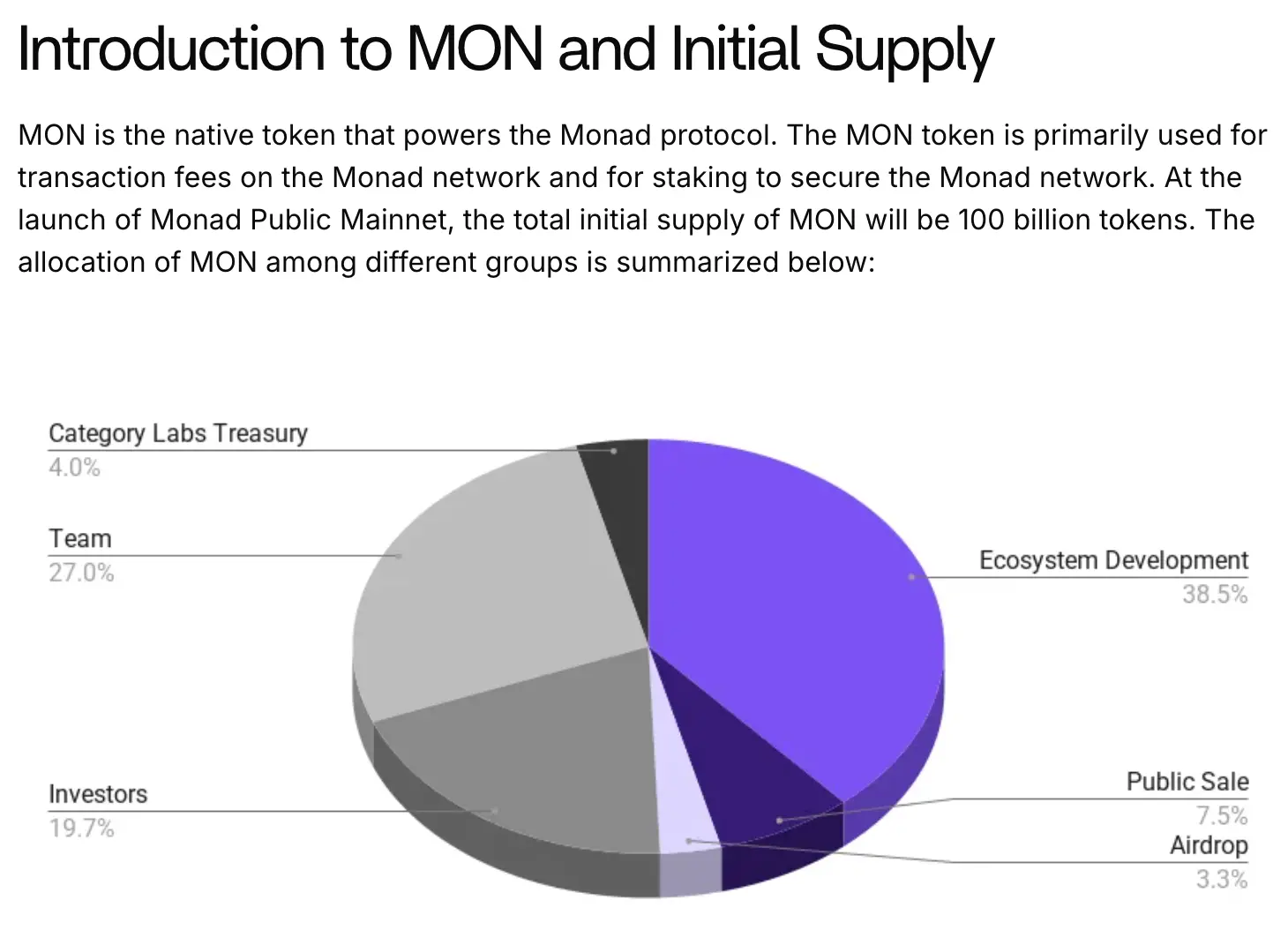
Reverse harvesting process: As a highly anticipated high-performance L1 project, Monad attracted the community for long-term testnet interactions. When the MON airdrop was launched in October 2025, although 230,000 addresses were opened for claims, the overall distribution ratio for the community was only about 3.3%, with many genuine testnet users being strictly scrutinized and zeroed out or receiving only meager shares, while KOLs and some early affiliates received large allocations.
Reverse harvesting characteristics: Extremely low allocation and strict scrutiny after high expectations. The project team attracted many testnet users with technical narratives, only to distribute the tokens to KOLs.
Far-reaching impact: The Monad incident further lowered community expectations for airdrops from new L1 projects. Although it was announced early that testnet contributions wouldn't count, the lack of intervention during the process and the absence of rewards at TGE left true early contributors feeling betrayed. Subsequently, enthusiasm for participation in similar high-performance L1s significantly declined, accelerating the shift of the L1 space from "blooming" to "cautious observation."
9. Babylon: The Incompatibility of the Bitcoin Ecosystem and Imitation
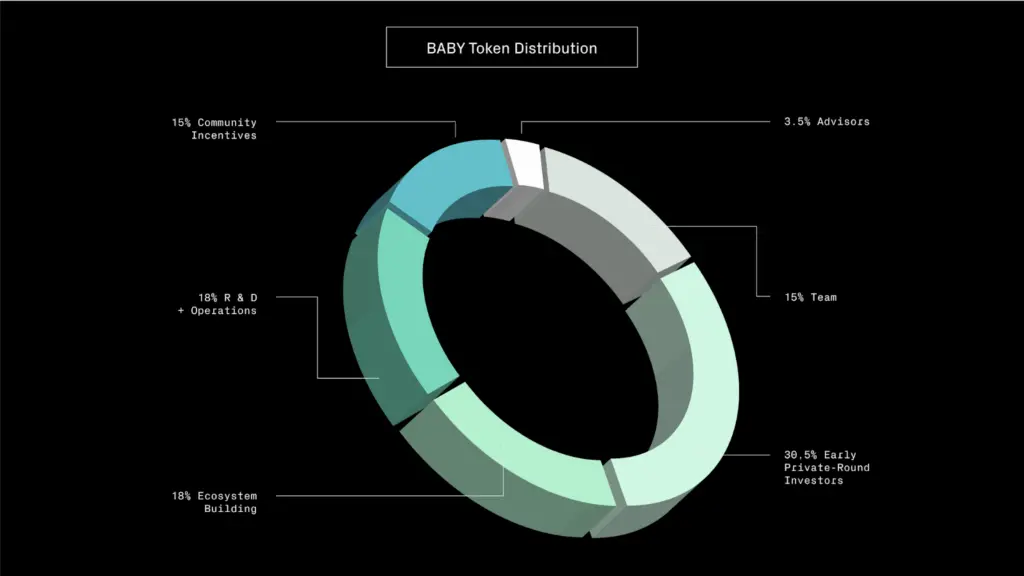
Reverse harvesting process: Attempting to forcibly transplant Ethereum's staking model onto the Bitcoin network. During mainnet activities, due to the capacity limitations of the BTC chain and extreme network congestion, many retail investors paid exorbitant miner fees yet still failed to stake, resulting in real monetary losses. Those who managed to stake successfully found, after locking their assets for six months, that the airdrop rewards were far less than simply trading on exchanges or buying financial products.
Reverse harvesting characteristics: Extremely high trial-and-error costs. Forcibly creating FOMO on the BTC chain, which does not support smart contracts, ultimately backfired on retail investors with high gas fees.
Far-reaching impact: It poured a cold bucket of water on the overheated BTC L2 space. It proved through painful lessons that simply copying Ethereum's PUA model does not work in the Bitcoin ecosystem, severely depleting the trust and patience of veteran Bitcoin players towards emerging ecosystems.
10. Backpack: The Backlash of Crazy Volume Boosting and the Trust Crisis of "Chinese Projects"
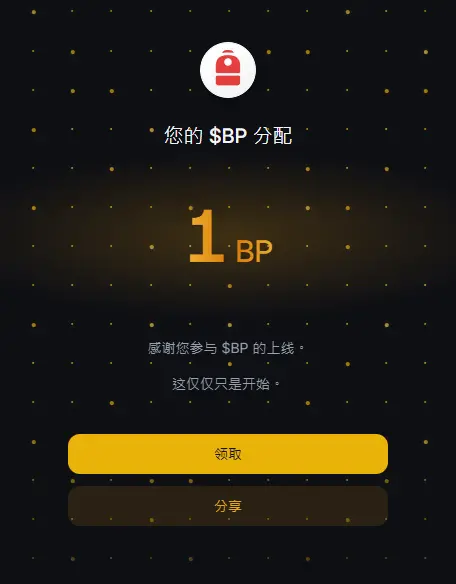
Reverse harvesting process: Raising $37 million, Backpack launched a "transaction volume = points" campaign, PUAing the community for two years. Just before TGE, it suddenly enforced strict KYC and a "one device one IP" black box witch hunt, leading to a large number of accounts being zeroed out. Survivors faced a similarly grim situation: a large holder boosted the volume by $15 billion, spending $300,000 in fees, only to receive $150,000 in tokens (a net loss of 50%), with users' real money directly converting into profits for the project team.
Reverse harvesting characteristics: A simple and crude "reverse siphoning." While volume boosting indeed requires strict scrutiny, only enforcing it after the token launch is a blatant way to profit from fees under the guise of airdrops. Moreover, the token BP plummeted 68% in the first week after launch, with users quietly drained in endless volume boosting.
Far-reaching impact: The image of Chinese entrepreneurs completely collapsed. The Chinese region became a disaster area, with the stereotype of "Chinese projects = reverse harvesting" deeply ingrained in the community's mind, leading to unprecedented trust crises for subsequent Web3 projects led by Chinese individuals during cold starts.
11. EdgeX: The Decline of Perp DEX
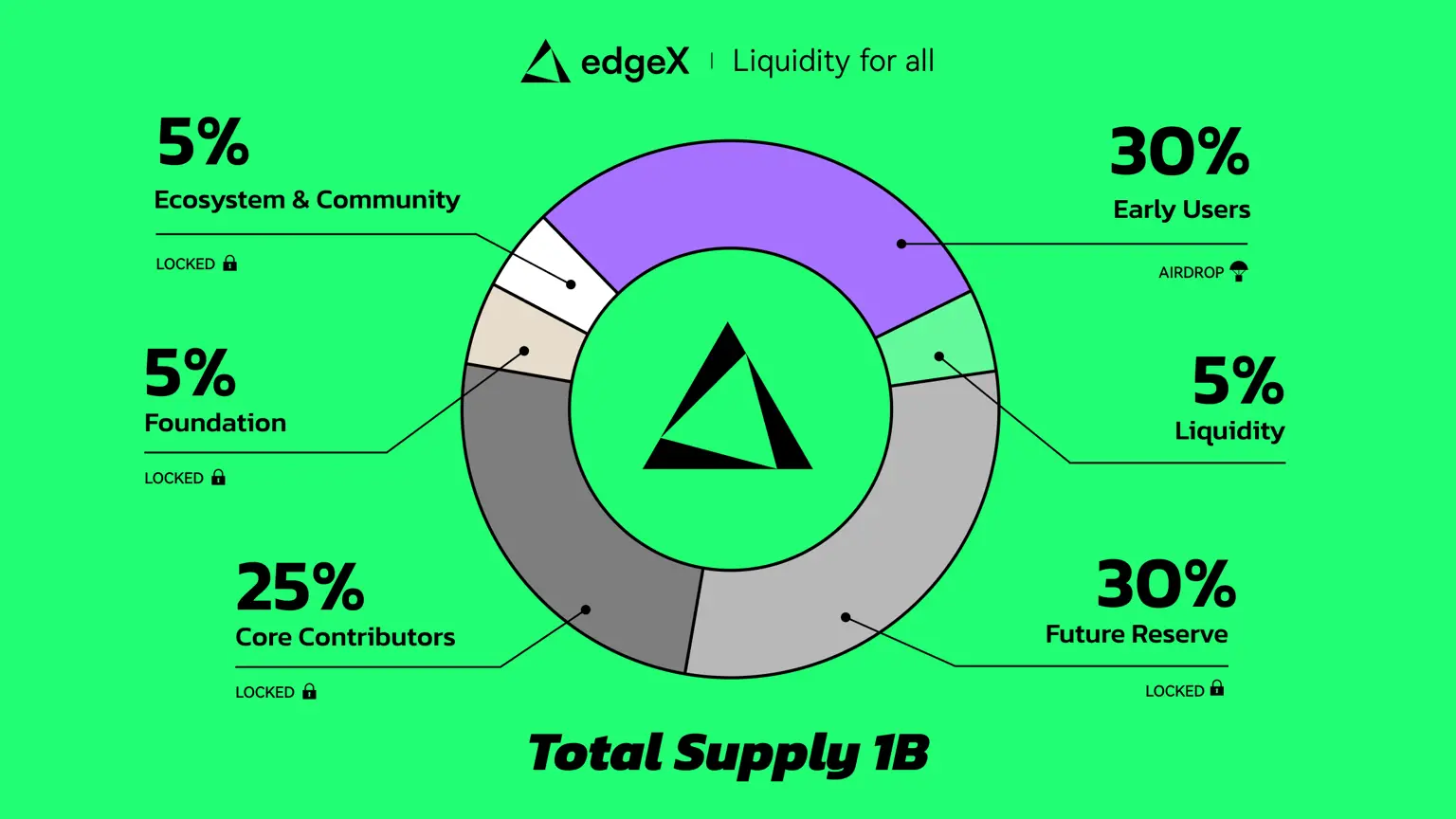
Reverse harvesting process: After the L2 crash, Perp DEX, which required real money for fees, was seen by retail investors as the last refuge for airdrops. Although Lighter made a good start, by the time of edgeX TGE, old users spent hundreds of thousands in fees only to receive airdrop rewards worth less than a thousand dollars, while over 80 new addresses with no interaction records, suspected of being "wash trading," scooped up nearly $100 million in shares. Subsequently, on-chain detectives confirmed their connections to market-making black and gray industries, and the official account went silent, leaving chaos in its wake.
Reverse harvesting characteristics: Open theft by wash trading, with retail investors treated as data cows, while the project team didn't even pretend.
Far-reaching impact: The EdgeX farce completely shattered the narrative of volume boosting for Perp DEX, turning top institutional endorsements into a synonym for high-level harvesting. Retail investors were left utterly hopeless, with smart money accelerating its return to CEX or native L1.
12. Genius: The Last Straw for Harvesters
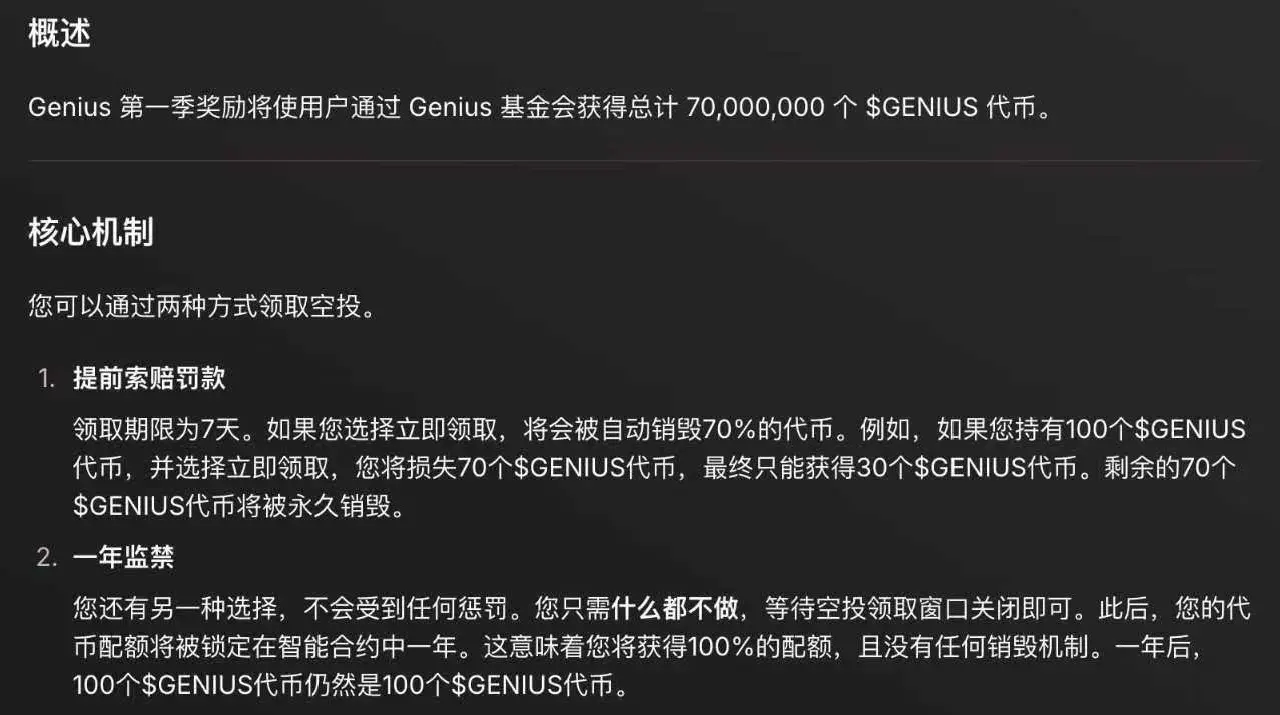
Reverse harvesting process: Genius was seen as the last hope, but after the community crazily boosted trading volume, TGE brought a reversal gift: claiming the airdrop within 7 days would automatically destroy 70% of the tokens, allowing a maximum of 30%; or choosing to lock for a year to receive the full amount. Under immense public pressure, the project team urgently introduced a "refund" option - within 48 hours after TGE, users could choose to destroy 100% of their airdrop allocation in exchange for a refund of the fees collected by Genius.
Reverse harvesting characteristics: Users invested real money driven by trust premiums, only to be informed at the last moment, "Either take a small amount and leave, or spend another year with the project team."
Far-reaching impact: Genius's antics completely disenchanted the "top-tier platform narrative." It was dubbed by the community as "the last straw for harvesters."
Conclusion: A Bold Cut, Returning to the Source
From HOP's witch-hunting list to Blast's points nesting dolls, to LayerZero's self-confession slaughter… these twelve projects have collectively penned an absurd and brutal history of retail investors' blood and tears in the crypto space.
But the truth may be even harsher: this is not just a premeditated harvesting, but a shared karma of speculation and greed.
For a long time, the harvesting circle only cared about "whether tokens would be issued and how airdrops would be distributed," without paying attention to whether the products had real PMF or could generate sustainable revenue. The project teams precisely seized upon this greed - you seek airdrops, they seek your principal and fees.
Now, with the airdrop bubble burst, countless people have been "reverse harvested" to the bone. While this
 Risk warning