Morning Report | SEC plans to establish two compliance channels for cryptocurrencies: over 1,600 projects have accumulated financing of up to $5 million over four years; cryptocurrency, AI, and betting companies drive corporate political spending to a record high in the 2026 midterm elections

 Overview of Important Market Events on August 20
Compiled by: ChainCatcher
What important events occurred in the past 24 hours?
U.S. Treasury doubles bond buybacks, Standard Chartered predicts Bitcoin will reach $100,000 by year-end
According to ChainCatcher, as reported by Forbes, Bitcoin rebounded strongly and broke through $69,000, with $1.29 billion in short positions liquidated within about an hour. On the same day, the U.S. Treasury announced it would at least double the scale of long-term bond buybacks to $4 billion each time, to be executed from September 9 to November 4. Geoff Kendrick, head of digital asset research at Standard Chartered, stated that investors should position themselves for Bitcoin to rise to $100,000 by the end of 2026, calling the Treasury's measures "exactly the type favored by Bitcoin." Standard Chartered had previously lowered its year-end target from $150,000 to $100,000 and postponed its $500,000 forecast from 2028 to 2030. Bitcoin ETFs recorded a net inflow of $298 million, reversing three consecutive days of outflows. The Federal Reserve's meeting minutes were hawkish, maintaining interest rates at 3.50%-3.75%, with three members advocating for rate hikes due to concerns that AI could drive inflation. Kendrick pointed out that $65,500 needs to be held to confirm the bottom.
Overview of Trump's pro-crypto remarks: Reveals U.S. government has discussed accumulating a significant amount of Bitcoin; completely ending the war on crypto; urging the swift passage of the "Genius Act"
According to ChainCatcher, U.S. President Trump met with executives from crypto and fintech companies such as Coinbase, Ripple, Robinhood, Gemini, and Chainlink in the Roosevelt Room of the White House on Wednesday and delivered a speech supporting cryptocurrencies. Trump stated that his administration has "completely ended the war on cryptocurrencies," and the industry is thriving. The U.S. must maintain its "undisputed leadership" in Bitcoin, cryptocurrencies, prediction markets, and AI, and is committed to becoming the "world's crypto capital." He mentioned that the U.S. government has discussed accumulating a "significant amount" of Bitcoin and other cryptocurrencies, stating that cryptocurrencies "greatly alleviate the pressure on the dollar." He also urged Congress to quickly pass the "fair version" of the "Clarity Act," claiming this would allow the U.S. to lead over China and other countries. Trump also mentioned that the SEC chairman is working to bring Hyperliquid to the U.S. market in a compliant manner and reviewed the policy achievements of the signed "Genius Act" (stablecoin legislation), strategic Bitcoin reserves, and the prohibition of CBDCs.
SEC plans to outline two crypto compliance pathways: Over 1,600 projects have a cumulative financing amount that meets the $5 million cap over four years
According to ChainCatcher, based on RootData data, among 3,244 crypto projects with financing records not exceeding four years and amounts that can be verified, 1,617 have a cumulative financing amount not exceeding $5 million, accounting for 49.8%. The median financing for this batch of projects is $2.5 million, with about 96% having only recorded one round of financing. In terms of sectors, DeFi, infrastructure, and gaming projects together account for 59.2%, with small financing mainly flowing to protocol development, underlying technology, and consumer applications. However, a quarter of the projects in the sample have already ceased operations, indicating that while lowering regulatory thresholds can improve financing efficiency, it cannot replace product demand and sustainable operational capability. Institutional participation is also higher than the market's usual perception of "small projects": 92.9% of the sample has identifiable investor records, and 83.5% disclosed at least two investors. Among them, Animoca Brands, Shima Capital, and Big Brain Holdings participated in 84, 69, and 67 projects, respectively. It is reported that the U.S. SEC officially proposed the "Regulation Crypto Assets" on August 18. The proposal aims to set two tiers of issuance exemptions: projects can raise no more than $5 million in a one-time financing within four years; projects with greater financing needs can raise up to $75 million in each 12-month period but must submit financial statements and fulfill ongoing reporting obligations. The proposal is currently in a 60-day public comment period and has not yet officially taken effect.
CZ: Bitcoin still follows a four-year cycle, crypto is entering the most favorable policy environment
According to ChainCatcher, CZ discussed the "super cycle" theory of Bitcoin he previously mentioned at the Davos Forum during the SALT conference held in Jackson Hole, Wyoming, stating that this theory has not yet materialized. From the data, the market still follows a relatively strict four-year cycle, currently in the bear market phase; however, as the total market capitalization continues to expand, price volatility will tend to narrow, similar to the price fluctuation patterns of large companies like Amazon and Facebook. Regarding the U.S. regulatory environment, CZ stated that this is the most favorable period he has seen in his 12 years in the industry and believes that the U.S. regulatory framework has a demonstration effect globally, with many countries' securities laws and exchange regulatory structures modeled after the U.S. Meanwhile, Hong Kong is accelerating its legislative efforts to align with U.S. regulatory thinking. Additionally, CZ discussed the allocation situation of his investment firm YZi Labs, stating that about 70% of the funds are directed towards core crypto and blockchain sectors, about 20% towards AI, and the remaining portion towards biotech and other fields. YZi Labs uses its own funds and is not constrained by external LP return cycles, focusing more on the positive impact of projects and the execution capability of founding teams rather than purely on financial return models. Regarding Hyperliquid, CZ stated that there is a misunderstanding in the industry that he, as a shareholder of Binance, would only maintain a CEX position, but he entered this industry because he believes in decentralization. If platforms like Hyperliquid, which do not require KYC, can enter the U.S. market in a compliant manner, it will open the door for the entire industry, allowing more Perp DEX and decentralized services to cover U.S. and global users, thus providing better liquidity and prices for American consumers. This is beneficial not only for Hyperliquid itself but will also benefit international centralized trading platforms, including Binance.
Bloomberg: Bitcoin briefly breaks $70,000, triggering an epic short squeeze, crypto market sees its largest rebound since March
According to ChainCatcher, on August 20, the Bitcoin market suddenly rebounded, with prices rising nearly 8% at one point, briefly breaking through $70,000, reaching a new high since early June, and triggering the largest short liquidation wave since 2021. Over $1 billion in Bitcoin short positions were liquidated within about an hour, as months of bearish trades concentrated on closing positions, driving BTC's rapid rebound. Analysts pointed out that this increase reflects an overly crowded short position in the market, and as prices turned upward, forced buying further amplified the rise. This rebound was driven by multiple factors. U.S. President Trump met with executives from crypto companies such as Coinbase, Kraken, and Blockchain.com at the White House, leading to market expectations that the U.S. government would continue to push for a more favorable digital asset regulatory framework. The U.S. Securities and Exchange Commission (SEC) proposed new rules for crypto asset issuance this week, aiming to exempt some digital asset issuance from registration requirements. On the macro front, the U.S. Treasury announced an expansion of long-term bond buyback scales, at least doubling the scale of 10 to 30-year bond buyback operations to enhance market liquidity and alleviate long-term U.S. Treasury yield pressure, further boosting risk asset sentiment. The rebound spread throughout the crypto market, with Ethereum rising 19% at one point, marking the largest single-day increase since March. Crypto-related stocks also surged, with Coinbase rising about 10%, Bitcoin reserve company Strategy rising about 13%, and stablecoin issuer Circle rising nearly 10%. Analysts stated that Bitcoin's next key point lies in whether it can convert this short squeeze into real buying pressure and break through the resistance area above $70,000.
Hong Kong Stock Exchange reports net profit of HKD 10.568 billion in the first half of the year, up 24% year-on-year
According to ChainCatcher, on August 19, the Hong Kong Stock Exchange released its mid-term performance for 2026. In the first half of 2026, revenue and other income reached HKD 16.702 billion, a year-on-year increase of 19%; profit attributable to shareholders was HKD 10.568 billion, a year-on-year increase of 24%, both figures setting records. Boosted by the performance, the Hong Kong Stock Exchange's stock price closed at HKD 414.6, up 2.37%. The performance was driven by strong corporate financing demand and increased trading volumes in spot, derivatives, and the Shanghai-Shenzhen-Hong Kong Stock Connect, with a total of 87 new stocks listed in the first half, raising a total of HKD 212.4 billion, a year-on-year increase of 94%. The average daily trading amount in the spot market increased by 18% year-on-year to HKD 283 billion, setting a new high for the same period; daily trading contracts in derivatives increased by 6% to 1.8 million; the average daily trading in the Shanghai Stock Connect and Shenzhen Stock Connect reached RMB 345.3 billion, more than double that of the same period last year. Goldman Sachs and JPMorgan maintained "buy" and "overweight" ratings, respectively. Before the performance announcement, the Hong Kong Stock Exchange announced a three-year contract renewal with CEO Charles Li, effective from March 1, 2027, to February 28, 2030, which has been approved by the Hong Kong Securities and Futures Commission. During this period, the Hong Kong Stock Exchange will promote consultations to shorten the stock settlement cycle, simplify trading units, and introduce the first ETF tracking the "Hong Kong Stock Exchange Technology 100 Index," announcing the launch of Chinese government bond futures. Charles Li responded to the extension of trading hours, stating that the derivatives market has been operating until 3 a.m. the next day and will prioritize connecting with the North American market, while the spot market requires more detailed communication.
Coinbase selects Abu Dhabi as its international tokenization center
According to ChainCatcher, as reported by Fortune, cryptocurrency exchange Coinbase has chosen Abu Dhabi in the UAE as its "international tokenization center," aiming to bring more traditional financial assets onto the blockchain. This move is seen as a significant advancement for Abu Dhabi in attracting global crypto and fintech companies. Coinbase plans to promote the tokenization of real-world assets (RWA) through this center, leveraging Abu Dhabi's regulatory environment and policy support to expand its presence in the Middle East and international markets. Abu Dhabi has been continuously improving its digital asset regulatory framework in recent years, attracting multiple crypto institutions to settle there.
SEC Chairman Atkins states that the top priority is to push Congress to pass the CLARITY Act
According to ChainCatcher, U.S. SEC Chairman Paul Atkins stated at today's cryptocurrency meeting at the White House with President Trump that the most important priority is for Congress to send the CLARITY Act to the President for signing, and the SEC is fully supporting this work.
Coinbase CEO: Looking forward to the passage of the CLARITY Act on September 15, then starting a new bull market
According to ChainCatcher, Coinbase CEO Brian Armstrong recently expressed his vision on the X platform, looking forward to strong bipartisan support for the CLARITY Act on September 15, followed by the arrival of "Uptober" and the start of the next cryptocurrency bull market, stating "as predicted." The CLARITY Act aims to provide a clearer market structure and regulatory framework for U.S. crypto assets. Armstrong's statement reflects his expectations for regulatory progress and a warming market sentiment.
Federal Reserve interest rate decision preview: Inflation concerns and policy divergence become focal points
According to ChainCatcher, Tim Duy, chief U.S. economist at SGH Macro Advisors, stated that it has become common for several Federal Reserve officials to vote against interest rate decisions recently. Duy believes that the core concern for the market is how widespread officials' concerns about inflation are, especially when inflation is above target levels. With the labor market stabilizing, some officials believe that rate hikes are necessary to curb inflation. The market will focus on the consensus among Federal Reserve officials regarding inflation concerns and the degree of policy divergence.
CFTC Chairman: Regardless of whether the Clarity Act passes, the crypto industry will eventually face regulatory rules
According to ChainCatcher, as reported by Bloomberg, Michael Selig, chairman of the U.S. Commodity Futures Trading Commission (CFTC), stated on Thursday that even if Congress fails to pass the landmark related legislation, the crypto industry will ultimately face market structure regulatory rules. Selig made these remarks in an interview with Bloomberg Television before the first meeting of the CFTC's Innovation Advisory Committee, stating, "Establishing market structure is very important. We can achieve this through regulatory rules or through legislation." The CFTC is weighing a series of potential cryptocurrency rules but is currently waiting for progress on the Clarity Act, which would grant the CFTC primary authority to regulate the digital asset industry. The bill is currently stalled in the Senate, which plans to conduct a procedural vote on the bill in mid-September, but significant controversies remain, which may make it difficult for the bill to gain enough votes before lawmakers turn their attention to the November midterm elections. Selig added that legislation is the most reliable way to lock in the cryptocurrency market structure, but the agency also has considerable power under existing regulations, and if necessary, it will exercise that power to formulate rules without legislative support.
Market news: Intel's Razor Lake may adopt TSMC's N2X process
According to ChainCatcher, as reported by the Commercial Times, competition in advanced process technology for PC processors is heating up. Market news indicates that Intel's next-generation Nova Lake desktop processors will prioritize the introduction of bLLC large last-level cache to reduce access latency to system memory, competing with AMD's 3D V-Cache technology; the laptop version may be delayed until the subsequent Razor Lake-HX generation is launched. The supply chain revealed that the Nova Lake, set to debut early next year, will use a combination of Intel's 18A and TSMC's N2P processes, while the subsequent Razor Lake may further adopt TSMC's high-performance 2nm N2X process. N2X is a high-performance extension of TSMC's N2 platform, targeting high-frequency CPUs, AI, and HPC applications, with transistor technology shifting from FinFET to nanosheets. If mass production is ultimately achieved, Intel's collaboration with TSMC on advanced processes is expected to extend to a broader 2nm family, helping to reduce the risk of relying solely on proprietary processes and optimize the timing and capacity configuration for high-end CPU launches. In addition to benefiting TSMC directly, related supply chains are also expected to see business opportunities. Songsheng is one of the few Taiwanese companies capable of mass-producing its own CMP polishing pads, with semiconductor combined revenue in the first half of the year increasing by 25% year-on-year, accounting for 66%. Demand for Hard Pads and advanced packaging is strong, with a new line for Soft Pads expected to trial in the third quarter and gradually ramp up production in the fourth quarter, with products already applied in CoWoS and SoIC. Zhongsha holds CMP diamond discs and regenerated wafers, with second-quarter revenue of 2.49 billion yuan, a year-on-year increase of 17.9%, and gross margin rising to 40.1%, with rapid increases in shipments of 2nm and 1.6nm related diamond discs.
Stripe acquires OpenRouter for over $8 billion, says private model is better suited for the "singularity era," IPO may be delayed
According to ChainCatcher, as reported by Axios, payment giant Stripe stated in a letter to investors that January 1 marks "the beginning of the singularity," viewing it as a significant turning point for long-term trends and believing that maintaining a private structure is most suitable for this critical moment, with the IPO potentially continuing to be shelved. The company reported a 41% year-on-year revenue growth in the first half of the year and a 43% increase in free cash flow; 88% of the companies in Forbes AI 50 (including OpenAI and Anthropic) are built on its platform, with revenue from AI and crypto companies more than doubling year-on-year. Stripe also confirmed the acquisition of the AI routing platform OpenRouter, with the transaction amount undisclosed, but Axios learned that it exceeds $8 billion and is primarily paid in stock. Stripe stated that remaining private helps advance mergers and acquisitions and long-term investments without diluting shareholder value, with its equity count now lower than three years ago, and a compound annual return of about 31% since the D round. The company stated that total platform payments are expected to reach $1.9 trillion in 2025, a year-on-year increase of 34%; in February this year, the employee stock purchase valuation was about $159 billion. Additionally, reports indicate that Stripe is in discussions with Advent International to acquire PayPal for about $53 billion.
Garrett Jin: Bitcoin's key resistance zone is $80,000 to $82,500, and the short squeeze momentum is hard to sustain
According to ChainCatcher, "BTC OG insider whale" agent Garrett Jin analyzed that Bitcoin's recent breakthrough above $70,000 was driven by multiple favorable factors, including the U.S. Treasury's bond buyback expansion, the SEC's proposed crypto asset regulatory framework, and the White House crypto summit. The current price has entered a dense area of trapped positions between $60,000 and the low $80,000, with the first resistance layer showing signs of loosening. Garrett Jin pointed out that a large number of new holding costs have accumulated in the area just above $60,000 over the past two months, providing bottom support for this breakthrough. Although the short squeeze triggered by short liquidations may still push Bitcoin above $80,000 in the short term, the $80,000 to $82,500 zone is a key resistance area that requires close attention, and the short squeeze momentum is difficult to sustain in the long term. If effective absorption of positions can occur below $80,000 before the breakout, it would be more conducive to the healthy development of subsequent trends. On the same day, SK Hynix announced the largest stock buyback and cancellation plan in South Korea's history, committing to return at least 50% of the expected free cash flow before 2027 to shareholders, with the stock price rising more than 10% at one point, triggering a buyer's circuit breaker for the KOSPI index. Analysts believe this move can alleviate market concerns about declining risk appetite for South Korean semiconductor stocks, but it cannot change the cyclical trend of the memory industry.
Industry leaders warn that AI agents could reduce billion-dollar crypto hacks to "pocket change"
According to ChainCatcher, at the 2026 Wyoming Blockchain Symposium, Global Settlement Network CEO Ryan Kirkley warned that AI agents could enable hackers to invade Wi-Fi networks, passwords, and wallets on an unprecedented scale, making current billion-dollar crypto attacks seem trivial. Kirkley stated, "We thought these bridge attacks were serious, but they are actually just pocket change." Previously, the cost of attacking someone with $20,000 in assets was too high, but now an agent can attack everyone simultaneously. Bill Laboon, Vice President of Technical Operations at the Web3 Foundation, agreed, believing that the efficiency gains brought by decentralized systems also benefit attackers. Fahmi Syed, President of the Midnight Foundation, emphasized that agents need clear parameter settings and should not be granted unrestricted access to credit card, social security, and various account information. Kirkley believes that setting agent permissions is relatively easy to solve, while the security protection of underlying systems is a greater concern. Regarding trust issues, Laboon pointed out that large language models still occasionally produce hallucinations, so he is reluctant to entrust personal retirement funds to agents. Richard Shorten, founder of Silvermine Capital Advisors, believes that the development speed of agent AI technology has exceeded people's acceptance capacity. Kirkley also mentioned the regulatory responsibility dilemma, as it remains unclear who is responsible and how funds can be recovered when autonomous agents make mistakes or even break the law.
Blueprint Finance completes strategic financing, led by Polychain Capital
According to ChainCatcher, institutional-level on-chain financial infrastructure developer Blueprint Finance announced the completion of strategic financing, led by Polychain Capital, with participation from Bullish, Keyrock, BitGo, FalconX, G-20, Flowdesk, JPEG Trading, Sentient Capital, Andes, and 2Square. Blueprint Finance is the core developer of Concrete, a full-stack treasury infrastructure aimed at institutions, protocols, and asset managers for launching, managing, and configuring capital through complex on-chain strategies, integrating execution, accounting, risk control, rebalancing, and protocol into a unified treasury system. This round of financing will support its continued expansion of Concrete and promote cooperation with protocols, asset issuers, networks, and institutional allocators to build treasury systems that support on-chain yield products and act as core liquidity infrastructure. In addition to treasury infrastructure, Blueprint Finance is also expanding the Concrete ecosystem, launching on-chain financial primitives such as AssetCX and concUSD. Nic Roberts-Huntley, CEO and co-founder of Blueprint Finance, stated that DeFi is moving beyond merely chasing the highest advertised yields, and the next phase concerns infrastructure, providing control, transparency, automation, and risk management for professional allocators while retaining on-chain market advantages.
Federal Reserve's Musalem: I suggested raising interest rates in July
According to ChainCatcher, Federal Reserve's Musalem stated that he suggested raising interest rates in July and does not want to give a clear opinion on what action the Federal Reserve will take at the September FOMC meeting. He does not want to predict the September meeting. He hopes to bring inflation down to 2% within 18 months, and when supply shocks occur, core inflation must be monitored. Forward guidance implies commitment, while conveying the policy framework is different, and the labor market has not brought inflationary pressure.
Federal Reserve's Daly: No evidence seen for needing to raise interest rates early
According to ChainCatcher, Federal Reserve's Daly stated that the Federal Reserve's policy is in good shape. No evidence has been seen for needing to raise interest rates early.
Frontier Data Research Lab idler completes $9 million seed round financing, led by Paradigm
According to ChainCatcher, Frontier Data Research Lab idler announced the completion of a $9 million seed round financing, led by Paradigm's Alpo and Frankie, with participation from Y Combinator, Long Journey VC, and angel investors such as marrc, catherynli, dcposch, Janine Leger, Lynett Capital, feross, and nurdaulet_. idler positions itself as a frontier data research lab, and this round of funding will be used to build evaluation systems, benchmark testing, and reinforcement learning environments for leading global frontier labs to train and measure their model performance.
South Korean media: Samsung Electronics plans to launch a shareholder return plan of about 150 trillion won
According to ChainCatcher, on August 20, the Korea Economic Daily reported that Samsung Electronics plans to announce a shareholder return plan of about 150 trillion won this month, exceeding the previously reported 100 trillion won amount. It is expected to include measures such as stock buybacks and special dividends, potentially setting a historical high for South Korean listed companies. Industry insiders revealed that Samsung Electronics plans to hold a board meeting this month to review the relevant proposals. Previously, the market expected the return scale to reach up to 200 trillion won, but considering the company's basic principle of using 50% of free cash flow (FCF) for shareholder returns, the final scale is expected to be between 150 trillion and 160 trillion won. Samsung Electronics executives stated that with the recovery of the memory chip industry, the company's cash generation ability has significantly improved. Brokerages expect Samsung Electronics' total free cash flow for the year to be about 263 trillion won, and the cumulative free cash flow during the shareholder return policy cycle from 2024 to 2026 is expected to be about 319 trillion won. Based on a 50% return ratio, the total return funds are about 160 trillion won, and after deducting the 39.1 trillion won already executed and planned, the remaining funds are close to 120 trillion won. The market expects Samsung Electronics to potentially use the remaining funds to add large-scale special dividends while maintaining a regular dividend of 1,668 won per share and advancing large-scale stock buybacks. Industry insiders believe that following SK Hynix, Samsung Electronics' large-scale shareholder return plan may become an important factor in driving the valuation of the South Korean stock market.
Metaplanet to inject 2,100 Bitcoins into Super League for about $134.6 million, acquiring approximately 93.6% equity
According to ChainCatcher, Japanese Bitcoin treasury company Metaplanet will inject 2,100 Bitcoins and $2.5 million in cash into Nasdaq-listed Super League Enterprise, with a total initial investment of about $134.6 million. After the transaction is completed, Super League Enterprise will be renamed Superplanet Inc. and become a subsidiary of Metaplanet; Metaplanet is expected to hold approximately 93.6% of its issued common stock and obtain 44.86 million shares of common stock, preferred stock, and warrants. Superplanet will continue to be listed on Nasdaq and retain its original gaming and media business, with the transaction adopting a private placement structure. Metaplanet has agreed to a five-year lock-up period, and Superplanet will raise funds from U.S. investors, while Metaplanet continues to finance through the Japanese market. Metaplanet currently holds 43,000 Bitcoins, and this injection accounts for about 4.9% of its holdings. After the transaction is completed, Superplanet will operate as its Bitcoin treasury platform targeting the U.S. market.
Data: Ethereum spot ETF saw total net inflow of $189 million yesterday, continuing three days of net inflows
According to ChainCatcher, based on SoSoValue data, yesterday (Eastern Time August 19), the Ethereum spot ETF saw a total net inflow of $189 million. The Ethereum spot ETF with the highest single-day net inflow yesterday was Blackrock's ETF ETHA, with a single-day net inflow of $122 million, bringing ETHA's historical total net inflow to $11.846 billion. The second was Fidelity's ETF FETH, with a single-day net inflow of $36.5352 million, bringing FETH's historical total net inflow to $2.16 billion. As of the time of writing, the total net asset value of Ethereum spot ETFs is $12.063 billion, with an ETF net asset ratio (market cap relative to Ethereum's total market cap) of 4.51%, and historical cumulative net inflows have reached $11.744 billion.
Base Accelerator Base Batches 004 open for applications, selected teams receive $100,000 investment
According to ChainCatcher, Base officially announced that its accelerator project Base Batches 004 is now open for applications, targeting the fall 2026 batch, with a deadline of September 9. The project is jointly operated by Base and the Base Ecosystem Fund, aiming to help early teams building on Base to launch, finance, and achieve growth. Selected teams will receive a $100,000 investment offer from the Base Ecosystem Fund (subject to due diligence) and participate in an 8-week practical support program to refine their products and narratives, culminating in a Demo Day in November in New York to showcase to selected investors. Applicant teams must meet the following criteria: be in the early stage (from having a founder-market fit product to post-MVP), not having completed a formal seed round, prefer Base as the primary network, and focus on promoting on-chain economic development, covering areas such as trading, payments, agents, or financing. Selected teams will also receive exclusive advisory guidance, weekly support, cross-domain expert resources, content exposure, and investor showcase opportunities. Base stated that applications will be reviewed on a rolling basis and encourages early submission, with the application address being base.org/batches.
Executives from Coinbase, Ripple, and other crypto companies meet with U.S. Secretary of Commerce to discuss promoting the Clarity Act
According to ChainCatcher, crypto journalist Eleanor Terrett reported that informed sources revealed that before President Trump and crypto industry leaders spoke at the White House, Coinbase CEO Brian Armstrong, a16z's Chris Dixon, Ripple CEO Brad Garlinghouse, and Kraken co-founder Arjun Sethi met with U.S. Secretary of Commerce Howard Lutnick. The discussion focused on the importance of passing the Clarity Act and its implications for U.S. jobs, economic growth, and attracting crypto companies back. Participants also discussed the remaining obstacles to passing the bill, including ethical clauses, and how the White House can help facilitate bipartisan consensus.
Winbond Electronics accelerates expansion of Kaohsiung Luzhu plant, Module B expected to start construction in 2027
According to ChainCatcher, as reported by the Commercial Times, driven by long-term growth in demand for memory and advanced packaging due to AI, Winbond Electronics has accelerated its expansion plans for the Kaohsiung Luzhu plant, merging the originally planned phases two and three into Module B for simultaneous development, with construction of a cleanroom expected to start in 2027, and equipment installation expected to begin as early as early 2029, with phased equipment introduction based on customer demand forecasts and LTAs. Customers have already begun discussions for capacity in 2029 and 2030. Industry sources pointed out that Winbond's niche DRAM and SLC NAND are in short supply, with estimated quarterly price increases of about 50%; NOR Flash benefits from major client stockpiling by cloud service providers, with estimated quarterly price increases of about 30%. In the fourth quarter, memory prices are expected to converge to a 2% to 5% increase, but benefiting from increased DRAM capacity and growing shipment volumes, revenue and profits can still maintain a quarterly increase. Winbond's second-quarter consolidated revenue was NT$59.843 billion, a quarterly increase of 56.4% and a year-on-year increase of 184.7%, with DRAM prices increasing by about 100% quarterly and Flash prices rising by about 43%, with consolidated gross margin rising to 66.2%, and after-tax earnings per share of NT$5.40. Module B product planning includes Standard DRAM, CUBE DRAM, Wafer-on-Wafer (WoW), and silicon capacitors (Si-Cap), which will support 14nm and future 12nm DRAM processes, with plans to introduce EUV equipment in the future.
VanEck: Bitcoin has triggered 8 capitulation indicators, true buying advantage may require a one-year cycle
According to ChainCatcher, as reported by CoinDesk, asset management company VanEck's latest report shows that Bitcoin has currently triggered 8 out of 12 market capitulation indicators, indicating that the market is approaching historical bear market bottom regions, but the related signals do not mean that prices have bottomed out. These indicators mainly measure Bitcoin's market state during extreme sell-off phases, including the price retracement from highs, miner profitability, and the proportion of holders at a loss. Over the past three months, all 12 indicators have reached triggering ranges. VanEck pointed out that previous major bottoms for Bitcoin experienced maximum declines of about 94%, 85%, 84%, and 78%, during which the market lacked support from spot ETF funds, institutional holdings were small, and were accompanied by major industry events such as Celsius and FTX. In contrast, the current market structure has changed. From a cyclical perspective, VanEck has tracked four complete Bitcoin cycles since 2011 and found that bear markets typically last about 11 months from peak to trough, and if excluding the special cycle of 2011, the average is about 12.7 months. Currently, Bitcoin has entered the 10th month since its peak in October 2025, and the next potential accumulation window may appear between September and November this year. VanEck concluded that the current capitulation indicators are more suitable as tools for long-term investors to assess cycle positions rather than short-term bottom signals. Historical data shows that the advantages of investing based on these indicators mainly manifest within a one-year cycle, and the market may continue to fluctuate in the coming months.
Crypto, AI, and betting companies drive corporate political spending to new highs ahead of the 2026 midterm elections
According to ChainCatcher, as reported by Reuters, U.S. corporations have invested a record $517 million in the 15 months leading up to the 2026 congressional elections for the House and Senate, surpassing the previous high of $461 million during the two-year 2024 election cycle. The crypto, tech, and online betting industries contributed at least $294 million, becoming major forces shaping the midterm elections. The Fairshake super PAC, primarily funded by Coinbase, Ripple, and a16z, had $193 million in funds at the beginning of the year, with about $130 million remaining; a16z has donated over $81 million to crypto and AI-related PACs. Elon Musk has invested over $90 million, and Meta has donated $65 million to four super PACs. AI-related organization Leading the Future raised $140 million, and Anthropic donated at least $40 million through dark money nonprofit organizations. Online betting companies like DraftKings and FanDuel donated over $72 million. AdImpact expects total political ad spending for this midterm election cycle to reach a record $11.6 billion. Related industries are making unlimited expenditures through super PACs, affiliated PACs, and dark money nonprofit organizations for advertising, voter mobilization, etc., with critics arguing that this amplifies the influence of niche issues such as crypto regulation, data center energy, and betting regulation.
Data: Bitcoin spot ETF saw total net inflow of $517 million yesterday, continuing three days of net inflows
According to ChainCatcher, based on SoSoValue data, yesterday (Eastern Time August 19), Bitcoin spot ETFs saw a total net inflow of $517 million. The Bitcoin spot ETF with the highest single-day net inflow yesterday was Blackrock's ETF IBIT, with a single-day net inflow of $285 million, bringing IBIT's historical total net inflow to $61.684 billion. The second was the ETF ARKB from Ark Invest and 21Shares, with a single-day net inflow of $77.7056 million, bringing ARKB's historical total net inflow to $1.389 billion. As of the time of writing, the total net asset value of Bitcoin spot ETFs is $84.313 billion, with an ETF net asset ratio (market cap relative to Bitcoin's total market cap) of 6.08%, and historical cumulative net inflows have reached $52.792 billion.
U.S. Senator demands Walsh publicly disclose communication records with Trump, questioning Federal Reserve transparency
According to ChainCatcher, Nick Timiraos, chief economic reporter for The Wall Street Journal and known as the "voice of the Federal Reserve," recently wrote that Federal Reserve Chairman Kevin Walsh is facing severe audit pressure from Congress. On Wednesday, four members of the Senate Banking Committee, led by Senator Chris Van Hollen, jointly wrote to Walsh, demanding he publicly disclose all communication details with President Trump. Previously, reports indicated that Walsh had frequent phone contacts with Trump after taking office, but the publicly released schedule of Walsh's early tenure at the Federal Reserve did not record such calls. Lawmakers believe that this "selective transparency" could raise concerns about government interference in monetary policy. Kevin Hassett, director of the White House National Economic Council, previously stated that Walsh has long maintained economic discussions with Trump but claimed that Trump would not pressure the Federal Reserve. Trump later denied the reports, stating that he had only had a brief conversation with Walsh a few days ago. Currently, the Federal Reserve states that it will continue to delay the disclosure of the chairman's schedule according to established rules. The market is paying attention to whether Walsh will provide additional information and whether this will affect public confidence in the Federal Reserve's independence.
Meme Popularity Rankings
According to the meme token tracking and analysis platform GMGN, as of August 21, 08:49,
The top five popular tokens in the past 24 hours for ETH are: LINK, UNI, V4, PEPE, ASTEROID
The top five popular tokens in the past 24 hours for Solana are: catalyst, CATE, COCKROACH, MADE, KIRK
The top five popular tokens in the past 24 hours for Base are: Basecat, dogue, VELVET, BaseUnc, plumber
What excellent articles are worth reading in the past 24 hours?
Over $3 billion in short positions liquidated, is the crypto bear market really over?
However, the cautious side now has a clear core logic, which can be summarized into three points: On-chain confirmation is still lacking, Glassnode's realized profit and loss ratio 90-day moving average has not dropped below 0.5, nor has it re-established above 2; U.S. spot demand has not yet returned, with the Coinbase Premium Index remaining negative; the credibility of the Treasury's buyback is in doubt, with both JPMorgan and the Brookings Institution concerned that this is merely manipulating the curve rather than addressing the root of the debt. As for what comes next, policy-wise, attention can be paid to the cloture vote on the CLARITY Act on September 15, and whether the SEC's new regulations can be smoothly implemented after the comment period. Before these signals are truly realized, policy optimism and macro liquidity easing are better understood as reducing downside risks and improving rebound conditions, while a trend reversal still awaits confirmation.
Trump's White House crypto summit sets the tone: cryptocurrencies welcome a "regulatory spring"
The new regulations for crypto asset financing are also quite important, as legal ICOs are making a comeback. For details, you can read this article "The Biggest Good News in the Crypto Circle, Is Compliant Token Financing Coming Back?" During the final Q&A session, there was an interesting question about whether the U.S. government would further expand its Bitcoin reserves. Trump said he is open to it and will listen to the regulatory team's advice. Painting a rosy picture is good news. Another part was about AI, but not much useful information was provided. Regarding the huge electricity demand of AI, Trump proposed a fast-track approval policy allowing tech companies to independently build dedicated power plants (quickly approved within two to three weeks), which neither occupies the public grid nor allows surplus power to feed back into the traditional grid.
Arthur Hayes: Waiting for signals from the Federal Reserve, loading up for the crypto bull market
I haven't fired all my bullets yet; we must wait for Walsh to convene the subcommittee and amend the FIMA rules, so stay tuned, as this could happen suddenly when no one is paying attention. However, gold and the USD/JPY exchange rate should start to fluctuate before the policy announcement, as those closely related to the Trump administration may likely position themselves ahead of the news release. This situation is common in other asset classes, and the gold and forex markets are no exception. In short, the days of the "cheap" yen are coming to an end.
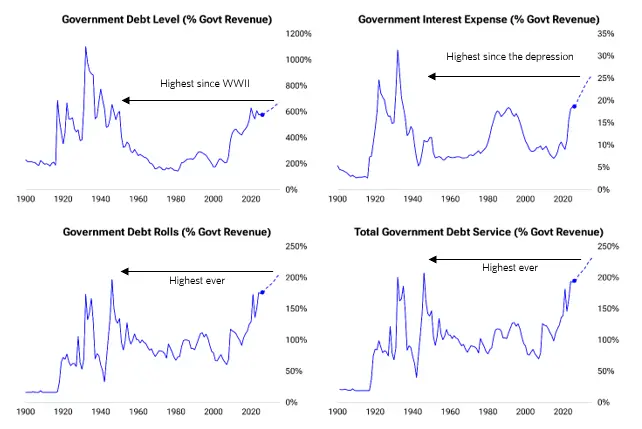
The root causes of the bond market sell-off have not been eliminated, and gold and oil trends are diverging. The deep-seated triggers of this round of bond market turmoil have not dissipated. Recently, the global bond market has come under pressure as investors demand higher compensation for inflation risks and rising government debt levels, while tensions in the Middle East further exacerbate price pressures; at the same time, companies are concentrating on issuing bonds to finance the AI boom, amplifying the intensity of this sell-off. In the commodity market, Brent crude oil rose 0.4% to about $92 per barrel. Trump previously stated that he would launch "unprecedented economic warfare" against Iran and accused Iran of missing the opportunity to reach an agreement with him, with geopolitical risk premiums supporting oil prices. Gold, after rising to its highest level since early June, has retreated, dropping 0.8% to about $4,480 per ounce. Bitcoin rose above $69,300, following Trump's meeting with cryptocurrency industry executives at the White House, urging Congress to push for relevant legislation.
SEC Chairman Atkins cited the legislative intent of Congress in his statement—"The design of the securities law is to expand opportunities for innovation within a specific regulatory framework." This statement is worth pondering: regulators should delineate the regulatory track rather than let athletes run amok in an unregulated state. For us legal practitioners, the real value lies in recognizing a fact: all "exemptions" are granted by the system and are never a retreat from regulation. True freedom has never been without rules, but rather clear and predictable rules. As for whether Regulation Crypto Assets can ultimately be implemented, it depends on the combination of the 60-day comment period, the Senate vote on September 15, and potential legal challenges from Wall Street. Until the dust settles, any celebration is premature.
SEC's new regulations take effect: compliant token financing is really coming back
The final text still needs to be voted on by the SEC full commission. Once passed, the Office of Management and Budget (OMB) needs to determine whether it falls under the significant rules of the Congressional Review Act, and the SEC will subsequently submit the rules to Congress and the Government Accountability Office (GAO). Congress does not need to vote for prior approval but can veto through a joint resolution; if deemed a significant rule, it typically must wait at least 60 days before taking effect. However, the SEC can currently only address issues related to securities issuance and investment contracts under its jurisdiction, while how the SEC and the Commodity Futures Trading Commission (CFTC) delineate the entire crypto spot market still needs to be handled by Congress. How to retain local investor protection after state-level registration is excluded, and how specific the completion standards for safe harbors need to be, will also become contentious during the comment phase.
Korean stocks rebound violently, multiple favorable factors resonate
In this regard, Paul Mix, head of technology research at Freedom Capital Markets, believes that the storage demand brought by AI and long-term customer agreements still support the industry's fundamentals, but market concerns about high valuations and the peak of the memory chip price cycle have exacerbated short-term volatility. Market participants remind that after a rapid rise, there may be profit-taking pressure in the short term, and the third-quarter performance realization, U.S. interest rate path, and external disturbances may all exacerbate market fluctuations.
OpenRouter early investors review the investment process
This is the true future of model routing. From payment infrastructure to AI infrastructure, Stripe and OpenRouter have very similar development trajectories. Both companies first win over developers and then gradually enter the large enterprise market. Their product design languages are also very simple and direct. Andrej Karpathy once referred to OpenRouter as the "switch" for AI. What Stripe is doing is essentially similar: it has become that "switch" in the payment processing system. This acquisition is also one of the earliest large transactions in the infrastructure field of the AI era, and it will not be the last. The infrastructure for managing models, costs, and computing power is gradually taking shape. These infrastructures are making the formation speed of the next generation of giant companies faster than in the past.
Stripe's internal letter to investors leaked: Why we must acquire OpenRouter?
In fact, we have already seen directly in our products that there are many similarities between managing intelligence and managing capital. For example, Stripe Radar's initial design goal was to prevent financial fraud, but now it has proven to be very effective in preventing token fraud among many of the world's largest AI companies. The same goes for Metronome. Industry-leading companies like Anthropic and Nvidia are using it, and it is demonstrating that in the AI scenario, usage-based billing has become inextricably linked to the provision and consumption of tokens themselves. We expect this transaction to be completed in the coming weeks. We are excited to extend Stripe's financial capabilities into this new area, helping businesses more effectively allocate a new type of capital: intelligent capital.
 Risk warning


Popular articles