Anthropic's stock rose 17% on its first day of trading: raised $107.3 billion, more than half of the 1,200 institutions did not get shares
 Core Viewpoint


 Anthropic debuted on Nasdaq with an issue price of $83, the first transaction was at $111.50, and it closed at $97.17 (+17.07%), with a closing market capitalization of approximately $1.272 trillion; the total fundraising from the public offering and private placement was about $107.3 billion, making it the largest IPO in U.S. stock market history, with around 1,200 institutions subscribing but more than half did not receive allocations.
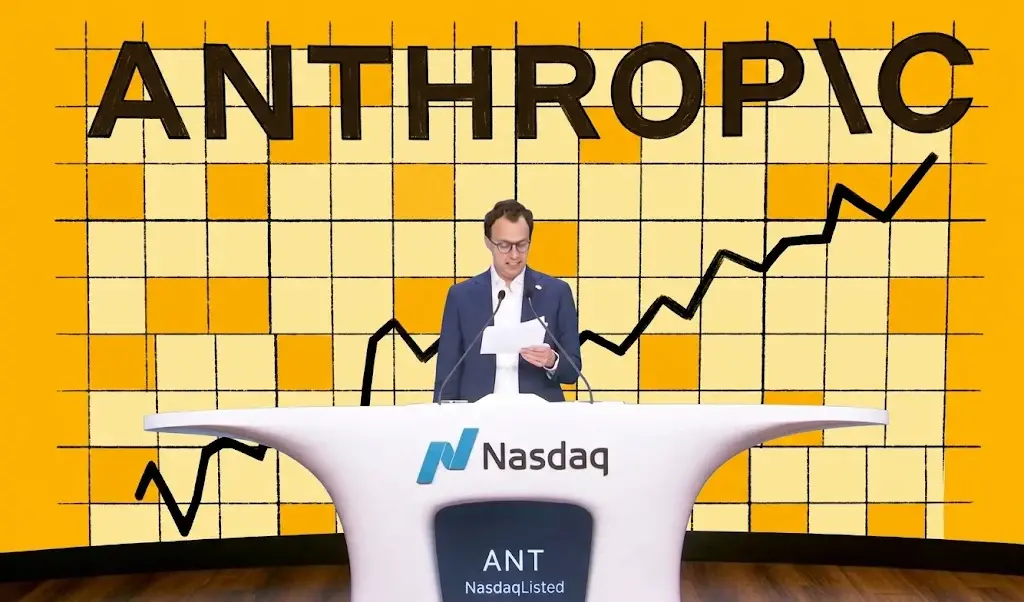
Anthropic CEO Dario Amodei. Image processed by AI
Written by|Boyang
Editor|Xu Qingyang
On its first trading day on Nasdaq, Anthropic ended with a significant surge, but the fluctuations during the day also sounded the first alarm for this AI star company.
On November 19, U.S. local time, Anthropic's stock debuted on Nasdaq at an issue price of $83, with the stock ticker ANT. Due to concentrated buying, the first transaction did not occur until 11:48 AM Eastern Time, at $111.50, which was 34.3% higher than the issue price. The stock price then continued to decline, dropping to a low of $92.72.
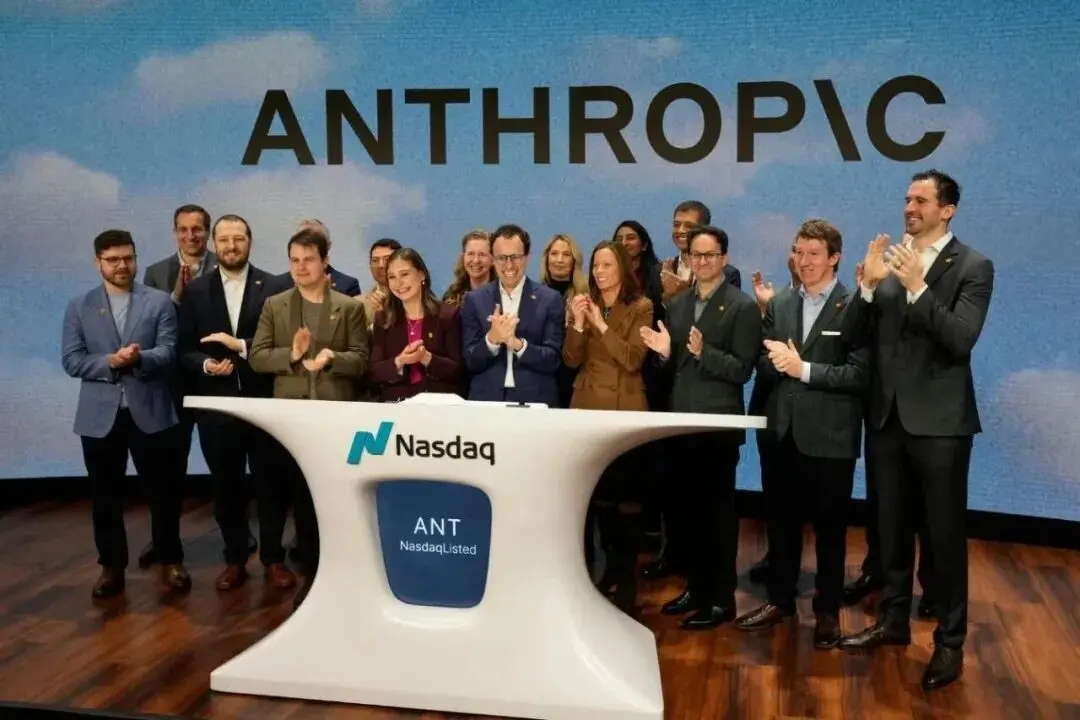
At the close, Anthropic's stock ended at $97.17, up $14.17 from the issue price, a rise of 17.07%. According to CNBC data, the trading volume that day reached 839.6 million shares, with a closing market capitalization of approximately $1.272 trillion. In after-hours trading, the stock price further declined, dropping more than 3%.
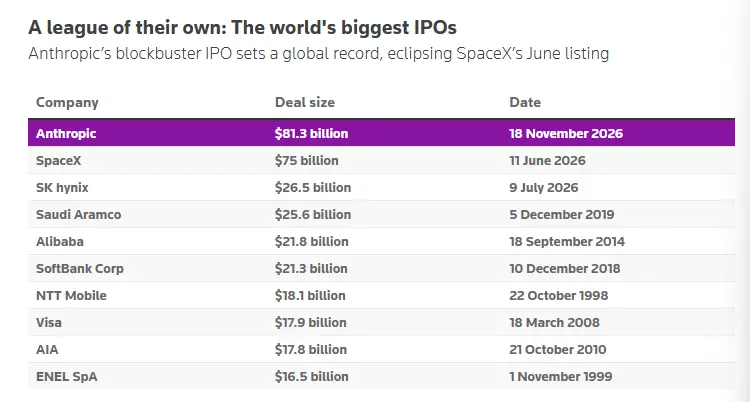
This is the largest IPO in the history of the U.S. capital markets.
Anthropic's public offering consisted of 980 million shares, with a public offering size of approximately $81.3 billion based on the $83 issue price; combined with an additional $26 billion in private placements, the total financing scale exceeded $107 billion, surpassing the previous record of about $75 billion set by SpaceX in June of this year.
01 1,200 institutions queued to subscribe, over half did not get any shares
The demand for Anthropic's IPO far exceeded the issuance scale.
The company initially set the price range for the offering at $70 to $78, ultimately pricing it at $83, above the upper limit of the range. The number of shares issued was also expanded by about 19% from the original plan, resulting in a total public offering amount of approximately $81.34 billion at the final price.
However, not all funds will ultimately enter Anthropic's account. According to the final prospectus, the company issued 956,351,354 shares, amounting to about $79.38 billion. An additional 23,648,646 shares were sold by existing shareholders, amounting to approximately $1.96 billion.
In other words, the total IPO amount was about $81.34 billion, of which the vast majority came from newly issued shares by the company, with a small portion from existing shareholders reducing their holdings.
Additionally, Anthropic arranged for a $26 billion private placement, with participation from investors related to AMD, Broadcom, Google, Microsoft, NVIDIA, Micron, and TSMC. The total financing scale, combining both parts, was approximately $107.3 billion. The underwriters also have a 30-day over-allotment option to purchase up to an additional 14.7 million shares.
This transaction involved over 20 banks, with Morgan Stanley and Goldman Sachs serving as the lead underwriters. It surpassed SpaceX's previous IPO financing record and elevated the financing capabilities of AI model companies to a new height.
However, not all institutions wishing to buy shares were able to obtain them.
Bloomberg cited informed sources reporting that about 1,200 institutional investors participated in the subscription, with over half ultimately not receiving any allocation. The allocations were clearly biased towards U.S. investors, with many overseas institutions missing out on their orders.
Additionally, according to The Wall Street Journal, retail investors received about 15% of the shares in this offering, corresponding to about $12 billion, which is lower than the 20% cap previously disclosed by Anthropic.
Despite the expansion of Anthropic's IPO issuance scale, a large number of institutions still could not buy shares, indicating that the demand was not just concentrated among a few large funds but rather a broad range of capital seeking direct exposure to leading AI companies.
However, the allocation results also sparked another kind of dissatisfaction. Investor Rakesh Agrawal questioned that in such a large issuance, the stock distribution seemed to favor priority clients, while founders, employees, and early investors may not have received shares commensurate with their contributions.
Axios reporter Dan Primack lamented from another angle that venture capital-backed companies have now produced trillion-dollar public enterprises, signaling the end of the era represented by the term "unicorn" for startups.
02 Seven founders with nearly $140 billion in wealth, employees also became big winners
The IPO provided a more tangible valuation for the wealth of Anthropic's seven founders.
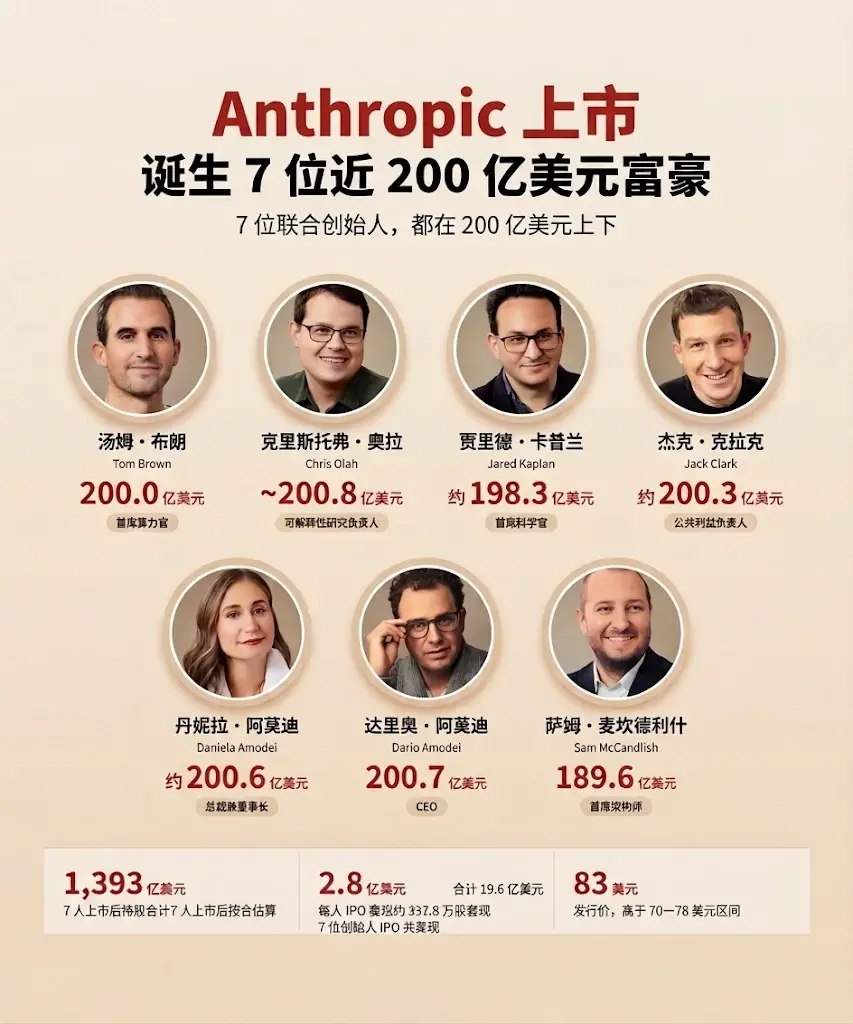
Based on the issue price, the total value of the shares held by the seven founders is approximately $139.3 billion. Among them, CEO Dario Amodei holds shares worth about $20.07 billion, co-founder Tom Brown about $20 billion, and Sam McCandlish about $19.92 billion.
The remaining four founders, Christopher Olah, Jack Clark, Jared Kaplan, and Daniela Amodei, also have share values close to $20 billion.
The seven founders also sold approximately 3.378 million shares each during this IPO, cashing out about $280 million each, totaling approximately $1.96 billion.
Their control over the company does not solely depend on economic shares. The prospectus shows that the founders' limited liability company holds a special class of F shares, which have 50.1% of the total voting rights in the company but do not enjoy economic rights. The seven founders were the initial sole members of this entity.
Employees also shared in the wealth growth brought by the IPO.
According to the prospectus, as of September 30, 2026, the paper gains from employee stock options are approximately $119.1 billion, of which about $72.6 billion has already vested.
Independent research firm Sacra estimates that about 2,800 current and former employees hold at least $1 million in pre-tax vested equity. Estimates from private company stock trading platform Hill indicate that 598 non-founder employees have equity valued at over $100 million.
Beyond Claude Code, Anthropic starts offering discounts to attract enterprise customers
Before the IPO, Claude Code was the most anticipated growth engine for Anthropic. After going public, the company is expanding its product line from programmers to other departments within enterprises.
Anthropic has successively launched products aimed at non-technical employees, such as Claude Cowork, which helps developers build and run AI agents, as well as Claude Security, Claude Design, and Claude Science. The company hopes Claude will no longer just be a programming tool but will enter more business areas such as sales, finance, human resources, marketing, and security.
A manager from a software company revealed that previously over 90% of the company's AI budget was allocated to the engineering department, but now about 60% is used for programming, with the remaining portion starting to be allocated to Cowork, Design, and Security. Human resources and finance teams use Cowork to create financial forecasts, while sales teams use it to generate market research reports.
The range of customer usage is expanding, but Anthropic is also offering greater price discounts to secure these budgets.
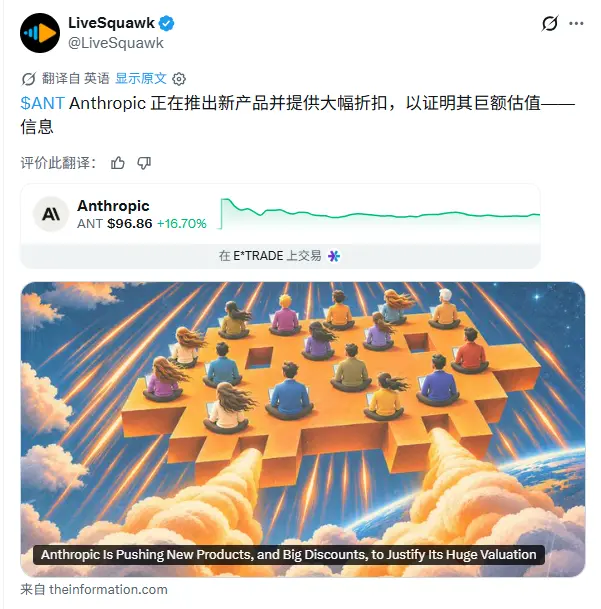
Software procurement consultants and customers revealed that Anthropic is offering some enterprises product credits of up to $100,000 in exchange for higher annual spending commitments or to encourage customers to sign contracts before specified dates. Partners noted that when customers trial products like Cowork, Design, and Security, the credits can reach up to $2,000 per user.
The discounts are also significant. Managers from two clients stated that the discounts offered by Anthropic exceed 30%, with one contract's discount being more than double that of previous contracts.
One company provided a more specific example: when the annual spending commitment is $1 million, the discount offered by Anthropic for the first quarter is about 15%; when the commitment amount is raised to $3 million, the discount approaches 30%; if the customer commits to spending over $5 million annually, the discount can be further increased to over 30%.
Some contracts also include a share-of-wallet clause, meaning customers need to commit to allocating a certain percentage of their AI budget to Anthropic. In some cases, customers are also required to submit invoices and other materials to prove they have fulfilled their commitments.
NPI Financial analyst Madisyn Ellsworth noted that the company began noticing such clauses in early November. OpenAI has also used similar arrangements, but NPI has not seen OpenAI requiring customers to submit documentation to prove compliance.
These practices reflect the changing competition in the enterprise AI market. Anthropic no longer only needs to prove that Claude Code is effective but also needs to convince customers to allocate more departments and budgets to Claude. For enterprises, discounts can lower the trial threshold, but increased AI usage may also lead to uncontrolled spending. Some customers have already begun monitoring high usage and even proactively cutting costs.
Competitors are also accelerating their actions. OpenAI is entering the cybersecurity market, while Codex is competing for programming customers through price reductions; Microsoft 365 and Google Workspace have established office software systems, and Anthropic's expansion into spreadsheets, collaboration, and office tools inevitably encroaches on the territory of these two giants.
Meanwhile, companies like FedEx, Robinhood, Coinbase, and Shopify are developing their own AI tools, hoping to switch flexibly between Anthropic, OpenAI, and open-source models. For model companies, while the frequency of AI usage by customers is undoubtedly important, the ability to retain customers long-term and encourage them to continuously increase their budgets is equally crucial.
 Risk warning
ChainCatcher reminds readers to view blockchain rationally, enhance risk awareness, and be cautious of various virtual token issuances and speculations. All content on this site is solely market information or related party opinions, and does not constitute any form of investment advice. If you find sensitive information in the content, please click , and we will handle it promptly.


Popular articles