SignalPlus Macro Analysis Special Edition: Escalate to De-Escalate?
 Geopolitical tensions escalated further over the weekend, as U.S. bombers launched rapid and precise strikes on three deep nuclear facilities within Iran. U.S. reports indicate that the facilities were severely damaged, but there has been no official confirmation on whether nuclear materials have been destroyed or evacuated in advance.

Geopolitical tensions further escalated over the weekend, with U.S. bombers launching rapid and precise strikes on three deep nuclear facilities within Iran. U.S. reports indicate that the facilities were severely damaged, but there has yet to be official confirmation on whether nuclear materials have been destroyed or evacuated in advance.
The market instinctively sold off risk assets, and cryptocurrencies, as the only asset class that continued trading over the weekend, were naturally the first to be affected. At the onset of the attacks, BTC fell about 4% from above 102k to around 99k. It is worth noting that cryptocurrencies continue to be viewed as frontier/high-risk assets in the eyes of traditional financial investors.
Due to the escalation, there were initial concerns that Monday's opening would see a sharp risk reaction, but such worries quickly dissipated during the Asian morning session. A viewpoint gradually emerged in the market suggesting that this action might represent a successful "escalate to de-escalate," meaning that key displays of military force could drive progress in negotiations. Additionally, the practical difficulties of blocking the Strait of Hormuz (as most of Iran's oil and gas exports flow to China) have alleviated concerns about uncontrollable spikes in oil prices.
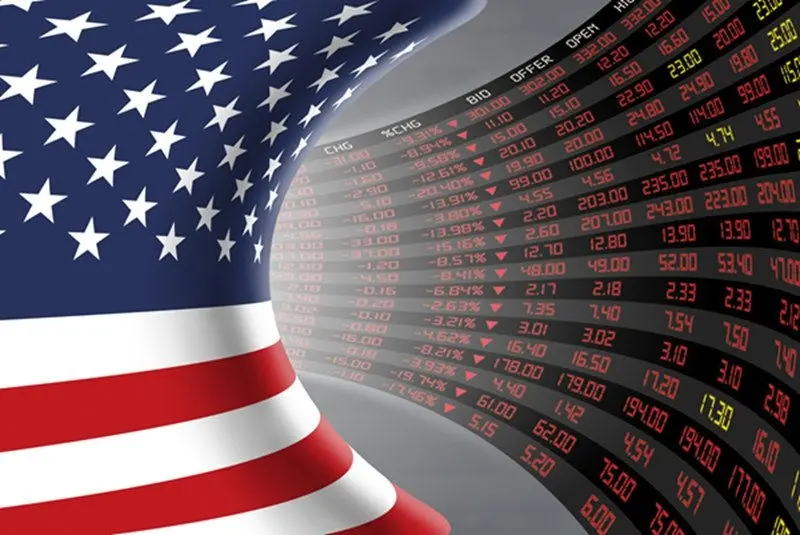
The price performance in Monday's early trading seemed to confirm this viewpoint, with U.S. stock futures nearly recovering to Friday's levels, oil prices stabilizing around $75 per barrel, and spot gold giving back earlier gains, while the dollar against the Israeli new shekel also fell back to pre-conflict lows.

Generally speaking, geopolitical pressures tend to be short-lived and only have a temporary impact on the stock market. A recent study by Citigroup shows that the SPX index often reacts negatively before geopolitical event risks escalate, but once the events actually occur, performance is usually not poor. If we believe that the stock market has a certain level of efficiency and can forward-looking reflect known and foreseeable unknown risks, such a conclusion is reasonable. Unless there is an unimaginable large-scale destructive weapon attack or other extreme unforeseen events, we expect risk markets to gradually adapt to this round of conflict and refocus on ongoing tariff negotiations and economic development.

In the interest rate market, despite ongoing discussions about the U.S.'s massive interest expenditures and potential inflation risks, implied volatility in interest rates has fallen back to mid-term lows, indicating that the market does not expect developed country central banks to take substantial action. The overall trajectory of forward interest rates remains stable, and bond traders have returned to normal operations.

Meanwhile, according to the majority opinion on Wall Street, current market liquidity (i.e., financial conditions) remains quite ample, allowing risk assets (such as stocks) to continue climbing the "wall of worry." Despite experiencing Liberation Day, the ongoing Russia-Ukraine conflict, and tensions with Iran, the SPX index has still managed to rebound strongly.

Although macro observers may still hold a pessimistic stance for the long term, investors are voting with real capital, and despite various warning signs, risk sentiment remains clearly bullish, with the overall economy continuing to operate and corporate profits steadily rising.

Unfortunately, the cryptocurrency market is not the same. BTC fell 4%, touching around $98.9k, while ETH plummeted about 10% to $2,150, marking the lowest intraday price since early May. With the news of the Iranian airstrikes, cryptocurrencies, being the only assets still trading, were naturally sold off, resulting in over $1 billion in futures positions being liquidated over the weekend.

Despite stocks, crude oil, and gold prices reversing their weekend trends in early trading, cryptocurrency prices struggled to rebound in sync. Investors remained in long positions during the conflict, and the volatility over the past month has been intense, while cryptocurrency prices have failed to break through effectively since the first quarter, with BTC also struggling to surpass February's highs.

Glassnode conducted an excellent analysis last week, showing that while the TradFi community has shown strong interest in BTC, on-chain trading activity has significantly slowed. In short, mainstream investors are attempting to gain exposure to BTC through traditional tools (such as ETFs and futures), leading to active off-chain (OTC) trading. However, since FTX, on-chain activity has not recovered, as evidenced by the lackluster performance of DeFi and altcoins, along with the absence of new narratives (aside from stablecoins/RWA).

Similarly, the power-law distribution phenomenon is becoming increasingly common in the cryptocurrency space. On one hand, BTC's market capitalization dominance continues to rise; on the other hand, its own on-chain transfer activity is becoming more concentrated in large wallets. According to Glassnode data, the proportion of transactions exceeding $100,000 has risen from 66% in 2022 to 89% today, further confirming the view that "whales" dominate the market, while the influence and participation of smaller accounts are diminishing.
Unfortunately, as the cryptocurrency industry matures and accelerates its institutionalization, this trend is likely to continue, which may be an unavoidable outcome.

Furthermore, as BTC becomes a mainstream asset class, it must naturally adhere to the operational rules of other macro assets, which are dominated by the largest participants in terms of capital volume, with off-chain trading being far more active than on-chain trading. Long-term observers point out that this cycle differs from past ones, lacking the heat of altcoins or the rise of new narratives, but this was actually anticipated. TradFi participants are more inclined to engage in the market through tools they are familiar with (off-chain), and self-custody and on-chain narratives hold limited appeal for this group. However, since they possess far larger capital than native users, their behaviors and preferences will increasingly dominate price movements.

This change in macro correlation can be observed through the significant increase in open interest in BTC futures. Since the fourth quarter of 2024, the sharp fluctuations in BTC futures open interest are the main reason we have seen more frequent liquidation gaps (such as last weekend). Off-chain activity and futures-driven price movements imply higher macro correlation, with the influence of native cryptocurrency momentum becoming weaker.

Meanwhile, the activity of cryptocurrency options trading has also significantly increased in this cycle. Overall market daily trading volume has risen from $1.5 billion in 2024 to a recent high of $5 billion, indicating that increasingly mature market participants are adopting more options strategies to manage risk. Feel free to continue contacting the SignalPlus team; we are here to assist you in exploring more options strategy applications!

Returning to the current moment, BTC's demand momentum appears to be weak. According to CryptoQuant data, its demand momentum index has reached a historical low. Even with a series of favorable policies (such as the Genius Act, Hong Kong's stablecoin policy, etc.), prices still cannot effectively break through previous highs, and the supply from short-term holders (i.e., new funds) seems to be slowing down.

In the volatility market, price changes indicate that traders were caught off guard by this volatility, with implied volatility suddenly spiking from a previous downward trend. Significant buying of put options has emerged, especially for ETH, indicating that market participants are seeking downside protection while holding long deltas. In the short term, the market may still face further downward pressure.

Looking ahead, we believe the market will soon digest and move past this geopolitical event, and we may even see some form of peaceful breakthrough in the situations involving Russia and Iran, as well as substantial progress in tariff negotiations. The market will naturally rise due to these developments, but at that time, the focus will also return to the issue of overvaluation. Currently, the SPX index has already reflected a +12% earnings growth expectation to $296 (equivalent to a 20x forward P/E ratio), while the U.S. economy appears to be slowing down (employment indicators, CEO layoff expectations, etc.).
As we have always maintained, we do not recommend going against the current upward trend of the stock market, but we believe this rebound is nearing its end, and the focus should now be on reducing risk. In the cryptocurrency market, given the recent price performance, we are more concerned that the market may experience a larger adjustment, clearing out the recent chasing funds and floating chips. We are also wary of many listed companies incorporating BTC into their corporate holdings as a form of "financial engineering," which could instead signal negative FOMO.
Stay calm, manage risks, and may a cool head prevail over the current situation. Good luck to everyone.


 Risk warning Risk warning