








Understanding is the hardest thing in the world - Thoughts from Duan Yongping on the Xueqiu podcast | Bill It Up Memo
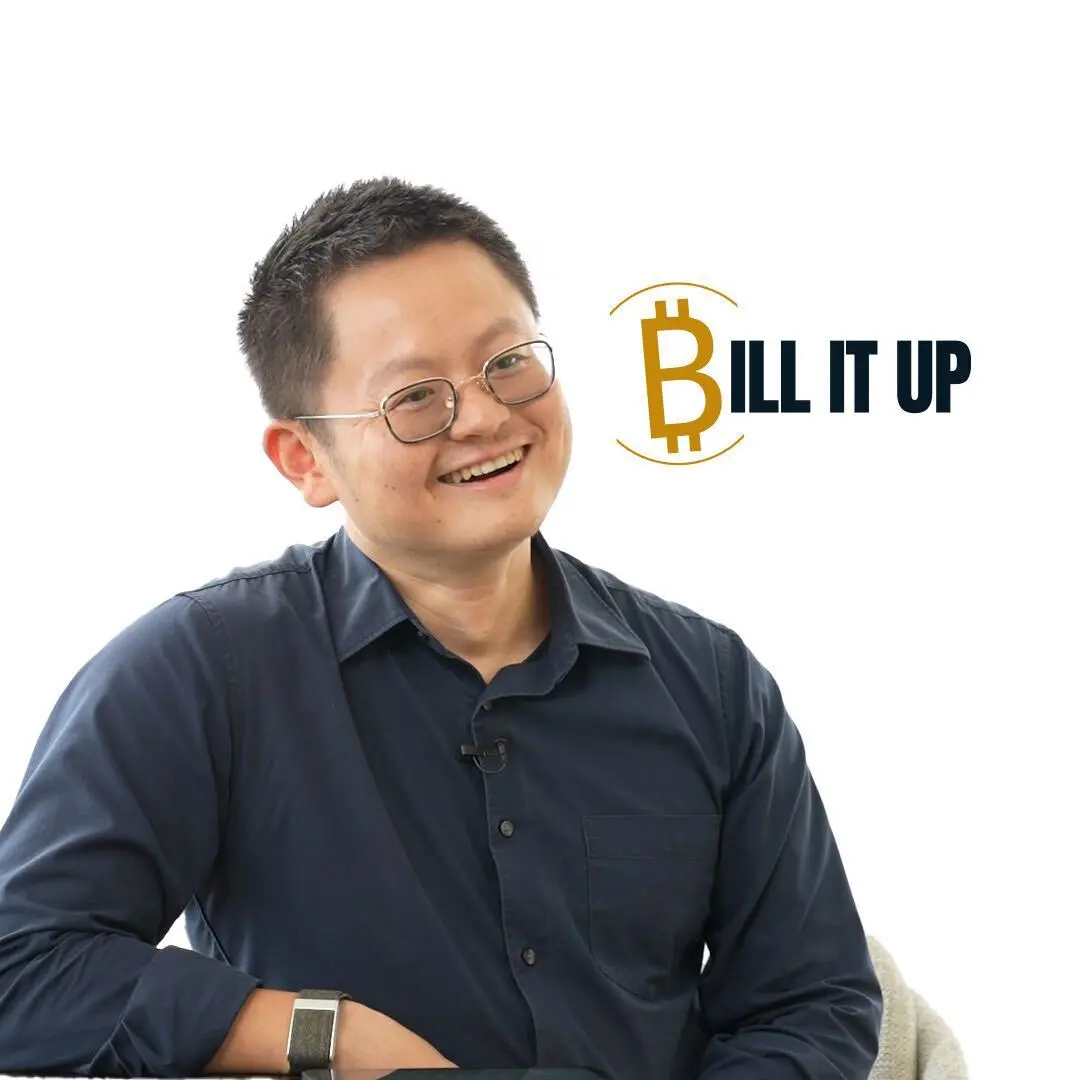
 Duang Yongping's investment philosophy: Distinguish the "special supply" perspective and deeply understand the true meaning of "understanding."
I listened to Duan Yongping's podcast on Xueqiu these past few days. His viewpoints that may only apply to himself (or a very small number of people), as well as his definition of "Do you really understand?", have given me new insights. Here are some points that particularly impressed me, recorded for reference and to share with friends.
- In my opinion, some of his viewpoints may only be suitable for a small number of people and should not be copied directly:
1.
- He said not to look at macro and market trends, which is typical of a non-cyclical theorist, the opposite of Howard Marks. I think because he manages his own money, like Buffett, he is always fully invested in stocks, which is not suitable for 99% of people. Even if someone buys the S&P index, they would experience about a 25% drawdown in 2022, and even as high as a 56% drawdown during the 2008 financial crisis. Such a fully invested strategy may not be suitable for everyone.
- He almost only has stocks as an asset class, with no gold, Bitcoin, commodities, etc.
- His view on Tesla: He is unwilling to invest in Musk; although Musk is impressive, Duan does not like his character. This is somewhat similar to Munger's view on Musk. Additionally, he believes that Tesla's electric vehicles are differentiated, but the overall electric vehicle industry will be very challenging.
- He does not hold cash, adhering to a fully invested philosophy (which is akin to being fully invested in stocks for years).
- Worthy of reference viewpoints:
1.
If you don't understand, don't engage in investing. 80% of retail investors lose money regardless of bull or bear markets, and with the rise of more quantitative AI, retail investors will find it even easier to lose money.
Once you encounter an employer or boss lacking integrity, make sure to leave as soon as possible. This point is also very applicable to friends in finance, technology, and crypto circles.
The true margin of safety is how well you understand an asset. Among 100 people buying Bitcoin and Nvidia, there may be very few who "understand enough" to build a position of over 20%.
When learning about a new company, he will ask AI questions for about an hour to gain a preliminary understanding and decide whether further in-depth research is needed.
Most people who "trade stocks" now and in the future will lose to AI quant strategies, as well as to indices. However, long-term fundamental investors will not be replaced.
- His reflections on his own investments:
1.
- He made money from BBK Electronics (including Oppo and Vivo), and at one point, over 90% of his AUM was in Apple, which is quite interesting. If you are running a tech company or project, you must have a good understanding of your own industry, and you might consider buying the leading company in your sector. Just like Duan Yongping buying Apple while also being a shareholder in Oppo and Vivo. He may not have done this intentionally, but essentially, because he understands mobile phones, he makes money from the business, and because he understands them so well, he has the courage to heavily invest over 90% of his portfolio in Apple at its peak. In the digital field, he formed a barbell strategy.
- He has only heavily invested in seven companies: NetEase, Yahoo (which bought Alibaba), Apple (with a peak position of over 90%, buying more with each drop, which is remarkable, and is currently in a reduction phase), Berkshire (not much), Moutai, and Tencent (still okay). He has encountered many stocks, but has only heavily invested in seven. He did not explicitly define what "heavily invested" means, but I feel it should be over 10%.
- He does not consider himself to have heavily invested in: Nvidia (should continue learning, bought a little), GE (just a one-time bottom fishing in 2008, which he considers a profitable mistake), Pinduoduo (angel investment, actually a small investment cost with a large return later, and he also bought in the secondary market), Google (not enough of a heavy investment), Tesla (because he does not like Musk and dislikes Tesla's after-sales service, he sold early). I think he is quite objective and pragmatic about this.
- If one day he stops investing or needs to pass the money to his descendants, and they are not good at investing, he will switch his positions to Berkshire and the S&P, which would be worry-free. So, in his eyes, Berkshire and the S&P represent opportunity costs.
- Points he believes he still does not understand:
1.
Why do humanoid robots need to be humanoid?
AI will increase GDP, but he does not know if it will ultimately create more net new jobs like previous industrial revolutions. He is also eager to know the answer.
After listening, my personal feelings are:
First, a person's view of money is closely related to their own fate and experiences. Duan Yongping loves life, has modest desires, and was fortunate enough to achieve financial freedom early on, so his investment philosophy, fate, and experiences form a coherent relationship. It is hard to convince someone who struggles daily for their next meal that "slow is fast." If in a parallel universe, Duan were that struggling person, I believe he might not have achieved today's results or said today's words. Just like if Buffett were born in North Korea, he wouldn't be the Buffett we know today.
Second, understanding "what you know" and "what you don't know" is actually very, very difficult. Many people overlook this. If a person "understands that they are not good at investing," they might perform better than 99% of people because they truly understand their own ignorance and thus buy indices, beating 99% of others. If a person "understands that they are really good at one or two things," they might heavily invest, whether it's dedicating time to open a restaurant or investing 90% of their capital in Apple. Thus, understanding one's ignorance and understanding one's knowledge are both challenging. But the vast majority of people are "uncertain about what they truly understand."
Many times, being fixated on language can obscure the truth; language itself is merely a convenient tool. Duan's sharing is brilliant, and we also need to see and learn the wisdom that suits us through language.
Let’s encourage each other.
 Risk warning Risk warning

Popular articles





