The three major U.S. stock indices closed lower, while gold and Bitcoin both rose. Is Bessenet's market rescue going to fail?

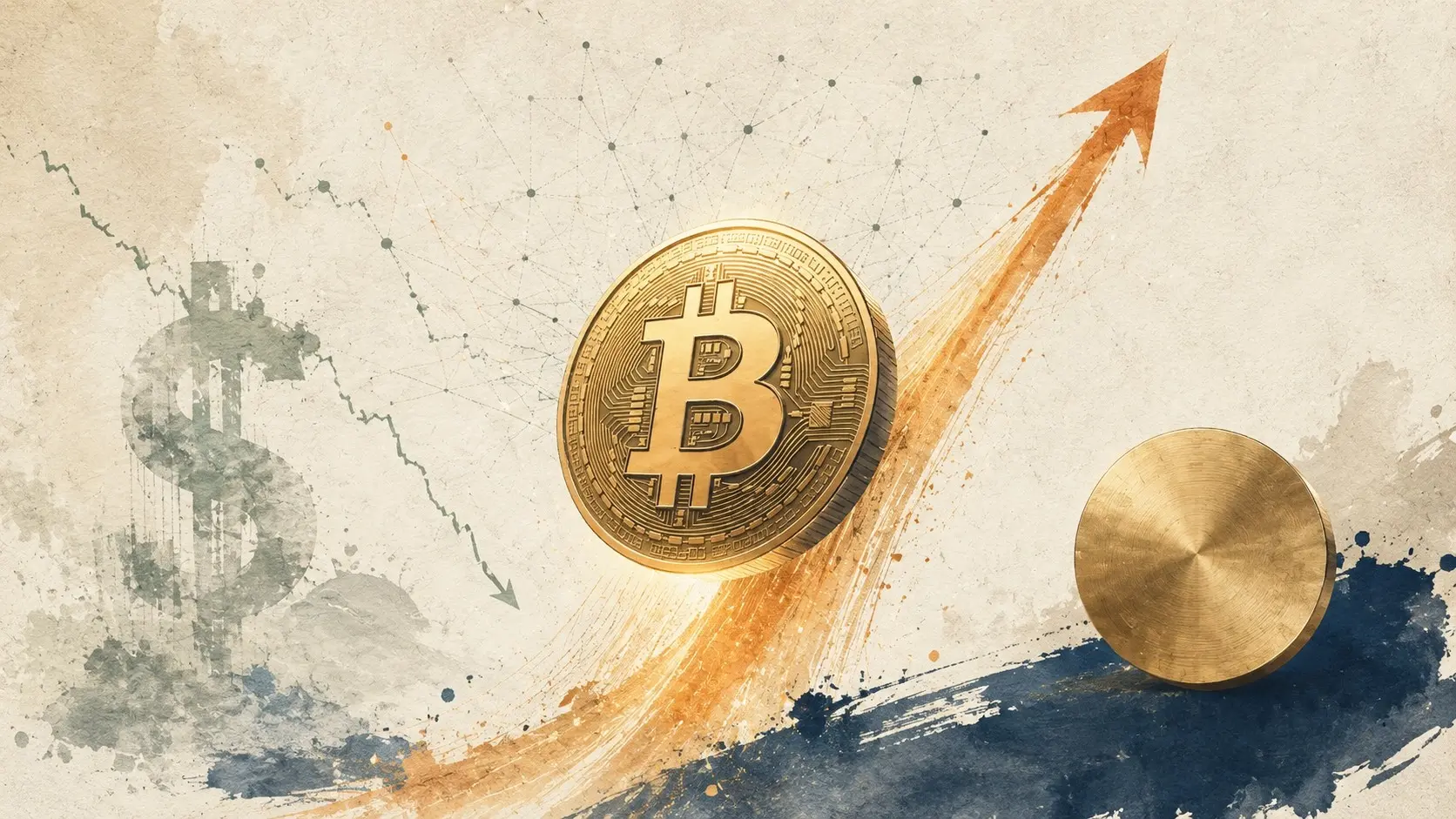
 When the narrative of "weak US bonds and falling dollar" emerges, the instinctive reaction of capital is to seek alternatives. This is precisely why both gold and "digital gold" Bitcoin have recently surged strongly.
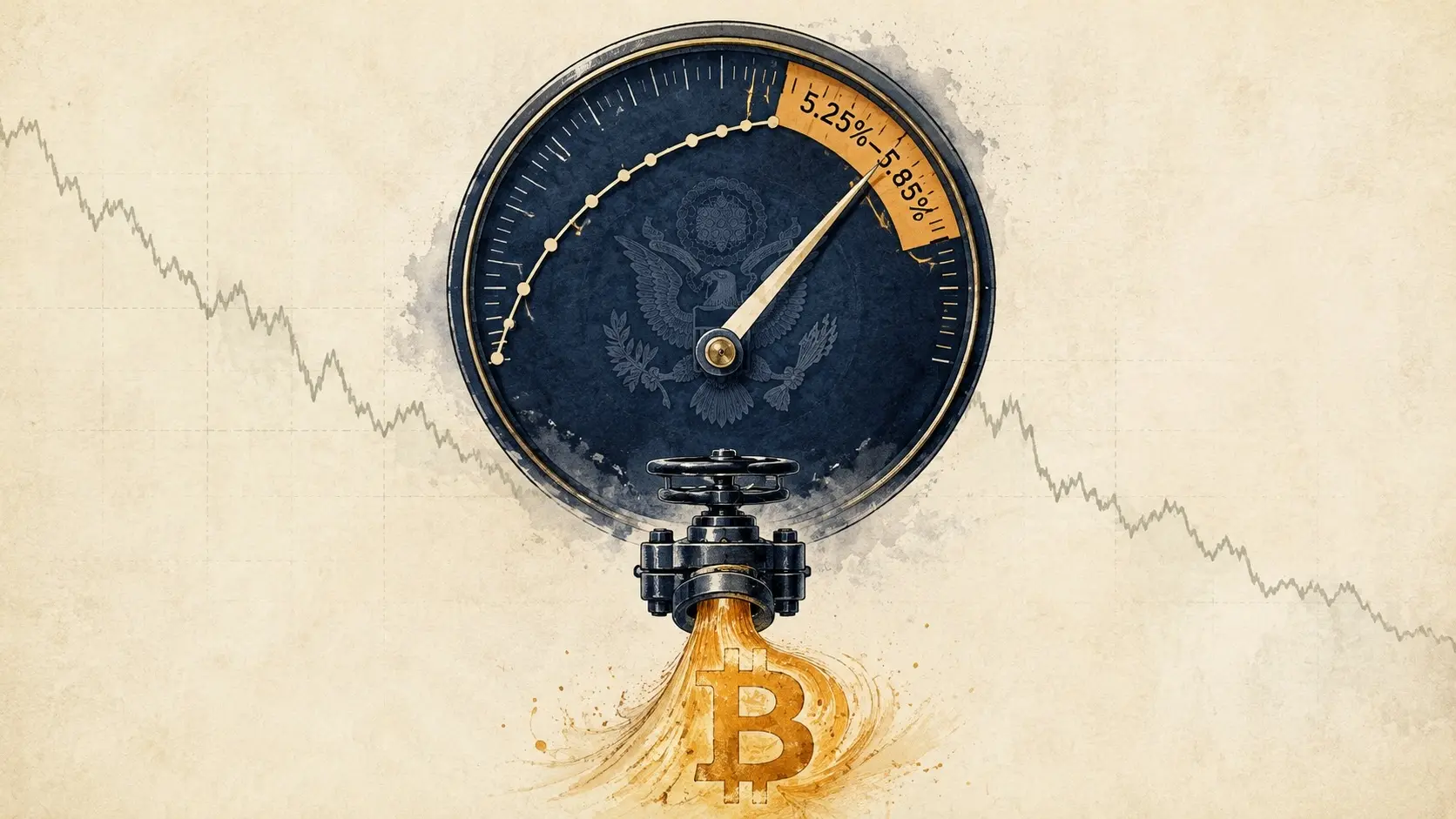
In the past two days, facing persistently high U.S. Treasury yields, U.S. Treasury Secretary Janet Yellen has stepped in twice to stabilize the market.
The first time, she announced an expansion of the Treasury buyback program to $4 billion, which the market somewhat acknowledged; the second time, she hinted that "the scale could be larger," but the market completely dismissed it.
The results of these two interventions have led the market to generally believe that they did not achieve the expected effect.
1. A Lonely Rescue: Yields Turned Around and Returned to the Starting Point
The data reveals how awkward the situation is. U.S. Treasury yields briefly dipped following the announcement but quickly rebounded—10-year yields closed at 4.7%, and 30-year yields at 5.25%, showing almost no difference from before the intervention.
Last night's U.S. stock market also surrendered: the Dow Jones Industrial Average fell by 1.32%, the S&P 500 dropped by 0.87%, and the Nasdaq decreased by 1%.
2. Why Can't It Be Rescued? Three Layers of Reasons
First, let's talk about scale. A $4 billion buyback program makes little noise in the entire U.S. Treasury market. The truly valuable part of such operations has never been the amount but the gesture— the Treasury is signaling to the market: I do not want long-term yields to rise so quickly. The problem is that the gesture can only be used once; if it hints again that "it can be more," the marginal effect approaches zero.
Next, consider the tools. Buybacks ease liquidity, but the current upward push in yields is driven by far more than just liquidity— inflation expectations, fiscal deficits, and increased Treasury supply are all pushing upwards. Using tools meant for drainage to repair load-bearing walls is naturally futile.
The final layer is confidence. Buybacks are essentially a technical stopgap action that cannot address the root causes of high deficits and high debt issuance. Worse yet, it can produce counterproductive effects: the more frequently the Treasury intervenes, the easier it is for the market to read the underlying anxiety— if even the caretaker can't sit still, how sturdy can the house be?
3. The Thermometer of the U.S. Economy is Hidden in Walmart's Earnings Report
Last night, the seven tech giants in the U.S. stock market saw slight declines, with storage chips and optical modules showing mixed results and limited fluctuations, making them not particularly noteworthy. What is truly worth a closer look is a traditional company that is almost being overshadowed by the AI boom—Walmart.
This latest earnings report looks good on the surface but feels cold inside. Second-quarter revenue and adjusted earnings per share both exceeded Wall Street expectations, and the full-year financial guidance was also raised. However, the market discovered cracks: same-store sales growth in the U.S. dropped to its lowest level in over six years, and the profit outlook for the third quarter fell short of expectations. Concerns about slowing U.S. consumer spending were instantly ignited, causing the stock price to plummet over 9% during trading.
Walmart's earnings report serves as a thermometer for ordinary American households. It indicates that high credit card interest rates, burdensome mortgages, and rising prices are making life difficult for the average person. If consumer spending, which is the most significant component of the global economy, begins to decline, it is certainly not good news for the overall macroeconomic situation.
4. Save U.S. Treasuries or Save the Dollar?
Returning to U.S. Treasuries. As long-term bonds continue to be sold off, the Treasury and the Federal Reserve find themselves in a dilemma: save U.S. Treasuries or save the dollar?
To suppress long-term rates requires easing, which damages dollar credit; to protect the dollar means tolerating high rates, leading to further selling of Treasuries. Whichever option is chosen, it amounts to an admission to the market— the situations for both are not optimistic.
When the narrative of "weak Treasuries and a declining dollar" begins to take hold, the instinctive reaction of capital is to seek alternatives. This is precisely why both gold and "digital gold" Bitcoin have surged recently: both have risen over 10% in the past month.
5. In Conclusion
The Treasury's two interventions have lost to market confidence— investors may have realized that technical buybacks cannot fill structural gaps.
What is truly worth watching next is whether there will be further large-scale actions from the macro perspective regarding the narratives surrounding U.S. Treasuries and the dollar.
This article was written by an external author, and the views, analyses, and conclusions expressed herein are solely those of the author and do not represent the official stance or investment advice of BIT (Matrixport). BIT makes no express or implied guarantees regarding the accuracy, completeness, or timeliness of the content described in this article and assumes no responsibility for any direct or indirect losses arising from the use of this content.
The market data, prices, and percentage changes mentioned in this article are current as of the time of publication and may have changed; please refer to real-time market conditions.
The content of this article does not constitute, nor should it be construed as, investment advice, an offer, or a solicitation to buy or sell any financial products or instruments. Past performance is not indicative of future results; investing involves risks and may result in the loss of principal. Investors should independently assess their financial situation and risk tolerance and consult a professional advisor when necessary.
 Risk warning